Bioenergy

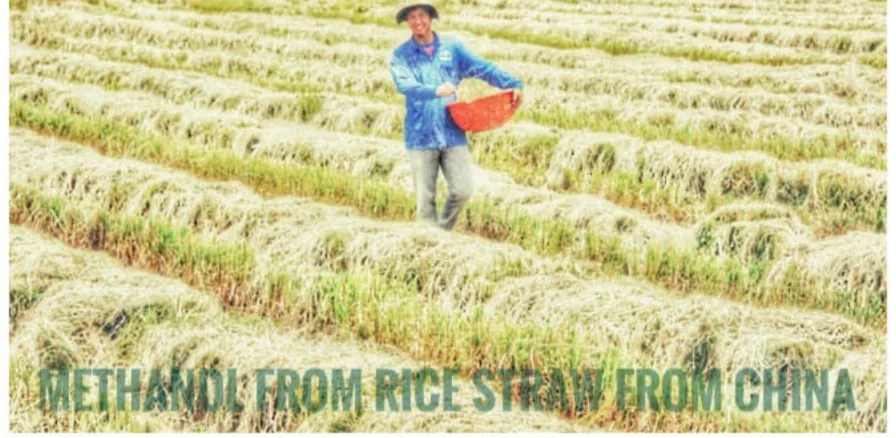
Farmer collecting rice straw in China for sustainable methanol and biofuel production.

Energy, Economy, and Environment: Biomethanol from Rice Straw in China

Energy, Economy, and Environment: Biomethanol from Rice Straw in China

Imagine mountains of agricultural waste that used to be a problem. Now, they can become a clean burning fuel. This fuel powers vehicles and industries, cleans the air, and supports rural economies. This isn’t a distant dream but a growing reality in China. The country is turning its large amounts of rice straw into biomethanol. China produces a significant portion of the world’s rice, generating nearly 222 million tons of rice straw every year. In the past, much of this waste was disposed of by burning it. This practice had serious environmental consequences. However, a major change is happening. Biomethanol from rice straw is becoming a key part of China’s sustainable development plans. (Ran et al., 2023). This post will delve into China’s motivations for adopting this innovative method, the profound benefits it offers, its inspiring global implications, and the key Chinese companies at the forefront of this green revolution.

Why China Adopted This Method: A Multifaceted Approach

China pivot towards biomethanol from rice straw is driven by a convergence of critical environmental, energy security, and economic imperatives. It represents a pragmatic and visionary solution to several pressing national challenges.

Environmental Imperative: Cleaning the Air and Reducing Emissions

For decades, burning rice straw in open fields has significantly polluted the air in China, especially in farming areas. This practice releases large amounts of particulate matter, nitrogen oxides, and greenhouse gases into the air. This worsens smog, increases respiratory issues, and contributes to climate change. Biomethanol production provides a cleaner alternative. By turning rice straw into a liquid fuel, it removes the need for open burning, which reduces harmful emissions. Additionally, since rice plants absorb CO2 as they grow, using rice straw for biomethanol can be seen as carbon-neutral or even carbon-negative when paired with carbon capture technologies. This process effectively stores carbon that would otherwise be released. China aims to peak CO2 emissions by 2030 and achieve carbon neutrality by 2060, driving the development of low-carbon energy policies (Yang & Lo, 2023).

Energy Security and Diversification: Less Reliance on Imports

China, as a rapidly developing and industrialized nation, faces the persistent challenge of ensuring energy security. Its considerable reliance on imported fossil fuels, particularly oil, creates vulnerabilities in its energy supply chain and subjects its economy to global price fluctuations. The domestic production of biomethanol from rice straw significantly enhances China’s energy independence. By converting an abundant, domestically available agricultural residue into a versatile fuel, China can reduce its reliance on external energy sources, thereby bolstering its national energy security. Biomethanol’s direct applicability in various sectors, especially transportation, allows for a strategic diversification of the energy mix, making the nation less susceptible to geopolitical disruptions affecting oil supplies.

Economic Benefits and Rural Development: Transforming Waste into Wealth

Beyond environmental and energy concerns, the biomethanol initiative offers significant economic advantages, especially for China large rural populations. Rice straw, once seen as waste with disposal costs, is now transformed into a valuable resource. This shift creates new income opportunities for farmers, enabling them to earn money from collecting and selling their agricultural residues. Setting up biomethanol production facilities in rural areas boosts local economies by generating jobs in feedstock collection, transportation, processing, and plant operation. Additionally, a useful byproduct of biomethanol production through anaerobic digestion is digestate. This nutrient-rich organic fertilizer can help reduce farmers’ reliance on costly chemical fertilizers. This improves agricultural sustainability while providing another financial benefit. The relationship between agriculture and energy production supports a strong circular economy in rural areas.

Biomethanol production from rice straw in China offers a sustainable solution. It meets energy needs, cuts greenhouse gas emissions, and effectively uses agricultural waste. Biomethanol yields are around 0.308 kg per kg of rice straw, and the energy efficiency is approximately 42.7% when using gasification technologies. This indicates that China has significant potential for bioenergy from rice straw. Currently, production costs are higher than those of fossil methanol, about 2,685 RMB per ton for a 50,000-ton plant. However, economic competitiveness should improve with policy support, technological innovation, and scaling up.

Using biomethanol from rice straw can reduce carbon emissions by over 70% compared to fossil-based methanol. It also helps decrease air pollution from open-field burning of straw. Improvements in process integration, like combining with renewable electricity, can further boost efficiency and lower lifecycle emissions. Overall, China’s biomethanol pathways show a mix of energy, economic, and environmental benefits Wang, et.al (2024). Continued innovation and supportive policies are essential for wider adoption and lower costs.

Bar Chart for Biomethanol key metrics in China

Inspiring the World: Global Implications of China Biomethanol Success

China is leading the way in scaling biomethanol production from rice straw. This initiative provides a strong and replicable example for other countries dealing with agricultural waste and shifting to renewable energy. The progress made has significant global implications for sustainable development for details..

China’s large agricultural sector and focused efforts on industrializing biomethanol production show that converting agricultural waste into valuable fuel is both possible and cost-effective. This serves as a powerful case study for other rice-producing countries in Asia, Africa, and Latin America, which face similar challenges with agricultural residues and the related environmental and health issues.

China’s efforts also support several United Nations Sustainable Development Goals (SDGs), including SDG 7 (Affordable and Clean Energy), SDG 12 (Responsible Consumption and Production), and SDG 13 (Climate Action). By turning waste into energy and cutting down on pollution, China is showing a real commitment to a more sustainable future. The technological advancements, especially in biomass conversion methods like gasification and anaerobic digestion, being developed in China provide valuable insights and models that can be reused around the world. This encourages a quicker and more effective shift to sustainable energy sources everywhere. The process of converting rice straw into biomethanol reflects the principles of a circular economy. Here, waste is reduced, resources are continually reused, and value is generated from materials that would typically be thrown away.

For a broader understanding of global renewable energy trends and the potential of biomass energy, readers can explore reports from the International Energy Agency (IEA). The IEA regularly publishes comprehensive analyses on the evolving energy landscape, including detailed insights into bioenergy’s role in the global transition to clean energy. https://www.iea.org/

Chinese Companies Leading the Way in Biomethanol from Rice Straw in China

The burgeoning biomethanol industry in China is propelled by a combination of established industrial giants and innovative clean energy companies. These enterprises are not only developing cutting-edge technologies but also forging strategic partnerships to scale up production and meet growing demand.

Among the prominent players, CIMC Enric Holdings Limited stands out for its significant involvement in constructing biomethanol plants. CIMC Enric, a leading intelligent manufacturer in the clean energy industry, has been instrumental in the development of crucial infrastructure for biomethanol production. They are actively engaged in constructing biomethanol facilities in China, with ambitious capacity targets to supply green methanol for various applications, including marine fuel. For more details on their clean energy initiatives, you can visit the CIMC Enric website or consult industry news regarding their green energy projects. (As of recent reports, CIMC Enric is constructing a biomethanol plant in Zhanjiang, Guangdong, targeting an initial annual production of 50,000 tonnes by late 2025, with plans to expand to 200,000 tonnes by 2027. You can find more information through reputable industry news sources that cover their clean energy ventures.)

Another major force in the sector is GoldWind Science & Technology Co., Ltd., a global leader in wind power solutions, which has expanded its portfolio to include biomethanol production. GoldWind has made headlines for its long-term agreements to supply green methanol, notably with shipping giant Maersk. This partnership underscores the growing demand for sustainable marine fuels and GoldWind’s commitment to large-scale green energy production. GoldWind’s innovative approach involves leveraging wind energy to produce both green bio-methanol and e-methanol, showcasing a holistic sustainable energy model. Their official website often features updates on their green energy projects. (GoldWind signed a landmark agreement with Maersk in November 2023 to supply 500,000 tonnes of green methanol annually, with production expected to begin in 2026 at a new facility in Hinggan League, Northeast China. More information can be found on GoldWind’s official news section or through maritime industry news outlets.)

Furthermore, ESGTODAY specializes in agricultural waste treatment, particularly in straw biogas plants and pretreatment technologies, which are foundational to efficient biomethanol production from rice straw. Their expertise in converting agricultural residues into biogas and further refining it into valuable resources positions them as a crucial enabler within this ecosystem. Their focus on sustainable and environmentally friendly agricultural waste management aligns perfectly with China’s biomethanol ambitions. You can explore their technologies at: https://www.esgtoday.com/maersk-signs-its-largest-ever-green-methanol-deal-to-drive-fleet-decarbonization/

These companies, alongside other emerging players and research institutions, are continually pushing the boundaries of technology and scaling up production, signaling a robust and dynamic future for biomethanol in China.

To gain further insights into the broader renewable energy industry in China and the specific contributions of these companies, reports from reputable financial news outlets or clean energy analysis firms can be highly informative.

Challenges and Future Outlook

While China’s biomethanol journey is inspiring, it’s not without its challenges. Logistical hurdles in collecting and transporting vast quantities of diffuse rice straw, the initial capital investment required for large-scale plants, and the ongoing need for technological refinement to optimize conversion efficiency remain important considerations. However, the immense potential of biomethanol from rice straw for China and the world far outweighs these challenges. Continuous research and development, coupled with strong government policy support and private sector investment, are paving the way for further innovation and expansion. This includes advancements in enzyme technologies, more efficient gasification processes, and improved integration with existing infrastructure.

Conclusion

China’s proactive embrace of biomethanol from rice straw represents a truly transformative approach to energy, economy, and environment. By converting what was once considered waste into a valuable, clean-burning fuel, China is not only addressing its own critical environmental concerns and enhancing energy security but also providing a powerful blueprint for sustainable development globally. The economic uplift for rural communities, coupled with the significant reduction in air pollution and greenhouse gas emissions, underscores the multifaceted benefits of this innovation. As Chinese companies continue to lead the way in technological advancements and scale up production, their efforts serve as a beacon, inspiring a global shift towards a greener, more sustainable future powered by ingenuity and collaboration. The journey of rice straw to biomethanol in China is a testament to the power of human innovation in building a truly green future.

Citations

Yang, Y., & Lo, K. (2023). China’s renewable energy and energy efficiency policies toward carbon neutrality: A systematic cross-sectoral review. Energy & Environment, 0958305X2311674. https://doi.org/10.1177/0958305×231167472

Ran, Y., Ghimire, N., Osman, A. I., & Ai, P. (2023). Rice straw for energy and value-added products in China: a review. Environmental Chemistry Letters, 1–32. https://doi.org/10.1007/s10311-023-01612-3

Reducing the lifecycle carbon emissions of rice straw-to-methanol for alternative marine fuel through self-generation and renewable electricity. Energy Conversion and Managementhttps://doi.org/10.1016/j.enconman.2024.119202.

For a detailed life cycle analysis and insights on biomethanol production from corn straw in China, explore the comprehensive study at Biomethanol from Corn Straw in China: A Life Cycle Insight .

Energy, Economy, and Environment: Biomethanol from Rice Straw in China Read More »

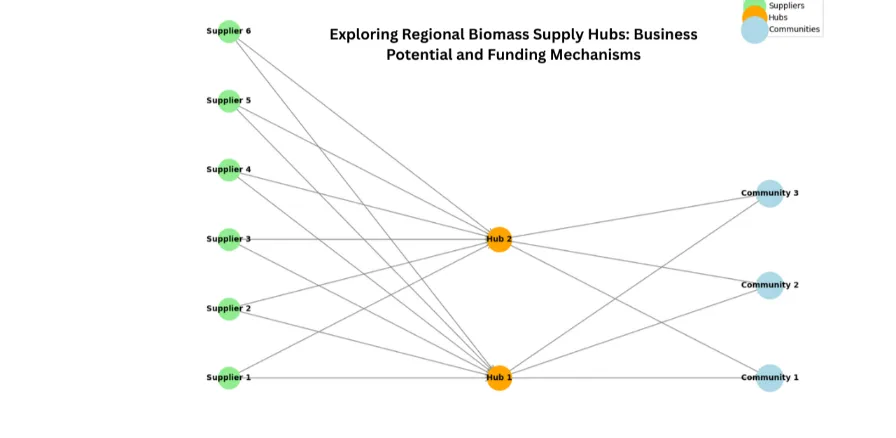
An abstract diagram showing a supply chain with icons representing biomass suppliers, a central hub, and a remote community. The arrows indicate the flow of biomass from suppliers to the hub and then to the community, symbolizing a coordinated network.

Exploring Regional Biomass Supply Hubs: Business Potential and Funding Mechanisms

Regional Biomass Supply Hubs: Business Potential & Funding Strategies

Biomass is becoming a key renewable energy source that can reduce reliance on fossil fuels and cut environmental impacts. While biomass use is common in rural areas, remote communities face unique challenges in adopting it. These include scattered suppliers, high transportation costs, and small-scale energy demand.

Financial benefits of the Biomass hubs in 2025 and Beyond

Market prices for bioenergy products (biofuel, biochar, electricity) have the largest impact on project profitability. For instance, biochar production had a mean NPV of $41.5 million, but profitability dropped sharply with price volatility (Campbell et al., 2018). This growth is driven by increasing environmental concerns, supportive government policies like subsidies and tax incentives, and the push for a circular economy that utilizes waste for energy. Biomass is seen as a way to provide dispatchable, reliable power and reduce greenhouse gas emissions, and is also being used in combined heat and power (CHP) systems and for co-firing with coal to reduce carbon footprints. While challenges like inconsistent feedstock supply and technological limitations exist, continuous innovation and a focus on sustainable sourcing are expected to propel the market forward, with a strong concentration and growth potential in North America, Europe, and especially the Asia-Pacific region.

The solution lies in regional biomass supply hubs. With better coordination, supply chains can be more efficient, cost-effective, and sustainable.

The Anatomy of a Biomass Supply Chain

A biomass supply chain typically has three main layers:

The Anatomy of a Biomass Supply Chain

The anatomy of a biomass supply chain is typically a three-echelon channel. The first echelon consists of biomass suppliers who are responsible for collecting and harvesting the biomass and then selling it to hubs. Their goal is to maximize their profit by determining the selling price of the biomass. The second echelon is made up of hubs, which coordinate the supply and demand sides of the chain, purchasing biomass from suppliers and selling it to energy conversion facilities. Finally, the third echelon includes the energy conversion facilities, which convert the biomass into energy, such as heat and electricity, for end users. These facilities aim to minimize the cost of energy production when deciding how much biomass to purchase and convert.

  1. Suppliers – Farmers, loggers, and other suppliers harvest and sell biomass.
  2. Hubs – Supply hubs play a crucial role by storing, managing, and linking suppliers with buyers.
  3. Energy Converters (Communities) – Facilities or communities that convert biomass into heat and electricity.

Each layer has its own costs, risks, and benefits. But when they work together strategically, the system becomes more efficient and reliable.

Why Strategic Coordination Matters

Without coordination, biomass projects in remote areas struggle with high costs and supply issues. Research shows that a game-theory approach (the Stackelberg model) helps explain how different players—suppliers, hubs, and communities can cooperate.

Three leadership scenarios exist:

  • Suppliers lead the chain
  • Hubs lead the chain
  • Communities lead the chain

In each case, the leader benefits most because they make decisions first. Two strategies make coordination possible:

  • Quantity Discounts – Encourages bulk buying, lowering per-unit costs.
  • Side Payments – Financial incentives from leaders to followers to keep cooperation stable.

Case Study: Lessons from Northern Canada

Remote communities in Northern Canada (Kangigsujuaq, Salluit, and Ivujivik) rely heavily on diesel. Since local biomass is unavailable, they must import pellets.

Based on the provided case study, remote communities in Northern Canada, such as Kangigsujuaq, Salluit, and Ivujivik, face the unique challenge of relying on imported diesel for energy due to the local unavailability of biomass. This dependency highlights the need for a coordinated biomass supply chain, even when the primary feedstock must be shipped from elsewhere. The study’s key finding is that while coordination and shared leadership benefit all participants in the supply chain, the most effective outcomes are achieved when the local communities themselves take the lead. This community-centric approach is crucial for successfully managing the logistics and economic viability of importing biomass pellets, ensuring the supply chain meets their specific needs and ultimately leads to better results.

Community-Led Supply Chains: Unlocking Business Potential

When communities act as leaders in the biomass supply chain, the outcomes are most cost-effective and sustainable.

Key benefits include:

  • Lower Costs: Communities secure biomass at the cheapest rates, cutting energy costs.
  • More Renewable Energy: Biomass becomes more competitive, increasing its share in the local energy mix.
  • Stable Cooperation: Communities can provide side payments to hubs and suppliers, ensuring reliable long-term partnerships.

This leadership model creates the strongest business case for renewable energy projects in remote regions.

Funding Strategies for Biomass Hubs

To make biomass projects financially viable, communities can explore:

  • Government Grants & Subsidies – Many countries offer renewable energy funding.
  • Public-Private Partnerships – Shared investment reduces risks and builds stronger networks.
  • Community Investment Models – Local ownership ensures commitment and long-term success.
  • Carbon Credits & Green Financing – Additional revenue streams from sustainable practices.

Latest Funding Strategies and Financial Performance

Recent research highlights several effective funding strategies for biomass hubs:

  • Bank Loans: Case studies show bank loans as a highly profitable funding option. For example, a 2024 Indonesian biomass project using bank loans achieved an NPV of Rp 8.5 billion, an IRR of 31%, and a payback period of 4 years, offering benefits like risk diversification, tax advantages, and quick fund disbursement .
  • Green Finance: Green finance (GF) is increasingly accessible and supports sustainable innovation, but barriers remain, such as policy uncertainty, limited financial supplier involvement, and short-term financial instruments. Long-term, stable policy frameworks are essential to reduce perceived risks for investors 120.
  • Public-Private Partnerships (PPP): In China, PPP models attract social capital, broaden financing methods, and diversify investment sources, but project profitability often depends on strong policy support and market stability .
  • Government Grants and EU Funds: In the EU, regional and structural funds have covered 15–85% of project costs, with nearly half of projects receiving over 45% co-funding, enabling significant bioenergy infrastructure development .

Opportunity Websites and Resources

  • EU Funding & Tenders Portalhttps://ec.europa.eu/info/funding-tenders/opportunities/portal/
  • Green Finance Platforms: Many countries have national green finance initiatives (e.g., Italy’s Green Economy on Capital Markets ).
  • Development Banks: World Bank, Asian Development Bank, and regional banks offer biomass project funding.
  • Local Government and PPP Platforms: Country-specific portals for PPP opportunities (e.g., China PPP Center).

Conclusion: The Future of Biomass in Remote Communities

Establishing regional biomass supply hubs is not just about logistics—it’s a strategic move for cost savings, energy security, and environmental sustainability.

By taking the lead, communities can build strong, efficient, and financially stable biomass supply chains. With the right funding strategies, this approach unlocks both business potential and long-term clean energy benefits, moving remote regions closer to a sustainable future.

Citations

Campbell, R., Anderson, N., Daugaard, D., & Naughton, H. (2018). Financial viability of biofuel and biochar production from forest biomass in the face of market price volatility and uncertainty. Applied Energyhttps://doi.org/10.1016/J.APENERGY.2018.08.085.

Building Investor Confidence & De-risking Capital Investment in Advanced Biofuel Value Chains

Exploring Regional Biomass Supply Hubs: Business Potential and Funding Mechanisms Read More »

A bright yellow, illuminated lightbulb floating above a row of six dark, unlit lightbulbs on a black background. Overlaying text asks: "BIOMETHANOL AND ETHANOL: WHICH RENEWABLE FUEL HOLDS THE KEY TO OUR FUTURE."

Biomethanol And Ethanol: Which Renewable Fuel Holds The Key To Our Future

Biomethanol And Ethanol: Which Renewable Fuel Holds

As the world moves away from fossil fuels, we need to find out which renewable fuels can truly offer a cleaner and more sustainable future. Biomethanol and ethanol are two of the main candidates often compared for their potential to reduce emissions in transport and power industries, while also helping countries achieve climate goals. So, which of these biofuels is better suited to lead us toward a low-carbon future? In this guide, we will look into the science, sustainability, economics, and real-world impacts of biomethanol and ethanol. This will help you understand which fuel could be vital for our energy transition.

What Are Biomethanol and Ethanol?

Biomethanol
Biomethanol is a renewable type of methanol made from biomass, including agricultural waste, municipal solid waste, or captured carbon dioxide. Unlike traditional methanol, which comes from natural gas, biomethanol offers a sustainable and low-carbon option that can be used as fuel, a hydrogen carrier, and a chemical feedstock.

Ethanol
Ethanol is an alcohol fuel mainly produced from plant materials like corn, sugarcane, and cellulosic materials. It is widely used as a gasoline additive or substitute, especially in the United States and Brazil. Ethanol is also a key part of many national renewable fuel plans.

Environmental Impact: Which Is Greener?

Biomethanol

  • Greenhouse Gas Reduction: Biomethanol can cut greenhouse gas emissions by up to 90% compared to fossil-derived methanol.
  • Feedstock Flexibility: It can be made from non-food biomass and waste, which helps avoid land-use changes and food security issues.
  • Carbon Circularity: Advanced facilities are using carbon capture and utilization to make biomethanol with nearly zero carbon emissions.

Ethanol

  • Lower Carbon Footprint: Ethanol has a much lower carbon footprint than gasoline and produces fewer pollutants when burned.
  • Food vs. Fuel Debate: Most ethanol comes from food crops, which raises concerns about diverting resources from food production and increasing food prices.
  • Land and Water Use: Ethanol production needs a lot of arable land and water, which can strain resources and affect biodiversity.

Verdict: Biomethanol generally provides better environmental benefits, especially when made from waste or non-food biomass, leading to lower emissions and less resource competition.

Production and Feedstock: Circularity vs. Competition

Biomethanol

  • Feedstock: Uses agricultural residues, forestry waste, municipal solid waste, and captured CO₂, supporting a circular economy.
  • Technology: Produced through gasification and fermentation, with ongoing improvements in efficiency and carbon capture methods.
  • Scalability: Supply chains for feedstocks and conversion technologies are still being developed, but there’s strong potential for large-scale, sustainable production, particularly in areas with plenty of waste biomass.

Ethanol

  • Feedstock: Mainly produced from food crops (corn, sugarcane), with some growth in cellulosic ethanol using crop residues and grasses.
  • Technology: Established fermentation processes, but they are energy-intensive and sometimes use fossil fuels for processing.
  • Scalability: Well-established in major markets, but growth is limited by land, water, and food security issues.

Verdict: Biomethanol’s use of waste and non-food feedstocks gives it an advantage in sustainability and scalability, while ethanol’s production methods are more established and widespread.

Energy Efficiency and Performance

Biomethanol

  • Energy Density: Higher than ethanol but lower than gasoline, making it a good choice for blending and direct use in modified engines.
  • Combustion: Provides cleaner combustion and reduces emissions of NOx and particulates, which is better for both vehicles and stationary power.
  • Infrastructure: Can be mixed with gasoline or used in methanol fuel cells and is compatible with existing storage and distribution systems.

Ethanol

  • Energy Density: Lower than both gasoline and methanol, which may reduce vehicle range unless engines are adjusted for ethanol.
  • Combustion: Burns cleaner than gasoline but can increase evaporative emissions; engine compatibility may be a challenge for higher blends.
  • Infrastructure: Commonly used as a gasoline additive (E10, E85), but high blends need engine modifications and specialized infrastructure.

Verdict: Biomethanol has a slight edge in energy density and flexibility, especially for next-generation engines and fuel cells.

Economic Factors: Cost, Investment, and Market Growth

Biomethanol

  • Cost-Competitive: As technology improves and waste feedstock supply chains develop, biomethanol is becoming more cost-competitive with fossil fuels and other renewables.
  • Market Growth: The global biomethanol market is expected to hit $9 billion by 2030, growing at a rate of 7% from 2023 to 2030.
  • Investment: Attracting significant investments, particularly in Europe and Asia-Pacific, where policies support low-carbon fuels and rapidly growing infrastructure.

Ethanol

  • Established Markets: Ethanol is already a multi-billion-dollar industry, especially in the US and Brazil.
  • Subsidies and Mandates: Its growth has been driven by government mandates and subsidies, but the sector faces more scrutiny over sustainability and resource use.
  • Price Volatility: Ethanol prices can fluctuate due to crop yields, weather changes, and commodity markets, leading to price uncertainty.

Verdict: Ethanol has the advantage of an established market, but biomethanol is quickly catching up as a scalable, sustainable, and economically viable alternative.

Applications: Where Do They Fit?

BAR CHART OF BIOMETHANOL ENERGY DENSITY

Biomethanol

  • Transportation: Used as a direct fuel, mixed with gasoline, or as a hydrogen carrier for fuel cell vehicles.
  • Industry: Serves as a feedstock for chemicals like formaldehyde and acetic acid, supporting greener manufacturing.
  • Power Generation: Used in methanol fuel cells for clean electricity production.
  • Marine and Aviation: Emerging as a low-carbon option for marine and aviation fuel, helping to decarbonize hard-to-reduce sectors.

Ethanol

  • Transportation: Commonly used as a gasoline additive or substitute, particularly in flex-fuel vehicles.
  • Industry: A feedstock for various chemicals, but less versatile compared to methanol derivatives.
  • Rural Development: Supports rural economies and creates jobs in agricultural areas.

Verdict: Biomethanol’s versatility across transport, industry, and power makes it a more adaptable option for the energy transition, while ethanol’s strength lies in established automotive markets.

Challenges and Limitations

Biomethanol

  • Feedstock Logistics: Large-scale production relies on reliable, sustainable supply chains, which are still not fully developed in many areas.
  • Conversion Technology: Ongoing research is needed to improve conversion efficiency and lower costs.
  • Policy Support: Needs strong policy frameworks and incentives to compete with established fossil fuels and ethanol subsidies.

Ethanol

  • Food vs. Fuel: Dependence on food crops raises ethical and economic issues, especially in regions facing food insecurity.
  • Land and Water Use: High resource needs can lead to deforestation, habitat loss, and water shortages.
  • Engine Compatibility: High ethanol blends can cause engine wear and require infrastructure upgrades.

Verdict: Both fuels face challenges, but biomethanol’s issues are more about technology and logistics, while ethanol’s are linked to resource conflict and environmental impact.

The Future Outlook: Which Fuel Holds the Key

Biomethanol
Driven by innovation, policy support, and the demand for truly sustainable fuels, biomethanol is set for rapid growth. Its ability to use waste feedstocks, cut greenhouse gas emissions by up to 90%, and fit into existing infrastructures makes it a strong candidate for the future of renewable energy. As more countries and companies invest in circular economy solutions, biomethanol’s role is expected to grow in transport, industry, and power generation.

Ethanol
Ethanol will continue to be an important part of the renewable fuel mix, especially in regions with established production and infrastructure. However, its long-term growth may be limited by resource challenges and sustainability issues. Advances in cellulosic ethanol and integration with other biofuels could improve its environmental profile, but competition for land and water will remain a concern.

Bar Chart of Biomethanol emissiions per Kg of Fuels

Conclusion: Biomethanol or Ethanol?

Both biomethanol and ethanol are crucial for the global energy transition, providing significant emissions reductions and supporting economic development. However, biomethanol’s adaptability, lower environmental impact, and fit with a circular economy make it a more promising option for a sustainable future. As technology improves and policies evolve, biomethanol is likely to become more central in decarbonizing transport, industry, and power—opening new pathways to a low-carbon world.

Related Reads on Biomethanol:

From Waste to Wonder: How Biomethanol Production is Transforming Agricultural Byproducts

Explore how agricultural waste is being turned into clean fuel through innovative biomethanol production.

The Biomethanol Advantage: How Small Businesses Are Cutting Emissions While Boosting Their Bottom Line

Discover how small businesses are saving money and going green with biomethanol solutions.

Biomethanol And Ethanol: Which Renewable Fuel Holds The Key To Our Future Read More »

Green agricultural fields under a dramatic cloudy sky with bold headline text reading “From Waste to Wonder: How Biomethanol Production Is Transforming Agricultural Byproducts” overlaid in the center of the image, representing sustainable biofuel production from farm residues.

From Waste To Wonder: How Biomethanol Production Is Transforming Agricultural Byproducts

Understanding Biomethanol Production and Its Importance

Biomethanol is a form of methanol made from renewable sources, mainly biomass like agricultural residues, forestry waste, and organic municipal waste. Unlike traditional methanol made from fossil fuels, biomethanol has a much lower carbon footprint, often reducing greenhouse gas emissions by up to 90%. It serves as a flexible fuel, a chemical source, and a hydrogen carrier, making it crucial for the shift toward sustainable energy.

Agricultural byproducts, including crop stalks, husks, straw, and other organic materials, are plentiful but often underused. Converting these materials into biomethanol not only adds value to waste but also addresses important environmental issues like waste management and carbon emissions.

The Challenge and Opportunity of Agricultural Byproducts

The Problem of Agricultural Waste

Globally, agriculture produces billions of tons of biomass waste every year. Traditionally, much of this waste has been open burned, creating serious air pollution and contributing to climate change. In many areas, poor disposal of agricultural byproducts harms soil health, contaminates water, and reduces biodiversity.

Unlocking Value from Waste

Biomethanol production provides a sustainable way to convert these residues into clean fuel and chemicals. This method supports circular economy ideas by minimizing waste and maximizing resource reuse.

How Biomethanol is Produced from Agricultural Byproducts

The process of creating biomethanol from agricultural waste typically includes these key steps:

1. Feedstock Collection and Preparation

Agricultural residues like corn stover, wheat straw, rice husks, and sugarcane bagasse are gathered and cleaned to remove impurities.

2. Gasification

BAR CHART OF ANNUAL BIOMETHANOL PRODUCTION (2015-2024)

The biomass is turned into synthesis gas (syngas), a mix of carbon monoxide (CO), hydrogen (H₂), and carbon dioxide (CO₂), through high-temperature gasification.

3. Methanol Synthesis

The syngas is chemically converted into methanol under controlled temperature and pressure.

4. Purification

The raw methanol is purified to meet fuel or chemical-grade standards.

This process can also be combined with carbon capture and utilization technologies to further cut emissions, increasing the sustainability of biomethanol production.

Environmental Benefits of Biomethanol from Agricultural Byproducts

Significant Carbon Emission Reductions

Using renewable feedstocks instead of fossil fuels, biomethanol production greatly lowers net carbon emissions. When agricultural residues are transformed into biomethanol rather than being burned or left to decay, methane and CO₂ emissions decrease.

Waste Management and Pollution Reduction

Turning agricultural waste into biomethanol helps eliminate open-field burning, a major source of air pollution in many regions. This results in better air quality and health benefits for the public.

Soil and Water Conservation

Using residues for biomethanol production can work alongside sustainable farming practices that keep soil healthy and prevent erosion, unlike excessive burning or removal of residues.

Economic and Social Impact on Rural Communities

Creating New Income Streams

Farmers and rural communities can earn money by selling agricultural byproducts that were once thrown away or burned. This extra source of income helps support livelihoods and rural development.

Job Creation and Local Industry Growth

Biomethanol production facilities boost local economies by creating jobs in areas like feedstock collection, processing, and plant operations. This encourages industry growth in rural areas.

Energy Access and Security

Biomethanol produced locally can improve energy access in rural areas, providing a reliable and cleaner fuel option for cooking, heating, and transportation.

Biomethanol Role in the Renewable Energy Landscape

Transportation Fuel

Biomethanol is a promising renewable fuel for vehicles and can be used directly or blended with gasoline. It offers high octane, cleaner combustion, and works with existing fuel infrastructure.

Marine and Aviation Fuel

The shipping and aviation industries are considering biomethanol as a low-carbon alternative to regular fuels, helping them meet strict emissions standards.

Chemical Industry Feedstock

Biomethanol acts as a renewable base material for making formaldehyde, acetic acid, and bio-based plastics, reducing dependence on petroleum-based chemicals.

Hydrogen Carrier

Biomethanol can efficiently store and transport hydrogen, supporting the growing hydrogen economy and helping to decarbonize hard-to-electrify sectors.

Technological Innovations Driving Biomethanol Production

New Gasification Technologies

Recent gasification methods boost conversion efficiency and allow for a wider variety of agricultural residues to be used.

Integration with Carbon Capture

Linking biomethanol production with carbon capture and utilization enhances sustainability by recycling CO₂ emissions.

Hybrid Production Pathways

Combining biomass gasification with green hydrogen (produced from renewable electricity) allows for “e-methanol” production, further lowering carbon footprints.

Global Examples of Biomethanol from Agricultural Byproducts

  • China: Leads large-scale biomethanol production from agricultural residues like corn stover and wheat straw, helping local economies and clean energy initiatives.
  • Europe: Projects are integrating biomethanol into transport fuel supply chains and chemical manufacturing, focusing on EU Green Deal targets.
  • Brazil: Uses sugarcane bagasse for biomethanol production, supporting its established bioethanol industry.

Challenges and Future Outlook

Feedstock Supply and Sustainability

Ensuring a steady and sustainable supply of agricultural residues without harming soil health is essential.

Economic Competitiveness

Scaling biomethanol production cost-effectively requires new technology and supportive policies.

Infrastructure and Market Development

Building distribution networks and demand for biomethanol fuels and chemicals is critical for broader adoption.

Conclusion: Waste to Wonder Biomethanol Transformative Potential

Biomethanol production from agricultural byproducts shows how innovation can turn environmental challenges into sustainable solutions. By turning waste into clean fuel and useful chemicals, biomethanol supports climate goals, rural development, and a circular economy.

As technology advances and policies come together, biomethanol is set to become a key part of the renewable energy landscape, proving that what was once waste can truly become something valuable.

The Biomethanol Advantage: How Small Businesses Are Cutting Emissions While Boosting Profits

Discover how small enterprises are leveraging biomethanol to save money and reduce emissions.

Why Major Investors Are Quietly Pouring Billions into Biomethanol

Explore why big money is flowing into the biomethanol industry and what it means for the future.

From Waste To Wonder: How Biomethanol Production Is Transforming Agricultural Byproducts Read More »

Wooden letter tiles spelling "APPLICATION" on rustic table illustrating biomethanol applications in daily life

15 Surprising Applications Of Biomethanol You Didn’t Know Were Changing Your Daily Life

15 Surprising Applications of Biomethanol You Didn’t Know Were Changing Your Daily Life

Biomethanol, or renewable methanol, is chemically the same as conventional methanol (CH3OH). However, it comes from renewable sources instead of fossil fuels. It is a light, colorless, and biodegradable liquid that has a low carbon footprint. It often cuts greenhouse gas emissions by up to 90% compared to fossil methanol.

Since it is a liquid at room temperature, biomethanol is easier to store and transport than gaseous fuels like hydrogen. This makes it a practical renewable energy carrier and chemical feedstock.

1. Renewable Fuel for Vehicles

Biomethanol can be used directly as a fuel or mixed with gasoline in internal combustion engines. Its high octane rating boosts engine performance and lowers emissions of pollutants such as NOx and particulate matter. It can also help produce biodiesel and other biofuels.

  • Reduces carbon emissions in transportation
  • Works with existing fuel systems
  • Supports sectors where electrification is difficult

2. Cleaner Marine Fuel

The shipping industry uses biomethanol as a low-emission marine fuel. Biomethanol cuts lifecycle CO₂ emissions by up to 95% compared to traditional marine fuels. It can also be used in dual-fuel engines, allowing ships to switch between methanol and conventional fuels.

  • Helps meet IMO and EU emissions goals
  • Easier to store and handle than hydrogen or ammonia
  • Being adopted by major shipping companies worldwide

3. Hydrogen Carrier and Storage Medium

Hydrogen fuels are vital for reducing emissions in many sectors, but they face challenges in storage and transport. Biomethanol serves as a liquid hydrogen carrier, chemically storing hydrogen and releasing it when necessary. This makes hydrogen distribution and use easier.

  • Solves hydrogen storage and transport issues
  • Enables clean hydrogen use in transportation and industry
  • Supports the developing hydrogen economy

4. Feedstock for Chemical Industry

Biomethanol is a key renewable feedstock for making chemicals like formaldehyde, acetic acid, methyl esters, and methylamines. These chemicals are critical in producing plastics, textiles, paints, adhesives, and pharmaceuticals.

  • Reduces reliance on fossil fuels in chemical production
  • Encourages greener manufacturing processes
  • Supports circular economy principles

5. Power Generation and Grid Balancing

Biomethanol is used as a renewable fuel in power plants and combined heat and power (CHP) systems. It provides flexible power to complement intermittent renewables like solar and wind, helping to stabilize the electricity grid.

  • Improves grid reliability
  • Aids renewable energy integration
  • Lowers emissions from power generation

6. Cooking and Heating Fuel

In many areas, biomethanol replaces traditional biomass fuels like wood or charcoal for cooking and heating. It burns cleanly, reducing indoor air pollution and the health risks that come with it.

  • Improves air quality and health outcomes
  • Provides sustainable household energy
  • Reduces deforestation and environmental harm

7. Solvent in Pharmaceuticals and Cosmetics

Biomethanol is used as a solvent in making pharmaceuticals, cosmetics, and personal care products. Its renewable origin lowers the environmental impact of these industries.

  • Supports green chemistry
  • Reduces reliance on petrochemical solvents
  • Enhances sustainability in consumer products

8. Antifreeze and Coolants

Methanol’s antifreeze qualities make biomethanol an eco-friendly alternative for automotive and industrial coolants. It helps prevent freezing and overheating in engines and machinery.

  • Offers biodegradable and less toxic antifreeze
  • Lowers environmental pollution
  • Encourages sustainable maintenance practices

9. Fuel Cells for Portable and Backup Power

Biomethanol powers direct methanol fuel cells (DMFCs), which generate electricity for portable electronics, remote sensors, and emergency backup systems. This offers a clean and efficient power source.

  • Enables off-grid and emergency power
  • Provides higher energy density than batteries in some instances
  • Supports renewable energy use in various applications

10. Agricultural Inputs

Biomethanol is a feedstock for creating bio-based fertilizers and pesticides. This contributes to sustainable agriculture by reducing dependence on fossil-based chemicals.

  • Lowers the environmental effects of farming inputs
  • Promotes a circular bioeconomy using agricultural waste
  • Improves soil health and crop yields sustainably

11. Aviation Fuel Additive

Research is looking into biomethanol as a component in sustainable aviation fuels (SAF). This aims to cut the carbon footprint of air travel by blending with conventional jet fuel.

  • Addresses emissions in hard-to-decarbonize aviation
  • Compatible with existing fuel systems
  • Helps achieve global aviation climate targets

12. Plastic and Polymer Production

Biomethanol is a building block for bio-based plastics and polymers, providing renewable alternatives to petroleum-based materials.

  • Lowers the plastic industry’s carbon footprint
  • Allows for biodegradable and recyclable plastics
  • Supports a circular materials economy

13. Renewable Dimethyl Ether (DME) Production

Biomethanol can be turned into dimethyl ether, a clean-burning fuel used for heating, transportation, and as an aerosol propellant.

  • Offers a versatile, low-emission fuel
  • Can replace diesel and LPG in many uses
  • Expands renewable fuel options

14. Wastewater Treatment

Biomethanol acts as a carbon source in biological wastewater treatment. It helps promote denitrification and reduces nitrogen pollution that leads to toxic algal blooms.

  • Improves water quality
  • Provides a renewable alternative to fossil methanol in treatment
  • Supports sustainable urban infrastructure

15. Laboratory and Industrial Research

Biomethanol is commonly used as a solvent and reagent in labs and industrial research. This enables sustainable scientific innovation.

  • Cuts the environmental impact of research
  • Encourages green chemistry principles
  • Aids in the development of renewable technologies
Bar Chart of 15 APPLICATIONS OF THE BIOMETHANOL AND THEIR DESCRIPTION

Biomethanol and Hydrogen Fuels: Partners in the Renewable Energy Shift

While biomethanol is a versatile liquid fuel and chemical feedstock, hydrogen fuels complement it by providing zero-emission energy for sectors that are hard to electrify. Biomethanol’s role as a hydrogen carrier connects current infrastructure with the upcoming hydrogen economy. This allows for cleaner transport, industry, and power generation.

Together, biomethanol and hydrogen fuels form a powerful pair speeding up the global transition to sustainable energy.

 GRAPH OF THE BIOMETHANOL OUTPUT 2025 FOR POWER AND ENERGY SECTOR

Why Biomethanol Deserves More Attention

Even with its many applications and environmental benefits, biomethanol is often less recognized than electric vehicles or hydrogen fuels. Its compatibility with existing infrastructure, significant emissions reductions, and various industrial uses make it a practical and scalable solution for cutting emissions.

As governments and industries work toward net-zero targets, biomethanol’s importance will only increase, making it a key element in the future of renewable energy.

Conclusion: Biomethanol Is Already Changing Your Life

From powering vehicles and ships to enabling cleaner manufacturing and enhancing household energy, biomethanol is deeply woven into modern life. Along with hydrogen fuels, it plays an important role in the sustainable energy transition, offering real solutions across different sectors.

Recognizing these 15 surprising applications shows biomethanol’s true potential and highlights the need to support its development and use worldwide.

The Biomethanol Advantage: How Small Businesses Are Cutting Emissions While Boosting Profits

Discover how small enterprises are leveraging biomethanol to save money and reduce emissions.

Why Major Investors Are Quietly Pouring Billions into Biomethanol

Explore why big money is flowing into the biomethanol industry and what it means for the future.

15 Surprising Applications Of Biomethanol You Didn’t Know Were Changing Your Daily Life Read More »

Aerial view of a golden-yellow agricultural field with parallel crop rows and overlaid text reading “The Science Behind Biomethanol – How It’s Made and Why It Matters,” symbolizing sustainable fuel derived from biomass crops.

The Science Behind Biomethanol: How It Made And Why Its Matter

The Science Behind Biomethanol: How It Made And Why It Matters

Biomethanol is methanol made from renewable biomass sources instead of fossil fuels. Methanol itself is a simple alcohol (CH3OH) often used as a chemical feedstock, solvent, and more recently, as a transportation fuel. When produced from biomass, methanol becomes biomethanol, a sustainable liquid fuel that can greatly lower carbon emissions compared to traditional fossil fuels.

Unlike fossil methanol, which typically comes from natural gas or coal, biomethanol is made from organic waste, agricultural byproducts, wood, and other renewable resources. This renewable origin gives biomethanol a much smaller carbon footprint, making it important for reducing carbon emissions in shipping, road transport, and chemical manufacturing.

Why Biomethanol Matters

  1. Climate Benefits
    Biomethanol can cut lifetime greenhouse gas emissions by up to 60-95% compared to fossil fuels, depending on feedstock and production methods. This makes it a useful tool for meeting international climate goals like the IMO’s 2050 target to halve shipping emissions and the EU’s Fit for 55 initiative.
  2. Versatile Fuel
    Biomethanol is a liquid at room temperature, which makes it easier to store, transport, and use than gaseous fuels like hydrogen or ammonia. It can be employed in existing or modified internal combustion engines and fuel cells, providing flexibility in operations.
  3. Circular Economy
    By using waste products such as agricultural residues, manure, and food waste, producing biomethanol encourages better waste management and creates value from materials that would otherwise decompose and emit methane, a strong greenhouse gas.
  4. Energy Security
    Biomethanol can be made locally from plentiful biomass resources, decreasing reliance on imported fossil fuels and improving energy security for many countries.

How Is Biomethanol Made? The Production Science

Making biomethanol involves turning biomass into a synthesis gas (syngas) mixture, which is then converted into methanol through catalysis. The main production methods are:

1. Biomass Gasification

Feedstock: Woody biomass, agricultural residues, municipal solid waste, and other plant materials.

Process: Biomass is heated at high temperatures (700-1000°C) in a low-oxygen environment to create syngas—a blend of carbon monoxide (CO), hydrogen (H2), and carbon dioxide (CO2).

Methanol Synthesis: The syngas is cleaned and introduced into a catalytic reactor where CO and H2 react under pressure to form methanol.

This thermochemical method is well-established and scalable, allowing for biomethanol production from various biomass sources.

2. Biogas Reforming

Feedstock: Biogas produced from the anaerobic digestion of manure, food waste, sewage sludge, and agricultural waste.

Process: Biogas (mainly methane and CO2) is purified and reformed (via steam reforming or partial oxidation) to produce syngas.

Methanol Synthesis: Similar catalytic conversion of syngas to methanol occurs next.

This method uses organic waste streams, enhancing waste management and cutting methane emissions from decomposition.

3. Hybrid Processes

Emerging technologies combine hydrogen (created through renewable electrolysis) with biogenic CO2 or syngas to produce biomethanol. This method can increase methanol yields and further decrease carbon footprints by utilizing green hydrogen.

Feedstocks for Biomethanol Production

The choice of feedstock is crucial for sustainability and economics. Common feedstocks include:

  • Woody Biomass: Forestry leftovers, wood chips, and sawdust.
  • Agricultural Waste: Straw, husks, corn stover.
  • Organic Waste: Food waste, manure, sewage sludge.
  • Municipal Solid Waste: Biogenic fractions suitable for gasification.
  • Recycled Carbon: CO2 captured from industrial processes mixed with renewable hydrogen.

Using waste and residues avoids competition with food production and supports circular bioeconomy principles.

Technological Advances Improving Biomethanol Production

Recent improvements boost efficiency and output:

  • Gasification Improvements: Advanced gasifiers that better remove tar and clean syngas.
  • Catalyst Development: More durable catalysts that raise methanol yield and lower energy use.
  • Hybrid Systems: The inclusion of renewable hydrogen enhances carbon utilization.
  • Process Integration: Combining gasification, reforming, and methanol synthesis in optimized plants.

These improvements are making biomethanol production more affordable and scalable.

Environmental and Economic Benefits

Lifecycle Emissions Reduction

Biomethanol’s lifecycle emissions can be 60-95% lower than fossil methanol, based on feedstock and technology. By diverting waste from landfills and preventing methane emissions, it provides extra climate benefits.

Bar chart of BIOMETHANOL VS other fuels Life cycle of GHG Emissions

Waste Management

Making biomethanol from organic waste streams cuts down on landfill use and related environmental issues like groundwater contamination and methane leakage.

Economic Opportunities

Biomethanol production creates jobs in rural areas, supports agricultural sectors, and encourages new industries focused on waste recovery.

Biomethanol in the Energy Transition

Shipping Fuel

Biomethanol is becoming popular as a marine fuel due to its low emissions and compatibility with dual-fuel engines. Major shipping companies are investing in methanol-powered vessels, backed by growing bunkering infrastructure.

Road Transport

When mixed with gasoline or used in dedicated engines, biomethanol can lower emissions in light and heavy-duty vehicles.

Chemical Industry

Biomethanol serves as a renewable feedstock to produce chemicals, plastics, and synthetic fuels, aiding the decarbonization of industrial sectors.

Challenges and Future Outlook

Feedstock Availability and Logistics

Large-scale biomethanol production requires sustainable biomass supply chains and efficient logistics to gather and process diverse feedstocks.

Cost Competitiveness

While costs are falling, biomethanol is still pricier than fossil fuels. Policy incentives, carbon pricing, and technological advancements will be essential for improving competitiveness.

Regulatory Support

Clear certification frameworks and supportive policies are necessary to encourage biomethanol use and maintain sustainability standards.

Conclusion

Biomethanol stands as a scientifically solid, environmentally sustainable, and economically promising fuel for a low-carbon future. By transforming renewable biomass and waste into a versatile liquid fuel, biomethanol tackles climate change, waste management, and energy security issues all at once. As technology improves and markets expand, biomethanol’s importance in the global energy transition will only grow, making it a crucial part of the clean energy puzzle.

Blog Links

Explore More on Biofuels & Climate Initiatives

The Science Behind Biomethanol: How It Made And Why Its Matter Read More »

Text graphic reading "Beyond Fossil Feedstock: Biomethanol's Role in Decarbonizing Chemistry" in bold, dark green font with a horizontal line underneath.

Beyond Fossil Feedstock Biomethaol Crucile Role In Decarbonizing The Chemical Industry

Beyond Fossil Feedstock Biomethaol Crucile Role In Decarbonizing The Chemical Industry

As the global chemical industry faces mounting pressure to reduce carbon emissions and transition from fossil fuels, biomethanol has emerged as a game changing solution. Derived from renewable feedstocks such as organic waste and agricultural residues, biomethanol offers a sustainable, low-carbon alternative to traditional fossil-based methanol. This shift not only supports the circular economy but also addresses critical issues like land use and food security, positioning biomethanol as a cornerstone in the decarbonization of the chemical sector.

In this comprehensive blog, we explore the production processes, environmental benefits, industrial applications, and future outlook of biomethanol, highlighting why it is indispensable for a sustainable chemical industry.

Production Techniques

Biomass Gasification and Syngas Conversion
One of the most advanced routes to produce biomethanol is through gasification of biomass or organic waste. This process converts solid biomass into synthesis gas (syngas), a mixture of carbon monoxide, hydrogen, and carbon dioxide. The syngas is then catalytically converted into high purity biomethanol using advanced methanol synthesis technology.

Johnson Matthey, a leader in this field, has developed a robust biomass-to-methanol process that maximizes conversion efficiency and tolerates impurities present in biomass-derived syngas. Their technology can also integrate green hydrogen to boost biomethanol yields and further reduce carbon intensity.

Integration with Pulp Mills and Waste Streams
Another promising production model involves integrating biomethanol synthesis with existing industrial processes. For example, Veolia’s biorefinery in Finland produces CO₂ neutral biomethanol by refining crude sulfate methanol derived from pulp production. This approach leverages the large availability of biomass residues in pulp mills and could be replicated globally, unlocking millions of tons of sustainable feedstock.

Emerging Technologies: Direct CO₂ Hydrogenation
Innovative methods are being explored to produce biomethanol by directly hydrogenating CO₂ with green hydrogen. While currently less cost-competitive than steam reforming, this approach holds promise for decentralized, small scale production facilities, especially when paired with cheap renewable electricity.

How Beyond Fossil Feedstock Biomethaol Crucile Role is Vital for the Chemical Industry

1. Significant Carbon Emission Reductions
Biomethanol production from waste biomass or biogas can drastically cut greenhouse gas emissions compared to fossil methanol. Using renewable feedstocks ensures that the carbon released during methanol use is balanced by the carbon absorbed during biomass growth, achieving near carbon neutrality.

Bar chart of Biomethanaol vs fossil methanol emission reduction

2. Supports Circular Economy and Waste Valorization
By converting organic waste streams such as municipal solid waste, agricultural residues, and industrial by products into valuable methanol, biomethanol production reduces landfill use and methane emissions from waste decomposition. This closes material loops and promotes sustainable resource use.

3. Enables Decarbonization
Methanol is a key feedstock for chemicals and an emerging fuel for sectors difficult to electrify, including maritime shipping and aviation. Biomethanol as a marine fuel can reduce shipping emissions substantially, while its derivatives serve as building blocks for biofuels like SAF, aiding the decarbonization of air transport.

4. Enhances Energy Security
Local biomethanol production reduces dependency on fossil fuel imports and volatile global markets. Industrial symbiosis models, such as pulp mill integration, enable regional economies to leverage existing biomass resources for sustainable chemical feedstock production.

Industrial Applications

  • Chemical Feedstock: Biomethanol is used to manufacture formaldehyde, acetic acid, olefins, and other intermediates essential for producing plastics, paints, adhesives, and textiles.
  • Fuel and Fuel Additive: It serves as a clean burning fuel in internal combustion engines, a marine fuel alternative, and a precursor for biofuels such as biodiesel and methanol to gasoline (MTG).
  • Energy Carrier: Biomethanol can store and transport renewable energy, especially when produced via power-to-X routes combining green hydrogen and CO₂.

Challenges in Biomethanol Adoption

Feedstock Availability and Quality
Scaling biomethanol production depends on a consistent supply of sustainable biomass feedstock. Variability in feedstock composition and availability can affect process efficiency and economics.

Cost Competitiveness
Currently, biomethanol production is more expensive than fossil-based methanol due to feedstock costs and technological maturity. However, innovations like chemical looping gasification and membrane reactors (e.g., the EU-funded BioMeGaFuel project) aim to reduce costs and improve scalability.

Technological Maturity
While gasification and steam reforming technologies are well-established, emerging routes such as direct CO₂ hydrogenation require further development to achieve industrial scale and cost-effectiveness.

Graphical representation of BIOMETHANOL Production cost vs plants production

The Future of Biomethanol in a Sustainable Chemical Industry

The transition to biomethanol is accelerating, driven by stringent environmental regulations, corporate sustainability commitments, and technological breakthroughs. Collaborative efforts between industry leaders, research institutions, and policymakers are crucial to:

  • Expand biomass supply chains and optimize feedstock logistics.
  • Scale up innovative production technologies that reduce costs and increase efficiency.
  • Develop integrated biorefineries combining biomethanol with green hydrogen and carbon capture.
  • Foster market demand through incentives, carbon pricing, and green procurement policies.

The blend of biomethanol and e-methanol (produced from renewable electricity and CO₂) will likely form the backbone of a defossilized methanol supply chain, enabling the chemical industry to meet ambitious climate targets.

Conclusion

Biomethanol stands at the forefront of the chemical industry’s decarbonization journey. Its ability to transform waste biomass into a versatile, low-carbon feedstock and fuel underscores its pivotal role in achieving a sustainable, circular economy. As production technologies mature and costs decline, biomethanol will become indispensable for reducing greenhouse gas emissions across chemicals, fuels, and hard-to-abate sectors such as shipping and aviation.

Transitioning beyond fossil feedstocks to biomethanol is not just an environmental imperative it is a strategic opportunity to innovate, create resilient supply chains, and lead the chemical industry into a greener future.

ALSO CHECKOUT

Beyond Fossil Feedstock Biomethaol Crucile Role In Decarbonizing The Chemical Industry Read More »

Untitled (72)

How Biofuels are Made From Algae

Microalgae have emerged as a promising renewable biofuel resource due to their remarkable oil content ranging from 20% to 80% of dry weight biomass, rapid growth rates, and minimal land requirements. Significant advancements in cultivation technologies, harvesting methodologies, and genetic engineering have substantially improved the commercial viability of algae-based biofuels over the past decade. This comprehensive analysis examines the current state of microalgae biofuel production, recent technological innovations, economic considerations, and environmental implications as of 2025.

Table of content

  1. Introduction
    • Overview of Microalgae
    • Advantages Over Traditional Biofuel Crops
  2. Current Potential for Use as a Biofuel
    • Biochemical Composition of Microalgae
    • Conversion Pathways for Bioenergy Production
    • Integrated Biorefinery Approaches
  3. Genetic and Metabolic Optimization of Microalgae
    • Growth Characteristics of Microalgae
    • Genetic Engineering Advances
    • Metabolic Pathway Optimizations
  4. Cultivation Systems and Biomass Processing Technologies
    • Cultivation Systems: Open Ponds vs. Photobioreactors
    • Environmental Requirements for Optimal Growth
    • Harvesting Technologies
  5. Biomass Productivity and Lipid Yield Optimization
    • Biomass Productivity Comparisons
    • Lipid Content Variability and Optimization
  6. Challenges
    • Contamination and Culture Stability
    • Economic Considerations and Cost Reduction Strategies
  7. Economic Feasibility
    • Historical and Current Cost Estimates
    • Break-Even Analysis with Petroleum Prices
  8. Environmental and Sustainabie Development
    • Carbon Capture and Utilization
    • Wastewater Treatment Applications
    • Lifecycle Sustainability Assessments
  9. Summary
    • Future Prospects for Algal Biofuels
    • Integration into Sustainable Energy Systems

How Biofuels are Made From Algae

Algae constitute a diverse group of photosynthetic organisms that inhabit aquatic environments and utilize light and carbon dioxide (CO₂) to generate biomass through photosynthesis. These organisms are taxonomically classified into two primary categories: macroalgae and microalgae. Macroalgae, commonly known as seaweed, are multicellular organisms measuring several inches in length, with some species such as giant kelp reaching lengths exceeding 30 meters. Conversely, microalgae are unicellular organisms measured in micrometers that typically grow suspended in aqueous environments.

Microalgae exhibit remarkably rapid growth rates, with doubling times often under 24 hours and as short as 3.5 hours during optimal conditions. This rapid growth is attributed to their photosynthetic efficiency and ability to utilize sunlight effectively. Such growth rates make them highly suitable for large-scale biofuel production, as they can quickly generate the biomass needed for fuel conversion (Yu et al., 2024) (Phillip & Goyal, 2024) (Fatima et al., 2024).

The cultivation of microalgae presents several distinct advantages over traditional biofuel feedstocks. Microalgal production systems can operate on non-arable land, utilize non-potable water sources including saline and wastewater, and demonstrate significantly higher photosynthetic efficiency and biomass productivity per unit area. These characteristics collectively position microalgae as an exceptionally promising feedstock for sustainable biofuel production in our increasingly carbon-conscious global economy.

Biofuel Production Process

Microalgae Biofuel Production Process

1
Cultivation
Photoautotrophic growth in ponds or photobioreactors
2
Harvesting
Flocculation, centrifugation or filtration methods
3
Dewatering
Removing excess water to concentrate biomass
4
Lipid Extraction
Solvent, mechanical or supercritical techniques
5
Conversion
Transesterification to biodiesel or other fuels
Modern integrated systems achieve 80-90% water recycling and 60-70% energy recovery throughout this process

Current Potential for Use as a Biofuel

Genetic modifications have been employed to enhance TAG production in microalgae. Overexpression of enzymes like diacylglycerol acyltransferase (DGAT) and lysophosphatidic acid acyltransferase (LPAAT) has successfully increased TAG content. These modifications not only boost lipid yield but also tailor fatty acid composition for optimal biodiesel properties (Malcata, 2022)

Beyond biodiesel production, contemporary research has expanded the bioenergy applications of microalgae significantly. Advanced bioprocessing techniques have enabled the efficient conversion of algal biomass into various energy carriers. Under specialized cultivation conditions, certain algal species demonstrate enhanced hydrogen gas production capabilities. Thermochemical conversion pathways, including pyrolysis and hydrothermal liquefaction, have been optimized to transform algal biomass into bio-crude oil with improved energy density and reduced oxygen content compared to earlier processes. Additionally, anaerobic digestion of algal biomass generates methane-rich biogas suitable for electricity generation and heating applications.

By 2025, integrated biorefinery approaches have become the predominant operational model, wherein algal biomass undergoes fractionation to simultaneously produce multiple value-added products including biofuels, biochemicals, nutraceuticals, and agricultural inputs. This holistic utilization strategy has substantially improved the economic feasibility of algae-based biofuel production systems.

Genetic and Metabolic Optimization of Microalgae

Microalgae exhibit exceptional growth characteristics compared to conventional terrestrial energy crops. While seasonal terrestrial crops typically contain maximum oil concentrations of approximately 5% by dry weight, microalgae routinely achieve oil contents between 20% and 50%, with select strains reaching up to 80% under optimized conditions. The extraordinary growth rate of microalgae further distinguishes them from conventional crops, with typical population doubling times of 24 hours and as rapid as 3.5 hours during optimal growth phases.

Genetic engineering advancements since 2020 have enabled the development of enhanced microalgal strains with optimized traits for biofuel production. CRISPR-Cas9 and other advanced gene-editing technologies have facilitated precise modifications to metabolic pathways, resulting in strains with substantially increased lipid accumulation, improved photosynthetic efficiency, enhanced carbon dioxide fixation capabilities, and greater tolerance to cultivation stressors including temperature fluctuations and high salinity.

Microalgae Biofuel Tables

Lipid Content of Microalgae Species

Microalgae Species Lipid Content (% dry weight)
Chlorella sp. 20–30
Chaetoceros muelleri 39
Chlorella emersonii 32
Isochrysis galbana 30
Ankistrodesmus falcatus 20–50
Phaeodactylum tricornutum 20–60
Botryococcus braunii 25–75
Dunaliella salina 20–60
Note: Values represent percentage of dry weight biomass

Comparative Oil Yields of Crops and Microalgae

Crop Type Oil Yield (L/ha/year) Oil Yield (US gal/acre/year)
Soybean 446 48
Sunflower 952 102
Rapeseed (Canola) 1,190 127
Oil Palm 5,950 635
Microalgae (low estimate) 56,000 6,000
Microalgae (high estimate) 140,000 15,000
Note: 1 hectare = 2.471 acres; 1 liter = 0.264 US gallons

Metabolic engineering approaches have successfully redirected carbon flux toward lipid biosynthesis while minimizing energy expenditure on non-essential cellular processes. These genetic optimizations have resulted in commercially deployed strains that maintain high growth rates while simultaneously accumulating significantly elevated lipid concentrations, addressing a fundamental challenge that previously limited commercial viability.

Oil Yield Comparison: Scatter Plot

Oil Yield Comparison: Microalgae vs Traditional Crops

Traditional Crops
Microalgae
Oil Yield (L/ha/year)
Crop Type
5,000
10,000
15,000
20,000
Soybean
Canola
Oil Palm
Microalgae
446
764
1,190
5K-20K
Microalgae can produce 10-20x more oil per hectare than the best terrestrial oil crops

Cultivation Systems and Biomass Processing Technologies

Most microalgae employ photoautotrophic metabolism, requiring light and carbon dioxide as primary energy and carbon sources. However, certain species demonstrate heterotrophic or mixotrophic capabilities, enabling growth in darkness using organic carbon substrates such as glucose or acetate. Despite the higher biomass densities achievable through heterotrophic cultivation, the substantial costs associated with organic carbon substrates generally render this approach economically impractical for biofuel applications. Consequently, commercial algal biofuel production systems predominantly utilize photoautotrophic cultivation methodologies that leverage sunlight as a cost-free energy source.

Photoautotrophic microalgae cultivation requires several fundamental inputs: light, carbon dioxide, water, and inorganic nutrients. Optimal growth temperatures typically range between 15°C and 30°C (59-86°F). The cultivation medium must supply essential inorganic elements including nitrogen, phosphorus, iron, and in certain cases, silicon (Ziganshina et al., 2023) . Continuous agitation of the culture is necessary to prevent biomass sedimentation, maximize light distribution throughout the culture, and enhance gas exchange at the medium-atmosphere interface. For more info

By 2025, several advanced cultivation systems have been optimized for commercial microalgae production, with suspension-based systems remaining dominant due to their operational scalability. The two predominant cultivation approaches are open pond systems and closed photobioreactors, each with distinct advantages and limitations for commercial biofuel production.

Open Pond Systems

Open pond systems represent the oldest and most straightforward approach to large-scale microalgae cultivation. These systems typically consist of shallow raceway ponds approximately 30 centimeters deep, wherein algae are cultivated under conditions resembling their natural environment. The raceway configuration incorporates a paddlewheel mechanism that generates circulation to ensure adequate mixing of algal cells and nutrients throughout the culture medium.

Modern raceway ponds utilize reinforced concrete construction or high-density polyethylene liners over earthen excavations to prevent groundwater contamination and medium seepage. Internal baffles strategically positioned within the flow channel optimize hydrodynamics and minimize dead zones.

  • The hydrodynamic performance of raceway ponds is crucial for maximizing algal growth. Studies have shown that an aspect ratio greater than 15 enhances flow velocity uniformity, which is beneficial for microalgae cultivation.
  • The placement of the paddlewheel significantly impacts efficiency. Positioning it in the middle of the pond length optimizes flow and minimizes dead zones, as demonstrated by computational fluid dynamics (CFD) simulations(KUMARI et al., 2024).

By 2025, advanced monitoring and control systems have been integrated into open pond operations, enabling real-time analysis of culture parameters including temperature, pH, dissolved oxygen, nutrient concentrations, and microbial community composition. Automated response systems maintain optimal growth conditions through regulated CO₂ injection, nutrient supplementation, and contamination management protocols.

While open pond systems benefit from lower capital and operational expenses compared to enclosed systems, they present several inherent limitations. Water loss through evaporation remains significant despite the implementation of surface films and other evaporation mitigation strategies. Carbon dioxide utilization efficiency remains suboptimal due to atmospheric gas exchange. Contamination by undesirable algal species, zooplankton grazers, and bacterial populations continues to present operational challenges. Furthermore, maintaining optimal cultivation conditions proves difficult in outdoor environments subject to diurnal and seasonal fluctuations.

Enclosed Photobioreactors

Enclosed photobioreactors (PBRs) have been developed to address the contamination and evaporation challenges inherent to open cultivation systems. These controlled-environment systems utilize transparent materials including high-clarity polymethyl methacrylate, polycarbonate, or specialized glass formulations, and are typically deployed outdoors to utilize natural illumination. Modern PBR designs prioritize maximizing the surface area-to-volume ratio to optimize light penetration throughout the culture.

Tubular photobioreactors represent the most widely deployed PBR configuration as of 2025. These systems consist of transparent tubes, typically less than 10 centimeters in diameter, oriented to maximize solar exposure. The culture medium circulates through these tubes, where photosynthesis occurs, and returns to a centralized reservoir. Highly turbulent flow regimes within the reactor, maintained through mechanical or airlift pumping systems, prevent biomass sedimentation and enhance gas exchange dynamics.

Advanced PBR designs now incorporate internal static mixers, optimized tube diameter gradients, and specialized surface texturing to further enhance light distribution and photosynthetic efficiency. Continuous harvesting approaches enable steady-state operation with consistent biomass productivity rather than batch cultivation cycles with variable productivity phases.

Photobioreactors offer several advantages over open systems. They effectively minimize contamination risk, virtually eliminate evaporative water loss, and significantly increase biomass productivity — achieving approximately 13 times greater productivity than conventional raceway systems under comparable conditions. Additionally, PBRs produce considerably more concentrated algal biomass, approximately 30 times the concentration of raceway cultures, substantially reducing harvesting costs.

However, PBR systems present distinct challenges despite these advantages. Their capital costs exceed those of open ponds substantially, and scaling operations introduces engineering complexities. Light limitation remains problematic as cell concentration increases, creating self-shading effects. Biofilm formation on interior surfaces can progressively diminish light transmission. Temperature management requires active cooling during daylight periods and potential heating during nocturnal hours. Oxygen accumulation necessitates regular degassing to prevent photorespiration and photooxidative damage .

 Diagram illustrating key challenges in algae cultivation systems, including light limitation, nutrient supply, contamination, water management, and production costs

Harvesting Technologies

Following cultivation in either open ponds or photobioreactors, microalgae biomass must be harvested and processed to extract lipids for biofuel production. By 2025, several advanced harvesting methodologies have been commercialized to improve efficiency and reduce operational costs.

Traditional gravity sedimentation remains applicable for larger microalgal species, but has been enhanced through the development of advanced flocculants including biodegradable polymers and magnetically-enhanced separation techniques. Centrifugation technologies have been optimized for energy efficiency through innovations in rotor design and process integration. Membrane filtration systems, including tangential flow filtration and forward osmosis, have emerged as energy-efficient alternatives for certain applications.

Following harvesting, lipid extraction from biomass is achieved through various methods. Conventional solvent extraction using hexane or other non-polar solvents remains common for large-scale operations (Arumugam et al .2015). However, emerging technologies including supercritical fluid extraction, pulsed electric field treatment, and enzyme-assisted extraction have demonstrated improved efficiency and reduced environmental impact. The extracted lipids subsequently undergo transesterification to produce biodiesel or hydroprocessing to yield renewable diesel and sustainable aviation fuels .

CLICK to check more related information

Biomass Productivity and Lipid Yield Optimization

Microalgae productivity varies substantially based on cultivation methodology, species selection, and environmental conditions. In contemporary open pond systems, typical productivity ranges from 15 to 30 grams of biomass (dry basis) per square meter of surface area daily, translating to approximately 22-44 metric tons of dry biomass per hectare annually. Under optimal conditions with specialized strains, exceptional open pond systems have demonstrated sustained productivity of up to 70 grams per square meter daily, equivalent to approximately 250 metric tons per hectare annually.

Enclosed photobioreactors consistently achieve significantly higher volumetric productivity, typically ranging from 2 to 5 grams per liter daily, corresponding to approximately 730-1,825 grams per liter annually. When considering areal productivity, advanced photobioreactor systems frequently achieve 40-80 grams per square meter daily, translating to approximately 146-292 metric tons per hectare annually.

Lipid content in microalgae varies considerably between species and in response to cultivation conditions. While baseline lipid content typically ranges from 20-50% of dry biomass, specialized strains and optimized cultivation strategies regularly achieve 60-75% lipid content on a dry weight basis. Combined with the exceptional biomass productivity of microalgal cultivation systems, this translates to theoretical oil yields substantially exceeding those achievable with conventional terrestrial oil crops. For comparative context, microalgae with 30% oil content cultivated in moderately productive open pond systems can produce approximately 10 times the oil yield per hectare of oil palm, which represents the highest-yielding conventional oil crop.

Challenges

Despite substantial advances in algal biofuel technology since the U.S. Department of Energy’s Aquatic Species Program (1980s-1990s), several persistent challenges have continued to limit large-scale commercial implementation. However, significant progress in addressing these limitations has been achieved by 2025.

Maintaining culture stability and preventing contamination remains challenging, particularly in open cultivation systems. Advanced monitoring approaches utilizing metagenomic analysis and artificial intelligence have improved early detection of contaminant organisms and predators. Innovative biological control strategies and selective growth conditions have enhanced culture stability without resorting to costly sterilization protocols.

Achieving consistently high lipid productivity continues to present challenges despite genetic engineering advances. The fundamental metabolic trade-off between rapid growth and lipid accumulation persists, though two-phase cultivation strategies have proven effective in maximizing overall productivity. Recent innovations in continuous cultivation with selective harvesting have demonstrated promising results for maintaining high productivity while progressively harvesting lipid-rich cells.

Harvesting and dewatering processes have historically represented a significant fraction of production costs due to the dilute nature of algal cultures and the small cell size of many productive strains. Recent engineering advances have substantially reduced these costs through the development of energy-efficient harvesting technologies, including improved flocculation methodologies, optimized membrane systems, and low-energy centrifugation approaches.

Lipid extraction processes have been optimized to reduce solvent requirements and energy input. Cell disruption technologies including ultrasonication, high-pressure homogenization, and pulsed electric field treatment have improved extraction efficiency while reducing solvent consumption. Additionally, hydrothermal liquefaction technologies that convert whole algal biomass directly to bio-crude oil have eliminated traditional extraction requirements for certain applications.

Despite these advancements, achievable production costs remain higher than fossil fuel alternatives in most market conditions as of 2025, though the gap has narrowed considerably since 2020. Continued research efforts focus on further improvements in strain optimization, cultivation efficiency, harvesting technologies, and biorefinery integration to enhance economic viability.

Economic Feasibility

The production economics of microalgal biofuels have improved significantly since earlier assessments, though variations in methodology and assumptions complicate direct comparisons between studies. Current production cost estimates incorporate advances in cultivation technology, harvesting efficiency, and biorefinery integration that have collectively reduced expenses substantially.

Previous analyses, such as those conducted by Chisti (2007), estimated microalgal oil production costs of approximately $2.80 per liter ($10.50 per gallon) for photobioreactor systems with 30% lipid content. These estimates excluded downstream processing costs for conversion to finished fuels, distribution expenses, marketing costs, and applicable taxes.

By 2025, technological advancements and operational optimizations have reduced production costs considerably. Advanced open pond systems now achieve production costs of approximately $1.20-1.80 per liter ($4.50-6.80 per gallon) of algal oil, while photobioreactor systems typically achieve $1.45-2.10 per liter ($5.50-8.00 per gallon). These reductions have resulted from improvements in cultivation productivity, harvesting efficiency, and energy utilization throughout the production process.

The economic competitiveness of algal biofuels remains dependent on petroleum prices, though carbon pricing mechanisms and renewable fuel incentives have improved the comparative economics considerably. Following Chisti’s framework relating algal oil costs to petroleum prices, the break-even point for algal oil occurs at approximately:

Cₐₗgₐₗ ₒᵢₗ = 25.9 × 10⁻³ Cₚₑₜᵣₒₗₑᵤₘ

This equation relates the algal oil carbon content to petroleum carbon content using scientific notation.

  • Cₐₗgₐₗ ₒᵢₗ represents the carbon content in algal oil
  • Cₚₑₜᵣₒₗₑᵤₘ represents the carbon content in petroleum
  • The equation states that Cₐₗgₐₗ ₒᵢₗ equals 25.9 × 10⁻³ times Cₚₑₜᵣₒₗₑᵤₘ

The coefficient 18.7 × 10⁻³ is in scientific notation, which equals 0.0187. This means the carbon content in algal oil is approximately 1.87% of the carbon content in petroleum.

This type of equation might be used in biofuel research or environmental science to compare the carbon footprint of alternative fuels (like algal oil) to traditional fossil fuels (petroleum). The small multiplier suggests that algal oil has a significantly lower carbon content than petroleum, which could be advantageous from an environmental perspective..

It bears noting that integrated biorefinery approaches substantially improve economic outcomes by generating revenue from multiple product streams beyond biofuels. High-value co-products including protein supplements, specialty lipids, pigments, and biopolymers frequently generate sufficient revenue to offset a significant portion of production costs, enhancing the economic viability of the overall operation.

Environmental and Sustainabie Development

Microalgae cultivation presents numerous environmental advantages beyond biofuel production. Contemporary applications have expanded to leverage these benefits through integrated systems addressing multiple sustainability challenges simultaneously.

Agricultural applications of microalgae have expanded considerably, with microalgal biomass increasingly utilized as an organic biofertilizer that improves soil structure, water retention, and microbial activity while providing balanced nutrient delivery to crops (Patel et al., 2024). Strategic deployment of algal cultivation systems for capturing and recycling agricultural runoff has become a standard practice in many intensive farming regions, simultaneously preventing nutrient pollution of waterways while producing valuable biomass.

Wastewater treatment applications have proliferated, with municipal facilities increasingly incorporating microalgal cultivation stages to reduce chemical inputs while improving treatment outcomes. Advanced systems simultaneously remediate wastewater, produce biofuel feedstock, and generate carbon credits through CO₂ sequestration.

Carbon dioxide mitigation represents a particularly significant environmental application of microalgal cultivation. Strategic deployment of algal production facilities adjacent to industrial CO₂ sources, including power plants, cement facilities, and manufacturing operations, enables beneficial capture and utilization of emissions. Through photosynthetic metabolism, microalgae efficiently convert CO₂ into biomass, effectively recycling waste carbon into valuable products including carbon-neutral biofuels.

Lifecycle assessments of microalgal biofuel production systems have demonstrated significant improvements in key sustainability metrics. Contemporary systems achieve substantially positive energy return on investment ratios, with modern systems returning 3-5 units of energy output per unit of fossil energy input. Greenhouse gas emissions have similarly improved, with typical systems achieving 60-80% reductions compared to fossil fuel equivalents on a lifecycle basis. Water consumption has been minimized through closed-loop system designs with high rates of water recycling, particularly in photobioreactor systems.

Conclusion

Microalgae represent an exceptionally promising feedstock for sustainable biofuel production due to their rapid growth rates, high oil content, minimal land requirements, and compatibility with non-potable water sources. Significant technological advancements through 2025 have substantially improved the commercial viability of algal biofuels, though further optimizations remain necessary to achieve cost parity with fossil fuels under typical market conditions.

The integration of algal biofuel production within biorefinery frameworks that generate multiple value-added products presents the most economically viable pathway toward commercial implementation. Additionally, incorporating environmental services including carbon capture, wastewater treatment, and nutrient recovery into operational models enhances both economic and sustainability outcomes.

Continued research and development efforts focus on further advancing strain capabilities through genetic engineering, optimizing cultivation systems for enhanced productivity and reduced operational expenses, improving harvesting and extraction technologies, and developing integrated biorefineries that maximize value creation from algal biomass. These ongoing innovations collectively suggest a promising trajectory for algal biofuels as a component of the sustainable energy landscape beyond 2025.

Also learn about the Methanol vs Ethanol: Which is the Better Green Fuel

Citations:

Phillip, A., & Goyal, B. (2024). Algal Biofuels: A Comprehensive Review and Analysis. Journal of Applied Life Sciences International, 27(5), 52–72. https://doi.org/10.9734/jalsi/2024/v27i5659

Malcata, F. X. (2022). Engineering of microalgae toward biodiesel: Facts and prospects. Proceedings of 2022 AOCS Annual Meeting & Expo. https://doi.org/10.21748/jeul5047

Ziganshina, E. E., Bulynina, S. S., Yureva, K. A., & Ziganshin, A. M. (2023). Optimization of Photoautotrophic Growth Regimens of Scenedesmaceae alga: The Influence of Light Conditions and Carbon Dioxide Concentrations. Applied Sciences, 13(23), 12753. https://doi.org/10.3390/app132312753

KUMARI, R., Das, B. S., Devi, K., Khuntia, J. R., & Mohanty, M. P. (2024). Hydrodynamic performance of raceway pond using k-ω and LES turbulence models. Journal of Renewable and Sustainable Energy, 16(6). https://doi.org/10.1063/5.0220538

Arumugam, A., Karthikeyan, C., Hameed, A. S. H., Gopinath, K., Gowri, S., & Karthika, V. (2015). Synthesis of cerium oxide nanoparticles using Gloriosa superba L. leaf extract and their structural, optical and antibacterial properties. Materials Science and Engineering: C49, 408-415.

Patel, B. H., Bergi, J., & Trivedi, R. (2024). The Potential of Algal Consortium as an Innovative and Effective Biofertilizer for Sustainable Agriculture in India. Asian Journal of Research in Crop Science, 9(4), 261–268. https://doi.org/10.9734/ajrcs/2024/v9i4316

also readout

Carbon Tax & Biofuels: How New Policies Can Cut Costs and Boost Advanced Biofuels

How Biofuels are Made From Algae Read More »