carbon tax

Green textured background with white text reading 'Carbon Tax & Biofuels: How New Policies Can Cut Costs and Boost Advanced Biofuels' and an icon representing a tax document

Carbon Tax & Biofuels: How New Policies Can Cut Costs and Boost Advanced Biofuels

Making Advanced Biofuels Cost-Competitive with Carbon Taxation

Advanced biofuels, made from non-food sources such as crop residues, forestry waste, and other organic materials, are one of the most promising solutions for cutting greenhouse gas (GHG) emissions in transport and industry. However, their biggest challenge remains high production costs compared to fossil fuels.

Hubbert's curve showing fossil fuel reserves production from 1900 up to 2030.

Hubbert’s curve showing fossil fuel reserves production from 1900 up to 2030 (Das et al., 2022).

How Carbon Taxation Effects

The empirical findings demonstrate that carbon taxes can be an effective policy instrument for climate mitigation. An increasing number of studies show that carbon taxes can effectively reduce carbon emissions or at least dampen their growth, although the measured effects are often moderate and insufficient to reach current long-term emission goals, largely due to moderate tax rates and generous exemptions for industry. Crucially, the evidence suggests that carbon taxes typically do not negatively affect economic growth, employment, or competitiveness. The macroeconomic outcomes often depend on how revenues are used: recycling revenues via reductions in social security contributions and taxes on labor income is associated with achieving a “double dividend” (environmental and economic benefits), while lump-sum transfers are economically less efficient for this purpose Köppl, A., & Schratzenstaller, M. (2023).

A carbon tax puts a price on greenhouse gas emissions by making polluters pay for the carbon released from fossil fuels. This increases the cost of coal, oil, and gas, while making cleaner options such as advanced biofuels and renewable energy more attractive.

Global evidence shows that carbon taxation:

  • Reduces emissions effectively when tax rates are meaningful.
  • Encourages a clean energy transition without harming long-term economic growth or jobs.
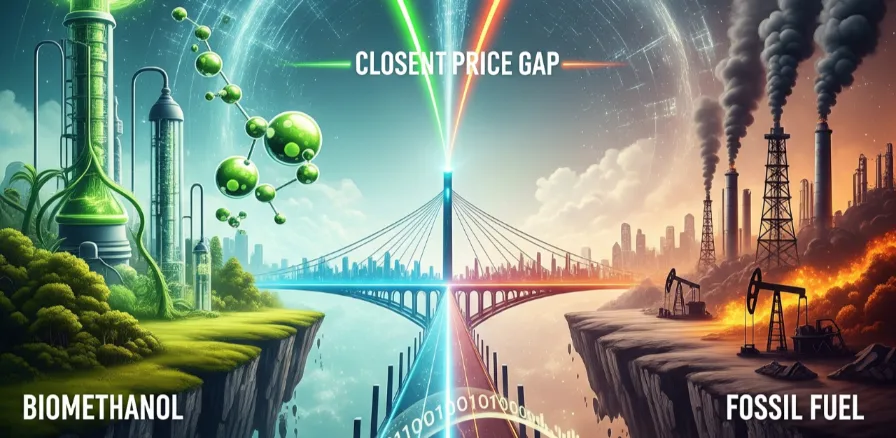
  • Closes the price gap between fossil fuels and biofuels, improving competitiveness.

Smart Tax Regimes to Boost Biofuels

While a simple carbon tax helps, smart tax regimes make it far more effective by directing revenue to clean energy innovation. Key strategies include:

  • Biofuel subsidies and tax credits to reduce production costs (as seen in U.S. Renewable Fuel Standard programs).
  • Research and development (R&D) grants to improve biofuel technologies and cut expenses.
  • Infrastructure investments in storage, logistics, and supply chains for scaling production.
  • Blending mandates that guarantee stable demand and encourage private investment.
  • Revenue recycling by reducing labor or business taxes, creating what economists call the “double dividend”—cleaner energy plus stronger economic growth.

A well-known example is British Columbia’s carbon tax, where revenues were reinvested into lowering other taxes and funding green programs, boosting both climate action and public support.

Insights and Challenges from Global Experience

Policymakers often set low carbon tax rates and grant exemptions to industries in order to ease competitiveness concerns and gain public support. While studies show that carbon taxes generally have little negative effect on firms’ competitiveness, policy design such as exemptions and revenue recycling shapes the outcomes. For example, Norway’s generous exemptions for fossil fuel-intensive industries led to only a modest reduction in CO₂ emissions. Such practices weaken environmental effectiveness and make it harder to reach long-term climate goals, but they help balance the trade-off between effectiveness and acceptance. In some cases, exemptions are linked to conditions, as in Denmark, where reduced rates were tied to energy-saving agreements, resulting in significant emission cuts. Overall, the design of exemptions and tax rates varies across countries, explaining why macroeconomic impacts are often neutral or even positive.

Hubbert curve oil reserves 2020
  • Effectiveness depends on design: higher rates reduce emissions faster, while too many exemptions weaken impact.
  • Revenue use matters: directing funds to low-carbon innovation, public compensation, and energy transition programs increases acceptance.
  • Social fairness is crucial: policies that support lower-income households and ensure transparency win more trust and political backing.
  • Carbon pricing alone is not enough: it must be part of a comprehensive renewable energy policy mix that includes innovation, infrastructure, and regulations.

Conclusion: Carbon Taxation as a Catalyst for Biofuels

The evidence is clear: carbon taxation, when combined with smart tax policies, can make advanced biofuels cost-competitive and accelerate the global transition to a low-carbon economy. By pricing carbon emissions, supporting clean energy investments, and designing fair and transparent revenue use, governments can:

  • Drive sustainable innovation in biofuels.
  • Cut dependence on fossil fuels.
  • Meet climate goals while protecting economic growth and fairness.

To achieve a truly sustainable energy future, To ensure that carbon taxes are environmentally effective and politically feasible, several solutions are suggested, beginning with the implementation of sufficiently high tax rates necessary to adequately trigger emissions reduction and innovation, as current moderate rates are often insufficient to meet long-term goals. Given that carbon taxation alone cannot achieve the profound structural change required for climate neutrality, it must be embedded in a broader policy mix that includes instruments like subsidies, standards, and public infrastructure investments. Revenue recycling is critical for maximizing benefits and gaining public acceptance: policymakers should utilize reductions in taxes on labor income and social security contributions to pursue a potential “double dividend” of environmental and economic benefits, while simultaneously using lump-sum transfers to effectively mitigate regressive effects for lower incomes and boost public acceptance. Furthermore, compensation measures must address not only vertical (income-based) but also horizontal distributional effects (based on socio-demographic factors like location). Finally, securing public support is achieved by providing public information about the positive impact of the tax and the future costs of inaction, and acceptance can be increased by channeling part of the revenues into “environmental projects”. carbon taxation must be embedded in a broader policy package that fosters innovation, builds infrastructure, and ensures public acceptance. Done right, advanced biofuels can become a cornerstone of the clean energy transition.

Citations

Köppl, A., & Schratzenstaller, M. (2023). Carbon taxation: A review of the empirical literature. Journal of Economic Surveys37(4), 1353-1388.

Das, H. S., Salem, M., Zainuri, M. A. A. M., Dobi, A. M., Li, S., & Ullah, M. H. (2022). A comprehensive review on power conditioning units and control techniques in fuel cell hybrid systems. Energy Reports8, 14236–14258.

Also checkout

Leveraging public and private funding for innovation in advanced biofuel conversion pathways

Carbon Tax & Biofuels: How New Policies Can Cut Costs and Boost Advanced Biofuels Read More »

Bridging the Biomethanol Price Gap

The Price Gap Challenge: How Policy and Finance Can Bridge the Cost of Biomethanol vs Fossil Fuels

The Gap Between Cost of Biomethanol Vs Fossil Fuels

The promise of biomethanol as a sustainable alternative to fossil methanol is clear, but it comes with a significant challenge: cost. Currently, producing biomethanol is 2 to 4 times more expensive than making methanol from natural gas or coal. Understanding why this price gap exists helps highlight what needs to change.

Biomethanol is generally more expensive than fossil-based methanol for several reasons. First, the costs of feedstock for biomethanol come from biomass sources like biogas, forestry residues, and agricultural waste. These costs tend to be higher and more unpredictable than fossil fuel costs. Biomass feedstocks are also less consistently available and involve significant expenses for collection, transportation, and storage, especially when sourced from small or decentralized plants.

Second, biomethanol production often happens in smaller facilities due to feedstock limitations. This results in higher capital and operational costs per unit compared to the large, efficient centralized plants used for fossil methanol, which limits economies of scale.

Third, the capital investment for biomethanol plants is high because of the need for special and complex equipment for processes like gasification, purification, and heat integration. Many of the technologies involved are still being developed.

Fourth, biomethanol production usually has lower efficiency and yields, which means it requires more energy and additional purification steps to meet fuel-grade standards. This increases operational costs.

Finally, the supply chain and logistics for biomass feedstocks are more complicated and expensive than those for fossil fuels, especially in areas where biomass resources are spread out.

All these factors—high and variable feedstock costs, smaller plant sizes, high capital costs, lower operational efficiency, and complex supply chains—make biomethanol less economically competitive than fossil methanol for now. However, improvements in technology and increased production scales may lower costs and enhance competitiveness in the future.

Why Is Biomethanol More Expensive? Key Cost Drivers Explained

1. Feedstock Costs and Complexity

Biomethanol is made from renewable feedstocks such as biomass and agricultural waste. These materials are often scattered geographically, seasonal, and bulky. This makes sourcing and processing them more complex and costly than simply extracting and transporting fossil fuels like natural gas.

2. Higher Capital and Operating Expenses

Although biomethanol technology resembles fossil methanol processes, biomethanol plants are usually smaller and less mature. Early-stage facilities face higher upfront capital costs and operational challenges, which increase production expenses compared to well-established fossil methanol plants.

3. Market Immaturity and Supply Chain Challenges

The biomethanol market is still developing. It lacks the mature infrastructure, established supply networks, and widespread demand enjoyed by fossil fuels. This immaturity drives up production and logistical costs, widening the price difference.

Carbon Pricing: The Crucial Lever to Cost of Biomethanol vs Fossil Fuels

Currently, the production of biomethanol is far more expensive than producing conventional methanol from fossil fuels like natural gas. This is due to several factors:

  • Feedstock Costs: Biomethanol is derived from sustainable feedstocks like biomass, agricultural waste, and municipal solid waste. The cost and logistics of sourcing and processing these materials are generally higher and more complex than those associated with extracting and transporting natural gas or coal.
  • Capital and Operational Expenses: While the core technology for producing biomethanol is similar to fossil-based methanol, the early-stage nature and smaller scale of many biomethanol plants result in higher capital expenditure (CAPEX) and operating expenses (OPEX). Economies of scale, which have been perfected over decades for fossil fuel production, are still being developed for biomethanol.
  • Market Immaturity: The biomethanol market is nascent and lacks the established infrastructure and supply chains of the fossil fuel industry. This leads to higher production and distribution costs, further widening the price disparity.

The result is that, without intervention, biomethanol is often 2 to 4 times more expensive than fossil methanol. This makes it an economically unviable choice for most industries, despite its significant environmental benefits.

How Carbon Pricing Works to Level the Playing Field

Carbon pricing attaches a monetary cost to CO2 emissions, encouraging companies to reduce their fossil fuel use. Two common forms exist: carbon taxes and emissions trading systems (ETS). Both push fossil methanol prices higher by accounting for environmental damage that was previously unpriced.

The Carbon Price Range to Make Biomethanol Competitive

Experts suggest a carbon price of $150 to $300 per tonne of CO2 equivalent is needed to close the gap. For example, at $200 per tonne, the fossil methanol price rises enough that biomethanol’s cleaner production costs become competitive or cheaper, creating a powerful market incentive for green fuels (Mukherjee et al., 2022).

The Role of Carbon Capture and Storage (CCS) in Boosting Biomethanol Value

Carbon Capture and Storage (CCS) enhances biomethanol value by reducing emissions and enabling CO₂-to-methanol conversion, creating both environmental and economic benefits.

How CCS Boosts Biomethanol Value

Emissions Reduction and Sustainability

  • CCS captures CO₂ from industrial sources or biomass processing, preventing its release into the atmosphere and directly lowering the carbon footprint of biomethanol production (Bui et al., 2018; Peppas et al., 2023).
  • When combined with bio-based feedstocks, CCS can enable negative emissions, making biomethanol a more sustainable and climate-friendly fuel (Bui et al., 2018; Cheah et al., 2016; Sen & Mukherjee, 2024).

CO₂ Utilization for Methanol Synthesis

  • Captured CO₂ can be converted into methanol using hydrogen (often from renewable sources), turning a waste product into a valuable fuel and chemical feedstock (Kar et al., 2019; Peppas et al., 2023; Szima & Cormos, 2018).
  • This process, known as Carbon Capture and Utilization (CCU), increases the value of biomethanol by integrating CO₂ recycling into the production chain (Kar et al., 2019; Peppas et al., 2023).
  • Integrated systems that combine CO₂ capture and direct conversion to methanol (using catalysts and hydrogenation) can improve process efficiency and reduce energy costs (Kothandaraman & Heldebrant, 2020; Kar et al., 2019; Peppas et al., 2023).

Economic and Industrial Benefits

  • By producing methanol from captured CO₂, industries can generate new revenue streams while meeting emissions regulations (Peppas et al., 2023; Kudapa, 2022).
  • The approach supports the development of a circular carbon economy, where CO₂ is continuously recycled into fuels and chemicals, enhancing the overall value proposition of biomethanol (Kar et al., 2019; Peppas et al., 2023; Szima & Cormos, 2018).

Key Claims & Evidence

ClaimEvidence StrengthReasoningPapers
CCS reduces biomethanol’s carbon footprintEvidence strength: Strong (8/10)Multiple studies show significant emissions reduction when CCS is integrated with bio-based methanol production(Bui et al., 2018; Peppas et al., 2023; Cheah et al., 2016)
Captured CO₂ can be efficiently converted to methanolEvidence strength: Moderate (7/10)Demonstrated in both lab and industrial settings, though economic viability depends on energy and hydrogen costs(Kar et al., 2019; Peppas et al., 2023; Szima & Cormos, 2018; Kothandaraman & Heldebrant, 2020)

Table 1: Evidence for CCS benefits in biomethanol value chain.

Conclusion

CCS increases biomethanol’s value by enabling low-carbon or even negative-emission fuel production and by converting captured CO₂ into methanol, thus supporting both environmental goals and economic opportunities in the biofuel sector.

Carbon capture, especially biomass-based CCS (BECCS), can turn biomethanol into an even more valuable product. By capturing CO2 released during production, which originated from absorbed atmospheric carbon, BECCS results in negative emissions. High carbon prices combined with BECCS can generate revenue through carbon credits, enhancing biomethanol’s financial appeal beyond just cost parity.

Carbon Capture and Storage, especially biomass-based CCS (BECCS), magnifies the environmental and economic advantages of biomethanol.

  • BECCS captures CO2 emitted during biomethanol production CO2 originally absorbed from the atmosphere by biomass.
  • This results in negative emissions, effectively removing CO2 from the atmosphere.
  • Combined with a strong carbon price, biomethanol plants with CCS could earn carbon credits for each tonne of CO2 removed.
  • This generates additional revenue, making biomethanol projects more profitable De Fournas and Wei (2022).

The synergy of high carbon pricing plus BECCS transforms biomethanol into not just an environmentally superior fuel, but also a financially compelling one.

Beyond Carbon Pricing: A Holistic Policy Toolkit to Accelerate Biomethanol Adoption

Carbon pricing is crucial but not enough by itself. Governments must also implement renewable fuel mandates, tax incentives, public-private partnerships, and sustainable sourcing regulations. These policies create guaranteed markets, reduce investment risks, and promote environmentally responsible production methods that protect food security and biodiversity.

Carbon pricing alone is powerful but insufficient. A comprehensive policy framework should also include:

Renewable Fuel Standards (RFS) and Mandates

  • Require a certain percentage of fuels to come from renewable sources like biomethanol.
  • Guarantee market demand, encouraging investment.

Tax Credits and Subsidies

  • Offer direct financial support to reduce CAPEX and risks.
  • Promote innovation in feedstocks and production technologies.
  • Facilitate collaboration for R&D, pilot projects, and infrastructure development.

Sustainable Sourcing Regulations

  • Encourage use of waste and residues rather than food crops.
  • Prevent negative impacts like deforestation or food security threats.

The Path Forward: A Coordinated Effort for a Sustainable Methanol Future

Closing the biomethanol price gap requires collaboration between policymakers, industry, investors, and researchers. Adopting strong carbon pricing alongside supportive regulations and innovative technologies is essential. Together, these actions can make biomethanol a mainstream, cost-effective fuel that helps reduce emissions and build a sustainable energy future.

Citations

Mukherjee, A., Bruijnincx, P., & Junginger, M. (2023). Techno-economic competitiveness of renewable fuel alternatives in the marine sector. Renewable and Sustainable Energy Reviews. https://doi.org/10.1016/j.rser.2022.113127.

De Fournas, N., & Wei, M. (2022). Techno-economic assessment of renewable methanol from biomass gasification and PEM electrolysis for decarbonization of the maritime sector in California. Energy Conversion and Management. https://doi.org/10.1016/j.enconman.2022.115440.

Kothandaraman, J., & Heldebrant, D. (2020). Towards environmentally benign capture and conversion: heterogeneous metal catalyzed CO2 hydrogenation in CO2 capture solvents. Green Chemistry, 22, 828-834. https://doi.org/10.1039/c9gc03449h

Cheah, W., Ling, T., Juan, J., Lee, D., Chang, J., & Show, P. (2016). Biorefineries of carbon dioxide: From carbon capture and storage (CCS) to bioenergies production.. Bioresource technology, 215, 346-356. https://doi.org/10.1016/j.biortech.2016.04.019

Kar, S., Goeppert, A., & Prakash, G. (2019). Integrated CO2 Capture and Conversion to Formate and Methanol: Connecting Two Threads.. Accounts of chemical research. https://doi.org/10.1021/acs.accounts.9b00324

Sen, R., & Mukherjee, S. (2024). Recent advances in microalgal carbon capture and utilization (bio-CCU) process vis-à-vis conventional carbon capture and storage (CCS) technologies. Critical Reviews in Environmental Science and Technology, 54, 1777 – 1802. https://doi.org/10.1080/10643389.2024.2361938

Bui, M., Adjiman, C., Bardow, A., Anthony, E., Boston, A., Brown, S., Fennell, P., Fuss, S., Galindo, A., Hackett, L., Hallett, J., Herzog, H., Jackson, G., Kemper, J., Krevor, S., Maitland, G., Matuszewski, M., Metcalfe, I., Petit, C., Puxty, G., Reimer, J., Reiner, D., Rubin, E., Scott, S., Shah, N., Smit, B., Smit, B., Trusler, J., Webley, P., Wilcox, J., & Dowell, N. (2018). Carbon capture and storage (CCS): the way forward. Energy and Environmental Science, 11, 1062-1176. https://doi.org/10.1039/C7EE02342A

Kudapa, V. (2022). Carbon-dioxide capture, storage and conversion techniques in different sectors – a case study. International Journal of Coal Preparation and Utilization, 43, 1638 – 1663. https://doi.org/10.1080/19392699.2022.2119559

Peppas, A., Kottaridis, S., Politi, C., & Angelopoulos, P. (2023). Carbon Capture Utilisation and Storage in Extractive Industries for Methanol Production. Eng. https://doi.org/10.3390/eng4010029

Szima, S., & Cormos, C. (2018). Improving methanol synthesis from carbon-free H2 and captured CO2: A techno-economic and environmental evaluation. Journal of CO 2 Utilization, 24, 555-563. https://doi.org/10.1016/J.JCOU.2018.02.007

checkout

Policy Recommendations for Scaling Biomethanol in China’s Marine Industry

The Price Gap Challenge: How Policy and Finance Can Bridge the Cost of Biomethanol vs Fossil Fuels Read More »