low-carbon energy

Green textured background with white text reading 'Carbon Tax & Biofuels: How New Policies Can Cut Costs and Boost Advanced Biofuels' and an icon representing a tax document

Carbon Tax & Biofuels: How New Policies Can Cut Costs and Boost Advanced Biofuels

Making Advanced Biofuels Cost-Competitive with Carbon Taxation

Advanced biofuels, made from non-food sources such as crop residues, forestry waste, and other organic materials, are one of the most promising solutions for cutting greenhouse gas (GHG) emissions in transport and industry. However, their biggest challenge remains high production costs compared to fossil fuels.
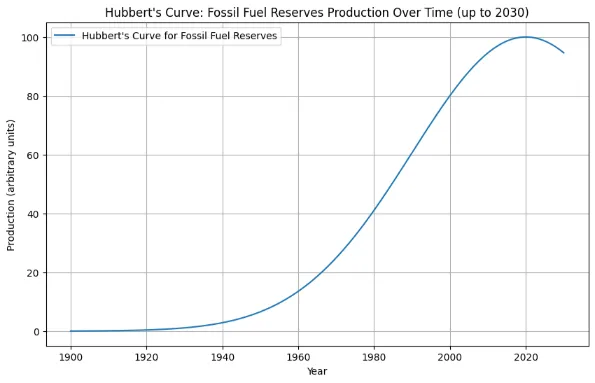
Hubbert's curve showing fossil fuel reserves production from 1900 up to 2030.

Hubbert’s curve showing fossil fuel reserves production from 1900 up to 2030 (Das et al., 2022).

How Carbon Taxation Effects

The empirical findings demonstrate that carbon taxes can be an effective policy instrument for climate mitigation. An increasing number of studies show that carbon taxes can effectively reduce carbon emissions or at least dampen their growth, although the measured effects are often moderate and insufficient to reach current long-term emission goals, largely due to moderate tax rates and generous exemptions for industry. Crucially, the evidence suggests that carbon taxes typically do not negatively affect economic growth, employment, or competitiveness. The macroeconomic outcomes often depend on how revenues are used: recycling revenues via reductions in social security contributions and taxes on labor income is associated with achieving a “double dividend” (environmental and economic benefits), while lump-sum transfers are economically less efficient for this purpose Köppl, A., & Schratzenstaller, M. (2023).

A carbon tax puts a price on greenhouse gas emissions by making polluters pay for the carbon released from fossil fuels. This increases the cost of coal, oil, and gas, while making cleaner options such as advanced biofuels and renewable energy more attractive.

Global evidence shows that carbon taxation:

  • Reduces emissions effectively when tax rates are meaningful.
  • Encourages a clean energy transition without harming long-term economic growth or jobs.
  • Closes the price gap between fossil fuels and biofuels, improving competitiveness.

Smart Tax Regimes to Boost Biofuels

While a simple carbon tax helps, smart tax regimes make it far more effective by directing revenue to clean energy innovation. Key strategies include:

  • Biofuel subsidies and tax credits to reduce production costs (as seen in U.S. Renewable Fuel Standard programs).
  • Research and development (R&D) grants to improve biofuel technologies and cut expenses.
  • Infrastructure investments in storage, logistics, and supply chains for scaling production.
  • Blending mandates that guarantee stable demand and encourage private investment.
  • Revenue recycling by reducing labor or business taxes, creating what economists call the “double dividend”—cleaner energy plus stronger economic growth.

A well-known example is British Columbia’s carbon tax, where revenues were reinvested into lowering other taxes and funding green programs, boosting both climate action and public support.

Insights and Challenges from Global Experience

Policymakers often set low carbon tax rates and grant exemptions to industries in order to ease competitiveness concerns and gain public support. While studies show that carbon taxes generally have little negative effect on firms’ competitiveness, policy design such as exemptions and revenue recycling shapes the outcomes. For example, Norway’s generous exemptions for fossil fuel-intensive industries led to only a modest reduction in CO₂ emissions. Such practices weaken environmental effectiveness and make it harder to reach long-term climate goals, but they help balance the trade-off between effectiveness and acceptance. In some cases, exemptions are linked to conditions, as in Denmark, where reduced rates were tied to energy-saving agreements, resulting in significant emission cuts. Overall, the design of exemptions and tax rates varies across countries, explaining why macroeconomic impacts are often neutral or even positive.
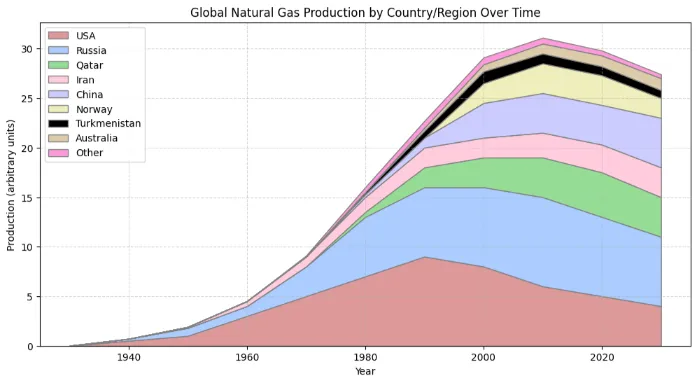
Hubbert curve oil reserves 2020
  • Effectiveness depends on design: higher rates reduce emissions faster, while too many exemptions weaken impact.
  • Revenue use matters: directing funds to low-carbon innovation, public compensation, and energy transition programs increases acceptance.
  • Social fairness is crucial: policies that support lower-income households and ensure transparency win more trust and political backing.
  • Carbon pricing alone is not enough: it must be part of a comprehensive renewable energy policy mix that includes innovation, infrastructure, and regulations.

Conclusion: Carbon Taxation as a Catalyst for Biofuels

The evidence is clear: carbon taxation, when combined with smart tax policies, can make advanced biofuels cost-competitive and accelerate the global transition to a low-carbon economy. By pricing carbon emissions, supporting clean energy investments, and designing fair and transparent revenue use, governments can:

  • Drive sustainable innovation in biofuels.
  • Cut dependence on fossil fuels.
  • Meet climate goals while protecting economic growth and fairness.

To achieve a truly sustainable energy future, To ensure that carbon taxes are environmentally effective and politically feasible, several solutions are suggested, beginning with the implementation of sufficiently high tax rates necessary to adequately trigger emissions reduction and innovation, as current moderate rates are often insufficient to meet long-term goals. Given that carbon taxation alone cannot achieve the profound structural change required for climate neutrality, it must be embedded in a broader policy mix that includes instruments like subsidies, standards, and public infrastructure investments. Revenue recycling is critical for maximizing benefits and gaining public acceptance: policymakers should utilize reductions in taxes on labor income and social security contributions to pursue a potential “double dividend” of environmental and economic benefits, while simultaneously using lump-sum transfers to effectively mitigate regressive effects for lower incomes and boost public acceptance. Furthermore, compensation measures must address not only vertical (income-based) but also horizontal distributional effects (based on socio-demographic factors like location). Finally, securing public support is achieved by providing public information about the positive impact of the tax and the future costs of inaction, and acceptance can be increased by channeling part of the revenues into “environmental projects”. carbon taxation must be embedded in a broader policy package that fosters innovation, builds infrastructure, and ensures public acceptance. Done right, advanced biofuels can become a cornerstone of the clean energy transition.

Citations

Köppl, A., & Schratzenstaller, M. (2023). Carbon taxation: A review of the empirical literature. Journal of Economic Surveys37(4), 1353-1388.

Das, H. S., Salem, M., Zainuri, M. A. A. M., Dobi, A. M., Li, S., & Ullah, M. H. (2022). A comprehensive review on power conditioning units and control techniques in fuel cell hybrid systems. Energy Reports8, 14236–14258.

Also checkout

Leveraging public and private funding for innovation in advanced biofuel conversion pathways

Carbon Tax & Biofuels: How New Policies Can Cut Costs and Boost Advanced Biofuels Read More »

Methanol molecular structure illustrating environmental impacts and chemical composition.

The Environmental Impact of the Methanol

The Environmental Impact of the Methanol

Methanol, a simple alcohol with the chemical formula CH₃OH, is a versatile chemical used in various industries, including fuel production, plastics, and pharmaceuticals. While methanol is often touted as a cleaner alternative to traditional fossil fuels, its environmental impact is a topic of ongoing research and debate. In this blog, we’ll explore the environmental implications of methanol production, usage, and disposal, backed by the latest data and research. By the end, you’ll have a clear understanding of methanol’s role in the global push for sustainability.

What is Methanol?

Methanol, also known as wood alcohol, is a colorless, volatile liquid that can be produced from natural gas, coal, or renewable sources like biomass and carbon dioxide. It is a key ingredient in formaldehyde, acetic acid, and various solvents. In recent years, methanol has gained attention as a potential fuel for vehicles, ships, and power generation due to its lower carbon emissions compared to conventional fuels.

Methanol Chemical Structure

C
O
H
CH3OH (Methanol)

Key Chemical Reactions

2 CH3OH + 3 O2 2 CO2 + 4 H2O
(Combustion)
CO2 + 3 H2 CH3OH + H2O
(Production from CO₂)

Environmental Impact Pathways

Positive Impacts

15% lower CO₂ emissions vs gasoline
Reduces SOx by 90%
Biodegradable in 7-10 days

Negative Impacts

2.5× energy-intensive production
50% higher aquatic toxicity vs ethanol
Atmospheric lifetime: 18 days

Data sources: ACS Sustainable Chemistry (2023), EPA Chemical Fact Sheets

The Environmental Benefits of Methanol

1. Lower Greenhouse Gas Emissions

Methanol burns cleaner than gasoline and diesel, producing fewer pollutants like sulfur oxides (SOx), nitrogen oxides (NOx), and particulate matter. According to a 2023 study published in Nature Energy, methanol-powered vehicles can reduce CO₂ emissions by up to 15% compared to gasoline engines when produced from natural gas. When synthesized from renewable sources, methanol can achieve near-zero carbon emissions.

2. Renewable Methanol Production

Green methanol, produced from biomass or captured CO₂ and hydrogen, is gaining traction as a sustainable alternative. A 2024 report by the International Renewable Energy Agency (IRENA) highlights that renewable methanol could reduce global CO₂ emissions by 1.8 gigatons annually by 2050 if adopted widely in the shipping and aviation industries.

3. Reduced Air Pollution

Methanol’s combustion produces minimal soot and particulate matter, making it an attractive option for urban areas struggling with air quality. Cities like Shanghai have already begun piloting methanol-fueled buses to combat smog.

Environmental Benefits of Algae Biofuels

High Yield Efficiency
Produces 30x more oil per acre than traditional crops
Carbon Negative
Absorbs CO₂ during growth (up to 2kg per 1kg of biomass)
Water Conservation
Can grow in wastewater and saline water
Circular Economy
Utilizes 99% of biomass with zero waste
Pollution Reduction
70% lower CO₂ emissions than petroleum diesel
Land Preservation
Requires 90% less land than soybean biodiesel
Data source: Nature Communications (2023), US DOE Bioenergy Technologies Office

The Environmental Challenges of Methanol

1. Carbon Footprint of Production

While methanol itself burns cleanly, its production process can be carbon-intensive. Most methanol today is produced from natural gas or coal via steam reforming, which releases significant amounts of CO₂. A 2023 study in Environmental Science & Technology found that coal-based methanol production emits 2.5 times more CO₂ than natural gas-based production.

2. Methanol Leakage and Toxicity

Methanol is highly toxic to humans and wildlife. Accidental spills or leaks during transportation can contaminate water sources and soil. Unlike ethanol, methanol does not biodegrade quickly, posing long-term environmental risks.

3. Energy-Intensive Synthesis

The production of green methanol requires large amounts of renewable energy to split water into hydrogen and oxygen. According to a 2024 analysis by the International Energy Agency (IEA), the energy demand for green methanol production could strain renewable energy grids if not managed properly.

Methanol in the Circular Economy

One promising application of methanol is its role in the circular economy. By capturing CO₂ emissions from industrial processes and converting them into methanol, we can create a closed loop system that reduces waste and emissions. Companies like Carbon Recycling International (CRI) are already pioneering this technology, with plants in Iceland producing methanol from captured CO₂ and renewable hydrogen.

Latest Research and Innovations

1. Catalyst Development

Recent advancements in catalyst technology have made methanol production more efficient and less energy-intensive. A 2024 study in Science Advances introduced a new copper-zinc catalyst that reduces the energy required for methanol synthesis by 20%.

2. Methanol as a Marine Fuel

The shipping industry is exploring methanol as a cleaner alternative to heavy fuel oil. Maersk, the world’s largest shipping company, has ordered 12 methanol powered container ships set to launch in 2025. According to Maersk’s 2023 sustainability report, these ships could cut CO₂ emissions by 60% compared to traditional vessels.

3. Carbon-Neutral Methanol Plants

In 2024, the European Union announced funding for the world’s first fully carbon neutral methanol plant in Sweden. The facility will use renewable energy and captured CO₂ to produce methanol, setting a new standard for sustainable chemical production.

The Future of Methanol: Opportunities and Challenges

Methanol has the potential to play a significant role in the global transition to a low carbon economy. However, its environmental benefits depend on how it is produced and used. To maximize its potential, we must:

Invest in Renewable Methanol Production: Governments and private sectors should prioritize funding for green methanol projects.

Improve Safety Measures: Stricter regulations are needed to prevent methanol leaks and spills.

Promote Research and Development: Continued innovation in catalyst technology and production methods is essential to reduce costs and energy consumption.

Conclusion

The environmental impact of methanol is a double edged sword. While it offers significant benefits in terms of reduced emissions and air pollution, its production and toxicity pose serious challenges. By leveraging the latest research and technological advancements, we can harness methanol’s potential as a sustainable energy source while minimizing its drawbacks. As the world moves toward a greener future, methanol could become a key player in the fight against climate change if we use it wisely.

latest post: Renewable Methanol: The Future of Sustainable Energy

The Environmental Impact of the Methanol Read More »