sugar industry

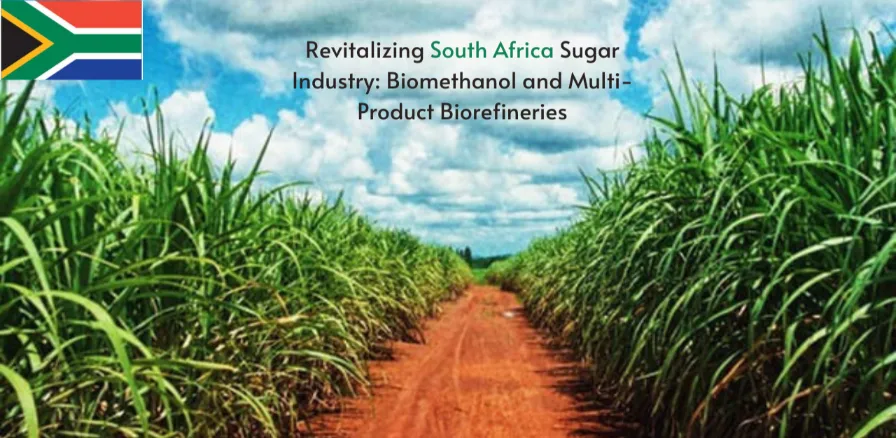
Sugarcane fields in South Africa illustrating biomethanol and multi-product biorefineries for revitalizing the sugar industry

Revitalizing South Africa’s Sugar Industry: Biomethanol and Multi-Product Biorefineries

Revitalizing South Africa’s Sugar Industry: The Promise of Biomethanol and Multi-Product Biorefineries

South Africa’s sugar industry is vital to its rural economy and provides many jobs. For many years, it has generated great value, with sugarcane cultivation and sugar production supporting the lives of over a million people. However, a series of challenges, such as low-cost, subsidized imports, the domestic sugar tax, and climate change, have put the sector in a tough spot. The old way of just producing sugar is no longer viable. To address these issues, researchers are exploring the integration of biorefineries that convert sugarcane and its by-products into a range of value-added products, including biomethanol, bioethanol, chemicals, and electricity.

This is not merely an economic issue; it is a social one. The decline of the sugar industry threatens the stability of entire rural towns in KwaZulu-Natal and Mpumalanga, South africa. As the number of sugarcane farmers has plummeted by 60% and jobs have decreased by an estimated 45% over the past two decades, the need for a radical shift has become undeniable (van der Merwe, 2024).
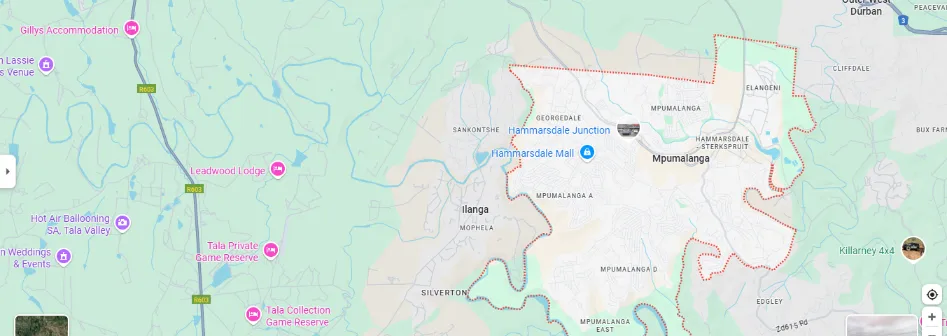
KwaZulu-Natal and Mpumalanga, South africa

The solution lies not in abandoning the industry, but in a revolutionary transformation: embracing a multi-product biorefinery model (Areeya et al., 2024). This approach goes beyond sugar. It uses the entire sugarcane plant to create a variety of valuable products, including an important renewable fuel: biomethanol. learn also about this south african official site about sugar cane prospective.

The Historical Context: From Prosperity to Precarity

The South African sugar industry has a rich history. The first commercial sugar shipment from Durban occurred in 1850. By 1975, domestic consumption exceeded one million tons. The industry then evolved into a global cost-competitive producer. It served as a major colonial activity that shaped the economy. In the post-apartheid era, it became an important force for land reform and socio-economic development. Since 1994, 21% of freehold land used for cane has been transferred to Black owners.

However, the industry’s resilience has been tested by a series of shocks. The introduction of the Health Promotion Levy (HPL), or “sugar tax,” in 2018 was a major blow, leading to a substantial decline in local demand. At the same time, the influx of heavily subsidized foreign sugar sold at prices lower than production costs has made it hard for local farmers to compete. These challenges, along with increasing operational costs, aging infrastructure, and the severe effects of droughts and floods, have created an unsustainable environment. The annual sugar production in South Africa has declined by nearly 25% over the last 20 years, from 2.75 million to 2.1 million tonnes per annum, forcing the industry to export surplus sugar at a loss (Formann et al., 2020).
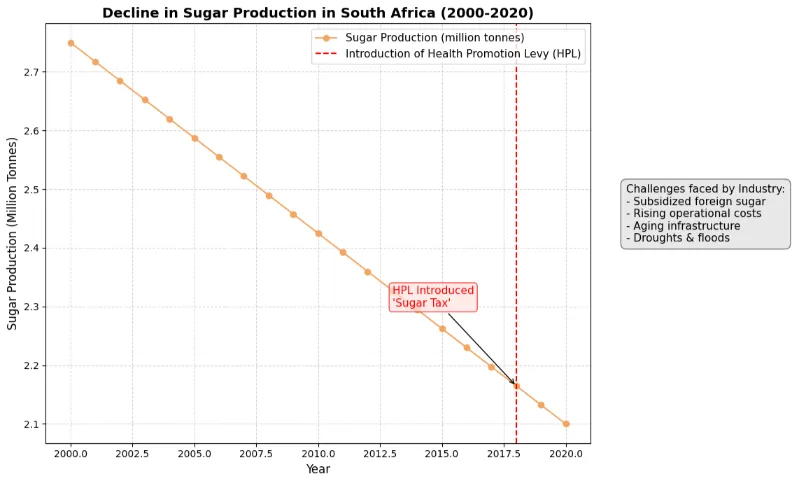
Graphical representation of the Decline in sugar industry in South Africa (2000-2020)

The Biorefinery Revolution: A New Blueprint for Sustainability

The traditional sugar mill’s primary product is crystalline sugar, while by-products like molasses and bagasse are often underutilized. Bagasse, the fibrous residue of the sugarcane stalk, is typically burned in low-efficiency boilers to generate steam and power the mill. Molasses, a syrup-like by-product, is used in animal feed or fermented into small quantities of industrial ethanol.

A multi-product biorefinery fundamentally changes this approach. It sees the sugarcane plant as a versatile resource, a “green crude oil,” able to produce not just sugar but also a variety of valuable products. This range of products is essential for finding new revenue sources, stabilizing the industry, and building a more resilient and sustainable value chain.

The South African Sugarcane Value Chain Master Plan to 2030 is a joint effort between the government and industry. It clearly acknowledges the need for diversification. The plan points out opportunities for new products, including:

  • Bioethanol for fuel blending: Offering a cleaner alternative to traditional petrol.
  • Sustainable Aviation Fuel (SAF): A high-value product with significant potential in the global decarbonization of the aviation sector.
  • Bioplastics and biochemicals: Such as polylactic acid (PLA) and succinic acid, which can replace petroleum-based materials.
  • Electricity cogeneration: Utilizing the high energy content of bagasse to generate and export surplus electricity to the national grid.

Biomethanol: The Game-Changer

Among these diversification options, biomethanol is a particularly promising pathway for the South African sugar industry. Methanol is a key ingredient for thousands of chemical products and is becoming a popular fuel source for shipping and other industries aiming to reduce carbon emissions. Made from the thermochemical conversion of biomass like bagasse, biomethanol presents a real, large-scale opportunity.

Biorefinery Pathways and Products

  • Multi-Product Biorefineries: Various scenarios have been modeled for converting sugarcane residues (bagasse and trash) into products such as methanol, ethanol, lactic acid, furfural, butanol, and electricity. Methanol synthesis and ethanol-lactic acid co-production showed strong economic returns, with methanol production also offering the best environmental performance due to low reagent use Petersen, A., Louw, J., & Görgens, J. (2024).
  • Value Addition from Molasses: Single-stage crystallization processes produce A-molasses, which can be converted into high-value products like succinic acid and fructooligosaccharides. Co-production of these products can yield high internal rates of return (up to 56.1%), supporting economic sustainability and job creation Dogbe, E., Mandegari, M., & Görgens, J. (2020). 

Here’s why biomethanol is a perfect fit:

  • Resource Abundance: South Africa processes an average of 19 million tons of sugarcane and 8 million tons of bagasse each year. This provides a consistent and abundant supply of feedstock for biomethanol production.
  • Environmental Benefits: Biogenic methanol from sugarcane offers significant greenhouse gas (GHG) emission reductions compared to fossil fuel-based methanol, contributing to South Africa’s climate change goals.
  • Market Demand: The global demand for green methanol is accelerating, driven by the maritime industry’s need for sustainable fuels. A local production facility could serve both domestic and international markets, creating a new export commodity.
  • Economic Viability: Studies have shown that integrating a biorefinery with an existing sugar mill can lead to a high internal rate of return (IRR), with some scenarios demonstrating an IRR of over 50%. This makes the proposition attractive to potential investors.

The production of biomethanol creates a circular economy within the mill. The energy-rich bagasse, instead of being burned inefficiently, is converted into syngas through gasification. This syngas is then used to synthesize methanol. The leftover waste heat can still be used to generate electricity, maximizing the value obtained from every part of the sugarcane plant.

Lessons from Global Success: The Brazilian Model

South Africa doesn’t need to reinvent the wheel. The Brazilian sugar industry offers a powerful example of successful diversification and revitalization. Facing similar challenges in the 1970s and 80s, Brazil implemented its “Proálcool” program, which mandated the blending of ethanol with petrol (Coelho et al., 2015). This created a captive domestic market for bioethanol, transforming its sugarcane industry from a single-product commodity producer into a global leader in biofuel and sugar production.

Brazil’s success comes from its integrated biorefineries, called “usinas,” that produce both sugar and ethanol. The ability to switch production between the two based on market prices offers a vital buffer against price swings. They also create extra electricity from bagasse, which is sold back to the national grid. This boosts profitability and energy security. This model has shown to be strong and effective, and it offers a clear example of what South Africa can accomplish.

The Path Forward: Policy, Investment, and Innovation

To realize this vision, a concerted effort is needed from all stakeholders:

  • Supportive Policies: The government must provide a stable and predictable policy environment. This includes implementing a mandatory biofuels blending policy to create a secure market for bioethanol and biomethanol. A moratorium on the sugar tax and a more robust anti-dumping policy are also crucial for the industry’s short-term survival. The South African government’s commitment to the Master Plan is a vital step, but swift action is needed to move from a conceptual framework to tangible projects.
  • Investment and Infrastructure: The transition to a biorefinery model requires significant capital investment in new technologies and infrastructure. Public-private partnerships and targeted financial incentives will be essential to attract the necessary funding.
  • Research and Development: Continuous innovation is key. South African research institutions, such as the Sugar Milling Research Institute (SMRI), must continue to explore new product opportunities and optimize conversion processes.

The revitalization of South Africa’s sugar industry is not just about saving a legacy sector; it’s about building a modern, diversified, and sustainable bioeconomy. By embracing a multi-product biorefinery model centered on high-value products like biomethanol, the industry can secure its future, create jobs, and contribute to a greener, more prosperous South Africa. The time for transformation is now.

citations

van der Merwe, M. (2024). How do we secure a future for the youth in South African agriculture? Agrekon. https://doi.org/10.1080/03031853.2024.2341511

Areeya, S., Panakkal, E. J., Kunmanee, P., Tawai, A., Amornraksa, S., Sriariyanun, M., Kaoloun, A., Hartini, N., Cheng, Y., Kchaou, M., Dasari, S., & Gundupalli, M. P. (2024). A Review of Sugarcane Biorefinery: From Waste to Value-Added Products. Applied Science and Engineering Progress. https://doi.org/10.14416/j.asep.2024.06.004

Formann, S., Hahn, A., Janke, L., Stinner, W., Sträuber, H., Logroño, W., & Nikolausz, M. (2020). Beyond Sugar and Ethanol Production: Value Generation Opportunities Through Sugarcane Residues. Frontiers in Energy Research, 8. https://doi.org/10.3389/FENRG.2020.579577

Economic and Environmental Comparison of the Monosodium Glutamate (MSG) Production Processes from A‐Molasses in an Integrated Sugarcane Biorefinery. International Journal of Chemical Engineeringhttps://doi.org/10.1155/2024/2077515.

Revitalizing the sugarcane industry by adding value to A‐molasses in biorefineries. Biofuels, 14. https://doi.org/10.1002/bbb.2122.

Coelho, S. T., Gorren, R. C. R., Guardabassi, P., Grisoli, R. P. S., & Goldemberg, J. (2015). Bioethanol from sugar: the brazilian experience. https://repositorio.usp.br/item/002711539

Revitalizing South Africa’s Sugar Industry: Biomethanol and Multi-Product Biorefineries Read More »

Sugarcane fields in South Africa showcasing agricultural biomass as a feedstock for sustainable biomethanol production

Sugarcane Biorefineries in South Africa: Methanol & Beyond

Introduction: Why Sustainable Biorefineries Matter for South Africa

With rising energy challenges, environmental harm, and economic pressures, South Africa faces a crucial moment in rethinking its energy and industrial future. Sustainable biorefineries provide an innovative solution that uses the country’s abundant biomass resources, especially sugarcane residues, to create renewable fuels like bio-methanol. This approach fits with global trends to reduce reliance on fossil fuels while encouraging a circular bioeconomy that supports rural development and job creation 215.

By converting agricultural waste into methanol, South Africa can greatly lessen greenhouse gas emissions, reduce waste disposal issues, and strengthen its industrial sector. This blog explores the technical, environmental, economic, and social aspects of setting up sustainable methanol biorefineries using sugarcane bagasse and trash, highlighting their strategic importance and feasibility within South Africa’s bioeconomy roadmap 216.

The Sugarcane Industry in South Africa: A Biomass Powerhouse

Sugarcane Production and Residue Availability

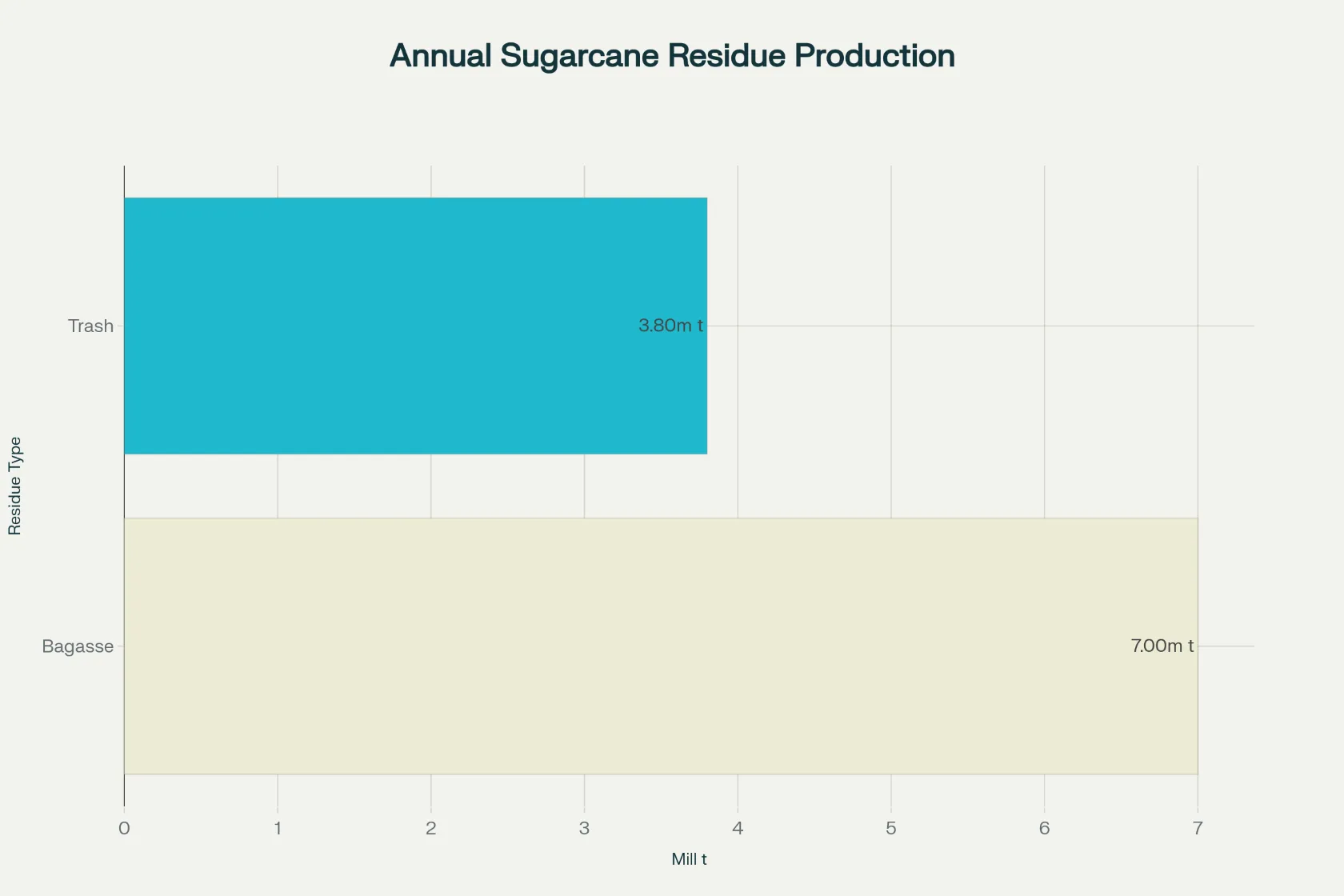
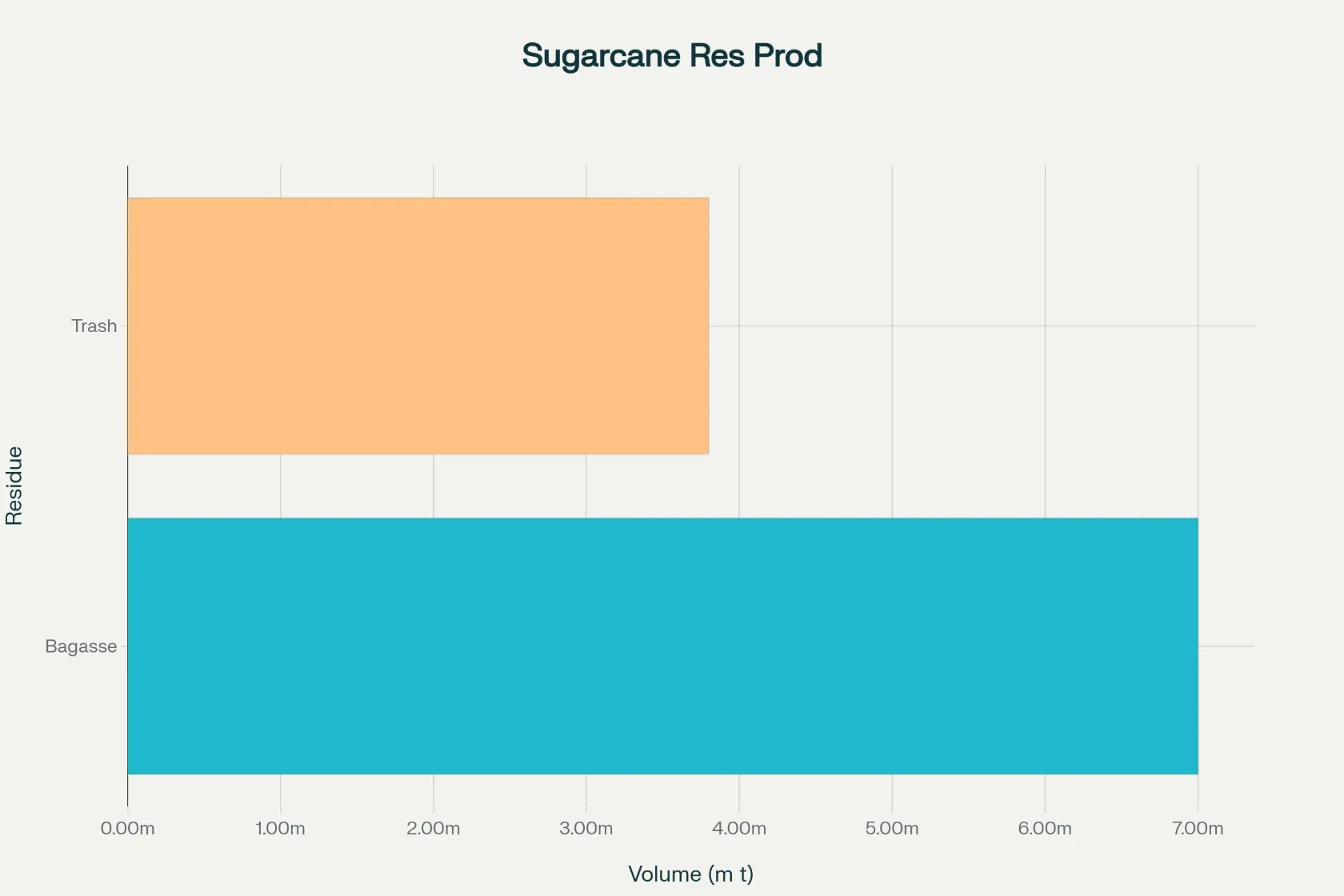
South Africa’s sugarcane sector is a strong agricultural foundation generating around 19 million tons of cane each year, mainly in KwaZulu-Natal and Mpumalanga. Processing this large quantity yields about 7 million tons of bagasse, which is a fibrous byproduct, along with significant amounts of trash (leaf residues). Typically seen as waste, these residues currently create environmental issues due to poor disposal, but they also represent an untapped biomass resource for sustainable biorefineries 215.

Locating biorefineries at existing sugar mills can greatly cut logistics costs and utilize established infrastructure, making methanol production from bagasse both sensible and affordable. The large quantity and geographic concentration of sugarcane residues give South Africa an excellent feedstock advantage that’s hard to match with other biomass types 27.

Why Valorize Sugarcane Residues?

  • Waste reduction: Reduce environmental problems linked to burning or dumping residues.
  • Green energy: Create renewable fuels and chemicals, cutting fossil fuel dependence.
  • Rural development: Promote local job creation and diversify farmer income streams.
  • Support circular economy: Turn waste into valuable products and close resource loops 25.

Methanol Production from Sugarcane Residues: Technology Overview

Key Process Stages

The process of converting lignocellulosic sugarcane residues into methanol involves several connected steps:

  1. Biomass Pre-treatment: Drying reduces moisture from about 45% to 15% and size reduction prepares the feedstock for gasification.
  2. Gasification: Thermochemical partial oxidation changes bagasse and trash into synthetic gas (syngas) rich in hydrogen (H₂) and carbon monoxide (CO).
  3. Syngas Cleaning & Conditioning: Removing contaminants like sulfur and tars protects the catalysts and modifies the gas composition.
  4. Methanol Synthesis: A catalytic reaction, usually with Cu/Zn/Al catalysts, turns conditioned syngas into methanol under high pressure and temperature.
  5. Purification: Distillation and separation produce high-purity methanol ready for further use 2516.

Advances in Gasification Technology

South Africa’s biorefineries can utilize established gasification technologies like fixed bed, fluidized bed, and drag bed reactors. Each technology has its own trade-offs in terms of efficiency, tar production, and scalability:

  • Downdraft fixed bed gasifiers: High tar removal and simpler cleaning.
  • Circulating fluidized bed (CFB): More even combustion and higher efficiency, but complicated operation.
  • Drag bed reactors: High throughput and nearly tar-free syngas 25.

Tailoring gasifiers for fibrous sugarcane bagasse enhances conversion rates and supports economic viability.

Cutting-edge Catalysts for Methanol Synthesis

Commercial methanol synthesis catalysts commonly use copper-based systems (Cu/Zn/Al₂O₃), often improved with promoters like cerium-zirconium oxides for better activity and durability. Ongoing research in South Africa focuses on catalysts that can handle impurities from biomass-derived syngas and enable CO₂ utilization, which is essential for sustainability and carbon-negative products 216.

Environmental Benefits of Sugarcane Based Methanol Biorefineries

Significant Reduction of Greenhouse Gas Emissions

Compared to fossil methanol, biomass-based methanol can cut lifecycle greenhouse gas emissions by 25-60%. Studies even show negative carbon footprints under optimal conditions. This directly supports South Africa’s climate commitments and helps move the country toward a low-carbon economy 216.

Efficient Waste Valorization and Pollution Mitigation

By converting waste residues into useful fuel, biorefineries address the significant environmental issue of biomass residue disposal, which otherwise causes air pollution and pest issues. Also, modern biorefineries use integrated heat and power systems to reduce overall emissions and improve energy efficiency 25.

Water and Land Use Considerations

South Africa’s water scarcity requires careful resource management. Sustainable biorefineries focus on using existing residues instead of expanding farmland, limiting water use and food-vs-fuel conflicts. Applying precision agriculture and water-efficient practices in the sugar industry can also help ease environmental trade-offs 215.

Economic Viability and Market Potential for Methanol from Sugarcane Residues

Techno economic Insights and Investment Returns

Feasibility studies show that methanol biorefineries paired with sugar mills can achieve internal rates of return (IRR) around 15-17%, making them appealing investment options. However, competing with fossil methanol pricing remains a challenge, with bio-methanol currently costing 1.5 to 4 times more 27.

Strategies to Overcome Cost Barriers

  • Government Incentives: Production subsidies, tax breaks, and grants can help close price gaps and reduce investment risks.
  • Multi-product Biorefineries: Producing bioelectricity, other chemicals (like ethanol and lactic acid), and feedstocks can improve economic stability.
  • Technological Improvements: Better gasifier efficiency and catalyst performance can bring down operational costs 27.

Global and Local Market Opportunities

With global methanol demand expected to exceed 500 million tons per year by 2050, South Africa stands to gain both domestically and through exports. Building a bio-methanol industry also enhances energy security and aligns with global shifts towards cleaner fuels 215.

Social Impacts: Empowering Rural Communities and Addressing Equity

Job Creation and Skills Development

Building and running sugarcane biorefineries can create thousands of direct and indirect jobs, especially in rural areas where sugarcane is grown. This supports poverty reduction and skill development in communities often left out of industrial growth 715.

Enhancing Rural Economies and Smallholder Involvement

Inclusive value chains allow small-scale farmers to engage in residue collection and supply, diversifying their incomes beyond traditional sugar sales. Fair contracts and training programs are vital for equity 715.

Mitigating Food-vs-Fuel Concerns

Using residues instead of dedicated energy crops avoids direct competition with food production, reducing food security risks. Combined with sustainable water use policies, this approach promotes balanced social and ecological development 215.

Policy and Regulatory Framework: Accelerating South Africa’s Bioeconomy

Current Support and Gaps

South Africa’s Bio-economy Strategy and National Development Plan provide a basis for supporting biorefineries and renewable fuels. However, clearer and more consistent incentives are needed to encourage private investment and commercialization 15.

Recommendations for Policy Makers

  • Stable incentives: Long-term subsidies and guaranteed purchase agreements.
  • Streamlined regulations: Simplify licensing and environmental permits.
  • R&D Funding: Increase funding for catalyst and gasification technology development.
  • Infrastructure Support: Enhance biomass logistics and grid integration 15.

Challenges and Future Outlook

The creation of sugarcane residue methanol biorefineries faces obstacles, including managing the biomass supply chain, high initial costs, and technical complexity. Overcoming these challenges requires:

  • Strong public-private partnerships involving government, academia, and industry.
  • Pilot and demonstration projects to prove technical and economic feasibility.
  • Capacity building for the local workforce and technology transfer 215.

South Africa’s unique combination of sugarcane biomass availability, renewable energy potential, and policy ambition positions it strongly to lead in sustainable methanol production. This will support the growth of a circular bioeconomy and a resilient energy future.

Conclusion: A Strategic Path Forward for South Africa

Using sugarcane residues for methanol biorefineries offers South Africa an effective strategy to tackle energy shortages, lower carbon emissions, and promote rural development. With proven technologies and ample resources, scaling bio-methanol production aligns with national and global sustainability goals.

To achieve this potential, focused efforts on technology optimization, policy support, multi-product biorefining, and community engagement are essential. South Africa can convert agricultural waste into a green energy and chemical hub, setting an inspiring example for sustainable development in Africa and beyond.

For more information on sugarcane biorefineries, visit:

By leveraging sugarcane residues, South Africa can unlock a sustainable future one where waste becomes wealth, energy becomes cleaner, and rural communities thrive.

Bar chart of sugarcane residue production
Bar chart of sugarcane residue production analysis

This information offers important insights into South Africa’s expanding biorefinery sector. It highlights key players, their production capabilities, and new methods for using resources sustainably. By learning about these industry leaders and research initiatives, stakeholders can spot chances for investment, collaboration, or adopting new technologies in the bioeconomy. The detailed profiles, which include production figures and official links, serve as a trustworthy reference for anyone looking into renewable energy and circular economy solutions in South Africa, including policymakers, potential investors, and academic researchers.

South Africa’s biorefinery sector is still developing. Most large-scale operations are part of existing industries like pulp and paper and sugar production. Standalone, multi-product biorefineries are uncommon. However, several key players are adopting biorefinery principles by converting biomass into energy, chemicals, and materials to improve sustainability and economic value.

Here’s a look at the top five notable biorefinery initiatives and facilities in South Africa:

1. Sappi – Forest Biorefinery Leader

Sappi (Saiccor & Ngodwana Mills)

Sappi, known as a pulp and paper giant, is moving toward a forest biorefinery model. They extract high-value biomaterials from wood. Their operations produce dissolving wood pulp (DWP) and are expanding into nanocellulose (Valida), lignin, furfural, xylose, and organic acids. Their Ngodwana Mill hosts South Africa’s first biomass power plant under the Renewable Energy Independent Power Producer Procurement Programme (REIPPPP).

Production Details:

  • 1.15 million tons of dissolving pulp annually (Southern Africa operations).
  • Biomaterial production (lignin, nanocellulose) is growing but not yet fully commercial.

2. Illovo Sugar Africa Sugarcane Based Biorefinery

Illovo Sugar South Africa (Pty) Ltd.

Illovo, a leading sugar producer, processes sugarcane into raw, brown, and refined sugar. They also produce furfural, ethyl alcohol (from molasses), and lactulose. Their operations follow biorefinery principles by turning waste streams into chemicals and energy.

Production Details:

  • 550,000+ tons of sugar annually.
  • 65,000+ litres of high-grade ethanol per year for beverages.

3. DSI-CSIR Biorefinery Industry Development Facility (BIDF) – R&D Hub

DSI-CSIR Biorefinery Industry Development Facility (BIDF)

This government-funded R&D facility in Durban supports the development of biorefinery technology. It works with forestry, agriculture, and waste sectors to produce biofuels, biochemicals, and biomaterials. While not a commercial plant, it plays a crucial role in improving South Africa’s biorefinery capabilities.

Production Details:

  • Focuses on pilot-scale and technology development, not commercial output.

4. Ngodwana Energy Biomass Project (Sappi) Renewable Energy from Biomass

Ngodwana Energy Biomass Project (Sappi’s Ngodwana Mill)

Located at Sappi’s Ngodwana Mill, this biomass power plant generates renewable electricity from forestry waste. It contributes to South Africa’s energy transition.

Production Details:

  • One of the largest biomass-to-energy projects in the country.

5. Industrial Biogas Plants Waste to Energy Solutions

Various industrial biogas plants

Several municipal and agricultural biogas plants convert organic waste, sewage, and agro-residues into biogas for electricity, heat, and transport fuel. While smaller in scale, they represent key biorefinery applications in South Africa’s circular economy.

Production Details:

  • Decentralized operations, with no single dominant player.

Conclusion

South Africa’s biorefinery sector is still emerging. Most large-scale activities are linked to existing industries like pulp and paper (Sappi) and sugar (Illovo). Research initiatives like the CSIR’s BIDF are critical for future growth. Biomass energy and biogas projects show practical waste-to-value applications.

As technology advances, we expect more standalone biorefineries producing biofuels, biochemicals, and biomaterials at scale. For now, these five players lead the way in South Africa’s bioeconomy transition.

Biomethanol from Corn Straw: A Life Cycle Insight

Sugarcane Biorefineries in South Africa: Methanol & Beyond Read More »