Faharyar Tahir

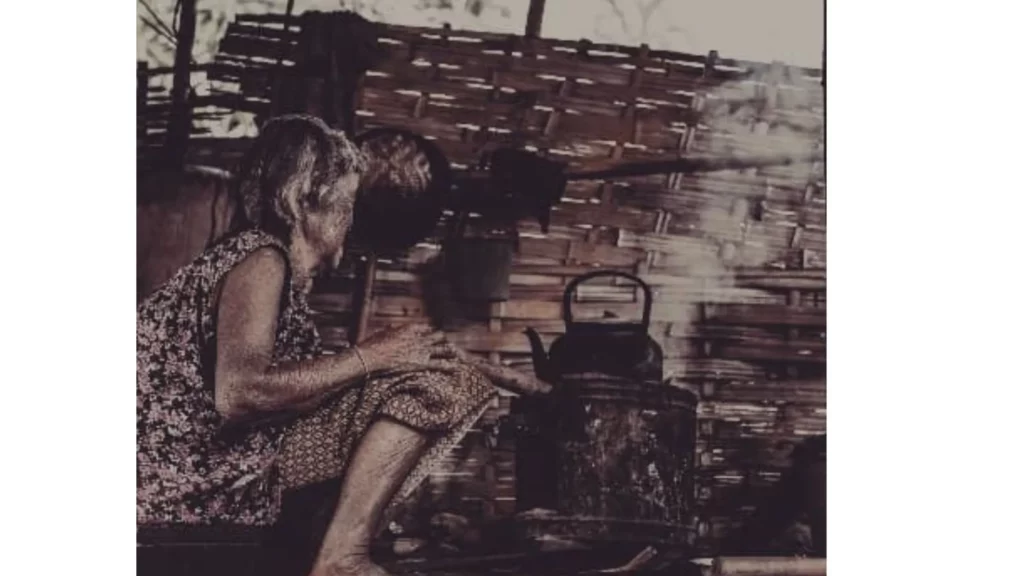
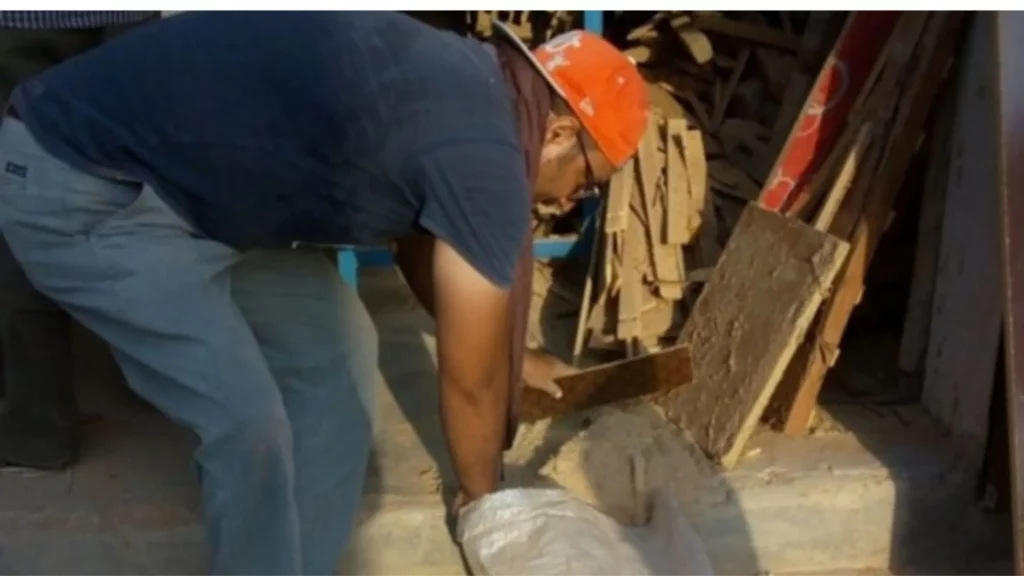
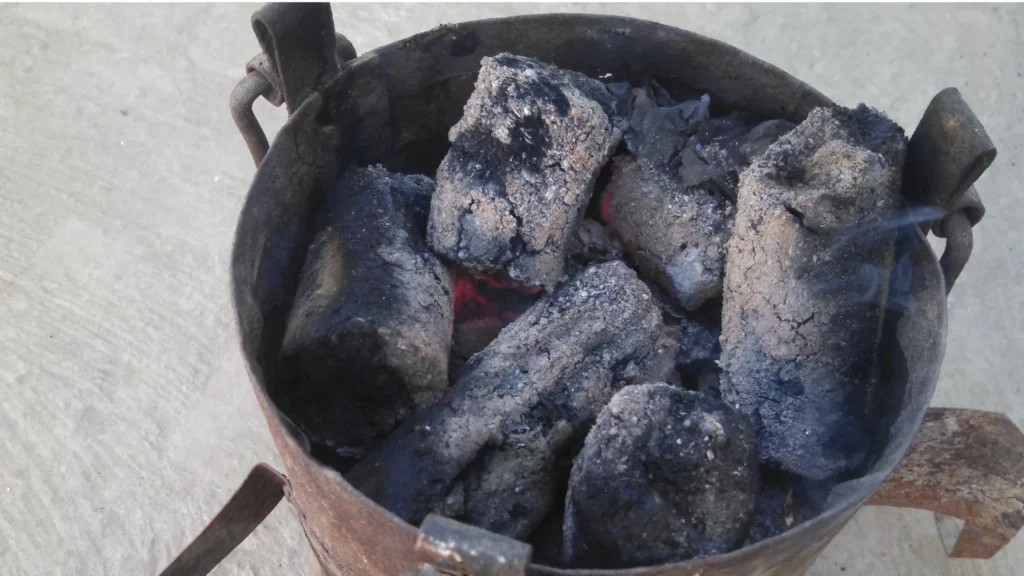
A collage showing wood chips, agricultural waste, two men holding a bag of finished biochar, and a high-heat combustion fire.

A Case Study of the Expedition of Biomass Energy

Expedition of Biomass Energy

The Expedition of biomass energy such as composite briquettes of sawdust becomes a good source of renewable energy for household cooking. This product contains so many benefits. A broad biomass range includes wood waste from forest-based industries crop residues food and paper industries residue municipal solid waste. it can be utilized in different energy types such as heat electricity combined heat& power and some other types of bioenergy. Biomass is referred to all biological matters including all kinds of substances originating from living organisms and it’s the 3rd largest energy source of the world. Since understanding the application and viability of the briquettes. The author started working five years ago. The author starts by simply making briquettes in a pot by mixing the char with starch(binding agent). Then used later these briquettes to fry an egg for breakfast. In this blog Author shares, it entire effort to show the world, especially developing countries. in this Blog/article a case study of the expedition of biomass energy short brief is discussed. By implementing more or less you will become part of the movement to fight against climate change & save the world before it’s too late.

Collection of Raw material

The input material for the production of quality briquettes was collected from the three main markets of Bahawalpur. To gather the data for the average production of the briquettes. 07- Days field visit and collection of waste performed. No statistical analysis was made before it for the collection and usage of this fraction of waste for recycled and reused sustainably. There are 3 main points used for the analysis of the physical composition, type, and generation of industrial waste.
1) By using primary data to make an empirical approachability
2) Questionnaire
3) Using controlled and monitored data from existing waste management
system.
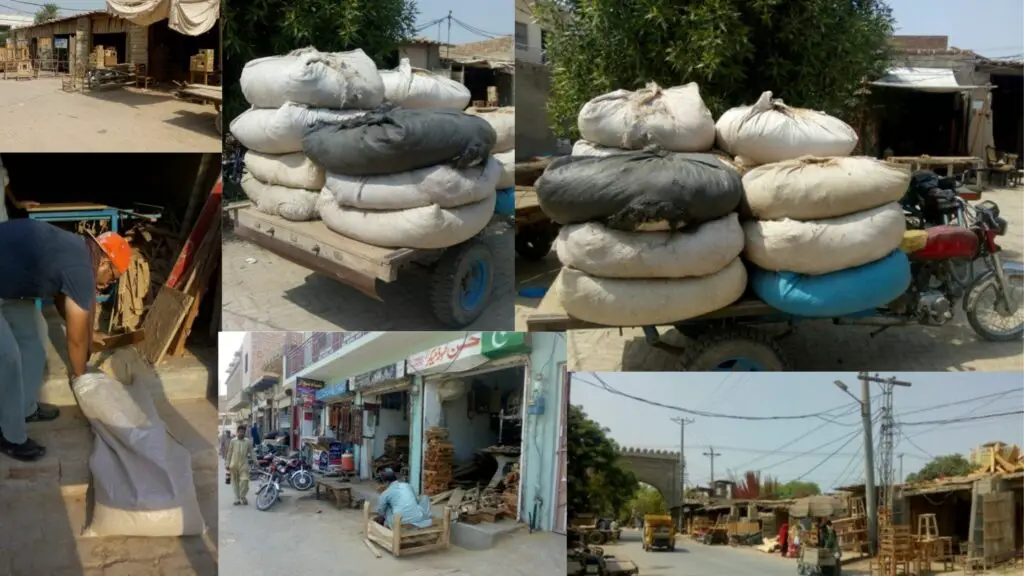
collection of raw material

Converting raw material into Biomass energy

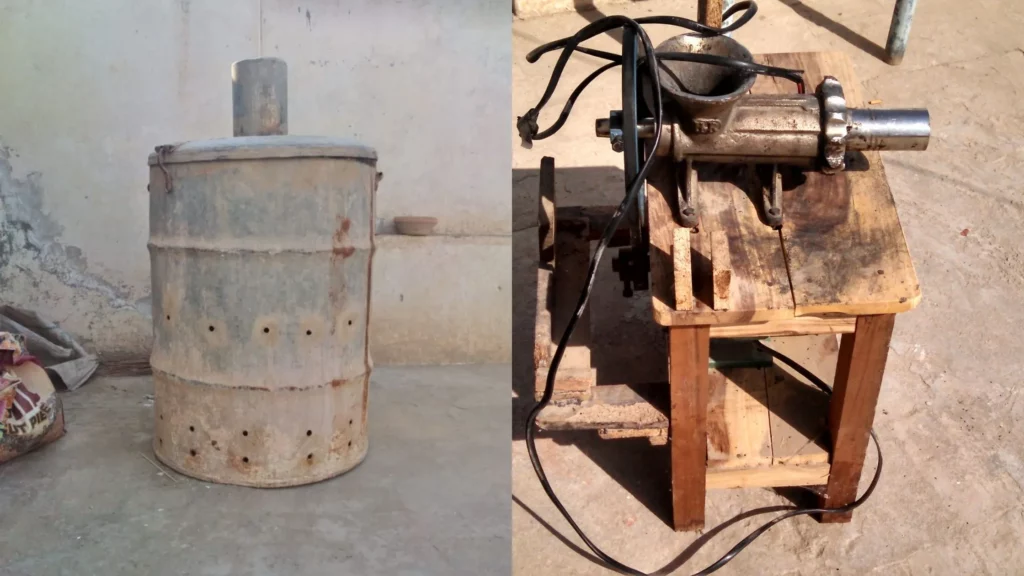
The collected sawdust was spread and cleaned from metallic scrap and other contaminations with the help of sieves and magnets. Thereafter the raw material is loaded into the pyrolyzer. The sawdust ignited with the help of match stick and then covered from the top. The small holes in the drum control the combustion air. The size of the holes in the drum reduces the excess amount of oxygen thus causing slow carbonization in the drum. The whole process was referred to the slow pyrolysis. The process takes 7 to 8 hrs up to the complete carbonization of the feed.
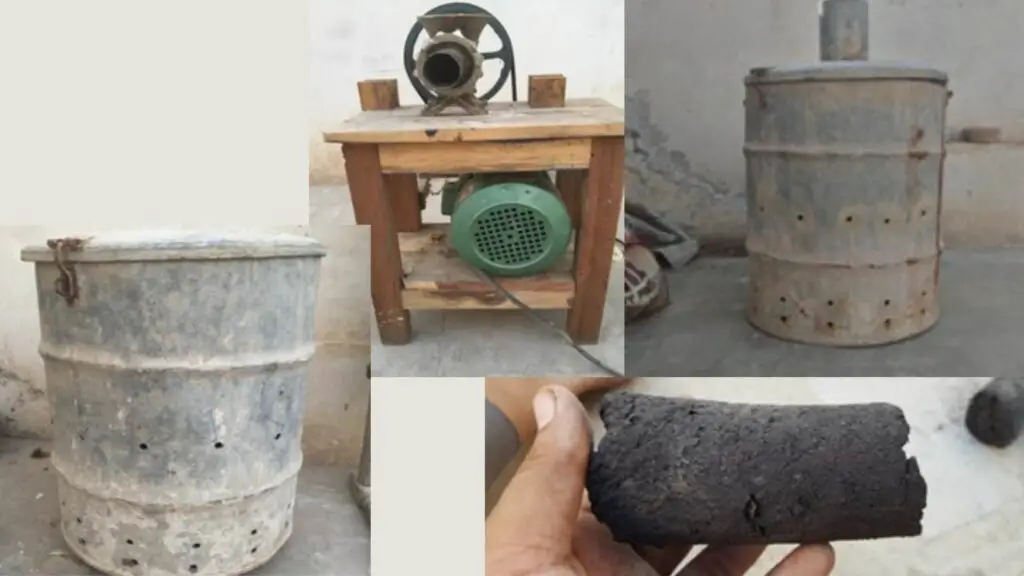
charcoal briquette
charcoal briquette

Making equipment for Expedition of biomass energy

The collected waste from different furniture markets gathered and by using briquette machine. The charcoal briquettes were produced. The cylindrical shape of briquettes made them easy to handle, store and use. The
briquettes were packed in the 40kg polyethylene bag for storage purposes. The shape of the briquettes gave them a good shutter index value. The amount of sawdust used and no of briquettes produced was a cost-effective element of the study. The biomass waste can be used sustainably to fulfilling the all postulates of the integrated solid waste management.
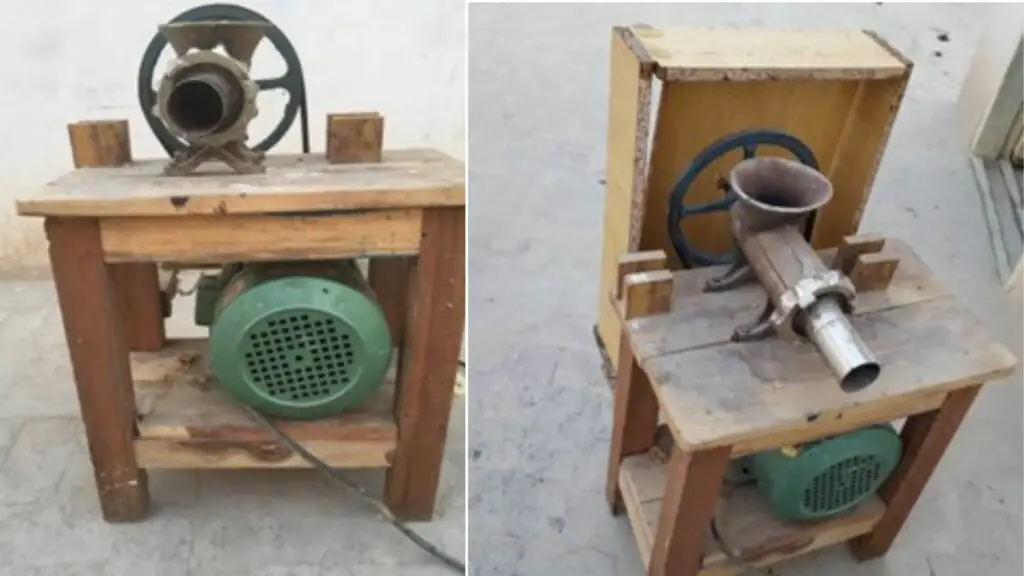
Equipment & machine
Equipment & machine

Briquette Machine (Expedition of biomass energy)

The machine was modified in the local wood workshop with main parts main frame which was made of wood, molding unit, safety block and 2 hp motor. The prepared feed made from char and starch as a binding agent is the form of lump so the meat mince machine modified as it was highly suitable and easily locally available for the production of the briquettes. As the char and starch mixed together became the agglomeration form so the modified machine with the 1 HP motor can easily operate to form the cylindrical-shaped charcoal briquettes.

Safety block

The safety aspect of the machine is considered. To meet the safety for workers a block of woods is installed at backside of the motor where rotary wheel and extruder were connected. The wooden blocks were arranged in that manner the machine become easy to open for maintenance and will protect the operators from sudden accidental injuries. The main cause of injuries was mainly occurred at rotary wheel sections due to human errors or mechanical troubleshooting.

Evaluation of the Potential of Briquettes

The evaluation of bioenergy refers to the calorific value of the product and its sustainable household usage for the cooking and space heating is the main aspect of the utilization of this specific waste into charcoal briquettes. The next phase of the study, the household usage of these briquettes and the burning rate of the charcoal briquettes shows the bioenergy potential. The burning rate test was performed on 01-liter water boiling and 01 egg frying. The
time and Number of briquettes used in boiling and frying were noted. The rate of burning leads to the find the applicability of these briquettes in household usage and also the economic aspect of the briquette production against the traditional used wood and charcoal for cooking and space heating, especially in rural areas where people don’t have access of natural gas and cheaper fuels. The burning rate test was performed on the iron stove in which briquettes were placed and ignited with match sticks. The number of briquettes and time taken to boil the water noted.
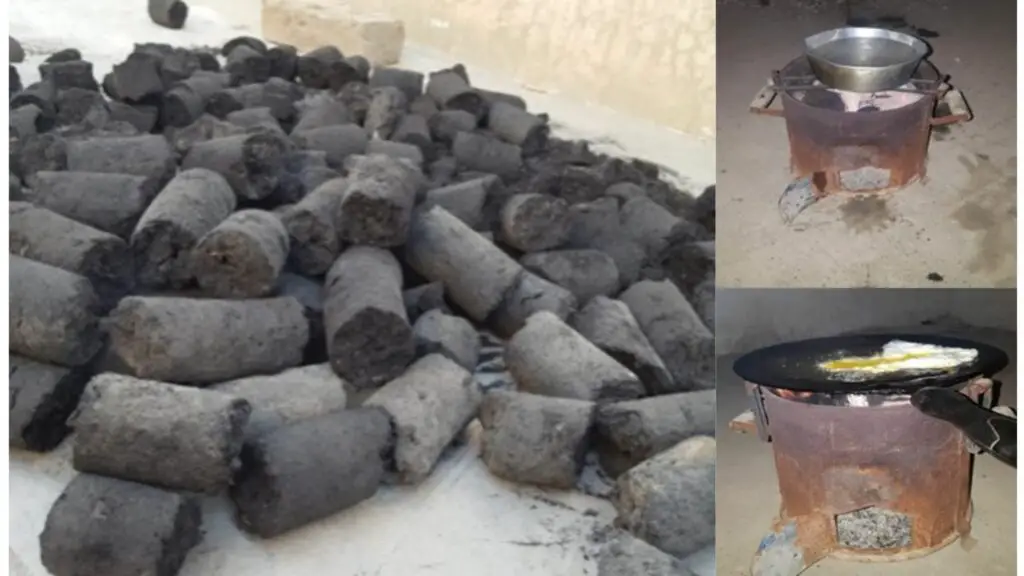
Evaluation and Practical outcomes
Evaluation

Promotion of Briquetting Technique

This success leads author to promote and develop a strong community, which can also promote and adopt this sustainable technique in different regions of world as well as in Pakistan. The First priority is to explode the expedition of biomass energy. the As country has a frail economy so government does not really admire or support such sustainable development. so Author decide to promote and implement this whole success story on his own. The best way to implement this is through social media and website making. so Author made a Website named biofuelspk.com. The making of a website is a difficult task but By using WordPress for the main interface. The next step is Webhosting for the best Webhosting experience Author used Vultr.com. In this site, many articles have been written for the purpose of promoting bioenergy, biofuels and other renewable sources. All the blogs/articles have different kinds of techniques that are sustainable and address benefits of both climate change and global warming issues. The main Blogs/articles named the nexus of renewables to energy impediment , Epic tips and tweaks for indoor sustainability There are so many other platforms which author used from social media you may try to get more Youtube channel, Biofuels,Bioenergy Potential, wealth of waste. In starting moment or struggle for become the part of the moment one’s should understand the power and applications of social media. without it any effort or struggle in any form movement will be ruined because it is the best opportunity to share your work with the world.

Conclusions

As the world’s environment going critical day by day. it is our duty to show some part of the moment for their inhaling and betterment. As time passed it is getting worse. so above mentioned case study is a little part of the entire world that the world actually doing for many years. This blog/ article a case study of the expedition of biomass energy will give you the basic guideline for how to start acting from your home. All the techniques and tips are performed by Author highly efficient and cheap to adopt in any kind of dwelling. watch visit the given links and become a part of the World’s emerging and leading problem.

For insights into China’s low-cost, high-gain approach to biomethanol production, check out our detailed article: Fueling Profits: The Chinese Model for Low-Cost, High-Gains Biomethanol .

A Case Study of the Expedition of Biomass Energy Read More »
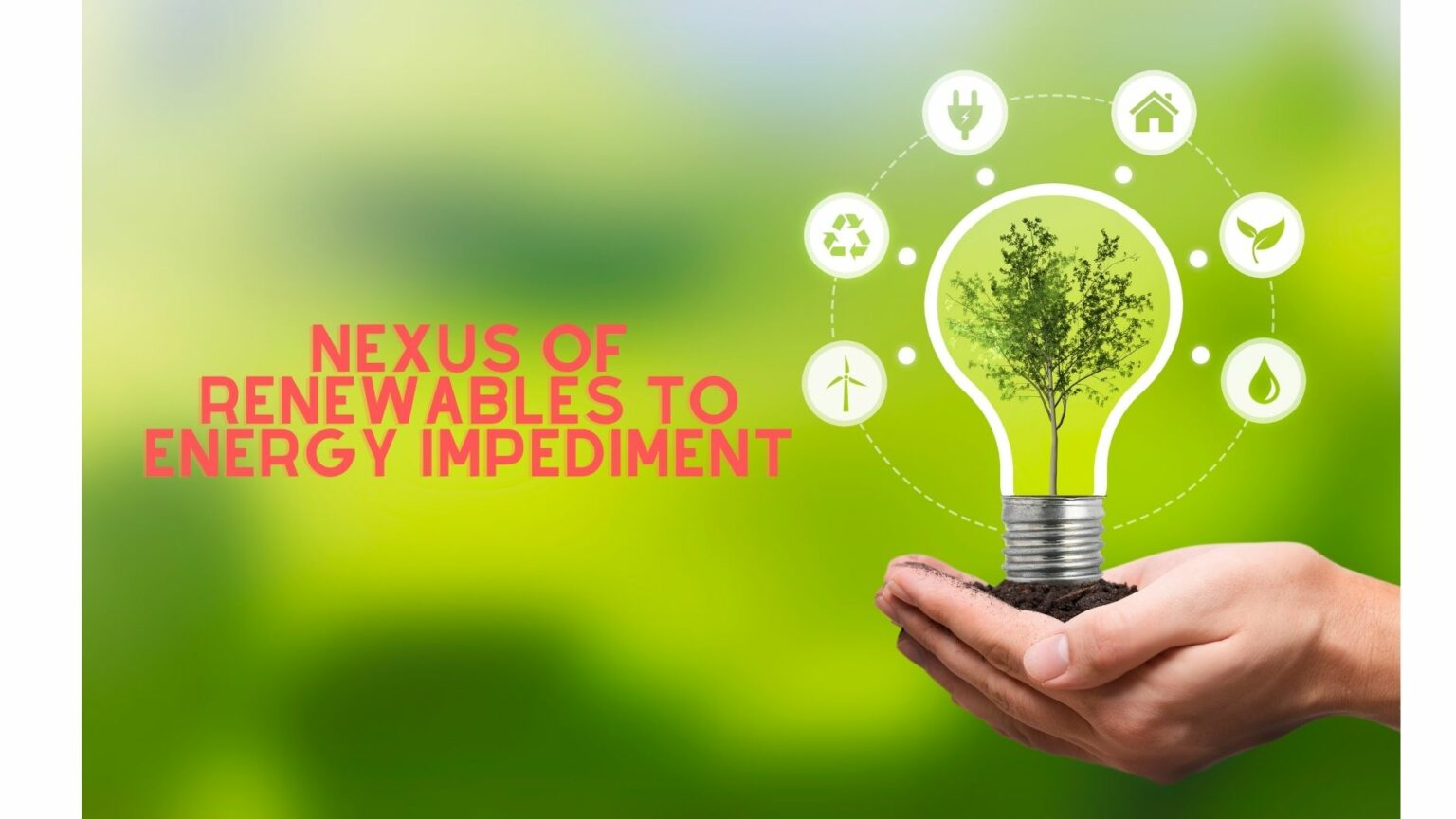
A hand holding a lightbulb with a tree growing inside it, surrounded by icons for recycling, wind energy, electricity, housing, plants, and water, against a green background with the text "Nexus of Renewables to Energy Impediment

The Nexus of Renewables to Energy Impediment

Nexus of Renewables

The Nexus of Renewables to energy impediment is a defining expedition of how you can use renewables to generate heat sustainably. There are many ways you can learn and utilize to produce heat energy. These techniques and phenomena can easy to implement. Following are the few techniques that can be easily implemented. These postulates can be useful in homes and research laboratories. These techniques or postulates can lead to sustainable development.

Solar efficiency:

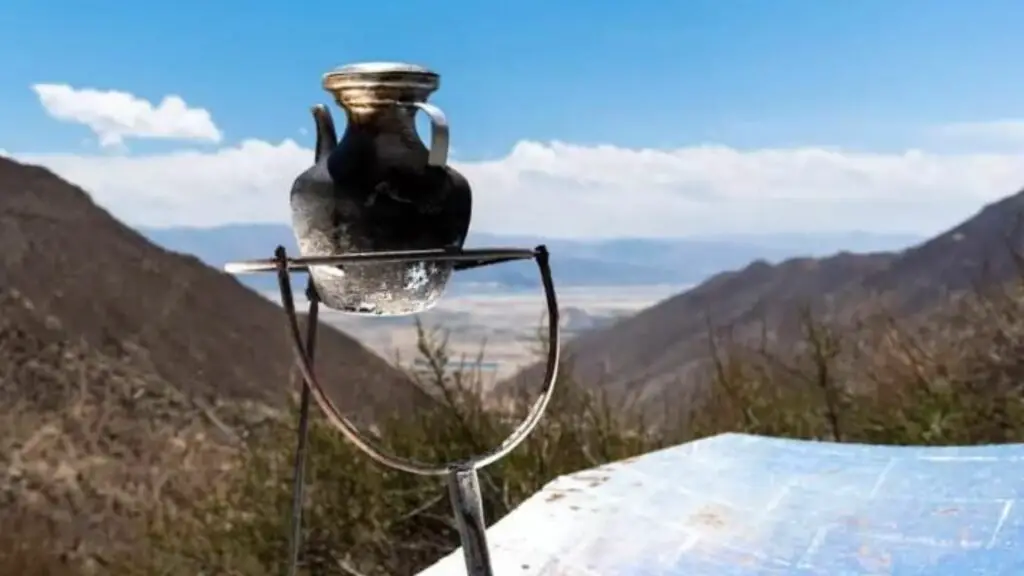
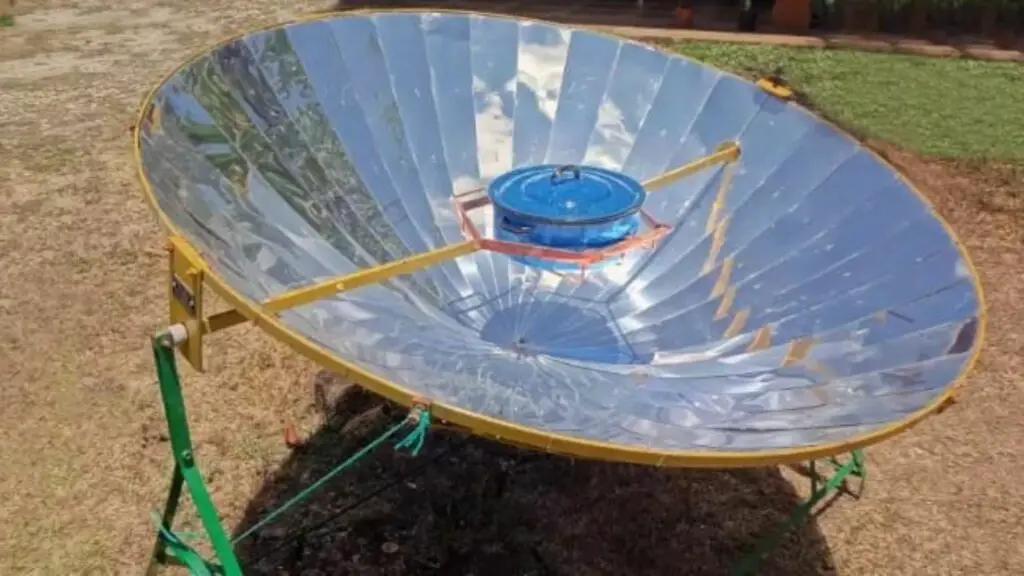
In My latest experience, solar cookers are great when they are big enough to do the cooking task in a reasonable amount of time. You can cook in the summer to cook lunch and dinner for 20 people. it’s nice to have a no-fuss oven that needs little tending. Solar cooking is certainly more comfortable when cooks don’t have to deal with a hot fire on summer days. You can used stored solar energy in the winter (biomass) and direct solar energy (sunlight) in the summer for cooking, heating water, etc.

Solar efficiency
Solar Efficiency

Solar cooking:

In a solar oven with the firepower of one pound of wood (burned in an hour) the intercepted sunlight should be about 6′ by 6′. This is the measurement at the top edges of the solar reflectors. The widest part of the cooker. About 1/3 of the energy cooks the food and about 2/3rds of the energy is lost. In our 6′ by 6′ solar oven, 3,000 BTUs would boil 2 gallons of water in about an hour. The lightweight pot is black, it has a tight lid, the oven is well insulated, and airtight. The glass is double glazed. The losses are minimized and the solar gain is optimized with large reflectors on all sides. Large amounts of food can be made every sunny day without using up any earthly resources. its a best example to understand nexus of renewables.

Solar Cooking
Solar cooking

Stove Implications:

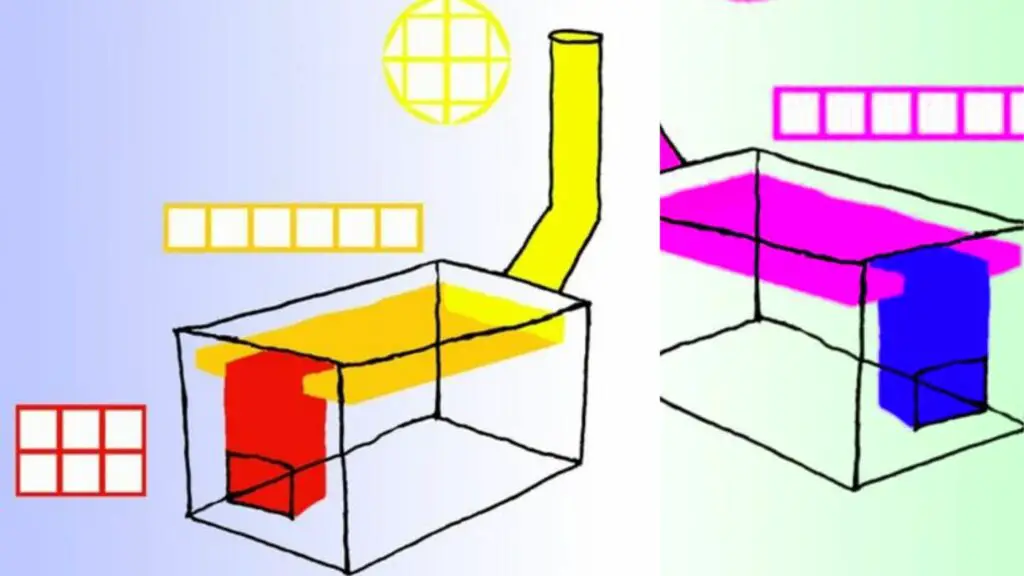
When building and test stoves I often reflect on gentle advice that helped to improve the stove. In a 2-pot horizontal stove, channel gaps around the pots that are 0.75 constant cross-sectional area. That are a good compromise between maintaining needed draft and increasing heat transfer efficiency. The cross-sectional area of the fuel entrance in the Rocket combustion chamber. It was about 16 square inches so we made the channel gaps all the way to the chimney at 0.75 times 16 square inches. That’s all may help everyone to get a good stove or fire chamber within nexus of renewables.

Stove test Implications
stove test Implications

Promoting clean solution

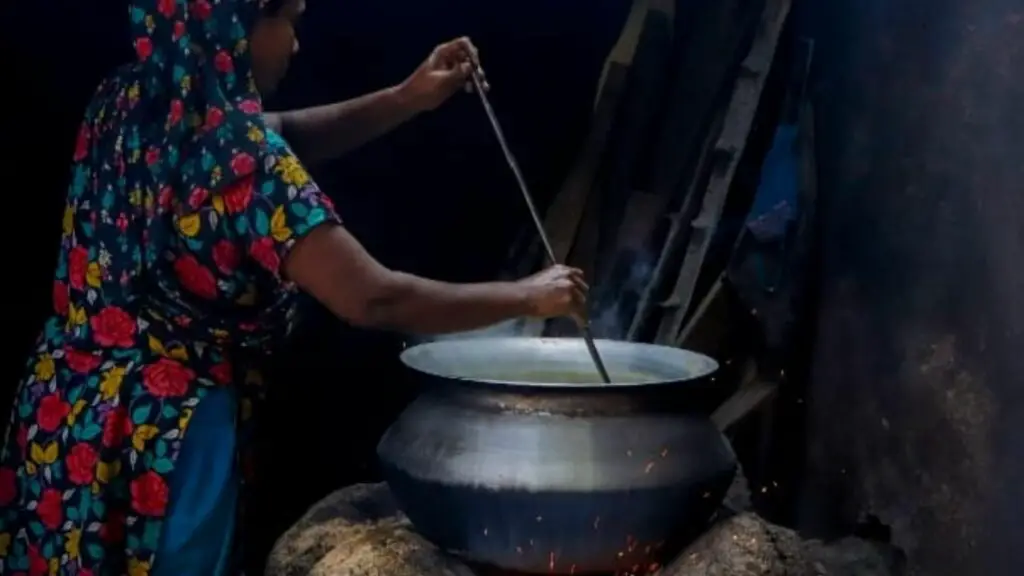
Providing clean energy to households is critical to achieving global climate and sustainable development goals. Smoke from fireplaces, cookstoves, and lighting is responsible for more than half of human-made black carbon emissions. The millions of premature deaths from household air pollution is also alarming.

stove solutions
Stove Solutions

Home Stoves effects

If stoves pollute the home, they certainly will in the fields. It had estimated at least 3 times more. Commercially available biomass cookstoves that meet World Health Organization standards are very rare. We should try to continue to be committed to doing research and development. To get the needed new stoves to market so that field studies will show success in sales, protecting health, saving wood, and making cooks happy.

Stove effects
stove effects

Start Research on the nexus of Renewables

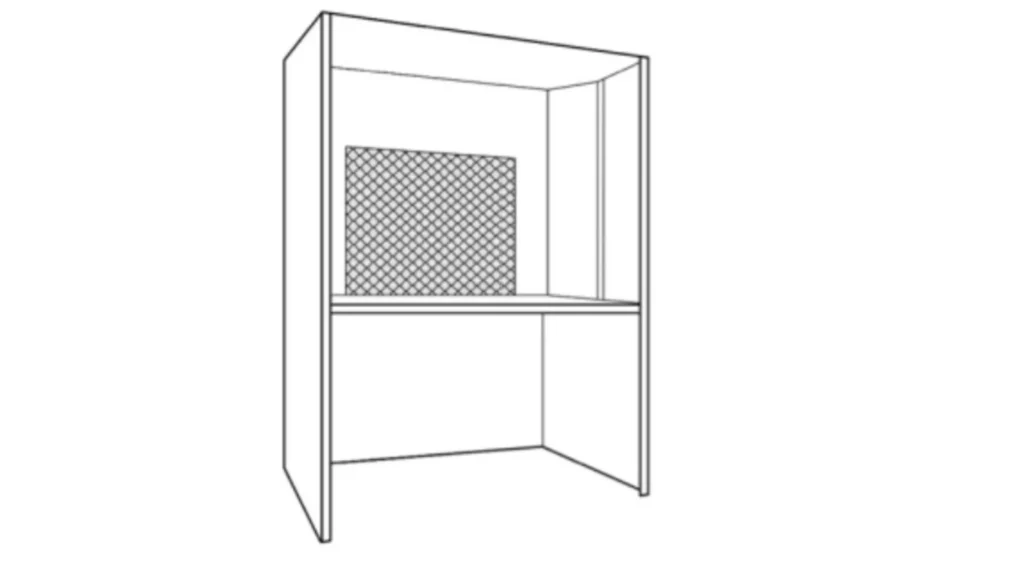
The Water Boiling Test (WBT) measured in the lab how much wood was used at full power and when simmering water. The writers of the International Testing Standards defined the purpose of the WBT. While it does not correlate to actual stove performance when cooking food. It facilitates the comparison of stoves under controlled conditions with relatively few cultural variables. Another test Kitchen Performance Test (KPT) measured fuel use in actual households, and the Controlled Cooking Test (CCT) was a bridge between the WBT and the KPT. The Controlled (or Uncontrolled) Cooking Test to develop stoves with local committees. In this test, locals cook with their own fuel, pots, and cooking practices. So hopefully at Regional Testing and Knowledge Centers under the total capture emissions hood. Using the WBT in the lab or home has been a good tool to improve heat transfer and combustion efficiency. its a better way to understand the nexus of renewables. The cooks, marketers, manufacturers, and funders in the project have to make the stove. It must work for users. They are experts.

Boiling water test
Boiling Water test

Concepts of JET FLAME:

The Jet-Flame was developed from combustion concepts of combustion in fluidzed beds. In its most basic form, fuel particles are suspended in a hot, bubbling fluidity bed of ash and other particulate materials (sand, limestone etc.). Through which (under air) jets of air are blown to provide the oxygen required for combustion or gasification. The resultant fast and intimate mixing of gas and solids promotes rapid heat transfer and chemical reactions within the bed.”

jet flame
jet Flame

Inside & outside air quality

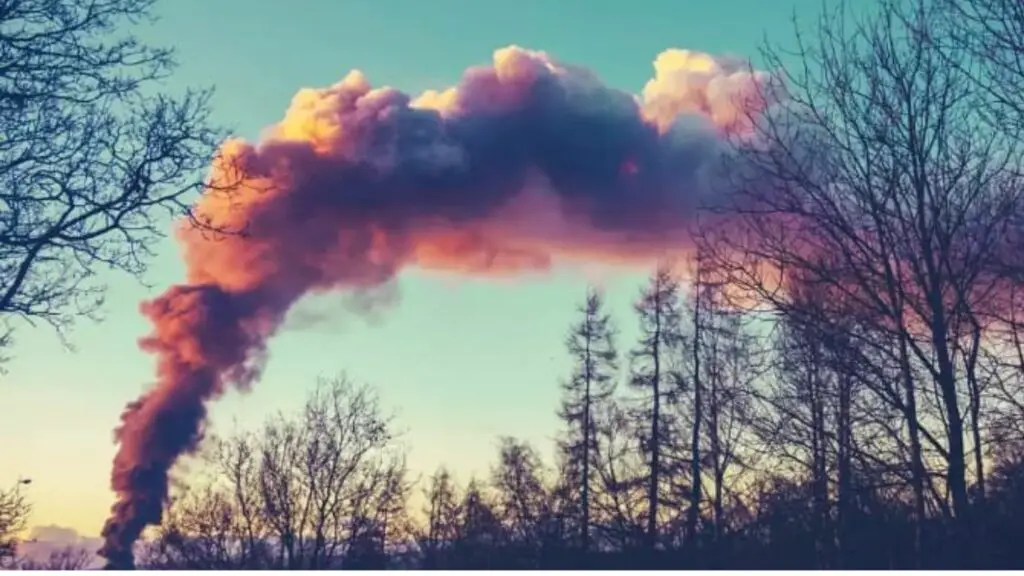
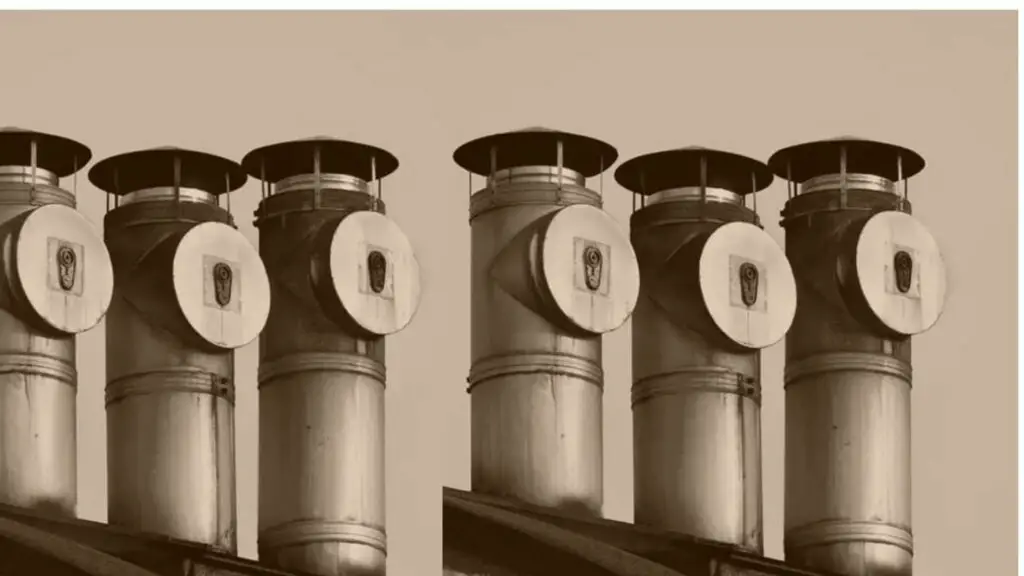
Here in rural Areas of Cholistan, unfortunately, smoke pours out of chimneys all day and night. As folks stay warm with wood especially in winter was. Heating stoves can be very smoky! The airtight chimney and stove get essentially all of the smoke outside of the building. The concentrations are and the stove gets essentially all of the smoke outside of the building where concentrations are diluted. Now, of course, trying to combine high combustion efficiency with effective chimneys. We need to protect the quality of the outside air, as well. The combination is intended to protect indoor and outdoor air. If the outdoor air is polluted it is less effective in lowering harmful concentrations. Combustion efficiency is always great. it protect health it must increase when the outside air quality is degraded.

Air quality
Air quality

Heat & Combustion:

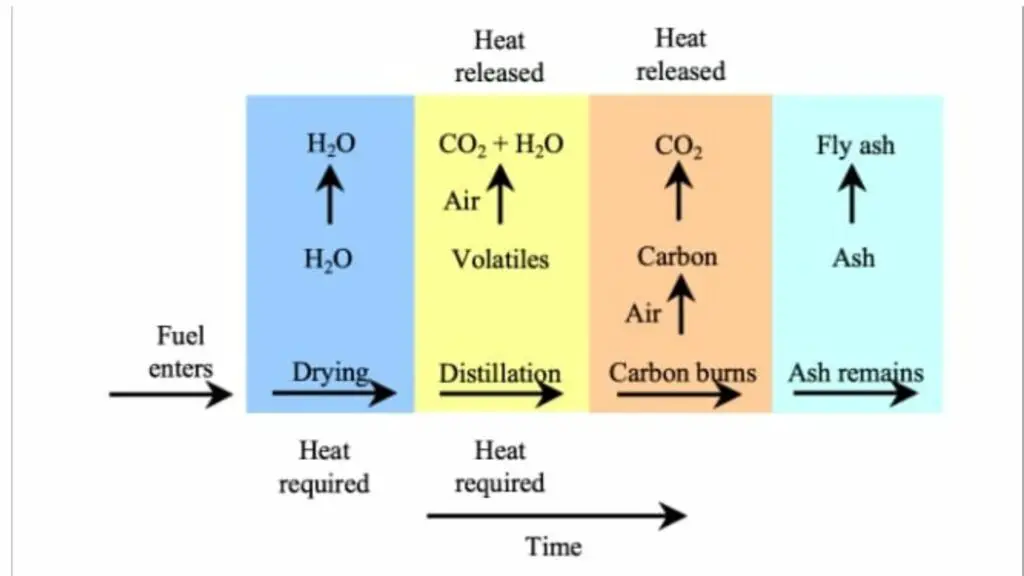
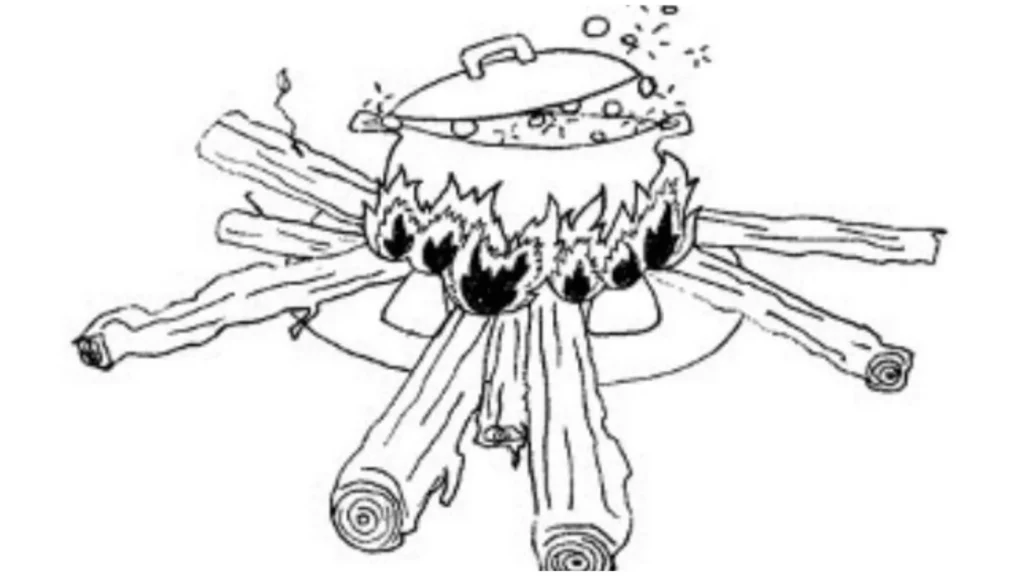
The combustion of wood and other raw biomass is very complicated but can be broken down crudely as shown in image below. The solid is heated to about 100ºC. The absorbed water is boiled out of the wood or migrates along the wood grain to cooler areas and re-condenses. At slightly higher temperatures, water that is weakly bound to molecular groups is also given off. Heat transfer through the wood is primarily by convection.”

Heat & Combustion
Heat & Combustion

Indoor sustainable solution of renewables

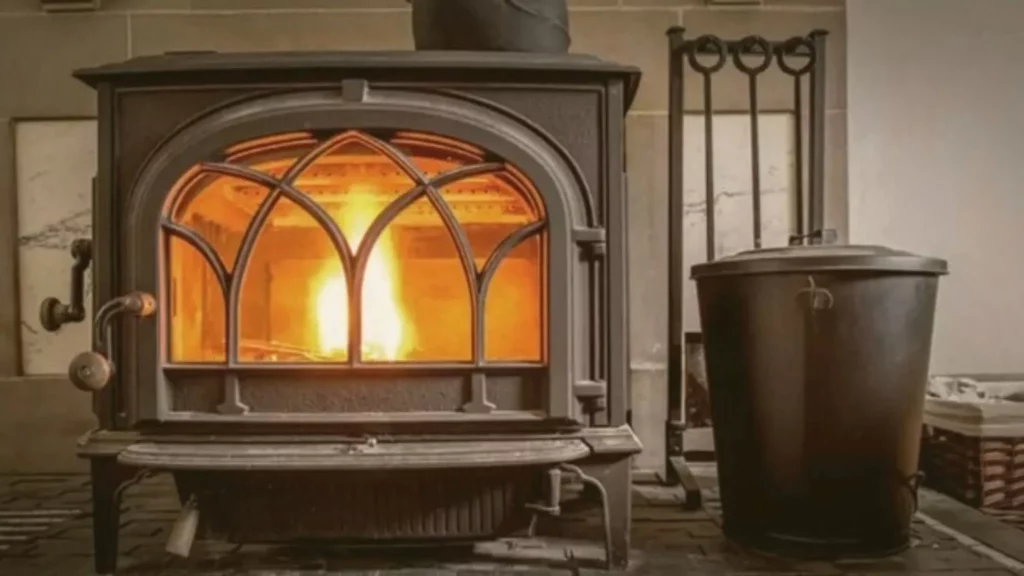
Venting emission targets is a necessary and ever-present goal. At the same time, wood-burning stoves can be improved in many other ways. Improving the smoky mud stove to use less fuel is not a complete cure but is very helpful, benefitting the user who either pays for the fuel or has to collect it. The functional chimney makes a tremendous difference by sending smoke and gas out of the kitchen, making it a more pleasant and healthy environment in reflection of the nexus of renewables.

Indoor sustainable
Indoor sustainable

Iso standard Compliance nexus of renewables

ISO 19867-3 reports that studies of air exchange rates have found a lot of variation in ventilation, from 4 ACH in very tight buildings to 100 ACH outside in the fresh air. At 100 ACH, with so much dilution occurring outside, achieving Tier 4 for PM2.5 and CO is easier. In our experience, the most successful and cost-effective interventions are situation-dependent. We find that a combination of approaches to protecting health enables welcome adaptability to the actual and interwoven circumstances.

ventilation effects
Ventilation effects

Ventilation effects on indoor sustainability:

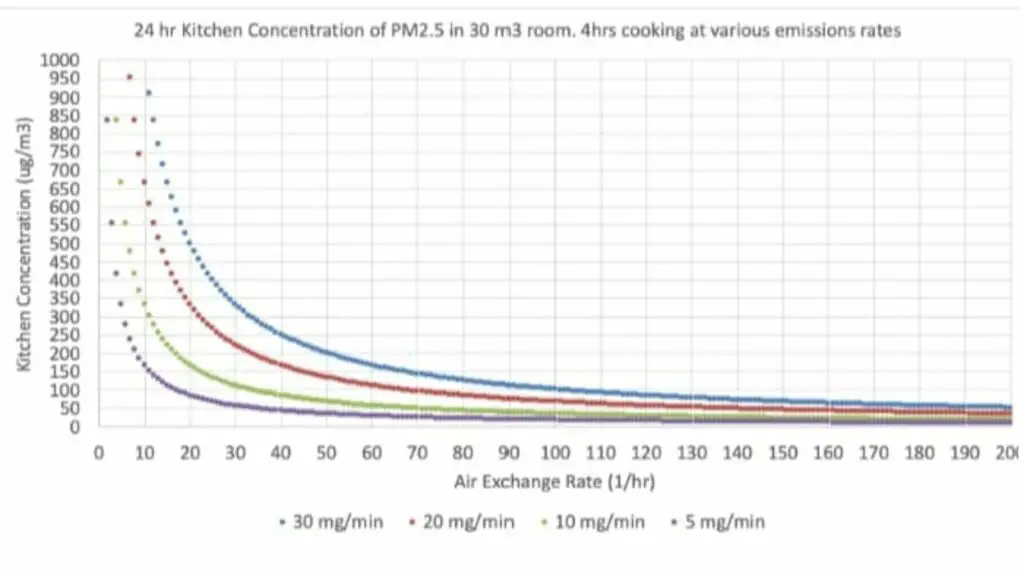
By doubling the air exchange rate cuts pollution (PM2.5 and CO) in half. In a low ventilation situation, 10 ACH(air change per hour) Tier 4 requires that the emissions of CO are lower than 2.2 grams per megajoule delivered to the pot (g/MJd). But in a higher ventilation condition (30 ACH) the stove can be three times dirtier, emitting up to 7 g/MJd, and still be in Tier 4. Cooking outside is often employed by the cooks we work with because smoke is bothersome and unhealthy.

Air echange vs Kitchen concentration
Air Exchange vs Kitchen Concentration

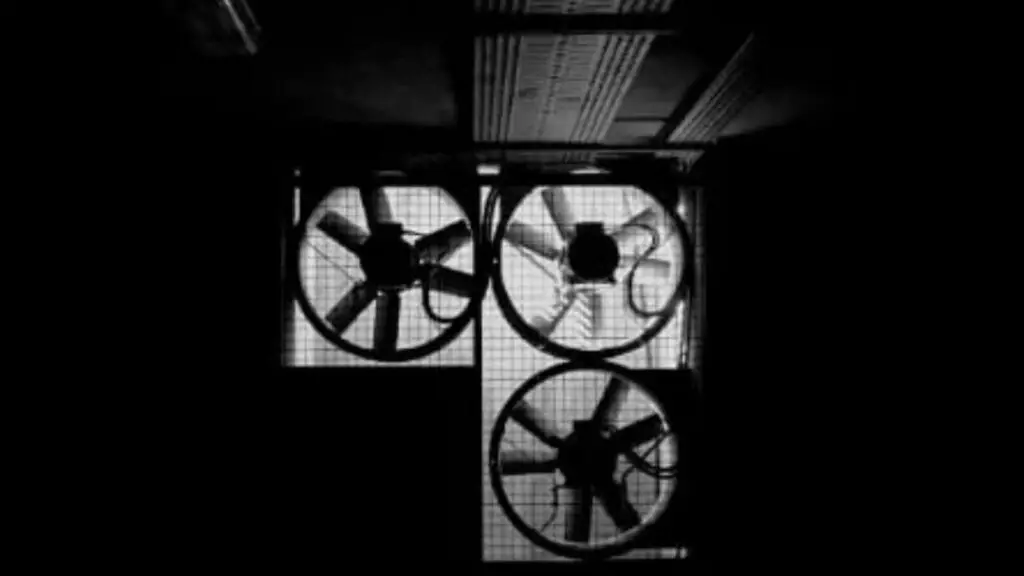
Carbon Neutral & Fan box idea

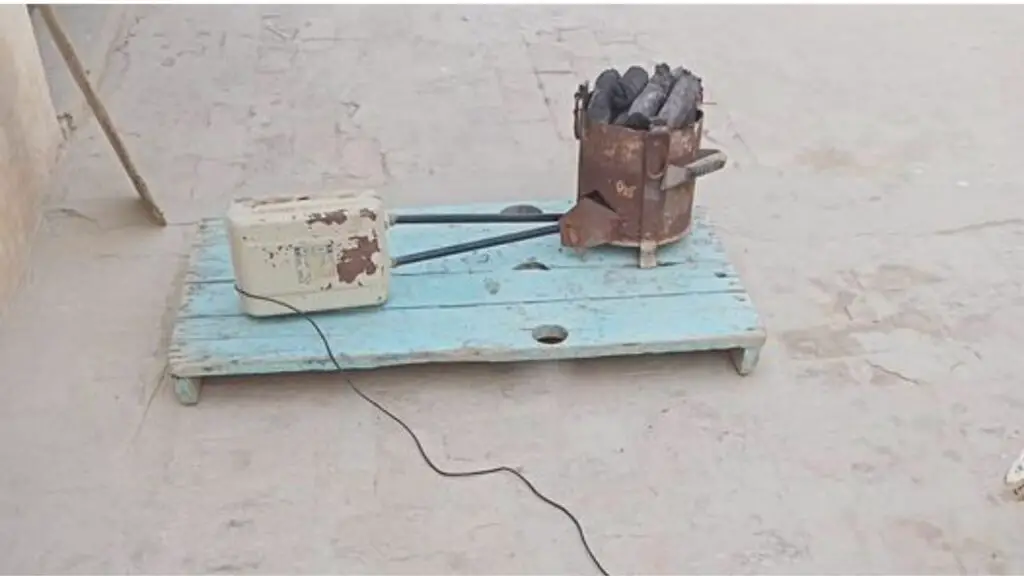
Burning wood, agricultural waste, or even cow dung is a carbon-neutral energy source & also start a fire without making a lot of smoke. Fan Box or jet flame in a metal skirt around a cooking pot can help with fuel efficiency. This leads to generating carbon-neutral stoves & combustion chambers for households and industries.

Fan Box idea
Fan Box Idea

Filters to Fire Chambers

Generally, filtration can work very well to capture dust and smoke with reported efficiencies of up to 99%. Catalytic converters are placed into the hot exhaust path where temperatures are hot enough (above 426°C). They work well with CO (30% to 95%) but not so well to remove PM2.5 (30% to 40%) (Hukkanen, et al., 2012). The Swiss electrostatic precipitator (ESP) called the OekoTube has been measured to reduce PM2.5 by 80.2% to 97.7%. However, as in industrial uses, routine cleaning is necessary to remove creosote and other coatings that interfere with proper function. Unlike filters and catalytic converters, the low wattage ESP does not reduce the draft in the stove, which could be potentially advantageous also for the nexus of renewables.

Fire chambers
fire chambers

Stoves evaluation & Solutions

When cooking stoves are tested in the field the emissions of PM2.5 and CO are often higher than lab results. The wood can be wetter, the fire is made with less attention, and many real life variables create higher levels of pollution. It’s hard to imagine that unvented cookstoves for indoor use can be invented that will protect health when too much wet fuel is pushed quickly into the combustion chamber. Clean burning stoves require clean fuel just like automobiles. The sticks of wood need to be relatively dry and the metering of the sticks into the combustion chamber cannot happen too quickly. Adding a chimney is not always a possibility. In these cases, it is helpful to better understand the nexus of renewables move cooking out of the closed kitchen, for example under a veranda in the open air. Increasing air exchange rates by cooking under a veranda has been shown to dramatically lower concentrations of harmful PM and CO.

stove evaluations
stove evaluation

Barrel & Jet-Flame to renewables:

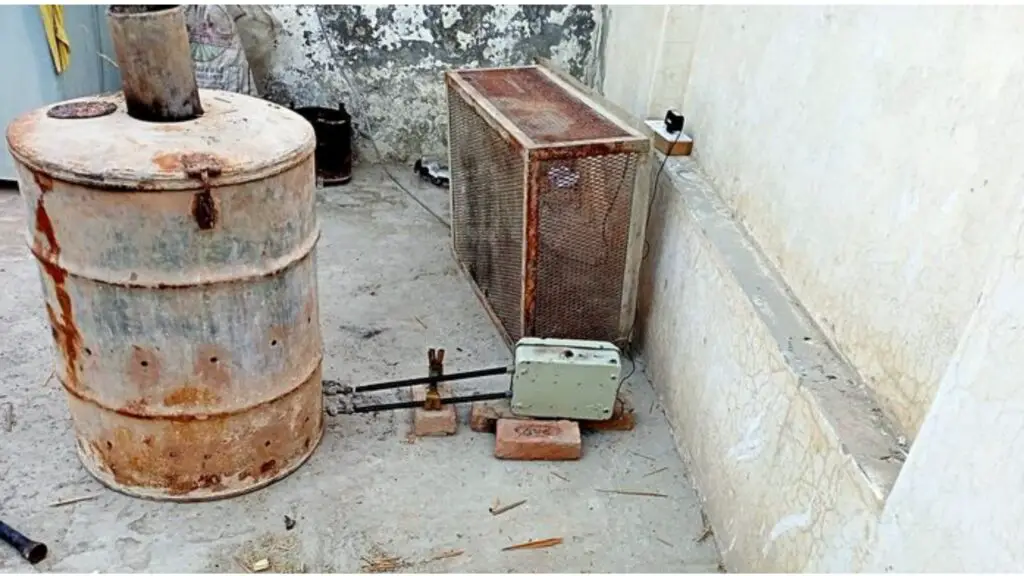
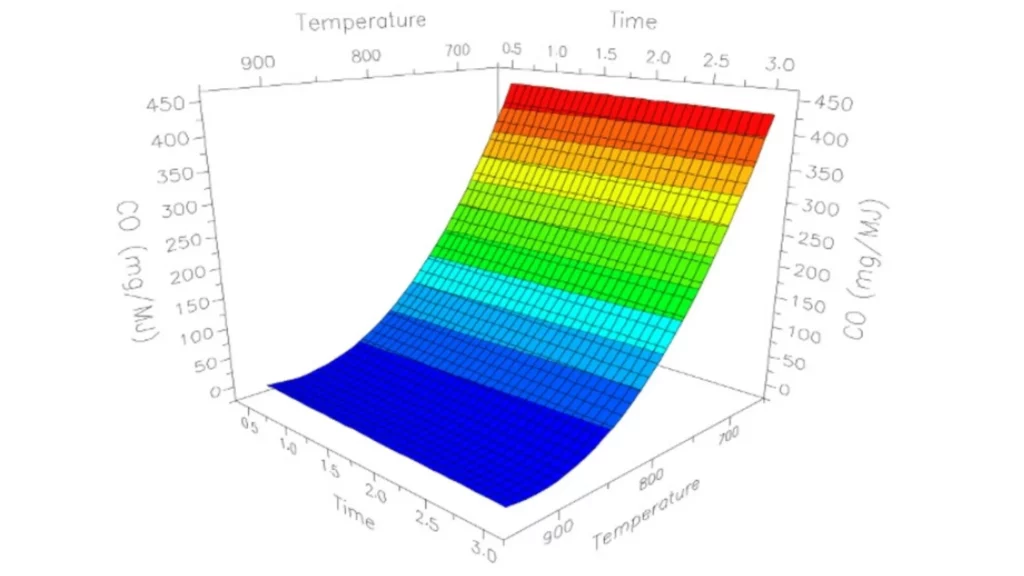
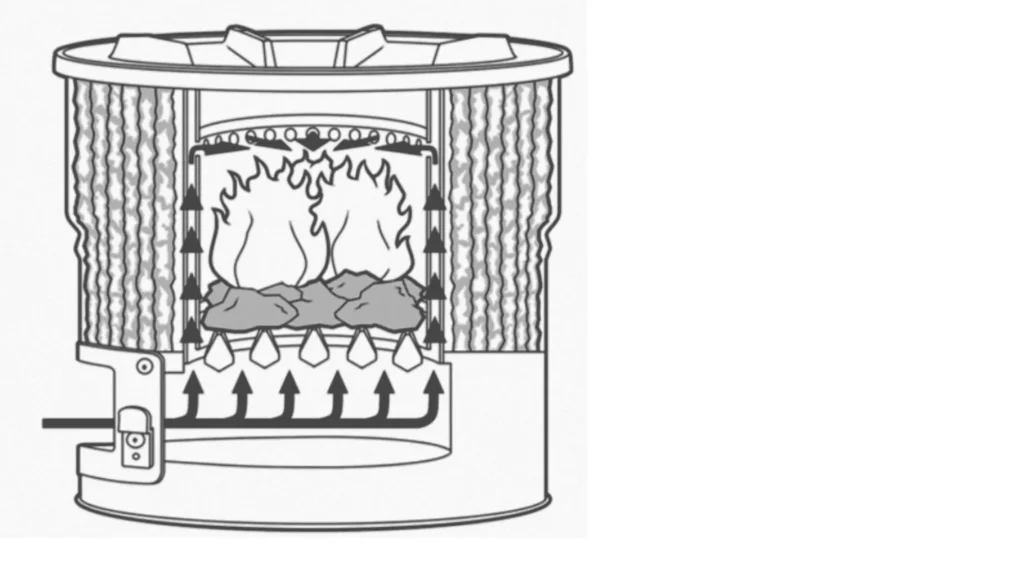
The Barrel with Bottom jet flame achieves around 1-2mg/min PM2.5 at high power without an appreciable amount of residence time, as seen below. The jets of forced air create a downward flow of flame but there is only 107cm between the top of the fuel bed and the bottom of the pot when starting the stove. when temperatures are around 900°C the near-complete combustion of CO and PM requires only short residence times of 0.5 second. During such conditions, the residence time in the post-combustion zone is of minor importance for minimizing the emissions of products of incomplete combustion. For optimal results, a residence time of 0.5 seconds is suggested.The Barrel with bottom jet flame is clean burning at 950°C with very limited combustion time. Perhaps the combination of

  1. Metering the right amount of wood-gas into the combustion zone
  2. Coupled with molecular mixing
  3. At around 950°C reduces the need for
  4. Longer combustion times.
Barrel as pyrolyzer for pyrolysis process
Barrel

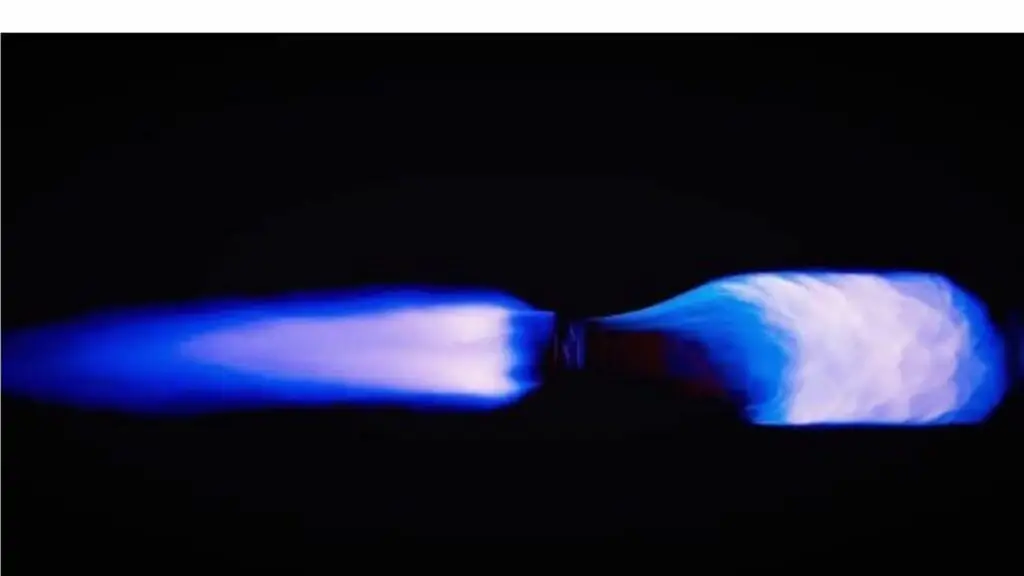
Jet flame in stoves:

The Jet-Flame is used with a Three Stone Fire the jets of air blow up into the made charcoal improving the mixing of woodgas, air, and flame in a zone of intense heat. The combination of molecular mixing, higher temperatures in the combustion zone, and sufficient residence time results in dramatically reduced emissions and higher temperatures delivered to the cooking pot.

Jet flame
jet flame

Conclusions

As nowadays there is ongoing momentum on how to mitigate climate change, global warming and other issues of energy generation sustainability. These above-mentioned hacks have the potential to get the maximum result in policymaking. By understanding the point that we all can together save our environment. Starting from home or kitchen, By implementing these implications in fields, agriculture, in production of heat or another form of energy whether small or at a larger scale. if one’s starts on their own there will her a huge change in saving our environment. Adopting Sustainable development will eventually result in a better world. The energy resources and other reservoirs can be better utilized and will be a gift for upcoming generations. The purpose of the nexus of renewables to energy impediment is a part of the moment that is ongoing in the world for having the world in better hands or actually saving the world.

to get more related Articles & Blogs try Out Now https://biofuelspk.com/indoor-sustainability/

The Nexus of Renewables to Energy Impediment Read More »

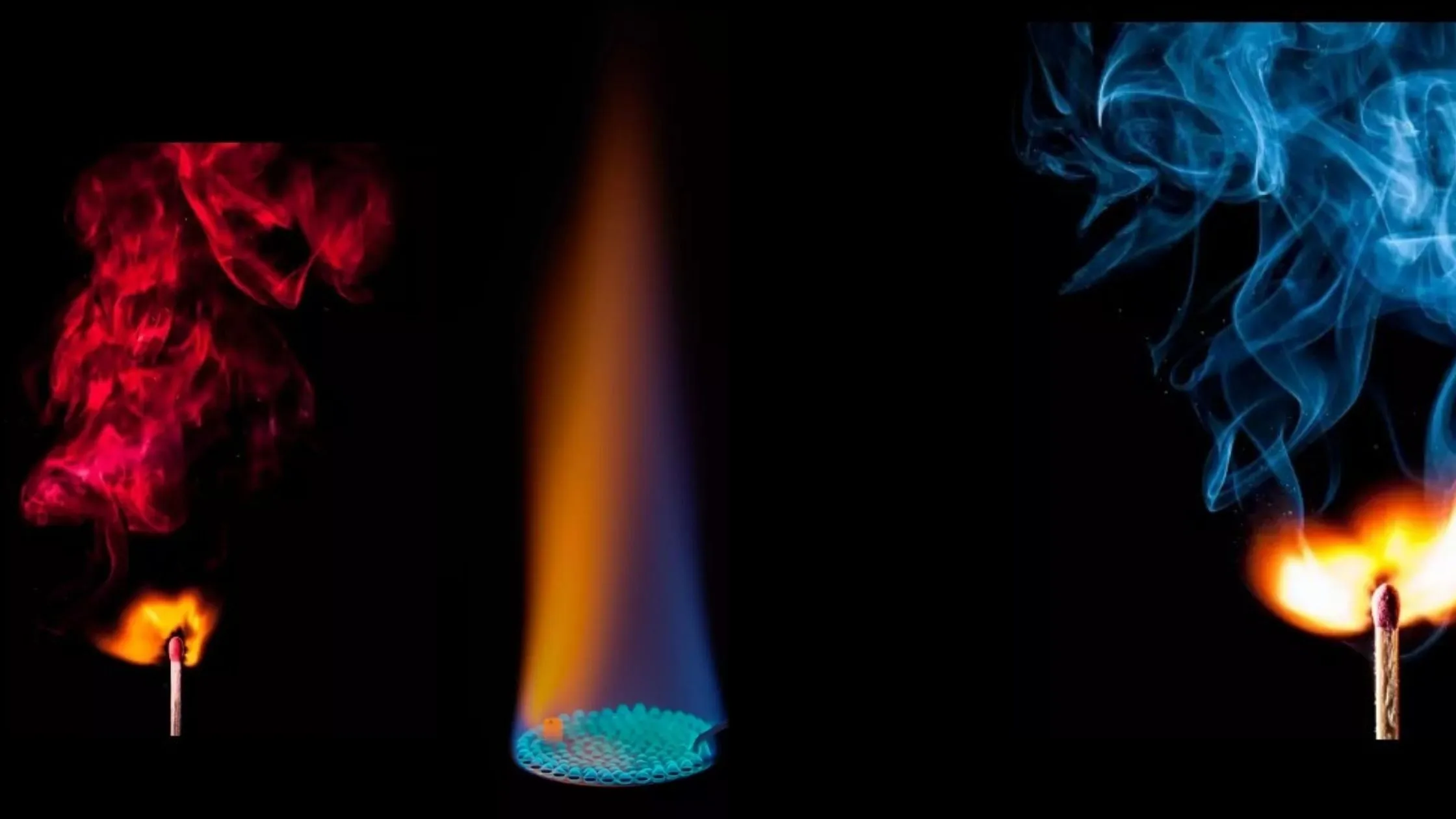
A collage on a black background showing a match with red smoke, a blue and orange gas stove flame, and a match with blue smoke.

Epic Tips and Tweaks for Indoor Sustainability

Epic Tips and Tweaks for Indoor Sustainability

In this study, a few best practices and tips are shown that would help to retain Indoor Sustainability. This is one of the serious issues that the world still facing due to the lack of socio-economic resilience. This type of pollution refers to dust, dirt, or gases in the air inside buildings. Pollutants could be harmful to breathing. Indoor air pollution has been linked to lung diseases like asthma and lung cancer.

Indoor Sustainability

It refers to the air quality within and around buildings and house’s best Products. Especially as it relates to the health and comfort of occupants. Understanding and controlling common pollutants indoors can help reduce your risk of indoor health concerns. Health effects from indoor air pollutants may be shown soon after exposure or, possibly, years later.

Sneak peak of different pollutants

Following are a few sources that are major causes of indoor Pollution

  1. Fuel-burning combustion appliances
  2. Tobacco products
  3. Products for household cleaning and maintenance, personal care, or hobbies
  4. Central heating and cooling systems and humidification devices
  5. Excess moisture
  6. Outdoor sources such as:
    1. Pesticides
    2. Outdoor air pollution.

Tips and tweaks for Indoor Sustainability

Here author suggested research-based tips and tweaks to reduce indoor Pollution. These important implications will enhance the awareness to people in the world to understand and also to obstruct the hazardous effects of indoor pollution.

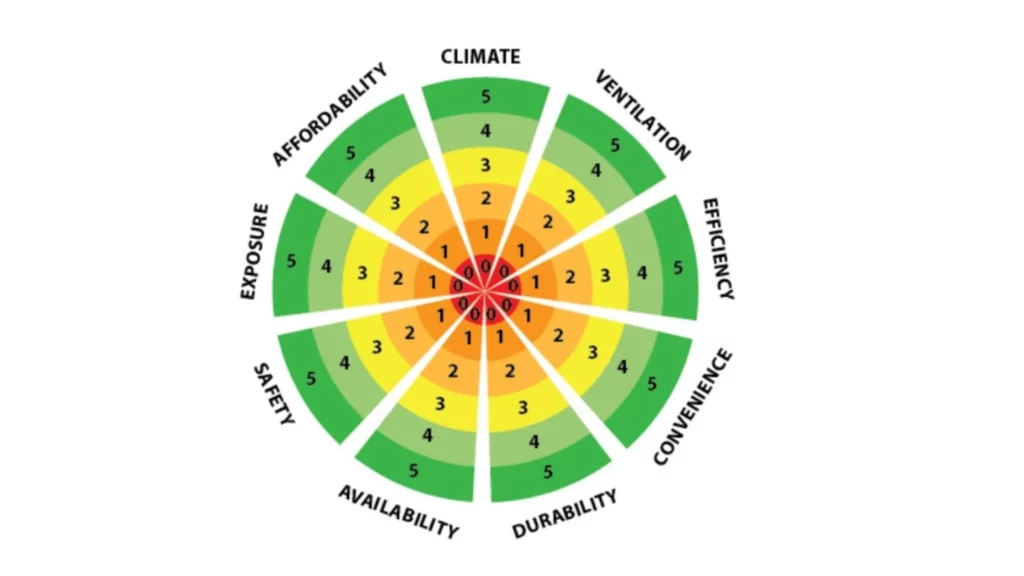
1– The best formula to evaluate environment vs cooking is a circular chart that helps to evaluate.

Cooking evaluation chart

2– Experiments have shown that elevated temperatures shorten the combustion time for CO and PM 2.5. The following graph shows how the slight implementation gives the best results in understanding Time vs Temperature.

Combustion time graph

3-If the primary air supplied to a charcoal fire in stoves is reduced close to zero, the fuel will still keep burning. When the air supply is increased, the firepower will also increase.

4– Burning off the volatile compounds in wood consumes and wastes between 50% and 80% of the energy!

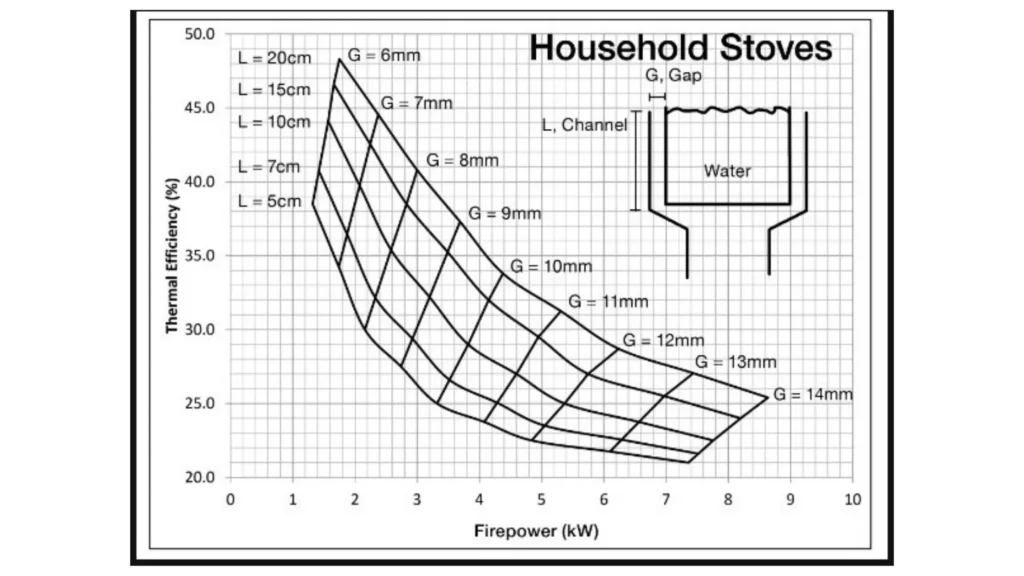
5– Hot, fast-flowing gasses transfer heat most efficiently. This is the chart for determining the thermal efficiency of the Biomass stove.

Thermal efficiency vs Fire power

The temperature of the hot gas above the wood is typically around 1100ºC. As the volatiles rise, they react with other volatile molecules forming soot and smoke and simultaneously burning as they mix with oxygen. Some 213 different compounds have so far been identified among these volatiles. If a cold object, such as a pot is placed close to the fire. It will cool and stop the combustion of some of these volatiles, leaving a thick black smoke.”

Volatile components
7. The clean-burning of Biomass consists of a few steps listed below
  • The stove body and interior (including the combustion chamber) are low mass and insulative. The heat from the fire goes into the cooking process and is not diverted into the stove.
  • The heat transfer efficiency is close to optimal resulting in over 40% thermal efficiency. One successful technique is to combine moderate firepower (2.5kW) with very small channel gaps (6mm) around the pot. Burning fewer wood results in fewer emissions.
  • Emissions are reduced by increasing combustion efficiency. An appropriate amount of wood gas is made. The rate of reactions is controlled by adjusting the primary air or by metering the fuel.
  • A zone of mixing of air, gases, smoke, and flame is created using jets of secondary air. The jets of secondary air can be powered by natural draft in a Top Lit Up Draft stove or by forced draft in both Rocket and TLUD stoves.
  • The amount of flame,air,and wood gas entering the zone of mixing is adjusted until close to optimal combustion efficiency is obtained. Emissions in the exhaust stream can be further reduced with a catalyst. Removing the emissions from the living space in a chimney is mandatory comply with new WHO guidelines.
  • The sixth step is the last and ultimate step. The prototype stove moves through an iterative development process by testing one change at a time under the emissions hood. The Water Boiling Test and the Controlled Cooking Test are both used to evolve a stove that is clean burning, fuel efficient, and cooks as well or better than the local model. The cooking function of the stove is designed by local users. The market viability of the product is determined by field testing involving stakeholders such as distributors, manufacturers, funders, consumers, etc. Market testing precedes and informs manufacturing.

8– In-house Cooking the World Health Organization Indoor Air Guidelines figure that 25% of the total emissions going up a chimney end up inside the house becausestoves and chimneys are leaking that much into the room air.

9– There are a number of methods to reduce personal exposure to household air pollution. it is associated with using biomass fuel for the daily cooking and heating taking place in nearly 40% of global households. These most commonly include

  • Increasing ventilation rates,
  • Installing a chimney
  • The use of cleaner fuels and cook stoves.

10– Open fires made with moister wood and operated with less protection from the wind can score as low as 5%. The operator and the conditions of use largely determine the effectiveness of the operation. Stoves have to be tested with careful repetition in order to achieve statistical confidence in the results. Because there are so many differences between laboratory and field results, it is difficult to use the results of laboratory testing to predict exactly how stoves will perform in the real world.

Chimney effect

11– Emissions reduced By filters, When cookstoves are operated inside an enclosure from which smoke is pulled through an inexpensive furnace filter before exiting to the outside, the personal exposure levels, room concentrations, and external pollution are reduced.

Filter

12– Ventilation can be part of, or a primary intervention strategy Stove performance. The usage must be considered together, as lower performing stoves can result in similar or greater fuel savings than a higher performing stove. If the lower performing stove has considerably higher displacement of the baseline stove.“There are multiple performance-usage scenarios for achieving modest indoor air quality improvements.”A systematic laboratory study showed that ventilation can reduce indoor concentrations of PM2.5 by as much as 60%. Also, median indoor PM2.5 concentrations were half as much for those cooking outdoors compared to indoors.

13. Combustion pattern in cooking stoves: In each case, the same principle applies: All the wood gas must go into the hot flames and Be well mixed there with air. For a long enough time for complete combustion to occur.

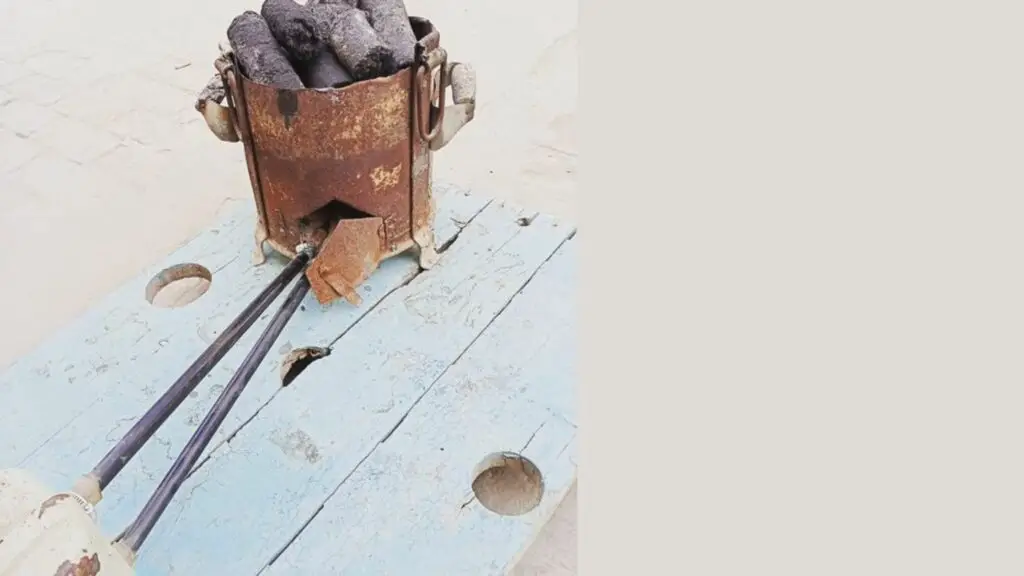
14. Size the combustion chamber for charcoal Briquettes stoves: Whatever fuel is loaded into the stove will be burned at a rate proportional to the amount of air made available to it. In most cases, more fuel loaded means more firepower because there is always excess air. The fuel is exposed to the air above it! When cooking small amounts of food, when not much power is required, load a small amount of fuel into the stove, or use a stove with a small combustion chamber. For cooking lots of food at once, use a stove with a big combustion chamber.

Charcoal stove

15. Charcoal stoves efficiency: The primary air supply to a charcoal fire can be reduced close to zero and the fuel will keep burning. Once the air supply is increased, the firepower will increase. Normally there is a spike in pollutants when the air supply is increased sharply, but it will stabilize once the firepower comes back up.

16. Fixing high heat and jets of secondary air to burn the Carbon Monoxide: Insulate the stove body to get higher temperatures in the combustion chamber and to lose less heat into the body of the stove. Put the pot close to the charcoal this will maximize heat transfer from radiation. Use a pot skirt with small channel gaps between the pot and stove. 8mm usually works well. This will maximize convective heat transfer. Maintain constant cross-section area throughout the stove. This will help to keep the velocity of the draft high assisting heat transfer efficiency.& Get more information about Bioenergy. Get your free ebook related to Bioenergy Potential.

Jet air in combustion chamber

17. The jet-flame reduces emissions and makes more efficient use of larger and even moist wood pieces. The jet flame also compatible with three stone fires and earthen stove for indoor Sustainability.

18. Obstruction of stove pollution: By increasing air exchange rates, chimneys, hay boxes, and improved combustion and heat transfer efficiency in stoves, etc. can decrease concentrations of PM 2.5 in kitchens. Certainly, combining the most applicable and locally effective interventions seems to make the most sense.

Stove Pollution

19. Exchange rate Vs Emissions rate in kitchen for indoor sustainability. The single zone box model was used to derive the WHO emissions rates targets that meet the WHO indoor air quality guidelines. The model predicts that at an air exchange rate of 15/hr and a cooking time of 4 hours an average emissions rate of 1.75 mg/min is needed to achieve an average indoor air concentration of 35 ug/m3 over a 24 hr period. Doubling the air exchange rate to 30/hr would allow an emissions rate of 3.5 mg/min.

emission rate in kitchen

20. WHO Recommendation for women in kitchen: It was confirmed that the WHO measured concentrations at a height of 1.6 m above the floor, but it was determined that it overpredicted the measured concentration by 23 to 63% at a height of 1.3 meters, and between 83 and 151% at a height of 1 meter. A height of 1.3 m can be associated with the breathing position of a standing woman of average stature, and a height of 1 m can be associated with her sitting position. Using the correction from the paper the health-protecting emissions rate at a height of 1.3 meters and an air exchange rate of 30/hr would be between 4.3 and 5.7 mg/min. At 1 meter the emissions rate could be between 6.4 and 8.7 mg/min.

WHO recommendation women in kitchen

Conclusions:

These are the few implications that can help in reducing indoor pollution. These all postulates are gathered from deep analysis of different newsletters, research journals, thesis or dissertation, and many resources. These 20 techniques also lead to the manure of new research topics. Finally, these all steps can make indoor Sustainability & obstruct the hazardous effects of smoke during Cooking. In short, these important steps lead to Indoor Sustainability development.

For related articles biofuelspk

You may find it helpful by following the links which give immense information & data regarding indoor sustainability

Related videos

Epic Tips and Tweaks for Indoor Sustainability Read More »
A hands holding raw rice husks and processed biochar, with a diagram below illustrating the transition from sawdust to finished charcoal briquettes.

Sawdust from Waste to Wealth

Sawdust from Waste to Wealth

The use of biomass fuel such as composite briquettes of sawdust becomes a good source of renewable energy for household cooking and space heating. The business practice will be greatly beneficial for both economy and environment. The investigative analysis of sawdust from waste to Wealth is based on conversion of by products. Mainly from agriculture, coal dust and waste from wood into high energy valued briquettes for heating and cooking.

Waste into Wealth!

In many countries Sawdust is often burnt off or disposed at sites nearby or in sawmills thus causing heat generation uncontrolled and wastage of energy. The issue might be raised to how to best utilize this waste in an eco-efficient way. Furthermore, the production of these biomass briquettes also provides income to the enterprises that took part in the production and selling of these briquettes. In this way, maximum exploitation can achieve Sawdust from Waste to wealth while staying within the community rather than being exported for foreigners or foreign dealers. Usually, sawdust used as a fuel by direct combustion is not an efficient source of energy as compared with crude oil. Currently, biomass can be transformed into numerous forms of energy as an alternative to oil and coal by means of chemical, thermochemical and biological processes.

Sources of Sawdust

Furniture manufacturing and wood processing undergo through several stages start from ripping raw timber to required sizes and parts, transportable dimensions, shaping, polishing and assemblage. At different steps, a sizeable quantity of waste generated in form of large off-cuts, cuts, chips and fine graded sawdust. Another source is the forestry and agricultural residues.

Method of converting Sawdust in charcoal Briquette

To improve the features of forestry and agricultural residues of biomass one applicable method is charcoal briquettes. In this technique loose biomass is densified into the briquettes for better storage and handling characteristics. Also for improvement in the volumetric calorific values. In developing countries where large amount of sawdust and agricultural waste are readily available. An appropriate technology of briquettes production could enhance the bioenergy potential.

Now let’s start with few steps to understand the conversion of sawdust into charcoal briquettes.

Collection of Sawdust

Site visits and questionnaires will help to collect the data regarding the quantification of sawdust from furniture markets, sawmills, or other targeted sites. The Polyethylene bags can be used to fill with sawdust. After this clean the sawdust with the help of magnets to get rid of tiny metal particles. After proper drying with the help of sunlight. The sawdust is ready for any type of treatment.

Sawdust from Waste to Wealth
Collection of sawdust

Carbonization of Sawdust

This is the main and simple step to convert sawdust into char. For this purpose just take a large drum and after cleaning this drum making small holes in the drum for limited supply of oxygen. Put Sawdust into the drum and ignite it with matchbox. This takes 3 to 4 hrs for complete carbonization. After this take the char out of the drum. Then introduce starch as a binding agent. It will help to give them any acquired shape. After this immediately put the feed(char+ starch) into the briquetting machine as shown.

2 step carbonization Pyrolysis and BRIQUETTE Machine
Drum & Briquette Machine

Binding agent

The starch was used as a binding agent. Starch is a carbohydrate mainly composed of glucose. The starch produced through the enzymatic physical and chemical transformation. For the preparation of binding agent add 150gram of flour with 1000ml of water in the container. Put this container on the stove and stirred it continuously with the help of spoon until it became thick and yellowish in color. The resultant product was starch. Put this starch into the char and mix it uniformly to get the slug-like form of char and binding agent.

Briquette machine

The machine was modified in the locally wood workshop with main parts main frame which was made of wood, molding unit, safety block and 2 hp motor. The prepared feed made from char and starch as a binding agent in the form of a lump. The modified machine as it was highly suitable and easily locally available all over the globe for the production of the briquettes.  As the char and starch mixed together became the agglomeration form. The machine with the 2HP motor can easily operate to form the cylindrical shaped charcoal briquettes. The motor and molding unit joined with the rotary wheel. The rotary wheel moves the extruder to uniform mixing and compression of feed towards mold. The feed was charged with the help of Hooper at the input section. The feed passes through the extruder and turned into the cylindrical shaped briquettes.

Final product characteristics

The collected waste from different furniture markets was gathered and charcoal briquettes were produced. The cylindrical shape of briquettes made them easy to handle, store and use. The briquettes were packed in the 40kg polyethylene bag for storage purposes. The cylindrical briquettes have a good shutter index value. For the sake of business, the transportation of briquettes may become very easy as these were less in weight as compared to the traditionally used. The charcoal briquettes can be transported into huge amounts as of the same truck can load and transport the charcoal lesser in quantity.

Burning of Briquettes from Sawdust
Final Charcoal Briquettes

Feasibility

The biomass residue readily available in different forms all over the world. These residues are agricultural or forestry-based can be used to form the same type of charcoal briquettes. As the cellulosic properties of different biomass residues are almost same. The starch can be used which did not deflect the damaging the calorific values or heating values. Thus providing the broad spectrum to be performed on the other types of residues. The modified boilers can use these charcoal briquettes as the feed emits less smoke and reduced Greenhouse gases. The production of briquettes from indigenous resources made them highly attractive for the competing energy depict as well as business concerns for micro level enterprises. The amount of sawdust used and no of briquettes produced sustainably fulfilling all postulates of Integrated solid waste management.

Operational Cost & Profit

The fixed cost and variable cost show the operational cost per day for the production of the briquettes per tonne was PKR 25,000 and profit range from 40,000 to 42,000 PKR. This shows the real value of Sawdust from Waste to Wealth.

Conclusion

The daily earnings potential on profit based on the daily operational cost is PKR 700 to PKR 800 with the existing deigned briquettes facilities. An individual initiative of charcoal briquette production by utilizing Sawdust from Waste to Wealth as a profitable source of income. A similar technology can set up in other countries could play a vital role in recovery of useable materials from municipal waste stream. This helped to eliminate poverty alleviation in rural parts of the world for the improvement of livelihood.

For more detail & related information keep visiting

biofuelspk.com

For insights into China’s low-cost, high-gain approach to biomethanol production, check out our detailed article: Fueling Profits: The Chinese Model for Low-Cost, High-Gains Biomethanol .

Sawdust from Waste to Wealth Read More »
Make Money from Bioenergy Potential

Make Money from Bioenergy Potential

Make Money from Bioenergy Potential

In 2050, an estimated 130-150EJ (exajoule) of world’s energy would come from biomass with energy crops sharing 20-60% conditional to land availability. How the individuals be a part of this journey. Here are a few implications that acquired money from Bioenergy Potential and get huge results. To write and promote bioenergy is also a great opportunity with the website. So today is the time to intervention because “Timing is everything”.

What is Bioenergy

The form of renewable energy derived from living organic materials known as biomass. This can be used to produce transportation fuels, heat and electricity. The issues like fossil fuel reduction and energy security. The implementation of Bioenergy is being promoted for so many reasons, including rural development, improvement of air quality and innovation markets for agriculture supplies.

Fiery Bioenergy Potential

It is highly flexible, capable of integration and a very versatile type of energy. it generates electricity, heat, and gaseous energy carriers by means of pretreatment and conversion technology.

The replacement of fossil fuel with bioenergy leads to a reduction in emissions and mitigation of climate change.

Bioenergy is beneficial in agricultural and forestry systems for instance rather than burning residues in farm fields. These remaining residues can be used for energy generation. Thus providing farmers and foresters extra financial gains, easy access to energy. creating more jobs improving environmental and conservational benefits and safeguarding energy security.

The Bioenergy Potential is perceived as a vital part of the future energy system. Globally, it can resolve various problems related to fossil fuels regardless of global warming. The creation of fossil fuels took millions of years but in contrast biomass is a vital source of energy that is easy to grow, handle, utilize and store without the depletion of natural resources.

Charcoal Briquettes

Briquetting is a method of improving heat value of biomass. In this process the loose biomass is densified to produce briquettes. This enhances the heating value volumetrically and easy to handle as compared to original form. In the process of carbonization the fuelwood is burnt in the limited access of air, which produces charcoal having higher energy contents than the air-dried wood. Another process is pyrolysis. Pyrolysis is a thermochemical process generally used for the conversion of biomass into bio-oil and biochar.

The production cost depends on range of cost of cellulosic plants, life span of plants and discount rates. Both fixed and variable costs on the installation, labor, interest on investment maintenance and feedstock, utilities, waste disposal, transportation. In making briquettes residues of different feedstock as the primary source of raw material. Then by the process of carbonization and pyrolysis, these residues transform into char. The char converted into briquettes by adding a Binding agent(starch).A briquetting machine helps in fast production of charcoal briquettes.

Uses:

Clean burning, Energy generation, Low-cost business practice.

Biofuels

The liquid fuel obtained from the fermentation & Distillation of different types of biomass known as Biofuels. Biofuels include vegetable oil, biodiesel, and ethanol. These fuels can be generated at small scale by process of fermentation. The fermentation required little inventory and after a Distillation tube for distillation. Biofuels at small scale is the best entrepreneur practice nowadays.

The sustainability and energy security have put forward the need for alternative energy resources. The biofuel can be produce from no. of available feedstock. There are several pretreatments methods through chemical, biologically and physical methods. The best practice is to seek attention towards the usage and make readily availability of second–generation feedstocks. In this scenario, crop residues are the most highly relevant source of energy. By using catalysts can give better results. As it shows cost-effectiveness in new techniques to convert biomass into biofuel.

Uses:

used for burning, use as fuel in transportation, for medical and beverage uses.

Pellets:

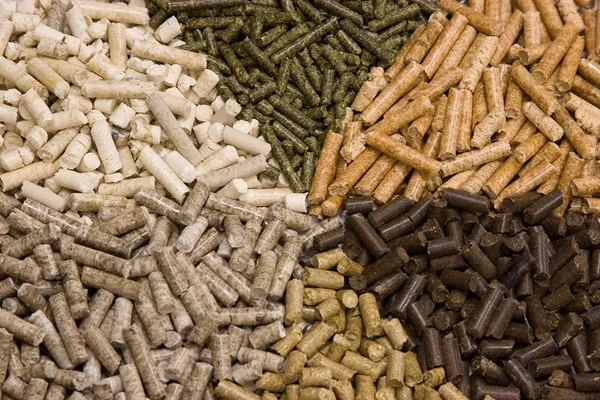
Pellets are formed by compressing wood particles into a particular shape. These are already being used in many countries of the world. In many countries, these are used in boilers for energy generation. They are getting popularity due to their easy handling and low cost. These pellets burnt very efficiently because of their low moisture and ash contents. There are many aspects of its environmentally friendly attribution as sawdust is used in pellets production which is a waste management practice. From large scale boilers to small household stoves these pellets are used.

The market place of pellets having tremendous potential as in North America 80 pellets mills are producing 1 million tons of pellets per Anum. In India and Europe the pellets are used in cogeneration where steam is generated to run the turbines to generate electricity and heating offices and home.

Uses:

space heating, used in boilers for energy generation, easy to handle & transport.

Pellets

Biogas

The Biogas consists of methane and carbon dioxide. Mainly produced from raw materials such as agricultural residues, animal manure, sewage, green or food waste. The extracted gas used in a gas engine to convert the energy into electricity and heat. This is the cheapest way to convert biogas into bioenergy. The best practice is to the construction of digester. There are several other techniques to produce biogas. This method is very handy and easy to control all without any keen practice skills and operational expertise. The digester of 6×6 ft can produce 1kg of biogas daily. The estimated feed is 40kg for each day with 60-40% manure and water respectively. It is assumed that Biogas electricity has a share is about 20% in total biopower production and 4-5 % in global heat generation worldwide.

Uses

So with this design of plants, one can start a business of making biogas plants in rural commodities and cattle farm-houses for proper usage of animal manure in spite by thrown into open spaces as waste.

Conclusion

All these Business practices are better and sustainable. The energy derived from biomass or other organic resources seems to be difficult but in reality it’s very easy to build and develop with small capital. By adopting these practices one can make their environment as well as economy better. For those who want to start or work as an entrepreneur, these simple techniques and areas to be focused are the best futuristic ideas.

Visit

biofuelspk.com,

also more information and video tutorials please watch & subscribe

https://www.youtube.com/channel/UChkuduGTKxEHXa3Scnm9C9Q

Make Money from Bioenergy Potential Read More »
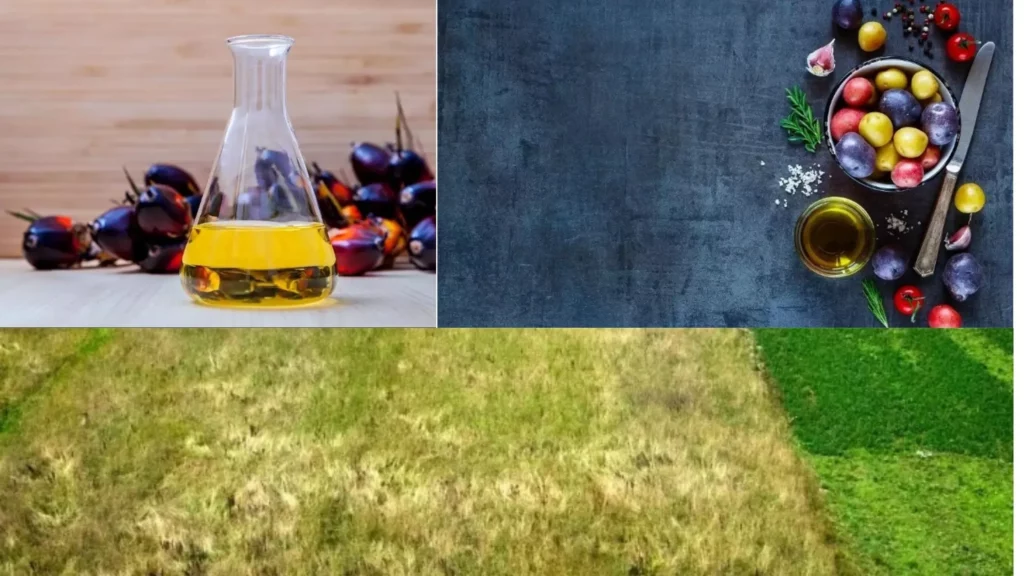
A three-part image featuring a laboratory flask of yellow oil next to oil palm fruit, a top-down view of a culinary bowl with small potatoes and oil, and an aerial view of a harvested agricultural field.

Biofuels vs Food Resources. what is the Relationship?

Biofuels vs Food Resources

A few notable analysts have suggested that the evolution of biofuels to date has been energy-inefficient, less economical, environmentally harmful. In the context of biofuels vs food resources. Let’s see what relationship is between biofuels vs food resources. what would be the future of biofuel and how to mitigate these concerns of experts. To unleash Author use few tools based on AI in writing & developing a blog/Article on “Biofuels vs Food Resources. what is the Relationship”

what is Biofuel?

Unlike many other renewable energy sources, any type of biomass can be converted into liquid fuels, called “biofuels”. it used to meet transportation fuel needs. The two most common types of biofuels nowadays are ethanol and biodiesel. Both these are the first generation of biofuel technology.

Biofuels vs Food Resources Relationship

It founds that the biofuel industry has ignored the sustainability protocols. Also has produced considerable controversy over the issues like food resources, feedstock supply chain and environmental impacts. Let’s understand the relationship and few mitigation criteria for biofuel vs food resources.

Biofuels Vs Food resources

Land usage Assessment

Biofuels can be substituted for fossil fuels. If their production on large scale is environmentally sound and feasible on both socio-economic and biophysical criteria. The postulates include fresh-water availability, air, polluted water, loss of biodiversity, biofuel refining process and human resources. The team of experts examined all above points in 21 countries. These countries are the major producer of ethanol and have both tropical and sub-tropical regions. All of the 21 countries had faced adequate land or excessive water to rely on the biofuels for energy usage. The experts highlighted the large environmental cost and major loss in food production in gathered data.

Mitigation

According to a few authors, the biofuel vs food competition could be overcome by focusing on biofuel production in less productive lands. A case study of United states revealed that a large scale biofuel industry by following less productive land protocol would be able to displace 20-30% of petroleum based transportation in 2030.

Sustainable Biofuels

There is a growing consensus that there are three foundational issues. While there is continuing and lively debate about what differentiates ecological economics from other fields:

  1. The optimal or sustainable scale of the economy,
  2. economic efficiency
  3. Equitable distribution of resources.

All of these issues, among others, are being addressed in the context of biofuels. Thus, this section will review the following dimensions for biofuels: optimal scale, efficiency, equitable distribution of biofuels. The recent studies found that large-scale production of biofuels would entail heavy demand for land, water, and labor. They found that the earlier assumptions for biofuels production yields, water use, and labor requirements were inefficient. In addition, they showed that the labor, water, and land requirements for production of cellulose-based electricity, methanol, and hydrogen would be much lower than traditional agricultural crops. These all postulates also relate to the concerns about the sustainability of biofuels in many contexts.

Mitigation

To enhance production and lower the overall impact main solution is to enhance the production capability of cellulosic-based crops. Another implementation is to start financing and run these projects by government and non-government organizations on lower land.

Distribution of Food resources

There are several dimensions in the distribution and use of biofuels vs food resources. First, what are the consequences if cellulosic biofuels are commercialized?. Secondly how the biofuel industries are distributed geographically. the last impact of biofuels industries on the existing crucial resources of feedstock. Currently, biofuel industries depend upon such as corn starch, sugar cane molasses, rapeseed oil, soyabean oil and palm oils. Two globally renowned countries United states and Brazil account for a significant contribution to global production. Corn and sugar cane consumed in these countries used to produce ethanol and as does India as well. These feedstocks are readily available in the entire world. After the passage of few years, a potential conflict will raised between fuel vs food and impact of food access prices of food for poor. Although it has been noted that biofuels don’t adversely affect the food chain as they can be produced on lower quality lands or less fertile lands.

Mitigation

Lets take the example of corn to understand mitigation criteria or suggestions. The increasing demand for corn-based ethanol has had an adverse impact on both export and domestic levels. Due to the resilience of demand elasticity in developing countries. The major factor is oil prices which influences the corn market and other feedstocks. The fluctuations in oil prices in the last few years shows detrimental effect on the food security for poor. So increase in oil and carbon prices have direct impact on food vs biofuels relationship. These points need exaggerated during the mitigation plans for biofuel industries.

Socio-economic resilience

Expansion of biofuels sector raises many challenges for rural economies Related to the issues of biofuels vs food security. Existing biofuels industries have been dependent on rural commodities and small farmers in several countries. As expanded biofuels development does not guarantee benefits to small scale producers, certification systems could help. Biofuels development does not guarantee to small scale producers. Liquid biofuels additionally such as biodiesel or vegetable oil may offer great opportunities for small-scale electric generation units at villages and community levels. A few major issues related with the generation of the biofuels at lager scales are economic development, small-scale financing health, employment generation. It’s very expected that small scale financing has difficulties for few regions and countries because the emergent nature of biofuel markets is at high risk in the context of engaging high capital requirements.

Mitigation

To overcome the cost and other barriers implementation is required on low-cost debt financing, integration into biorefinery and low cost residues of feedstock. Besides, such huge projects would seem to be funding from United Nations and other environmental facilities from all over the globe.

Conclusions(Biofuels vs Food Resources)

Now few results and conclusions, corn-based ethanol is unsustainable and has significant cost to environment. On other hand, sugar molasses based ethanol is less clear about its insignificant usage. Overall the problems can be addressed through better farming practices and awareness towards the farming of biofuel based crops. After this overall future development of biofuels seems bright in sustainable criteria as much as possible inconsistent way in the entire world.

For more detail and other information related biofuels & bioenergy visit

For insights into China’s low-cost, high-gain approach to biomethanol production, check out our detailed article: Fueling Profits: The Chinese Model for Low-Cost, High-Gains Biomethanol .

and also watch the free tutorials and videos for related content.

please subscribe & watch https://www.youtube.com/channel/UChkuduGTKxEHXa3Scnm9C9Q

Biofuels vs Food Resources. what is the Relationship? Read More »