Faharyar Tahir

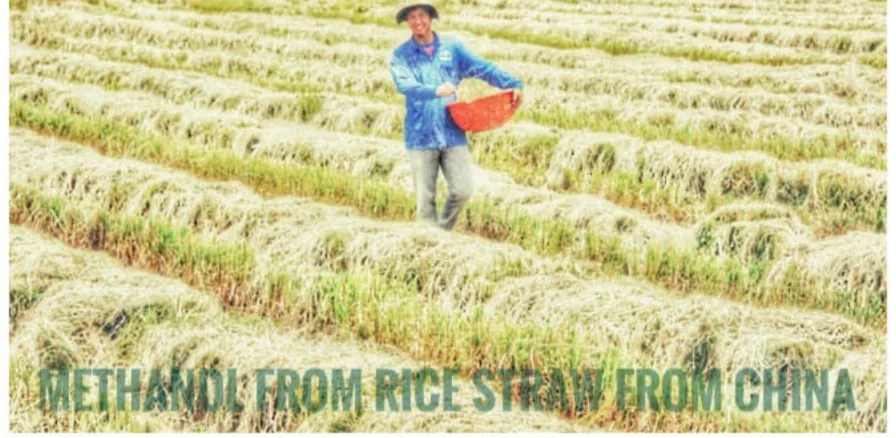
Farmer collecting rice straw in China for sustainable methanol and biofuel production.

Energy, Economy, and Environment: Biomethanol from Rice Straw in China

Energy, Economy, and Environment: Biomethanol from Rice Straw in China

Imagine mountains of agricultural waste that used to be a problem. Now, they can become a clean burning fuel. This fuel powers vehicles and industries, cleans the air, and supports rural economies. This isn’t a distant dream but a growing reality in China. The country is turning its large amounts of rice straw into biomethanol. China produces a significant portion of the world’s rice, generating nearly 222 million tons of rice straw every year. In the past, much of this waste was disposed of by burning it. This practice had serious environmental consequences. However, a major change is happening. Biomethanol from rice straw is becoming a key part of China’s sustainable development plans. (Ran et al., 2023). This post will delve into China’s motivations for adopting this innovative method, the profound benefits it offers, its inspiring global implications, and the key Chinese companies at the forefront of this green revolution.

Why China Adopted This Method: A Multifaceted Approach

China pivot towards biomethanol from rice straw is driven by a convergence of critical environmental, energy security, and economic imperatives. It represents a pragmatic and visionary solution to several pressing national challenges.

Environmental Imperative: Cleaning the Air and Reducing Emissions

For decades, burning rice straw in open fields has significantly polluted the air in China, especially in farming areas. This practice releases large amounts of particulate matter, nitrogen oxides, and greenhouse gases into the air. This worsens smog, increases respiratory issues, and contributes to climate change. Biomethanol production provides a cleaner alternative. By turning rice straw into a liquid fuel, it removes the need for open burning, which reduces harmful emissions. Additionally, since rice plants absorb CO2 as they grow, using rice straw for biomethanol can be seen as carbon-neutral or even carbon-negative when paired with carbon capture technologies. This process effectively stores carbon that would otherwise be released. China aims to peak CO2 emissions by 2030 and achieve carbon neutrality by 2060, driving the development of low-carbon energy policies (Yang & Lo, 2023).

Energy Security and Diversification: Less Reliance on Imports

China, as a rapidly developing and industrialized nation, faces the persistent challenge of ensuring energy security. Its considerable reliance on imported fossil fuels, particularly oil, creates vulnerabilities in its energy supply chain and subjects its economy to global price fluctuations. The domestic production of biomethanol from rice straw significantly enhances China’s energy independence. By converting an abundant, domestically available agricultural residue into a versatile fuel, China can reduce its reliance on external energy sources, thereby bolstering its national energy security. Biomethanol’s direct applicability in various sectors, especially transportation, allows for a strategic diversification of the energy mix, making the nation less susceptible to geopolitical disruptions affecting oil supplies.

Economic Benefits and Rural Development: Transforming Waste into Wealth

Beyond environmental and energy concerns, the biomethanol initiative offers significant economic advantages, especially for China large rural populations. Rice straw, once seen as waste with disposal costs, is now transformed into a valuable resource. This shift creates new income opportunities for farmers, enabling them to earn money from collecting and selling their agricultural residues. Setting up biomethanol production facilities in rural areas boosts local economies by generating jobs in feedstock collection, transportation, processing, and plant operation. Additionally, a useful byproduct of biomethanol production through anaerobic digestion is digestate. This nutrient-rich organic fertilizer can help reduce farmers’ reliance on costly chemical fertilizers. This improves agricultural sustainability while providing another financial benefit. The relationship between agriculture and energy production supports a strong circular economy in rural areas.

Biomethanol production from rice straw in China offers a sustainable solution. It meets energy needs, cuts greenhouse gas emissions, and effectively uses agricultural waste. Biomethanol yields are around 0.308 kg per kg of rice straw, and the energy efficiency is approximately 42.7% when using gasification technologies. This indicates that China has significant potential for bioenergy from rice straw. Currently, production costs are higher than those of fossil methanol, about 2,685 RMB per ton for a 50,000-ton plant. However, economic competitiveness should improve with policy support, technological innovation, and scaling up.

Using biomethanol from rice straw can reduce carbon emissions by over 70% compared to fossil-based methanol. It also helps decrease air pollution from open-field burning of straw. Improvements in process integration, like combining with renewable electricity, can further boost efficiency and lower lifecycle emissions. Overall, China’s biomethanol pathways show a mix of energy, economic, and environmental benefits Wang, et.al (2024). Continued innovation and supportive policies are essential for wider adoption and lower costs.

Bar Chart for Biomethanol key metrics in China

Inspiring the World: Global Implications of China Biomethanol Success

China is leading the way in scaling biomethanol production from rice straw. This initiative provides a strong and replicable example for other countries dealing with agricultural waste and shifting to renewable energy. The progress made has significant global implications for sustainable development for details..

China’s large agricultural sector and focused efforts on industrializing biomethanol production show that converting agricultural waste into valuable fuel is both possible and cost-effective. This serves as a powerful case study for other rice-producing countries in Asia, Africa, and Latin America, which face similar challenges with agricultural residues and the related environmental and health issues.

China’s efforts also support several United Nations Sustainable Development Goals (SDGs), including SDG 7 (Affordable and Clean Energy), SDG 12 (Responsible Consumption and Production), and SDG 13 (Climate Action). By turning waste into energy and cutting down on pollution, China is showing a real commitment to a more sustainable future. The technological advancements, especially in biomass conversion methods like gasification and anaerobic digestion, being developed in China provide valuable insights and models that can be reused around the world. This encourages a quicker and more effective shift to sustainable energy sources everywhere. The process of converting rice straw into biomethanol reflects the principles of a circular economy. Here, waste is reduced, resources are continually reused, and value is generated from materials that would typically be thrown away.

For a broader understanding of global renewable energy trends and the potential of biomass energy, readers can explore reports from the International Energy Agency (IEA). The IEA regularly publishes comprehensive analyses on the evolving energy landscape, including detailed insights into bioenergy’s role in the global transition to clean energy. https://www.iea.org/

Chinese Companies Leading the Way in Biomethanol from Rice Straw in China

The burgeoning biomethanol industry in China is propelled by a combination of established industrial giants and innovative clean energy companies. These enterprises are not only developing cutting-edge technologies but also forging strategic partnerships to scale up production and meet growing demand.

Among the prominent players, CIMC Enric Holdings Limited stands out for its significant involvement in constructing biomethanol plants. CIMC Enric, a leading intelligent manufacturer in the clean energy industry, has been instrumental in the development of crucial infrastructure for biomethanol production. They are actively engaged in constructing biomethanol facilities in China, with ambitious capacity targets to supply green methanol for various applications, including marine fuel. For more details on their clean energy initiatives, you can visit the CIMC Enric website or consult industry news regarding their green energy projects. (As of recent reports, CIMC Enric is constructing a biomethanol plant in Zhanjiang, Guangdong, targeting an initial annual production of 50,000 tonnes by late 2025, with plans to expand to 200,000 tonnes by 2027. You can find more information through reputable industry news sources that cover their clean energy ventures.)

Another major force in the sector is GoldWind Science & Technology Co., Ltd., a global leader in wind power solutions, which has expanded its portfolio to include biomethanol production. GoldWind has made headlines for its long-term agreements to supply green methanol, notably with shipping giant Maersk. This partnership underscores the growing demand for sustainable marine fuels and GoldWind’s commitment to large-scale green energy production. GoldWind’s innovative approach involves leveraging wind energy to produce both green bio-methanol and e-methanol, showcasing a holistic sustainable energy model. Their official website often features updates on their green energy projects. (GoldWind signed a landmark agreement with Maersk in November 2023 to supply 500,000 tonnes of green methanol annually, with production expected to begin in 2026 at a new facility in Hinggan League, Northeast China. More information can be found on GoldWind’s official news section or through maritime industry news outlets.)

Furthermore, ESGTODAY specializes in agricultural waste treatment, particularly in straw biogas plants and pretreatment technologies, which are foundational to efficient biomethanol production from rice straw. Their expertise in converting agricultural residues into biogas and further refining it into valuable resources positions them as a crucial enabler within this ecosystem. Their focus on sustainable and environmentally friendly agricultural waste management aligns perfectly with China’s biomethanol ambitions. You can explore their technologies at: https://www.esgtoday.com/maersk-signs-its-largest-ever-green-methanol-deal-to-drive-fleet-decarbonization/

These companies, alongside other emerging players and research institutions, are continually pushing the boundaries of technology and scaling up production, signaling a robust and dynamic future for biomethanol in China.

To gain further insights into the broader renewable energy industry in China and the specific contributions of these companies, reports from reputable financial news outlets or clean energy analysis firms can be highly informative.

Challenges and Future Outlook

While China’s biomethanol journey is inspiring, it’s not without its challenges. Logistical hurdles in collecting and transporting vast quantities of diffuse rice straw, the initial capital investment required for large-scale plants, and the ongoing need for technological refinement to optimize conversion efficiency remain important considerations. However, the immense potential of biomethanol from rice straw for China and the world far outweighs these challenges. Continuous research and development, coupled with strong government policy support and private sector investment, are paving the way for further innovation and expansion. This includes advancements in enzyme technologies, more efficient gasification processes, and improved integration with existing infrastructure.

Conclusion

China’s proactive embrace of biomethanol from rice straw represents a truly transformative approach to energy, economy, and environment. By converting what was once considered waste into a valuable, clean-burning fuel, China is not only addressing its own critical environmental concerns and enhancing energy security but also providing a powerful blueprint for sustainable development globally. The economic uplift for rural communities, coupled with the significant reduction in air pollution and greenhouse gas emissions, underscores the multifaceted benefits of this innovation. As Chinese companies continue to lead the way in technological advancements and scale up production, their efforts serve as a beacon, inspiring a global shift towards a greener, more sustainable future powered by ingenuity and collaboration. The journey of rice straw to biomethanol in China is a testament to the power of human innovation in building a truly green future.

Citations

Yang, Y., & Lo, K. (2023). China’s renewable energy and energy efficiency policies toward carbon neutrality: A systematic cross-sectoral review. Energy & Environment, 0958305X2311674. https://doi.org/10.1177/0958305×231167472

Ran, Y., Ghimire, N., Osman, A. I., & Ai, P. (2023). Rice straw for energy and value-added products in China: a review. Environmental Chemistry Letters, 1–32. https://doi.org/10.1007/s10311-023-01612-3

Reducing the lifecycle carbon emissions of rice straw-to-methanol for alternative marine fuel through self-generation and renewable electricity. Energy Conversion and Managementhttps://doi.org/10.1016/j.enconman.2024.119202.

For a detailed life cycle analysis and insights on biomethanol production from corn straw in China, explore the comprehensive study at Biomethanol from Corn Straw in China: A Life Cycle Insight .

Energy, Economy, and Environment: Biomethanol from Rice Straw in China Read More »

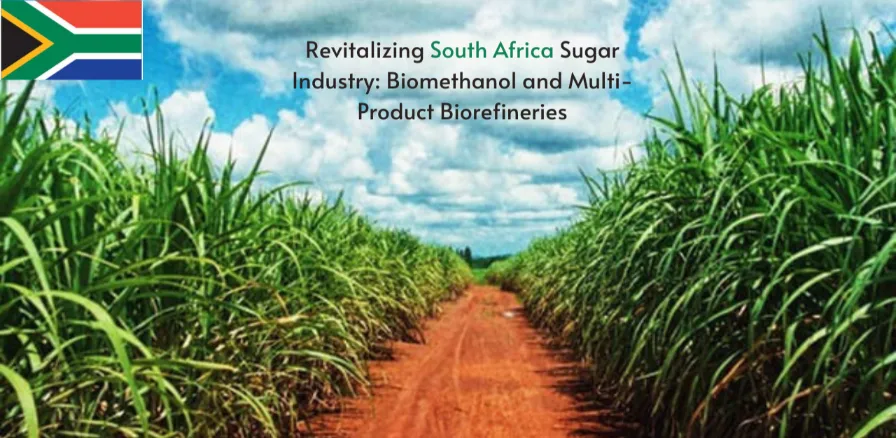
Sugarcane fields in South Africa illustrating biomethanol and multi-product biorefineries for revitalizing the sugar industry

Revitalizing South Africa’s Sugar Industry: Biomethanol and Multi-Product Biorefineries

Revitalizing South Africa’s Sugar Industry: The Promise of Biomethanol and Multi-Product Biorefineries

South Africa’s sugar industry is vital to its rural economy and provides many jobs. For many years, it has generated great value, with sugarcane cultivation and sugar production supporting the lives of over a million people. However, a series of challenges, such as low-cost, subsidized imports, the domestic sugar tax, and climate change, have put the sector in a tough spot. The old way of just producing sugar is no longer viable. To address these issues, researchers are exploring the integration of biorefineries that convert sugarcane and its by-products into a range of value-added products, including biomethanol, bioethanol, chemicals, and electricity.

This is not merely an economic issue; it is a social one. The decline of the sugar industry threatens the stability of entire rural towns in KwaZulu-Natal and Mpumalanga, South africa. As the number of sugarcane farmers has plummeted by 60% and jobs have decreased by an estimated 45% over the past two decades, the need for a radical shift has become undeniable (van der Merwe, 2024).

KwaZulu-Natal and Mpumalanga, South africa

The solution lies not in abandoning the industry, but in a revolutionary transformation: embracing a multi-product biorefinery model (Areeya et al., 2024). This approach goes beyond sugar. It uses the entire sugarcane plant to create a variety of valuable products, including an important renewable fuel: biomethanol. learn also about this south african official site about sugar cane prospective.

The Historical Context: From Prosperity to Precarity

The South African sugar industry has a rich history. The first commercial sugar shipment from Durban occurred in 1850. By 1975, domestic consumption exceeded one million tons. The industry then evolved into a global cost-competitive producer. It served as a major colonial activity that shaped the economy. In the post-apartheid era, it became an important force for land reform and socio-economic development. Since 1994, 21% of freehold land used for cane has been transferred to Black owners.

However, the industry’s resilience has been tested by a series of shocks. The introduction of the Health Promotion Levy (HPL), or “sugar tax,” in 2018 was a major blow, leading to a substantial decline in local demand. At the same time, the influx of heavily subsidized foreign sugar sold at prices lower than production costs has made it hard for local farmers to compete. These challenges, along with increasing operational costs, aging infrastructure, and the severe effects of droughts and floods, have created an unsustainable environment. The annual sugar production in South Africa has declined by nearly 25% over the last 20 years, from 2.75 million to 2.1 million tonnes per annum, forcing the industry to export surplus sugar at a loss (Formann et al., 2020).

Graphical representation of the Decline in sugar industry in South Africa (2000-2020)

The Biorefinery Revolution: A New Blueprint for Sustainability

The traditional sugar mill’s primary product is crystalline sugar, while by-products like molasses and bagasse are often underutilized. Bagasse, the fibrous residue of the sugarcane stalk, is typically burned in low-efficiency boilers to generate steam and power the mill. Molasses, a syrup-like by-product, is used in animal feed or fermented into small quantities of industrial ethanol.

A multi-product biorefinery fundamentally changes this approach. It sees the sugarcane plant as a versatile resource, a “green crude oil,” able to produce not just sugar but also a variety of valuable products. This range of products is essential for finding new revenue sources, stabilizing the industry, and building a more resilient and sustainable value chain.

The South African Sugarcane Value Chain Master Plan to 2030 is a joint effort between the government and industry. It clearly acknowledges the need for diversification. The plan points out opportunities for new products, including:

  • Bioethanol for fuel blending: Offering a cleaner alternative to traditional petrol.
  • Sustainable Aviation Fuel (SAF): A high-value product with significant potential in the global decarbonization of the aviation sector.
  • Bioplastics and biochemicals: Such as polylactic acid (PLA) and succinic acid, which can replace petroleum-based materials.
  • Electricity cogeneration: Utilizing the high energy content of bagasse to generate and export surplus electricity to the national grid.

Biomethanol: The Game-Changer

Among these diversification options, biomethanol is a particularly promising pathway for the South African sugar industry. Methanol is a key ingredient for thousands of chemical products and is becoming a popular fuel source for shipping and other industries aiming to reduce carbon emissions. Made from the thermochemical conversion of biomass like bagasse, biomethanol presents a real, large-scale opportunity.

Biorefinery Pathways and Products

  • Multi-Product Biorefineries: Various scenarios have been modeled for converting sugarcane residues (bagasse and trash) into products such as methanol, ethanol, lactic acid, furfural, butanol, and electricity. Methanol synthesis and ethanol-lactic acid co-production showed strong economic returns, with methanol production also offering the best environmental performance due to low reagent use Petersen, A., Louw, J., & Görgens, J. (2024).
  • Value Addition from Molasses: Single-stage crystallization processes produce A-molasses, which can be converted into high-value products like succinic acid and fructooligosaccharides. Co-production of these products can yield high internal rates of return (up to 56.1%), supporting economic sustainability and job creation Dogbe, E., Mandegari, M., & Görgens, J. (2020). 

Here’s why biomethanol is a perfect fit:

  • Resource Abundance: South Africa processes an average of 19 million tons of sugarcane and 8 million tons of bagasse each year. This provides a consistent and abundant supply of feedstock for biomethanol production.
  • Environmental Benefits: Biogenic methanol from sugarcane offers significant greenhouse gas (GHG) emission reductions compared to fossil fuel-based methanol, contributing to South Africa’s climate change goals.
  • Market Demand: The global demand for green methanol is accelerating, driven by the maritime industry’s need for sustainable fuels. A local production facility could serve both domestic and international markets, creating a new export commodity.
  • Economic Viability: Studies have shown that integrating a biorefinery with an existing sugar mill can lead to a high internal rate of return (IRR), with some scenarios demonstrating an IRR of over 50%. This makes the proposition attractive to potential investors.

The production of biomethanol creates a circular economy within the mill. The energy-rich bagasse, instead of being burned inefficiently, is converted into syngas through gasification. This syngas is then used to synthesize methanol. The leftover waste heat can still be used to generate electricity, maximizing the value obtained from every part of the sugarcane plant.

Lessons from Global Success: The Brazilian Model

South Africa doesn’t need to reinvent the wheel. The Brazilian sugar industry offers a powerful example of successful diversification and revitalization. Facing similar challenges in the 1970s and 80s, Brazil implemented its “Proálcool” program, which mandated the blending of ethanol with petrol (Coelho et al., 2015). This created a captive domestic market for bioethanol, transforming its sugarcane industry from a single-product commodity producer into a global leader in biofuel and sugar production.

Brazil’s success comes from its integrated biorefineries, called “usinas,” that produce both sugar and ethanol. The ability to switch production between the two based on market prices offers a vital buffer against price swings. They also create extra electricity from bagasse, which is sold back to the national grid. This boosts profitability and energy security. This model has shown to be strong and effective, and it offers a clear example of what South Africa can accomplish.

The Path Forward: Policy, Investment, and Innovation

To realize this vision, a concerted effort is needed from all stakeholders:

  • Supportive Policies: The government must provide a stable and predictable policy environment. This includes implementing a mandatory biofuels blending policy to create a secure market for bioethanol and biomethanol. A moratorium on the sugar tax and a more robust anti-dumping policy are also crucial for the industry’s short-term survival. The South African government’s commitment to the Master Plan is a vital step, but swift action is needed to move from a conceptual framework to tangible projects.
  • Investment and Infrastructure: The transition to a biorefinery model requires significant capital investment in new technologies and infrastructure. Public-private partnerships and targeted financial incentives will be essential to attract the necessary funding.
  • Research and Development: Continuous innovation is key. South African research institutions, such as the Sugar Milling Research Institute (SMRI), must continue to explore new product opportunities and optimize conversion processes.

The revitalization of South Africa’s sugar industry is not just about saving a legacy sector; it’s about building a modern, diversified, and sustainable bioeconomy. By embracing a multi-product biorefinery model centered on high-value products like biomethanol, the industry can secure its future, create jobs, and contribute to a greener, more prosperous South Africa. The time for transformation is now.

citations

van der Merwe, M. (2024). How do we secure a future for the youth in South African agriculture? Agrekon. https://doi.org/10.1080/03031853.2024.2341511

Areeya, S., Panakkal, E. J., Kunmanee, P., Tawai, A., Amornraksa, S., Sriariyanun, M., Kaoloun, A., Hartini, N., Cheng, Y., Kchaou, M., Dasari, S., & Gundupalli, M. P. (2024). A Review of Sugarcane Biorefinery: From Waste to Value-Added Products. Applied Science and Engineering Progress. https://doi.org/10.14416/j.asep.2024.06.004

Formann, S., Hahn, A., Janke, L., Stinner, W., Sträuber, H., Logroño, W., & Nikolausz, M. (2020). Beyond Sugar and Ethanol Production: Value Generation Opportunities Through Sugarcane Residues. Frontiers in Energy Research, 8. https://doi.org/10.3389/FENRG.2020.579577

Economic and Environmental Comparison of the Monosodium Glutamate (MSG) Production Processes from A‐Molasses in an Integrated Sugarcane Biorefinery. International Journal of Chemical Engineeringhttps://doi.org/10.1155/2024/2077515.

Revitalizing the sugarcane industry by adding value to A‐molasses in biorefineries. Biofuels, 14. https://doi.org/10.1002/bbb.2122.

Coelho, S. T., Gorren, R. C. R., Guardabassi, P., Grisoli, R. P. S., & Goldemberg, J. (2015). Bioethanol from sugar: the brazilian experience. https://repositorio.usp.br/item/002711539

Revitalizing South Africa’s Sugar Industry: Biomethanol and Multi-Product Biorefineries Read More »

Modern methanol-powered vehicle in China showcasing clean fuel innovation.

Green Methanol Vehicles in China: Biomethanol Role in Sustainable Transportation

Green Methanol Vehicles in China: The Future of Sustainable Transport

China Clean Fuel Revolution

China stands at a crossroads in its energy transformation, where biomethanol emerges as a game-changing solution for sustainable transportation. As the world’s largest methanol producer and consumer, China currently relies heavily on coal-based methanol – an energy-secure but carbon-intensive option. The shift toward green methanol promises to slash lifecycle carbon emissions by over 65% while completely eliminating harmful sulfur oxide emissions.

The country is making bold strides with more than 100 green methanol projects underway, representing 12 million tonnes of annual production capacity. Industry leaders like GoldWind, CIMC Enric, and Shanghai Electric are driving this transformation. While initial focus centers on marine applications, the benefits will soon extend to road transport as infrastructure develops and economies of scale take effect.

Why Methanol Matters for China Energy Future

With over 408 million vehicles on its roads, China faces immense pressure to balance energy security with environmental responsibility. The nation’s methanol vehicle program, dating back to the 1980s, has evolved through three distinct phases:

  1. Early Development (1980s-2011): Initial pilots in Shanxi province tested various methanol blends
  2. Expansion (2012-2018): Government-led trials across 10 cities accumulated 200 million kilometers of real-world testing
  3. National Rollout (2018-present): Over 30,000 methanol vehicles now operate nationwide

Cities like Guiyang demonstrate methanol’s potential, where 2,000 methanol-powered taxis – about 70% of the city’s fleet – showcase the technology’s viability. Advanced methanol-electric hybrids have already achieved impressive efficiency gains, reducing fuel consumption from 14 liters to just 9.2 liters per 100 kilometers.

From Agricultural Waste to Clean Fuel

China’s biomethanol production leverages abundant domestic resources:

  • 829 million tons of agricultural residues (2020 figures)
  • 1.87 billion tons of livestock manure
  • Growing volumes of municipal solid waste

Major projects are scaling up across the country. GoldWind’s Inner Mongolia facilities will produce 500,000 tonnes annually using straw and wind-powered hydrogen. Shanghai Electric’s Liaoning plant combines wind and biomass inputs, while CIMC Enric’s Guangdong facility focuses on flexible production scaling.

Environmental Advantages Over Conventional Fuels

Biomethanol’s environmental credentials are compelling:

  • 65-90% reduction in greenhouse gas emissions compared to fossil fuels
  • 80% lower NOx emissions
  • Zero sulfur oxide emissions
  • Avoids food-vs-fuel conflicts by using waste streams

When compared to electric vehicles in China’s coal-dependent grid, biomethanol often delivers superior full lifecycle emissions performance. It also serves as an efficient hydrogen carrier, bridging today’s combustion engines with tomorrow’s fuel cell vehicles.

Overcoming Economic and Infrastructure Challenges

While methanol fuel costs just 2.16 yuan per liter – less than half the price of gasoline – significant hurdles remain:

  • High upfront capital costs for production facilities
  • Competition for biomass feedstocks from other biofuel sectors
  • Uneven fueling infrastructure concentrated in coal-rich regions

Successful adoption will require:

  • National policy coordination to replace fragmented regional approaches
  • Targeted financial incentives for producers and consumers
  • Strategic feedstock allocation to prevent shortages
  • Dedicated “green corridors” with methanol fueling stations
  • Public education to build consumer confidence

The Road Ahead

Biomethanol represents a golden opportunity for China to leverage its existing methanol expertise while transitioning to cleaner energy. The technology aligns perfectly with national goals to peak emissions by 2030 and achieve carbon neutrality by 2060.

As production scales up and infrastructure expands, biomethanol’s benefits will extend beyond shipping to transform road transportation. With coordinated policy support and continued technological advancement, China can position itself as a global leader in sustainable fuel solutions.

For those interested in learning more about China’s methanol vehicle program and green fuel initiatives, valuable resources are available from leading research institutions and industry reports. The country’s experience offers important lessons for nations worldwide seeking practical pathways to decarbonize transportation.

Further Reading:

Biomethanol from Corn Straw: A Life Cycle Insight

Bar chart of methanol vehicle counts
Bar chart of methanol vehicle deployment

Farizon G Methanol Hybrid Heavy Truck

  • CompanyFarizon Auto (a Geely Holding Group brand)
  • Description: Designed for long-haul logistics, this heavy-duty truck boasts a 1,500 km range and is part of Farizon’s G Truck Product Series. It combines methanol hybrid technology with Geely’s GXA-T architecture, offering reduced operational costs and emissions-free performance 28.
  • Key Feature: No AdBlue required—runs solely on renewable methanol.
Farizon G Methanol Hybrid Heavy Truck

2. Farizon Homtruck (Methanol REV Tractor)

  • CompanyFarizon Auto
  • Description: A next-gen semi-truck with methanol range-extended electric (REV) technology, featuring a 260kW powertrain and XL flagship cabin. Ideal for green logistics, it holds China’s first M100 methanol engine certification 118.
  • Highlight: Used to transport equipment for the 2023 Asian Games, powered by Geely’s zero-carbon methanol 11.
 Farizon Homtruck (Methanol REV Tractor)

3. Farizon SV (Methanol REV)

  • CompanyFarizon Auto
  • Description: Completes Farizon’s methanol REV lineup, designed for urban and regional freight. Built on the GXA-M architecture, it earned a Euro NCAP Platinum safety rating and is praised for its charging efficiency and cargo space 112.
  • Global Reach: Already deployed in Europe, the Middle East, and Asia-Pacific 2.

4. Geely Emgrand Methanol Hybrid

  • CompanyGeely Auto
  • Description: A pioneer in methanol passenger cars, this sedan features a 1.8L flex-fuel engine (methanol/gasoline) and seamless cold-start capability. Tested in Iceland, it reduces CO2 emissions by 70% versus gasoline 107.
  • Legacy: The world’s first mass-produced methanol vehicle, with fleets operational in China since 2015 7.

5. Geely Galaxy L6 Super Methanol Hybrid

  • CompanyGeely Galaxy
  • Description: Part of Geely’s “Methanol+Electric” dual-strategy, this plug-in hybrid sedan uses the NordThor 8848 system for a 1,370 km combined range. The 2025 refresh introduces a naturally aspirated methanol variant to rival BYD’s hybrids 123.
  • Tech: Features a 13.2-inch AI cockpit and Qualcomm 8155 chip for smart connectivity 3.
Geely Galaxy Series Methanol Hybrid

Why Methanol? Geely’s Strategic Edge

Geely’s methanol vehicles address critical challenges in decarbonizing transport:

  • Infrastructure-Friendly: Liquid methanol requires no expensive storage upgrades 10.
  • Performance Parity: Comparable range and power to diesel, with 80% lower PM2.5 emissions 7.
  • Global Projects: From Iceland’s CO2-to-methanol plants to Alxa’s 500,000-ton green methanol facility, Geely is building a full supply chain 102.

For more on Geely’s methanol ecosystem, explore their brand page or Farizon’s global portal.

HVO Diesel Role in Creating a Sustainable Mining Operation

Green Methanol Vehicles in China: Biomethanol Role in Sustainable Transportation Read More »

Map of India highlighting Assam as a region for biomethanol production from rice straw to support rural clean energy and sustainability

Unlocking Rural India Clean Energy Future: Biomethanol from Rice Straw in Assam

Biomethanol from Rice Straw in Assam

India is at a crucial stage in its pursuit of sustainable growth, with clean energy solutions central to its development plans. Among the states, Assam shines due to its agricultural wealth and potential in renewable energy. This blog looks at how producing biomethanol from rice straw in Assam can transform rural energy systems, promote economic growth, and help India reach its clean energy goals.

Assam: The Green Heart of India Biomethanol Revolution

Agricultural Riches and Energy Challenges
Assam, located in Northeast India, is known for its rich fields and active agricultural sector. Almost half of its 78,438 square kilometers are cultivated, with rice as the main crop. Assam produces millions of tonnes of rice each year. However, this agricultural success leads to a significant by-product: rice straw. Often considered waste, rice straw is typically burned in open fields, causing severe air pollution and greenhouse gas emissions.

The Untapped Power of Rice Straw
Rice straw availability: In areas like Sonitpur, Assam, studies show an annual surplus of over 4,400 tonnes of rice straw from just 5,480 hectares of farmland. This surplus is enough to produce more than 1,200 tonnes of biomethanol per year, or about 3.3 tonnes per day, from a single group of villages.
Statewide potential: When considering the entire state, Assam’s total rice straw resource is enormous, making it an ideal candidate for local bioenergy production.

Why Is It a Game Changer for Assam?

Biomethanol is a renewable fuel made from organic materials, such as agricultural waste. Unlike fossil methanol, derived from natural gas or coal, biomethanol is produced through the gasification of biomass, followed by cleaning the syngas and synthesizing methanol.

Why Biomethanol?

  • Clean-burning: Biomethanol burns cleaner than fossil fuels, significantly lowering emissions of CO2, NOx, SOx, and particulate matter.
  • Versatile applications: It can be mixed with gasoline, used as a feedstock in the chemical industry, or act as a hydrogen carrier for fuel cells.
  • Circular economy: Turning agricultural waste into valuable fuel exemplifies a circular bioeconomy.

The Science: How Biomethanol Is Made from Rice Straw in Assam

The Gasification Pathway

  1. Collection and Pre-treatment: Rice straw is gathered from fields, dried, and pre-treated to lower ash content and enhance its suitability for gasification.
  2. Gasification: The straw undergoes partial oxidation at high temperatures to produce a syngas rich in hydrogen and carbon monoxide.
  3. Syngas Cleaning: Impurities like tar, particulates, and sulfur compounds are removed.
  4. Methanol Synthesis: The cleaned syngas is then transformed into biomethanol using catalysts.

Technical Innovations for Assam Rice Straw
High Ash Content Solutions: Assam’s rice straw has an ash content of 9 to 22%, which can cause operational problems. Advanced pre-treatment methods, like alkali treatment, and the use of cyclone gasifiers help prevent slagging and corrosion, ensuring smooth operations.
Energy Efficiency: Conversion efficiencies of 40 to 43% can be achieved, yielding about 0.275 to 0.308 kg of biomethanol per kg of rice straw.

Environmental Benefits: Biomethanol vs. Open Burning

The Pollution Problem
Burning rice straw is a significant environmental challenge in Assam and across India. Each tonne of straw burned releases:

  • 1,460 kg of CO2
  • 60 kg of CO
  • 5.7 kg of CH4
  • 0.07 kg of N2O
  • Significant amounts of particulate matter, NOx, and SOx

Biomethanol’s Green Advantages

ROI( RETURN ON INVESTMENT) IN BIOMETHANOL PRODUCTION
  • Drastic Emissions Reduction: Biomethanol production from rice straw emits only 0.347 kg CO2e per kg of methanol, compared to 1,460 kg CO2 per tonne from burning.
  • Cleaner Combustion: It reduces NOx emissions by up to 80%, CO2 by 95%, and eliminates SOx emissions entirely.
  • Soil Health: It helps preserve beneficial soil microorganisms and maintains soil fertility, which is harmed by burning.

Economic Opportunity: Biomethanol as a Rural Game Changer in Assam

Feedstock Economics
Low cost resource: Delivered rice straw costs around INR 2.05/kg (USD 0.03/kg) for a 10 km transport, often less than the cost of burning or disposing of it.
Potential for negative cost: Farmers could be paid for providing straw, turning a disposal issue into a source of income.

Investment and Plant Economics

BAR CHART FOR RICE  STRAW PRODUCTION
  • Capital expenditure: A 50,000 tonne/year biomethanol plant requires a considerable investment, but costs decrease with size and government support.
  • Operational costs: These are heavily influenced by feedstock price and plant size, with economies of scale being essential for profitability.
  • Market prospects: The global biomethanol market is expanding quickly, with forecasts predicting high demand for sustainable fuels.

Government Support and Policy

  • Subsidies and incentives: The Indian government provides capital subsidies, for example, INR 15,000/kW for biomass gasification, and encourages second-generation biofuels through policy frameworks.
  • Carbon credits: The low carbon footprint of biomethanol can be monetized through carbon trading, increasing the project’s viability.

Socio Economic Impact: Empowering Rural Assam

Job Creation
Value chain employment: Biomethanol projects generate a variety of rural jobs, from straw collection and transport to plant operation and maintenance.
Skill development: New technical roles in bioenergy help develop skills and support rural industry.

Farmer Income Enhancement
New revenue streams: Commercializing rice straw gives farmers a stable, additional income, replacing the less profitable practice of burning or selling it at low value.
Case studies: Other regions have shown that farmers can earn up to INR 2,500 extra per season by selling straw for bioenergy.

Local Energy Security

  • Reduced fossil fuel dependence: Biomethanol production in Assam can help shield rural communities from unstable fossil fuel prices and supply disruptions.
  • Distributed generation: Decentralized plants near straw sources lower transport costs and ensure a reliable local energy supply.

Biomethanol and Assam: Aligning with India Clean Energy Vision

National Priorities

  • Methanol Economy Program: India’s initiative for a methanol economy aims to reduce crude oil imports, lower emissions, and improve rural incomes.
  • Biofuel blending targets: Government rules for ethanol and methanol blending in fuels boost demand for sustainable options like biomethanol.

Assam’s Strategic Advantage

  • Abundant feedstock: The consistent production of rice in Assam ensures a steady supply of straw, enabling year-round biomethanol production.
  • Policy alignment: Assam’s state policies and India’s national biofuel strategies are aligning to support bioenergy investments and rural development.

Overcoming Challenges: From Field to Fuel

Logistics and Supply Chain

  • Collection networks: Geographic Information System (GIS) technology helps map straw availability and create efficient supply chains, minimizing logistical costs.
  • Decentralized model: Smaller, distributed plants near sources of feedstock will optimize operations and cut transportation emissions.

Technical Barriers

  • Ash management: Innovations in pre-treatment and gasifier design tackle the high ash content of Assam’s rice straw, ensuring dependable plant operations.
  • Seasonal supply: Effective storage and planning are necessary to handle the seasonal availability of rice straw.

Financial Feasibility

  • Scale matters: Larger plants benefit from economies of scale, while using low-cost or negative-cost feedstock improves profit margins.
  • Multi-pronged strategy: Combining subsidies, carbon credits, and efficient logistics is crucial for making projects financially viable.

The Road Ahead: Strategic Recommendations for Assam

  • Promote decentralized biomethanol plants near rice straw clusters to maximize local benefits and reduce logistical challenges.
  • Invest in advanced pre-treatment and gasifier technologies to manage Assam’s unique feedstock characteristics.
  • Leverage government subsidies and carbon credits to improve financial returns and draw in investment.
  • Involve local communities and farmers to ensure a stable supply chain and fair economic benefits.
  • Integrate biomethanol into Assam’s clean energy plan, aligning with national biofuel goals and rural development objectives.

Conclusion: Biomethanol from Rice Straw in Assam

Assam is on the brink of a clean energy transformation. By harnessing biomethanol from rice straw, the state can turn an environmental problem into an economic advantage. This initiative will create rural jobs, boost farmer incomes, and contribute significantly to India’s net-zero goals. The journey from rice field to fuel tank unlocks Assam’s clean energy future while offering a model for sustainable rural development throughout India.

Biomethanol is not just a fuel; it is a catalyst for change, a driver of rural prosperity, and a key part of Assam’s path toward a greener, more resilient future.

Read our detailed insight on Biomethanol from Corn Straw in China: A Life Cycle Insight

Unlocking Rural India Clean Energy Future: Biomethanol from Rice Straw in Assam Read More »

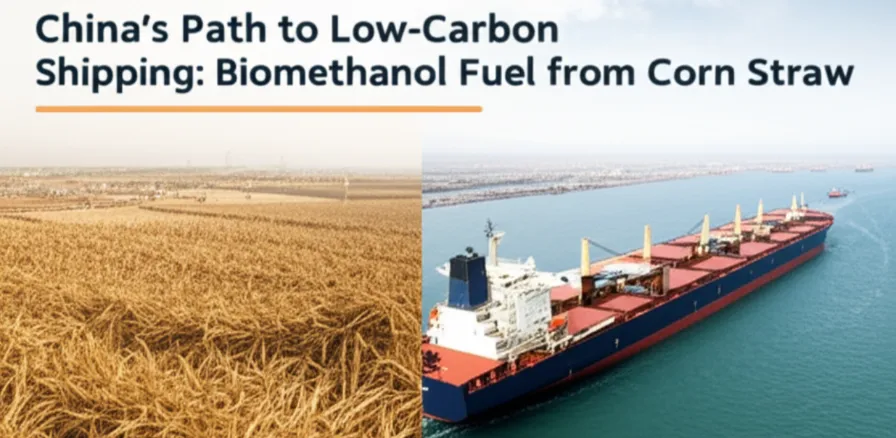
symbolizing the transformation of agricultural waste into shipping fuel.

China Path to Low Carbon Shipping: Biomethanol Fuel from Corn Straw

China Path to Low Carbon Shipping: Biomethanol Fuel from Corn Straw

The colossal cargo ships that traverse our oceans play a vital role in global trade, carrying 80% of the world’s goods. However, their reliance on heavy fuel oil significantly contributes to greenhouse gas emissions, complicating the fight against climate change. As the need for decarbonization intensifies across various industries, China is taking a bold and innovative approach in its maritime sector. Moving past traditional solutions, the country is using an unexpected resource—corn straw—to produce biomethanol, a promising low-carbon fuel that could transform shipping and set a global example for a greener maritime future.

From Field Waste to Fueling Giants: An Innovation Rooted in the Earth

Picture the expansive fields in China’s agricultural regions, where harvests provide not only food but also substantial amounts of leftover biomass corn straw. For years, this byproduct was either left to rot or burned, causing air pollution and wasting a potential resource. Now, imagine a process that combines traditional agricultural waste with modern green technology, revitalizing this seemingly discarded material. China is creatively repurposing corn straw to create biomethanol, a liquid fuel with a much lower carbon footprint than conventional marine fuels.

This innovative strategy addresses several challenges at once. It provides a sustainable alternative to fossil fuels in a sector known for its difficulty in reducing carbon emissions. It also creates economic incentives for farmers to gather and supply corn straw, turning waste into a prized resource and potentially bolstering rural economies. Most importantly, it places China in a leading role in green shipping, showing its dedication to climate goals and showcasing its technological strength.

The conversion of corn straw into biomethanol is an interesting chemical process. The lignocellulosic biomass of corn straw, which contains cellulose, hemicellulose, and lignin, undergoes several complex steps:

  • Pretreatment: First, the raw corn straw is pretreated to break down its structure, allowing easier access to cellulose and hemicellulose. Various methods, including physical, chemical, and biological pretreatments, are used to optimize this stage.
  • Gasification: Next, the pretreated biomass is heated in a controlled environment with limited oxygen, undergoing gasification. This process converts the organic material into syngas, a mixture mainly made up of carbon monoxide (CO), hydrogen (H₂), and carbon dioxide (CO₂).
  • Syngas Cleaning and Conditioning: The raw syngas contains impurities that can hinder the next catalytic stage. Therefore, it is carefully cleaned to remove particulates, sulfur compounds, and other contaminants, while also adjusting the hydrogen to carbon monoxide ratio for optimal methanol synthesis.
  • Methanol Synthesis: The core of the process involves converting the conditioned syngas into methanol through a catalytic reaction, typically utilizing a catalyst such as copper, zinc oxide, and alumina, all while applying high pressure and temperature. The resulting methanol is then purified through distillation to meet fuel-grade standards.

Although the technical details are intricate, the basic idea is straightforward: capture carbon from agricultural waste and switch it into a cleaner fuel. This reflects the principles of a circular economy, where waste is minimized and resources are used efficiently.

A Triple Win: Sustainability, Circularity, and Climate Action

China’s commitment to using corn straw-based biomethanol for shipping is not only a technical achievement; it’s also a strong message about its dedication to sustainability and climate action. The environmental benefits are numerous:

China is exploring the use of corn straw-derived biomethanol as a marine fuel to decarbonize its shipping sector, aiming for a “triple win” of sustainability, circularity, and climate action. This approach leverages abundant agricultural residues, reduces greenhouse gas emissions, and supports rural economies.

Environmental and Climate Benefits

Biomethanol from corn straw can reduce CO₂ emissions by 54–59% per kilometer compared to conventional marine diesel, and by 59% compared to coal-to-methanol, making it a strong candidate for low-carbon shipping (Wang et al., 2024; Fan et al., 2022). Life cycle assessments show that using crop straw for bioenergy can cut greenhouse gas emissions by up to 97% compared to fossil fuels, depending on the conversion pathway and region (Fang et al., 2022; Yang et al., 2022; Xu et al., 2018). Integrating renewable electricity or self-generation at methanol plants can further lower emissions, meeting stringent EU standards (Wang et al., 2024).

Economic and Social Impacts

While biomethanol production costs are about 24% higher than coal-based methanol, its use in shipping can reduce per-kilometer costs by nearly 15% compared to diesel (Wang et al., 2024). Each million yuan invested in straw-based biofuels can generate 2.55 million yuan in economic output and create nearly two full-time jobs, supporting rural development and supply chain actors (Wang et al., 2025; Wang et al., 2022; Hu et al., 2014).

Circularity and Supply Chain Considerations

Circular economy principles are advanced by converting agricultural waste into fuel, reducing open-field burning and pollution (Li et al., 2024; Hu et al., 2014). Efficient supply chain management—including feedstock collection, transport, and processing—is critical for maximizing sustainability and economic returns (Wang et al., 2022; Yang et al., 2022). Onboard carbon capture and closed-loop fuel cycles could further enhance circularity, though they currently increase costs (Charalambous et al., 2025).

PaperFocusKey InsightYear
(Wang et al., 2024)Biomethanol LCAMajor CO₂ and cost savings in shipping2024
(Wang et al., 2025)Triple-bottom-lineEconomic, social, and environmental benefits2025
(Charalambous et al., 2025)Circular marine fuelsOnboard carbon capture feasibility2025
(Wang et al., 2022)Supply chain modelingOptimizing straw logistics and profits2022

Figure 1: biomethanol, supply chains, and climate impacts.

Corn straw-based biomethanol offers significant climate, economic, and circularity benefits for China’s shipping sector. While challenges remain in cost and supply chain optimization, the approach aligns with national sustainability and decarbonization goals, supporting a robust “triple win” strategy.

In addition to environmental benefits, this initiative brings significant economic and social advantages. Farmers in corn-producing areas can earn extra income by supplying corn straw, which promotes rural economic growth. The expansion of the biomethanol industry can create new jobs in production, logistics, and research. Shipping companies that switch to biomethanol can enhance their environmental image, attracting eco-conscious customers while complying with increasingly strict international emission regulations.

Corn Straw Biomethanol Shipping Chart: Bar chart illustrating environmental, economic, and cost benefits of using corn straw biomethanol for low-carbon shipping in China

Humanizing the Green Transition

The journey from cornfield to cargo ship involves more than just technological progress; it’s a narrative filled with human effort. Imagine Mr. Li, a farmer in Shandong province, who once saw leftover corn stalks as a nuisance. Thanks to local cooperatives and bioenergy firms, his corn straw now has value, adding to his financial security. He realizes his work contributes to a larger cause a cleaner future for his nation.

On the industrial side, consider the engineers at a cutting-edge biorefinery, diligently perfecting the biomethanol production process. They are motivated by the challenge of scaling production, enhancing efficiency, and ensuring the biofuel’s quality meets the shipping industry’s demands. Their creativity is what drives this green shift.

Think about Captain Zhang, steering a large container ship across the South China Sea. His vessel runs on a mix of conventional fuel and biomethanol, serving as a pilot project that showcases the viability of this alternative fuel in real-world situations. He knows that the future of his industry depends on embracing cleaner energy sources and feels proud to be part of this groundbreaking initiative.

These individual and collective efforts highlight the complex nature of this transition, showing how innovation at the technological level can yield real benefits for communities and industries.

Navigating the Technical Seas: Production, Efficiency, and Scalability

While the potential of corn straw-based biomethanol is substantial, understanding its technical elements is vital. The conversion efficiency, the energy balance throughout the entire value chain (from harvesting to burning), and the scalability of production are important factors.

Current methods for turning lignocellulosic biomass into biomethanol are constantly improving to enhance yields and cut costs. Research focuses on optimizing pretreatment techniques, improving gasification and catalytic processes, and developing stronger, more affordable catalysts.

Scalability is also crucial. China is a major corn producer, generating large amounts of corn straw each year. However, logistical issues involving the collection, storage, and transportation of this distributed resource need to be resolved to ensure a steady supply of feedstock for large scale biomethanol operations. Investing in infrastructure, such as collection networks, storage facilities, and transportation systems, is crucial.

Additionally, biomethanol’s compatibility with existing ship engines and fueling infrastructure provides a major benefit. It can be used in modified conventional engines with minimal alterations, making the transition less disruptive and more cost-effective compared to other alternative fuels that might necessitate entirely new engine designs and fuel delivery methods.

A Global Compass: Setting a Course for International Shipping

China’s groundbreaking work in using corn straw for biomethanol production could have a significant impact beyond its borders. The International Maritime Organization (IMO) has set ambitious goals for lowering greenhouse gas emissions from global shipping, aiming for at least a 50% reduction by 2050 compared to 2008 levels while pushing for full elimination as soon as possible this century. To meet these objectives, the industry needs a varied range of low-carbon and zero-carbon fuels.

China’s innovative approach serves as a strong example for other countries with significant agricultural biomass resources. Regions that produce large quantities of crops like wheat, rice, or sugarcane could potentially adopt similar technologies to make sustainable biofuels from their agricultural waste.

Moreover, developing standards and regulations for biomethanol as a marine fuel, partly driven by China’s early adoption, could facilitate broader acceptance and use in the global shipping industry. Collaboration in research, technology sharing, and the establishment of international best practices will be key to unlocking the full potential of this and other sustainable biofuels.

Charting a Greener Horizon: The Future is Fueled by Innovation

The quest to decarbonize global shipping is a complex and challenging effort, but China’s use of corn straw to create biomethanol offers hope. It showcases the strength of human creativity, the opportunities within a circular economy, and a nation’s commitment to a more sustainable future.

This is more than a technological breakthrough; it represents a fundamental shift. It indicates a transition away from a “take-make-dispose” approach towards a more sustainable and circular model. It highlights the connections among different sectors—agriculture, energy, and transportation—as they work together toward a shared goal: a healthier planet.

China’s journey toward low-carbon shipping, fueled by the innovation of converting corn straw into biomethanol, shows how human resourcefulness can address some of the world’s most pressing challenges. It is a story about turning waste into value and leveraging nature’s bounty to drive global trade in a cleaner, more sustainable manner. As the world observes, this pioneering effort could very well steer shipping toward a greener future, one in which the giants of the sea navigate a horizon illuminated by sustainable biofuels.

Looking ahead, the outlook for biomethanol in shipping seems bright. Ongoing advancements in production methods, supportive government actions, and rising demand for eco-friendly transportation options will likely drive further growth in this sector. The image of massive cargo ships powered in part by energy collected from humble corn stalks is not just a dream; it is a real possibility taking shape in China’s fields and ports.

👉 Read more: Biomethanol from Corn Straw in China: A Life-Cycle Insight

References

Wang, C., Wang, Z., Feng, M., Liu, J., Chang, Y., & Wang, Q. (2025). Assessing the triple-bottom-line impacts of crop straw-based bio-natural gas production in China: An input‒output-based hybrid LCA model. Energy. https://doi.org/10.1016/j.energy.2025.134789

Wang, S., Li, C., Hu, Y., Wang, H., Xu, G., Zhao, G., & Wang, S. (2024). Assessing the prospect of bio-methanol fuel in China from a life cycle perspective. Fuel. https://doi.org/10.1016/j.fuel.2023.130255

Charalambous, M., Negri, V., Kamm, V., & Guillén-Gosálbez, G. (2025). Onboard Carbon Capture for Circular Marine Fuels. ACS Sustainable Chemistry & Engineering, 13, 3919 – 3929. https://doi.org/10.1021/acssuschemeng.4c08354

Wang, S., Yin, C., Jiao, J., Yang, X., Shi, B., & Richel, A. (2022). StrawFeed model: An integrated model of straw feedstock supply chain for bioenergy in China. Resources, Conservation and Recycling. https://doi.org/10.1016/j.resconrec.2022.106439

Fang, Y., Zhang, S., Zhou, Z., Shi, W., & Xie, G. (2022). Sustainable development in China: Valuation of bioenergy potential and CO2 reduction from crop straw. Applied Energy. https://doi.org/10.1016/j.apenergy.2022.119439

Fan, A., Xiong, Y., Yang, L., Zhang, H., & He, Y. (2022). Carbon footprint model and low–carbon pathway of inland shipping based on micro–macro analysis. Energy. https://doi.org/10.1016/j.energy.2022.126150

Li, T., Wei, G., Liu, H., Zhu, Y., Lin, Y., & Han, Q. (2024). Comparative Assessment of the Environmental and Economic Performance of Two Straw Utilization Pathways in China. BioEnergy Research. https://doi.org/10.1007/s12155-024-10784-x

Yang, Y., Liang, S., Yang, Y., Xie, G., & Zhao, W. (2022). Spatial disparity of life-cycle greenhouse gas emissions from corn straw-based bioenergy production in China. Applied Energy. https://doi.org/10.1016/j.apenergy.2021.117854

Wang, D., Zhang, J., Chen, Q., Gu, Y., Chen, X., & Tang, Z. (2024). Reducing the lifecycle carbon emissions of rice straw-to-methanol for alternative marine fuel through self-generation and renewable electricity. Energy Conversion and Management. https://doi.org/10.1016/j.enconman.2024.119202

Hu, J., Lei, T., Wang, Z., Yan, X., Shi, X., Li, Z., He, X., & Zhang, Q. (2014). Economic, environmental and social assessment of briquette fuel from agricultural residues in China – A study on flat die briquetting using corn stalk. Energy, 64, 557-566. https://doi.org/10.1016/J.ENERGY.2013.10.028

Xu, X., Yang, Y., & Xiao, C. (2018). Energy balance and global warming potential of corn straw-based bioethanol in China from a life cycle perspective. International Journal of Green Energy, 15, 296 – 304. https://doi.org/10.1080/15435075.2017.1382361

China Path to Low Carbon Shipping: Biomethanol Fuel from Corn Straw Read More »

Bridging the Biomethanol Price Gap

The Price Gap Challenge: How Policy and Finance Can Bridge the Cost of Biomethanol vs Fossil Fuels

The Gap Between Cost of Biomethanol Vs Fossil Fuels

The promise of biomethanol as a sustainable alternative to fossil methanol is clear, but it comes with a significant challenge: cost. Currently, producing biomethanol is 2 to 4 times more expensive than making methanol from natural gas or coal. Understanding why this price gap exists helps highlight what needs to change.

Biomethanol is generally more expensive than fossil-based methanol for several reasons. First, the costs of feedstock for biomethanol come from biomass sources like biogas, forestry residues, and agricultural waste. These costs tend to be higher and more unpredictable than fossil fuel costs. Biomass feedstocks are also less consistently available and involve significant expenses for collection, transportation, and storage, especially when sourced from small or decentralized plants.

Second, biomethanol production often happens in smaller facilities due to feedstock limitations. This results in higher capital and operational costs per unit compared to the large, efficient centralized plants used for fossil methanol, which limits economies of scale.

Third, the capital investment for biomethanol plants is high because of the need for special and complex equipment for processes like gasification, purification, and heat integration. Many of the technologies involved are still being developed.

Fourth, biomethanol production usually has lower efficiency and yields, which means it requires more energy and additional purification steps to meet fuel-grade standards. This increases operational costs.

Finally, the supply chain and logistics for biomass feedstocks are more complicated and expensive than those for fossil fuels, especially in areas where biomass resources are spread out.

All these factors—high and variable feedstock costs, smaller plant sizes, high capital costs, lower operational efficiency, and complex supply chains—make biomethanol less economically competitive than fossil methanol for now. However, improvements in technology and increased production scales may lower costs and enhance competitiveness in the future.

Why Is Biomethanol More Expensive? Key Cost Drivers Explained

1. Feedstock Costs and Complexity

Biomethanol is made from renewable feedstocks such as biomass and agricultural waste. These materials are often scattered geographically, seasonal, and bulky. This makes sourcing and processing them more complex and costly than simply extracting and transporting fossil fuels like natural gas.

2. Higher Capital and Operating Expenses

Although biomethanol technology resembles fossil methanol processes, biomethanol plants are usually smaller and less mature. Early-stage facilities face higher upfront capital costs and operational challenges, which increase production expenses compared to well-established fossil methanol plants.

3. Market Immaturity and Supply Chain Challenges

The biomethanol market is still developing. It lacks the mature infrastructure, established supply networks, and widespread demand enjoyed by fossil fuels. This immaturity drives up production and logistical costs, widening the price difference.

Carbon Pricing: The Crucial Lever to Cost of Biomethanol vs Fossil Fuels

Currently, the production of biomethanol is far more expensive than producing conventional methanol from fossil fuels like natural gas. This is due to several factors:

  • Feedstock Costs: Biomethanol is derived from sustainable feedstocks like biomass, agricultural waste, and municipal solid waste. The cost and logistics of sourcing and processing these materials are generally higher and more complex than those associated with extracting and transporting natural gas or coal.
  • Capital and Operational Expenses: While the core technology for producing biomethanol is similar to fossil-based methanol, the early-stage nature and smaller scale of many biomethanol plants result in higher capital expenditure (CAPEX) and operating expenses (OPEX). Economies of scale, which have been perfected over decades for fossil fuel production, are still being developed for biomethanol.
  • Market Immaturity: The biomethanol market is nascent and lacks the established infrastructure and supply chains of the fossil fuel industry. This leads to higher production and distribution costs, further widening the price disparity.

The result is that, without intervention, biomethanol is often 2 to 4 times more expensive than fossil methanol. This makes it an economically unviable choice for most industries, despite its significant environmental benefits.

How Carbon Pricing Works to Level the Playing Field

Carbon pricing attaches a monetary cost to CO2 emissions, encouraging companies to reduce their fossil fuel use. Two common forms exist: carbon taxes and emissions trading systems (ETS). Both push fossil methanol prices higher by accounting for environmental damage that was previously unpriced.

The Carbon Price Range to Make Biomethanol Competitive

Experts suggest a carbon price of $150 to $300 per tonne of CO2 equivalent is needed to close the gap. For example, at $200 per tonne, the fossil methanol price rises enough that biomethanol’s cleaner production costs become competitive or cheaper, creating a powerful market incentive for green fuels (Mukherjee et al., 2022).

The Role of Carbon Capture and Storage (CCS) in Boosting Biomethanol Value

Carbon Capture and Storage (CCS) enhances biomethanol value by reducing emissions and enabling CO₂-to-methanol conversion, creating both environmental and economic benefits.

How CCS Boosts Biomethanol Value

Emissions Reduction and Sustainability

  • CCS captures CO₂ from industrial sources or biomass processing, preventing its release into the atmosphere and directly lowering the carbon footprint of biomethanol production (Bui et al., 2018; Peppas et al., 2023).
  • When combined with bio-based feedstocks, CCS can enable negative emissions, making biomethanol a more sustainable and climate-friendly fuel (Bui et al., 2018; Cheah et al., 2016; Sen & Mukherjee, 2024).

CO₂ Utilization for Methanol Synthesis

  • Captured CO₂ can be converted into methanol using hydrogen (often from renewable sources), turning a waste product into a valuable fuel and chemical feedstock (Kar et al., 2019; Peppas et al., 2023; Szima & Cormos, 2018).
  • This process, known as Carbon Capture and Utilization (CCU), increases the value of biomethanol by integrating CO₂ recycling into the production chain (Kar et al., 2019; Peppas et al., 2023).
  • Integrated systems that combine CO₂ capture and direct conversion to methanol (using catalysts and hydrogenation) can improve process efficiency and reduce energy costs (Kothandaraman & Heldebrant, 2020; Kar et al., 2019; Peppas et al., 2023).

Economic and Industrial Benefits

  • By producing methanol from captured CO₂, industries can generate new revenue streams while meeting emissions regulations (Peppas et al., 2023; Kudapa, 2022).
  • The approach supports the development of a circular carbon economy, where CO₂ is continuously recycled into fuels and chemicals, enhancing the overall value proposition of biomethanol (Kar et al., 2019; Peppas et al., 2023; Szima & Cormos, 2018).

Key Claims & Evidence

ClaimEvidence StrengthReasoningPapers
CCS reduces biomethanol’s carbon footprintEvidence strength: Strong (8/10)Multiple studies show significant emissions reduction when CCS is integrated with bio-based methanol production(Bui et al., 2018; Peppas et al., 2023; Cheah et al., 2016)
Captured CO₂ can be efficiently converted to methanolEvidence strength: Moderate (7/10)Demonstrated in both lab and industrial settings, though economic viability depends on energy and hydrogen costs(Kar et al., 2019; Peppas et al., 2023; Szima & Cormos, 2018; Kothandaraman & Heldebrant, 2020)

Table 1: Evidence for CCS benefits in biomethanol value chain.

Conclusion

CCS increases biomethanol’s value by enabling low-carbon or even negative-emission fuel production and by converting captured CO₂ into methanol, thus supporting both environmental goals and economic opportunities in the biofuel sector.

Carbon capture, especially biomass-based CCS (BECCS), can turn biomethanol into an even more valuable product. By capturing CO2 released during production, which originated from absorbed atmospheric carbon, BECCS results in negative emissions. High carbon prices combined with BECCS can generate revenue through carbon credits, enhancing biomethanol’s financial appeal beyond just cost parity.

Carbon Capture and Storage, especially biomass-based CCS (BECCS), magnifies the environmental and economic advantages of biomethanol.

  • BECCS captures CO2 emitted during biomethanol production CO2 originally absorbed from the atmosphere by biomass.
  • This results in negative emissions, effectively removing CO2 from the atmosphere.
  • Combined with a strong carbon price, biomethanol plants with CCS could earn carbon credits for each tonne of CO2 removed.
  • This generates additional revenue, making biomethanol projects more profitable De Fournas and Wei (2022).

The synergy of high carbon pricing plus BECCS transforms biomethanol into not just an environmentally superior fuel, but also a financially compelling one.

Beyond Carbon Pricing: A Holistic Policy Toolkit to Accelerate Biomethanol Adoption

Carbon pricing is crucial but not enough by itself. Governments must also implement renewable fuel mandates, tax incentives, public-private partnerships, and sustainable sourcing regulations. These policies create guaranteed markets, reduce investment risks, and promote environmentally responsible production methods that protect food security and biodiversity.

Carbon pricing alone is powerful but insufficient. A comprehensive policy framework should also include:

Renewable Fuel Standards (RFS) and Mandates

  • Require a certain percentage of fuels to come from renewable sources like biomethanol.
  • Guarantee market demand, encouraging investment.

Tax Credits and Subsidies

  • Offer direct financial support to reduce CAPEX and risks.
  • Promote innovation in feedstocks and production technologies.
  • Facilitate collaboration for R&D, pilot projects, and infrastructure development.

Sustainable Sourcing Regulations

  • Encourage use of waste and residues rather than food crops.
  • Prevent negative impacts like deforestation or food security threats.

The Path Forward: A Coordinated Effort for a Sustainable Methanol Future

Closing the biomethanol price gap requires collaboration between policymakers, industry, investors, and researchers. Adopting strong carbon pricing alongside supportive regulations and innovative technologies is essential. Together, these actions can make biomethanol a mainstream, cost-effective fuel that helps reduce emissions and build a sustainable energy future.

Citations

Mukherjee, A., Bruijnincx, P., & Junginger, M. (2023). Techno-economic competitiveness of renewable fuel alternatives in the marine sector. Renewable and Sustainable Energy Reviews. https://doi.org/10.1016/j.rser.2022.113127.

De Fournas, N., & Wei, M. (2022). Techno-economic assessment of renewable methanol from biomass gasification and PEM electrolysis for decarbonization of the maritime sector in California. Energy Conversion and Management. https://doi.org/10.1016/j.enconman.2022.115440.

Kothandaraman, J., & Heldebrant, D. (2020). Towards environmentally benign capture and conversion: heterogeneous metal catalyzed CO2 hydrogenation in CO2 capture solvents. Green Chemistry, 22, 828-834. https://doi.org/10.1039/c9gc03449h

Cheah, W., Ling, T., Juan, J., Lee, D., Chang, J., & Show, P. (2016). Biorefineries of carbon dioxide: From carbon capture and storage (CCS) to bioenergies production.. Bioresource technology, 215, 346-356. https://doi.org/10.1016/j.biortech.2016.04.019

Kar, S., Goeppert, A., & Prakash, G. (2019). Integrated CO2 Capture and Conversion to Formate and Methanol: Connecting Two Threads.. Accounts of chemical research. https://doi.org/10.1021/acs.accounts.9b00324

Sen, R., & Mukherjee, S. (2024). Recent advances in microalgal carbon capture and utilization (bio-CCU) process vis-à-vis conventional carbon capture and storage (CCS) technologies. Critical Reviews in Environmental Science and Technology, 54, 1777 – 1802. https://doi.org/10.1080/10643389.2024.2361938

Bui, M., Adjiman, C., Bardow, A., Anthony, E., Boston, A., Brown, S., Fennell, P., Fuss, S., Galindo, A., Hackett, L., Hallett, J., Herzog, H., Jackson, G., Kemper, J., Krevor, S., Maitland, G., Matuszewski, M., Metcalfe, I., Petit, C., Puxty, G., Reimer, J., Reiner, D., Rubin, E., Scott, S., Shah, N., Smit, B., Smit, B., Trusler, J., Webley, P., Wilcox, J., & Dowell, N. (2018). Carbon capture and storage (CCS): the way forward. Energy and Environmental Science, 11, 1062-1176. https://doi.org/10.1039/C7EE02342A

Kudapa, V. (2022). Carbon-dioxide capture, storage and conversion techniques in different sectors – a case study. International Journal of Coal Preparation and Utilization, 43, 1638 – 1663. https://doi.org/10.1080/19392699.2022.2119559

Peppas, A., Kottaridis, S., Politi, C., & Angelopoulos, P. (2023). Carbon Capture Utilisation and Storage in Extractive Industries for Methanol Production. Eng. https://doi.org/10.3390/eng4010029

Szima, S., & Cormos, C. (2018). Improving methanol synthesis from carbon-free H2 and captured CO2: A techno-economic and environmental evaluation. Journal of CO 2 Utilization, 24, 555-563. https://doi.org/10.1016/J.JCOU.2018.02.007

checkout

Policy Recommendations for Scaling Biomethanol in China’s Marine Industry

The Price Gap Challenge: How Policy and Finance Can Bridge the Cost of Biomethanol vs Fossil Fuels Read More »

European Union flag concept with yellow stars forming a circle on a textured blue background, representing EU funding and support for green biomethanol initiatives

Financing Biomethanol Projects: Accessing Green Funds and EU Support Mechanisms

Financing Biomethanol Projects: Accessing Green Funds and EU Support Mechanisms

Biomethanol is emerging as a key renewable fuel with significant potential to reduce greenhouse gas emissions and support the transition to a low-carbon economy. Financing such projects requires navigating a complex landscape of EU support mechanisms, green funds, and evolving global finance trends, while demonstrating strong environmental and economic impacts to attract investors. Biomethanol is rapidly gaining traction as a key player in the transition to renewable energy, thanks to its potential for decarbonizing sectors like shipping, chemicals, and power. Funding and strategic investment are essential for scaling up production, and both the European Union and global financial markets are increasingly supportive of these green initiatives.

Understanding Accessing Green Funds and EU Support Mechanisms

The European Union champions the green transition through a complex ecosystem of funding instruments. Major programs include the Innovation Fund (which supports large-scale demonstration of low-carbon technologies) and Strategic Programs under Horizon Europe (Cluster 5 – Climate, Energy, and Mobility). The European Investment Bank (EIB) provides loans and financial products targeted at renewable energy expansion, and the Modernisation Fund and EU ETS mechanisms channel auction revenues back into clean tech, including biomethanol.

The EU provides various support systems for renewable energy, including biomethanol, through grants, subsidies, and regulatory incentives. These mechanisms are designed to foster innovation, reduce investment risk, and accelerate market adoption, but require clear policy frameworks and long-term orientation to be effective . EU-funded projects, such as those under INTERREG and Horizon programs, have already supported biomethanol research and pilot plants (Srivastava et al., 2024).

Green Funds

Private and public green funds supplement EU funding by investing in projects with high climate impact and innovation potential. Examples include public-private partnerships, national green banks, and international finance institutions offering grants, equity, and low-interest loans for projects that can directly contribute to emissions reduction and sustainable fuel markets. These funds aim to fast-track commercialization, especially for advanced and second-generation biofuels. Green finance, including dedicated green funds, plays a pivotal role in enabling capital flow to sustainable projects. Tools such as green credit guarantee schemes, public-private partnerships, and community-based trust funds help reduce risk and improve access to long-term financing for bioenergy projects. However, challenges remain, such as limited financial sector involvement and short-term investment horizons. 

Why Biomethanol Deserves the Investment

Biomethanol has a compelling investment case:

  • It delivers deep carbon savings by converting biomass and waste into valuable fuel, supporting a circular economy.
  • It can be blended with or replace fossil methanol across industrial, energy, and mobility sectors, particularly shipping, where regulations demand rapid decarbonization.
  • The market is expanding, attracting growing investment and collaborative partnerships from energy majors, technology firms, and public bodies alike.

Biomethanol offers substantial environmental benefits, including up to 95% lower CO₂ emissions compared to fossil fuels, and supports energy security and circular economy goals. Its production from diverse biomass feedstocks and waste streams enhances sustainability and economic viability, making it attractive for both public and private investors. 

Navigation of Grant Applications and Funding Calls

Access to EU funding and green grants requires a systematic approach:

  • All applications for EU-level grants—including the Innovation Fund and Horizon Europe calls must be submitted through the EU’s Funding & Tenders Portal after creating an official EU Login account.
  • Funding calls detail eligibility, consortium requirements, and evaluation criteria (usually focused on emissions reduction, innovation, and scalability). Advance preparation, strong project partnerships, and clear alignment with call objectives are critical for success.
  • Most calls require Life Cycle Assessments (LCA), robust impact metrics, and demonstration of cost-effective scalability.

Official EU Funding Resources and Portals

For project developers seeking to secure funding for biomethanol and other bio-based initiatives, navigating the official European Union channels is paramount. Below is a curated list of key entities and their direct links, serving as your reliable guide to EU grants and support mechanisms.

Entity/Portal Official URL
EU Funding & Tenders Portal (Single Electronic Data Interchange Area – SEDIA) https://ec.europa.eu/info/funding-tenders/opportunities/portal/screen/home
European Commission Innovation Fund https://commission.europa.eu/funding-tenders/find-funding/eu-funding-programmes/innovation-fund_en
OR
https://climate.ec.europa.eu/eu-action/eu-funding-climate-action/innovation-fund_en
Circular Bio-based Europe Joint Undertaking (CBE JU) https://www.cbe.europa.eu/
European Climate, Infrastructure and Environment Executive Agency (CINEA) https://cinea.ec.europa.eu/

bookmark these essential links to stay informed on the latest calls, guidelines, and support available for your sustainable bioenergy projects.

Leveraging Data and Impact Metrics for Investors

Investors prioritize projects presenting:

  • Quantified GHG emission reductions (via LCA).
  • Project scalability and cost curves, with future cost reduction projections.
  • Potential for integration with renewable hydrogen and other green value chains.
  • Economic impact (job creation, local value addition) and market competitiveness.

Advanced data modeling, transparent environmental monitoring, and clear reporting on sustainability KPIs make projects more attractive to institutional and private investors.

The Most Lucrative Part of Financing Biomethanol Projects

Projects that integrate multiple revenue streams (e.g., biomethanol, biomethane, carbon credits) and utilize innovative financing tools (e.g., spillover tax, de-risking mechanisms) are most attractive to investors. EU incentives and green funds can significantly improve project profitability when combined with strong impact metrics.

The highest value and funding opportunities often align with:

  • Large-scale production facilities meeting advanced low-carbon criteria under the Innovation Fund or similar EU programs; grants may cover up to 60% of capital expenses.
  • Projects integrated with carbon capture, renewable hydrogen, or waste valorization, which can attract layered funding and higher margins.
  • Early market leadership—projects that secure initial funding may partner with major industry or energy suppliers for rapid commercialization and market access.

Beyond EU: Global Green Finance Trends

Green finance for biomethanol is surging globally. Governments and private investors in countries like China, India, the US, and Brazil are bolstering support for sustainable fuels through incentives, direct investments, and PPP models. In the past two decades, over $2 billion has been invested in feedstock cultivation alone, with much larger sums flowing into the full value chain—especially for sugar-based ethanol and advanced methanol.

Major trends include:

  • Growing preference for responsible investment and environmental, social, and governance (ESG) criteria.
  • New financial instruments integrating sustainability-linked metrics, fostering long-term partnerships, and cross-national consortia.
  • Focus on holistic policies that blend domestic incentives with international green finance flows for resilient and sustainable biomethanol scale-up.

Biomethanol’s investment landscape is rapidly evolving, and bold, well-structured funding strategies—supported by transparent metrics and strong ESG focus can unlock transformative opportunities for developers and investors worldwide.

Globally, green finance is expanding, with new instruments and standards emerging to support biofuel projects. However, regulatory uncertainty, greenwashing risks, and the need for clear sustainability criteria remain challenges. 

Citations

Srivastava, R., Sarangi, P., Sahoo, U., Thakur, T., Singh, H., & Subudhi, S. (2024). Biocatalysts for biomethanol production: Advancements and future prospects. Applied Chemical Engineeringhttps://doi.org/10.24294/ace.v7i1.2646.

Financing Biomethanol Projects: Accessing Green Funds and EU Support Mechanisms Read More »

Split-color image featuring the text "China's Green Methanol Model: Blueprint for Scaling Hydrogen, Ammonia & Biofuels Globally.

Fueling Profits: The Chinese Model for Low Cost, High Gains Biomethanol

China’s Green Tidal Wave: How 30 Million Tonnes of Methanol Capacity is Decarbonizing Global Shipping and Charting the Chinese Model for Low Cost, High Gains Biomethanol

The global shipping industry, a colossal engine of international commerce, faces an undeniable mandate: decarbonization. This challenge is not merely about shifting fuels but establishing entirely new supply chains, production infrastructures, and commercial paradigms at a world-spanning scale. Against this backdrop of urgency and immense logistical complexity, the announcements emerging from China, detailed at the Argus Green Marine Fuels Asia conference in Singapore, represent far more than local business development; they constitute a strategic blueprint for the world’s transition to clean maritime fuel. Chinese green energy firms, by championing the development of biomethanol plants, are establishing green methanol as the singularly attractive, high-volume option to purify the global shipping fleet’s carbon footprint, setting critical goals and directions for every nation to follow.

Biomethanol production in China using rice straw, bagasse, or other biomass can reduce CO₂ emissions by 54–59% compared to coal-based methanol, and even achieve carbon-negative outcomes in some integrated processes (Su et al., 2024).

The initial analysis of the market confirms the strategic positioning of green methanol. According to Shutong Liu, founder of biofuel brokerage Motion Eco, the immediate future of alternative marine fuels is a two horse race: Used Cooking Oil (UCO) methyl ester (Ucome) based marine biodiesel and green methanol. However, the same expert points to a fundamental constraint that elevates biomethanol’s long-term importance. The supply of feedstock UCO is inherently limited and must be distributed across an ever-growing array of sectors, including marine bio-bunkering, on road transportation, and, critically, aviation fuel demand. This competition for limited UCO resources essentially places a ceiling on the growth potential of marine biodiesel. Consequently, biomethanolwhich utilizes biomass as its feedstock is strategically positioned for greater future expansion, making the Chinese focus on it a prescient move that secures a scalable fuel source for the long haul, benefitting the ultimate goal of full maritime decarbonization.

The scale of China’s commitment is what provides the most profound benefit to the global biomethanol goal. The sheer ambition, as disclosed by Liu, involves Chinese green methanol suppliers announcing over 100 projects designed to collectively produce a staggering volume of more than 30 million tonnes per year (t/yr) of green methanol. However, current production costs for biomethanol are 3–5 times higher than coal-based methanol (e.g., 2685 RMB/t vs. 1593 RMB/t), mainly due to high capital and feedstock costs (Bazaluk et al., 2020, p. 3).. This massive capacity commitment shatters previous conceptions of what is commercially possible in the alternative fuel space. The planned projects are strategically divided, comprising 12 million t/yr of biomethanol capacity and 18 million t/yr of e-methanol capacity.

This immense, multi million tonne annual capacity is the single most important factor benefiting the biomethanol goals. By injecting such a massive projected supply into the market, these projects move biomethanol from being a boutique, trial fuel to a globally relevant, commercially validated commodity. This volume provides the necessary confidence for naval architects to design new vessels optimized for methanol, for ports to invest in bunkering infrastructure, and for financial markets to confidently back further production initiatives globally. It signals an irreversible commitment to the fuel’s future. In essence, China is single-handedly building the required industrial base to transition a segment of the global shipping industry.

Concrete examples of this commitment provide a tangible direction for the rest of the world. The energy, chemical engineering, and food equipment firm CIMC Enric is already constructing a biomethanol plant in Zhanjiang, Guangdong. This facility is planned to produce 50,000 t/yr by the fourth quarter of 2025, with a clear, aggressive scaling path targeting an increase to 200,000 t/yr by 2027, as stated by the company’s director, David Wang. The accompanying detail that the factory includes 20,000 tonnes of storage capacity for biomethanol underscores that this is not just a theoretical capacity announcement but a firm investment in physical infrastructure. Similarly, the Chinese wind turbine supplier and biomethanol producer GoldWind is pursuing an even larger capacity goal. Their plans involve the start up of two substantial 250,000 t/yr biomethanol plants, with one unit scheduled to commence operations by the end of 2025 and the second following in late 2026, according to company vice-president Chen Shi. These hard deadlines, associated with significant and verifiable industrial capacity, define a goal-setting direction based on timely execution.

Furthermore, China’s projects offer critical insights into the preferred technological pathways for meeting immediate decarbonization goals. Biomethanol is produced by converting biomass into syngas through a process of gasification, frequently supplemented with the addition of green hydrogen, before reacting with a catalyst to synthesize the final methanol product. This is a relatively established chemical engineering process. While the overall Chinese plan includes a substantial 18 million t/yr of e methanol produced by combining captured CO2 with green hydrogen the market perspective presented is telling. E methanol is currently viewed as “far less commercially viable” than biomethanol due to a combination of higher production costs and less established technological maturity. The world can learn from this strategic insight: to meet pressing, near-term goals, the focus should initially be placed on the commercially ready, cost-effective, and scalable biomethanol pathway, using the e methanol route as a critical but longer-term objective. The versatility of both fuels, which share identical molecular properties with conventional fossil methanol, further simplifies the transition, as they can be blended with the traditional fuel for immediate marine usage without requiring radical engine changes across the global fleet.

However, the Chinese experience also illuminates the commercial and financial directions that must be set globally. Panellists at the conference highlighted that ‘money matters,’ citing a slowing Chinese economy and high initial investment costs as significant barriers to quickly ramping up biomethanol production. This global challenge requires a global solution, and the Chinese firms have provided the perfect model for de-risking these massive investments.

Susana Germino, Swire’s shipping and bulk chief sustainability officer, emphasized the need for securing long-term offtake agreements (LTAs) with reputable end-users to progress green fuel projects at scale. This model is being directly applied by Chinese producers. Crucially, GoldWind’s experience offers the ultimate blueprint: they signed a long-term offtake agreement for biomethanol with the Danish container shipping giant Maersk in 2023. This LTA, a critical commercial guarantee, directly enabled the project to reach a Final Investment Decision (FID) on its Inner Mongolia biomethanol unit the following year. This sequence LTA first, then FID is arguably the most important direction the world can glean from the Chinese projects. It is a model of shared risk and mutual commitment, whereby shipowners provide the demand assurance necessary to unlock the billions of dollars needed for production infrastructure.

The final financial hurdle is pricing. Shutong Liu noted that green methanol must benchmark itself against its primary rival, marine biodiesel, to attract the necessary buyers, a challenge compounded by green methanol’s higher production costs. This is further complicated by the fact that marine biofuels like biodiesel are often seen as more attractive because they are “operationally easier to bunker.” The direction for the world, therefore, must be to follow China’s lead in achieving unparalleled scale to drive down unit production costs, while simultaneously innovating to simplify the bunkering and handling operations to achieve competitive parity with biodiesel.

In conclusion, the collective announcement of over 30 million t/yr of green methanol capacity by Chinese firms serves as a powerful, non-negotiable benchmark for the world. It is the clearest articulation yet of how to achieve global biomethanol goals. The directions set by China are precise:

  1. Prioritize Scale: Target multi-million-tonne annual capacity to ensure global supply and drive down costs.
  2. Strategic Feedstock Use: Acknowledge the constraint of UCO and strategically pivot towards the more scalable biomethanol pathway.
  3. De-Risk Investment with LTAs: Adopt the GoldWind/Maersk model of securing long-term offtake agreements before making the final investment decision.
  4. Execute on Tangible Infrastructure: Follow the CIMC Enric example of committing to hard deadlines, concrete facilities, and verifiable storage capacity.

By blending state-backed ambition with clear-eyed commercial execution and a focus on proven technologies, China’s green methanol projects are not just a domestic initiative; they are the most comprehensive, detailed, and aggressive blueprint available to the international maritime community, demonstrating exactly what is required to make clean shipping a global reality. The age of green methanol has begun, and the course for the world has been charted from the east.

Diagram showing China's three-pillar biomethanol model for maritime decarbonization: Low Cost Feedstock, High Volume Scale, and High Gain Commercialization feeding into an integrated supply chain to achieve decarbonized shipping

Viability of CHINESE MODEL

The viability of China’s “low-cost and high-gain” biomethanol model for global adoption is best viewed as a successful blueprint for scale, not a guaranteed replication of cost. China’s commitment to building over 100 green methanol projects, including 12 million tonnes per year of bio-methanol capacity, offers the critical benefit of industrial scale necessary to drive down long-term technology and production costs worldwide. Furthermore, their strategy of securing long-term offtake agreements (LTAs) with major shippers like Maersk before reaching Final Investment Decision (FID) provides a proven commercial mechanism for de-risking massive capital investments—a vital lesson for nations struggling to finance their own decarbonization projects. This focus on integrated supply chains, from production in biomass-rich regions to bunkering at major ports, demonstrates the necessary high-gain structure required for international maritime fuel supply.

However, replicating the “low-cost” element globally faces significant challenges rooted in local economic disparities and feedstock logistics. While China may produce the fuel cheaply relative to global green alternatives, its cost remains higher than conventional fossil fuels, necessitating the establishment of robust government incentives or carbon pricing schemes—policies that vary widely outside of China. Crucially, the model relies on the large, centralized availability of specific low-cost biomass and waste feedstocks, which may not be transferable to countries with different agricultural practices or waste management systems. Therefore, while the high-gain strategy of massive scaling, integrated infrastructure, and commercial de-risking is highly viable and essential for global adoption, the low-cost element will only materialize for other countries if they can overcome these local feedstock and policy hurdles.

Scalability of China’s Green Methanol Blueprint for Global Fuels

The viability of China’s “low cost and high gain” biomethanol model for global fuel adoption lies in its successful blueprint for industrial scale and commercial de risking, principles that are highly transferable to other green fuels like green hydrogen, ammonia, and advanced biofuels. The model’s core strength is its strategy of leveraging massive capacity build outs to achieve long term economies of scale, a necessary step for any high CAPEX, emergent green energy technology to compete with fossil fuels. Crucially, the focus on securing Long Term Offtake Agreements (LTAs) with major shipping companies before Final Investment Decision (FID) provides a robust commercial mechanism for de-risking capital investments. This financing strategy is universally applicable and essential for funding green hydrogen and green ammonia projects, where significant upfront investment in electrolyzers and renewable energy is the main barrier to entry.

However, the “low-cost” pillar of the model faces varied constraints when applied to different fuels, primarily driven by feedstock and logistical complexities. For hydrogen and ammonia, the “feedstock” is renewable electricity, making the model’s cost achievable only in regions with abundant, cheap solar and wind resources. In contrast, other advanced biofuels, like Sustainable Aviation Fuel (SAF) made from Used Cooking Oil (UCO), often face a severe global constraint on feedstock availability, preventing the massive volume scaling that the methanol model relies upon. Furthermore, while liquid e fuels like ammonia and e-methanol benefit from existing transport infrastructure, pure green hydrogen requires entirely new, expensive transport and storage infrastructure. Therefore, while the commercial de-risking and scale-up components of China’s model are a vital global roadmap, the low cost outcome is contingent upon resolving these specific local feedstock and infrastructure challenges for each unique fuel type.

Citatiuons

Su, G., Jiang, P., Zhou, H., Zulkifli, N., Ong, H., & Ibrahim, S. (2024). Integrated production of methanol and biochar from bagasse and plastic waste: A three-in-one solution for carbon sequestration, bioenergy production, and waste valorization. Energy Conversion and Managementhttps://doi.org/10.1016/j.enconman.2024.118344.

Bazaluk, O., Havrysh, V., Nitsenko, V., Baležentis, T., Štreimikienė, D., & Tarkhanova, E. (2020). Assessment of Green Methanol Production Potential and Related Economic and Environmental Benefits: The Case of China. Energieshttps://doi.org/10.3390/en13123113

Read the full blog on BiofuelsPK: Carbon Tax & Biofuels

Fueling Profits: The Chinese Model for Low Cost, High Gains Biomethanol Read More »

A close-up of a digital tablet displaying a vibrant green and red stock market chart on a dark background, with the text "Investing in Biomethanol: Stocks, Advanced Biofuels, and Market Trends" overlaid.

Investing in Biomethanol: Stocks, Advanced Biofuels, and Market Trends

Investing in Biomethanol: Stocks, Advanced Biofuels, and Market Trends

In the global race to decarbonize energy and industry, a versatile, low-carbon fuel is rapidly moving from the niche laboratory to the industrial main stage: biomethanol. As an advanced biofuel derived from renewable resources like municipal waste, forestry residues, and industrial by-products, biomethanol is emerging as a critical component of the future energy mix. For the shrewd investor, this shift represents a compelling, yet complex, opportunity.

The global methanol market is expanding, with demand rising from 85.4 million metric tons in 2016 to over 110 million in 2021, and market value projected to exceed $55 billion by 2030. This growth is driven by investments in production infrastructure and increasing applications in transport, manufacturing, and chemicals. Biomethanol’s market share is expected to grow as carbon penalties on fossil fuels increase and as policy support for renewables strengthens (El-Araby, 2024).

1. Biomethanol Meets the Market

The methanol molecule is one of the world’s most vital industrial chemicals. Traditionally produced from natural gas or coal, its high-carbon footprint is now a major liability. Enter Biomethanol (also known as Renewable Methanol or Green Methanol), which is chemically identical but sourced through cleaner, circular processes, offering a reduction in emissions compared to its fossil fuel counterpart.

The Exponential Growth Trajectory

The market is currently in a high-growth phase. Recent forecasts project the global Bio Methanol Market, which was valued at under million in 2024, to surge to several billion dollars by 2034, reflecting a Compound Annual Growth Rate (CAGR) well over . This explosive growth is not speculative; it is driven by two powerful, interlocking forces: regulatory mandate and industrial necessity.

Key Market Drivers:

  • Decarbonization of Shipping: The marine transport sector is the single biggest catalyst. With the International Maritime Organization (IMO) setting stringent greenhouse gas (GHG) reduction targets, major shipping lines (like Maersk) are committing to methanol-powered vessels. This shift alone creates a massive, long-term demand floor for renewable fuels.
  • Circular Economy: Biomethanol’s primary feedstocks—municipal solid waste (MSW), agricultural residues, and biogenic —align perfectly with the circular economy model. By turning waste into valuable fuel, it solves both energy and waste management problems simultaneously.
  • Chemical Feedstock Transition: In the chemical industry, biomethanol is replacing fossil-derived methanol in the production of formaldehyde, acetic acid, and various plastics, allowing downstream companies to meet their own sustainability pledges.

The message is clear: biomethanol is no longer a fringe concept; it is an industrial imperative.

2. Investment Landscape of Advanced Biofuels

Biomethanol sits within the broader Advanced Biofuels sector, a group of renewable fuels that do not rely on food crops (like corn or soy) for feedstock. This distinction is crucial for investor confidence and long-term sustainability.

Defining Advanced Biofuels

Unlike first-generation biofuels (e.g., corn ethanol), advanced biofuels, including biomethanol, Renewable Diesel (RD), and Sustainable Aviation Fuel (SAF), are superior due to:

  1. Feedstock Diversity: They use non-food-competitive sources (waste fats, municipal waste, agricultural residues).
  2. Lower Carbon Intensity: Their production and use result in significantly greater GHG reductions.
  3. High-Value Applications: They target “hard-to-abate” sectors like heavy-duty transportation, shipping, and aviation.

Policy as a Catalyst

The financial viability of advanced biofuels is heavily influenced by government policy, which acts as a powerful derisking factor for large-scale projects:

Policy MechanismGlobal ImpactRelevance to Biomethanol
U.S. Inflation Reduction Act (IRA)Generous tax credits for clean fuel production.Provides significant production tax credits ( ) for low-carbon intensity fuels, directly boosting project economics.
European Green Deal / RED IIMandatory blending obligations and emission targets.Establishes firm targets for renewable energy in transport, creating guaranteed long-term demand and premium pricing for biomethanol.
IMO Decarbonization RulesGlobal standards for maritime emissions.Drives the massive order book for methanol-powered vessels, ensuring sustained demand from the shipping industry.

For investors, a company’s ability to successfully navigate and leverage these regulatory frameworks is a key indicator of future profitability. The policy tailwinds for this sector are currently stronger than at any point in history.

3. Publicly Traded Companies

Investing in the biomethanol space often means looking beyond pure-play companies—which are frequently private startups—to established players who are strategically shifting their focus or forming high-value joint ventures.

Key Players and Investment Angles

While a pure “Biomethanol Stock” may be rare, investors can gain exposure through three distinct categories of publicly traded companies:

A. Methanol Majors and Diversified Giants

These companies are large chemical or energy firms with the capital and infrastructure to scale up biomethanol production rapidly.

  • Methanex Corporation (MEOH): The world’s largest producer and supplier of methanol. While its core business is fossil-derived, its established global distribution, logistics, and trading network are essential for moving renewable methanol. Any major shift by Methanex into renewable production will dominate the supply landscape.
  • OCI N.V. (OCI): A global producer of fertilizers and methanol. OCI is a significant player in the renewable segment through its BioMCN facility, one of the world’s largest renewable methanol producers. OCI offers a direct, scaled exposure to the bio-methanol value chain.
  • BASF SE (BAS): A chemical giant that consumes and produces methanol. Its involvement is often focused on integrating green methanol into its vast downstream chemical operations, representing a stable demand side of the equation.

B. Advanced Biofuel Specialists and RNG Producers

These firms specialize in advanced conversion technologies, often working with the feedstocks that biomethanol requires (waste, biomass).

  • Gevo, Inc. (GEVO): Focused on converting renewable resources into net-zero carbon fuels, including isobutanol and jet fuel, but the technological overlap (especially gasification and synthesis) with biomethanol production is significant. They represent a bet on innovative conversion technology.
  • Enerkem (Private/Venture-backed but highly relevant): A key technology provider for waste-to-chemicals/fuels, including biomethanol. While not publicly traded on major exchanges, their partnerships and technology adoption by public companies should be closely watched.
  • WasteFuel (Private/Venture-backed): Backed by major oil companies like bp, WasteFuel is explicitly focused on converting municipal and agricultural waste into bio-methanol for the shipping sector. Watch for potential IPOs or partnerships with publicly listed companies.

C. Energy Majors and Off-takers

Major oil & gas companies and shipping lines are investing heavily to secure future supply.

  • A.P. Moller – Maersk A/S (MAERSK-B.CO): The world’s leading container shipping company, which has ordered a fleet of methanol-fueled vessels. While not a producer, their massive and guaranteed off-take agreements with producers make them the ultimate bellwether for demand.
  • bp plc (BP): Through its ventures arm, bp is actively investing in and partnering with biomethanol startups like WasteFuel, securing off-take rights to fuel its own decarbonization strategies.

4. Risks and Opportunities in the Biomethanol Space

While the tailwinds are strong, investing in this nascent sector requires a clear-eyed view of both the potential upside and the substantial risks.

Opportunities (The Upside)

OpportunityDescriptionInvestor Takeaway
Scalable TechnologyConversion technologies (gasification, synthesis) are proven at an industrial scale, reducing technical risk compared to cutting-edge clean tech.Focus on companies that can quickly replicate and scale their plant designs globally (modular construction).
Feedstock SecurityThe reliance on readily available waste streams (MSW, forestry residues) provides a lower and more stable feedstock cost base than food crops.Look for companies with vertically integrated models that control their own waste supply chain.
Policy PremiumStrong government incentives, tax credits (IRA), and regulatory mandates create a “policy-driven margin” that insulates profitability from traditional energy price volatility.Favor companies with projects in supportive regulatory environments (U.S., E.U.).
Shipping DecarbonizationThe maritime sector’s immediate need for a scalable, green fuel is creating a demand shock that biomethanol is uniquely positioned to meet.This demand is structural and long-term, suggesting high utilization rates for new production facilities.

Risks (The Caution)

RiskDescriptionInvestor Takeaway
High Capital Expenditure (CapEx)Initial plant construction costs for advanced biofuel facilities remain very high, leading to significant project financing risk.Watch for successful financial close of large projects and look for government loan guarantees (e.g., U.S. DOE) to mitigate this risk.
Policy VolatilityChanges in government mandates, withdrawal of tax credits, or shifts in credit valuation (e.g., RIN/LCSF pricing) can instantly erode profitability.Diversify geographically to hedge against single-country policy changes.
Competition from e-MethanolBiomethanol is not the only “green methanol.” E-methanol (produced from green hydrogen and captured ) is an emerging competitor.Monitor the relative costs of green hydrogen versus biomass/waste, as this will determine the long-term cost leader.
Feedstock Pre-treatmentTurning highly variable waste (MSW) into uniform, stable syngas for methanol synthesis is technologically challenging and costly.Research a company’s technological maturity in feedstock pre-treatment—this is often the weakest link in the value chain.

Biomethanol can substantially reduce greenhouse gas emissions—up to 95% less CO₂ and 80% less NOx compared to fossil fuels making it attractive for climate targets and regulatory incentives, especially in transport and shipping sectors.  Demand for low-carbon fuels is rising, with biomethanol positioned as a cost-competitive option in regions with strong policy support and carbon pricing (e.g., Sweden’s maritime sector) 
Its use as a drop-in fuel and chemical feedstock broadens market applications (Harahap et al., 2023).

Biomethanol faces several challenges that limit its widespread adoption. Its production costs are 1.5 to 5 times higher than fossil-based methanol due to expensive feedstocks, complex processes, and significant capital investment. Securing sustainable biomass without conflicting with food production or causing land-use issues remains difficult. Additionally, unclear regulatory frameworks and slow permitting processes create market uncertainty that hinders investment. Technical obstacles such as scale-up difficulties, low conversion efficiencies, and safety requirements increase operational risks Deka et al. (2022). Furthermore, competition from emerging alternative fuels and volatile fossil fuel prices affect biomethanol’s market competitiveness.

5. Finally: Is Biomethanol the Next Big Bet?

For investors looking for a high-growth sector at the intersection of energy transition, circular economy, and industrial chemicals, biomethanol offers one of the most compelling narratives in the advanced biofuels space.

It is not a bet on an unproven technology, but a bet on the rapid commercialization and scale-up of known chemical processes applied to new, renewable feedstocks. The key difference between a successful investment and a struggling one will likely come down to three factors:

  1. Scale and Logistics: Can a company build, finance, and operate globally competitive facilities?
  2. Policy Capture: Is the company positioned to fully capitalize on lucrative government incentives like the IRA?
  3. Off-take Security: Does the company have long-term, secured contracts with major players in the shipping or chemical industries?

Biomethanol’s utility, especially in the hard-to-abate marine sector, secures its position as a necessity, not a luxury. While risks associated with CapEx and policy shifts exist, the robust, long-term demand driven by global decarbonization mandates suggests that yes, biomethanol is positioned to be a next big bet in the renewable energy investment landscape.

The industry is moving past the demonstration phase and into the deployment phase. The time for investors to begin their due diligence and position themselves in the companies best equipped to build the green fuel infrastructure of tomorrow is now.

Citations

El-Araby, R. (2024). Biofuel production: exploring renewable energy solutions for a greener future. Biotechnology for Biofuels and Bioproducts, 17. https://doi.org/10.1186/s13068-024-02571-9.

Harahap, F., Nurdiawati, A., Conti, D., Leduc, S., & Urban, F. (2023). Renewable marine fuel production for decarbonised maritime shipping: Pathways, policy measures and transition dynamics. Journal of Cleaner Productionhttps://doi.org/10.1016/j.jclepro.2023.137906.

Deka, T., Osman, A., Baruah, D., & Rooney, D. (2022). Methanol fuel production, utilization, and techno-economy: a review. Environmental Chemistry Letters, 20, 3525 – 3554. https://doi.org/10.1007/s10311-022-01485-y.

How Financial Support and Green Funds Can Accelerate the Scale-Up of Advanced Biofuel Technologies

Investing in Biomethanol: Stocks, Advanced Biofuels, and Market Trends Read More »

Laboratory glassware with biofuel samples next to a white flower against a green background, representing green funds and financial support for biofuel innovation.

How Financial Support and Green Funds Can Accelerate the Scale-Up of Advanced Biofuel Technologies

The Fuel of the Future: A New Path for Advanced Biofuel Technologies

In the global effort to reduce carbon emissions, certain sectors present a notably significant challenge. Long-haul air travel, maritime shipping, and heavy duty transportation key components of the global economy remain resistant to alternatives to liquid fossil fuels. As the world pushes toward a sustainable energy future, the search for a viable, large-scale alternative is more urgent than ever. This is where advanced biofuels enter the picture, not as a peripheral solution but as a critical component of the energy transition.

Unlike their controversial first-generation predecessors, which rely on food crops, advanced biofuels are derived from non-food sources like agricultural waste, forestry residues, and municipal solid waste. This innovative approach sidesteps the contentious “food versus fuel” debate and offers a cleaner, more sustainable pathway to reducing carbon emissions. The potential of this market is immense, with projections indicating a compound annual growth rate (CAGR) of 38.5% from 2024 to 2030, which would see the market swell to an estimated US$965.1 billion.

However, the path from technological promise to widespread commercialization is fraught with significant challenges. A substantial funding shortfall is currently holding back the advanced biofuels industry a “valley of death” that exists between promising research and development and widespread commercial adoption. Closing this gap requires more than just innovation; it necessitates a comprehensive, multi-faceted approach that includes financial support and the strategic allocation of green funds. This analysis will explore how a blend of public and private capital can accelerate the scale up of advanced biofuel technologies, transforming a high-risk venture into a cornerstone of a net-zero economy.

Overcoming Critical Barriers in Biofuel Commercialization

The most significant barrier to the widespread adoption of advanced biofuels is economic. The production costs for these next-generation fuels are often two to three times higher than their fossil fuel counterparts. For instance, a comprehensive cost analysis reveals a significant gap of between 40 and 130 EUR/MWh when comparing advanced biofuels to fossil fuels, which typically sit in the range of 30-50 EUR/MWh. This disparity makes it difficult for new projects to compete on price and secure the long-term, low-interest debt financing they need to get off the ground.

A major reason for this cost gap is the capital-intensive nature of building “first-of-a-kind” (FOAK) biorefineries. These plants require massive upfront investments, often running into hundreds of millions or even billions of dollars. The perceived high risk of an unproven technology and the lack of clear, immediate profitability make private investors hesitant to commit the necessary capital. This creates a vicious cycle: without investment, the industry cannot achieve the economies of scale that would reduce costs, and without lower costs, it struggles to attract the very investment it needs.

Bar chart for Biofuels Bio-refineries Distribution
Biofuels Feedstock Sources

Beyond the economic hurdles, advanced biofuels face formidable logistical and technical challenges. The feedstocks, such as agricultural and forestry waste, are often seasonal and geographically dispersed. Their low bulk density for example, a typical dry bulk density of grasses and crop residues is only about 70 kg/m³ makes their collection and transportation costly and complex. The transportation fraction of energy required to deliver lignocellulosic crops to a biorefinery can be as high as 26%, a substantial burden compared to the 3% to 5% for grains. This logistical problem requires significant investment in new infrastructure and supply chain innovation, which further adds to the project’s risk profile.

Converting complex biomass into fuel is an inherently challenging technical process. It is also complicated by variations in feedstock quality and moisture content, which can affect the final fuel yield and necessitate adaptive processing conditions. Overcoming these challenges involves more than just refining conversion technology; it also requires establishing a new, integrated, and resilient value chain from feedstock cultivation to final delivery.

Bridging the Gap: The Essential Role of Public Financial Support

To successfully navigate the “valley of death,” the advanced biofuels industry relies on strategic public support that can absorb and mitigate risk at various stages of a project’s life cycle. Government grants, loan guarantees, and tax credits are not just subsidies; they are catalytic instruments that lay the groundwork for a self-sustaining industry.

Catalytic Grants and R&D Funding

In the initial stages of innovation, government grants serve as the primary driver of development, particularly during the period when risk is at its highest. They finance high-risk research and development that the private sector may not be willing to undertake on its own. They fund the high risk R&D that the private sector is often unwilling to undertake alone. The Biden Administration’s Investing in America agenda has committed significant resources in the U.S. to this aim, with the Inflation Reduction Act (IRA) providing up to $9.4 million for projects that aim to enhance performance and lower costs for advanced biofuel production systems administered by agencies like the Department of Energy (DOE) and the Environmental Protection Agency (EPA), focusing on projects at the pre-pilot and pilot-test stages. Specific projects funded by these grants include converting corn stover to ethanol and capturing biogenic carbon dioxide for sustainable aviation fuel (SAF) production.

The UK provides another compelling example with its Advanced Fuels Fund (AFF), which has awarded millions in grants to projects focused on developing and commercializing SAF technologies. The third window of the AFF competition alone announced £198 million in total government contributions, with individual awards ranging from £1 million to £10 million. These grants are a critical signal of a long-term commitment to the industry, which in turn builds a strong project pipeline and attracts additional investment.

Projected Fuel Usage Maritime Shipping

The Strategic Impact of Loan Guarantees & Blended Finance

Once a technology proves its viability, it faces the immense challenge of securing capital for commercial-scale construction. This is where loan guarantees and blended finance become critical.

Loan guarantees, like those offered by the U.S. Department of Agriculture’s (USDA) Biorefinery Assistance Program, effectively absorb a portion of the financial risk for lenders. The strategic significance of this is perfectly illustrated by the DOE’s $1.67 billion loan guarantee to Montana Renewables. A loan guarantee backed by the public will enable Montana Renewables to scale up a renewable fuels facility to annually produce 315 million gallons of biofuels, with a major emphasis on producing Sustainable Aviation Fuel (SAF). A single investment is forecast to make Montana Renewables a leading global SAF manufacturer, representing about half of North American SAF output by 2030. This loan guarantee serves as a substantial public pledge that accelerates a project from a small-scale operation to a position of global leadership, thereby reducing technological uncertainty and promoting industry-wide adoption.

Funding Sources for Advanced Biofuels

Blended finance is another powerful mechanism that strategically uses public or philanthropic funds to mobilize private commercial capital. It is particularly effective for large scale, capital intensive projects in emerging markets where private investors perceive high risks. The European Investment Bank (EIB) provides prime examples of this model. The EIB provided a €500 million loan to Eni to convert its Livorno refinery into a biorefinery and a €430 million loan to Galp to transform its Sines Refinery to produce SAF and renewable diesel. These investments demonstrate a strategic approach that leverages existing fossil fuel infrastructure, operational expertise, and market channels, presenting a lower-risk path to commercialization compared to building entirely new greenfield facilities.

Tax Credits and Production Incentives

For long-term viability, advanced biofuels require a stable and predictable market, which is where demand-side policies and tax incentives play a decisive role. The U.S. Renewable Fuel Standard (RFS) program has been a foundational policy, mandating minimum volumes of renewable fuel to be blended into transportation fuels. However, the RFS’s statutory targets have not been consistently met, highlighting a critical lesson: mandates alone are insufficient if the underlying economic and logistical barriers are not simultaneously addressed with financial support.

The Inflation Reduction Act (IRA) attempts to correct this by coupling long-term market signals with significant financial incentives. The IRA’s Section 45Z Clean Fuel Production Credit, effective from 2025 to 2027, replaces previous technology-specific credits with a performance-based approach. This credit is calculated on a sliding scale, with larger credits for fuels that have lower lifecycle greenhouse gas emissions. For aviation fuel, the credit can be up to $1.75 per gallon if prevailing wage and apprenticeship requirements are met. A game changing feature of the IRA is the introduction of direct pay and transferability options, which allow entities without sufficient tax liability like startups and non-profits—to monetize their tax credits. This streamlines the project finance process and broadens the base of potential beneficiaries.

The European Union has a similar, comprehensive approach. The EU’s Innovation Fund, financed by the EU Emissions Trading System (ETS), provides grants for net-zero projects, directly linking the cost of carbon emissions to the funding of clean technologies. The Renewable Energy Directive (RED II) reinforces this policy through mandatory blending targets that necessitate advanced biofuels to make up at least 3.5% of transport energy by 2030. These policies offer a stable, long-term market signal that makes the industry more predictable and attractive to investors.

Mobilizing Private Green Funds: The Power of Strategic Partnerships

While public funding is the bedrock, private capital is essential for scaling the advanced biofuels industry to the necessary level. The most successful models for mobilizing private investment are built on innovative financial and contractual structures that share risk and align the interests of all stakeholders.

Long-Term Offtake Agreements: A Cornerstone of Project Finance

For a new biofuel production facility, demonstrating a clear path to revenue is a prerequisite for securing financing. This is the critical function of a long term offtake agreement, a contract where a buyer agrees to purchase a portion of a producer’s upcoming goods once they are produced. These agreements are a cornerstone of project financing because they provide a promise of future income and proof of existing market demand, which makes the project appear less risky to lenders and investors.

The aviation industry, in particular, has leaned heavily on these agreements to spur the production of Sustainable Aviation Fuel (SAF). Airlines like United, American, and Southwest have entered into long-term pacts with a range of biofuel producers, securing billions of gallons of SAF over 10-20 year timeframes. For a company like Gevo, an offtake agreement with a partner like Future Energy Global is explicitly intended to help enable the financing for its new production facility. This is a powerful shift where the relationship between producers and buyers is no longer purely transactional; it has evolved into a strategic partnership. End-users are directly contributing to the financial viability of their future supply chain by providing the revenue certainty that unlocks capital for new plant construction.

The UK’s Pioneering Revenue Certainty Mechanism

To address one of the most significant barriers to advanced biofuels revenue uncertainty the UK has developed a particularly innovative policy: the Revenue Certainty Mechanism (RCM). Modeled on the successful Contracts for Difference (CfD) that stimulated the country’s wind power industry, the RCM provides revenue stability and protects producers from market volatility.

Under the RCM, a government backed entity enters into a private contract with a SAF producer, agreeing on a “strike price” that is sufficient to service debt and provide a reasonable return to investors. If the market price for SAF falls below this strike price, the government-backed entity pays the difference to the producer; if it rises above the strike price, the producer pays the surplus back to the scheme. This provides a long term guarantee of revenue, which is a critical signal for investors and lenders. In parallel, Bain Capital, a prominent global private equity firm, has made a substantial equity investment in EcoCeres, an innovative biorefinery company that converts waste biomass into a broad range of biofuels and biochemicals. This mechanism directly eliminates “offtake and price uncertainty” and is seen as one of the most favorable SAF policies in the world.

Trends in Private Equity and Corporate Climate Funds

The advanced biofuels sector is witnessing a surge in private investment, reflecting its growing importance in global decarbonization efforts. Venture capital and private equity firms are increasingly directing financial flows toward innovative biofuel technologies, particularly those focused on novel feedstocks and improved conversion efficiencies.

Specific examples illustrate this trend. The Microsoft Climate Innovation Fund, for instance, made a $50 million investment in LanzaJet to support the construction of its Freedom Pines Fuels plant in Georgia. This investment demonstrates how corporations with ambitious net-zero goals are using their capital not just to purchase a product, but to actively build out the supply chain for a product they need. Similarly, Bain Capital, a leading global private equity firm, has made a significant equity investment in EcoCeres, an innovative biorefinery company that converts waste biomass into a wide spectrum of biofuels and biochemicals. A major trend is the increasing involvement of established oil and gas companies. Major players like Eni, TotalEnergies, and Galp are acquiring or partnering with biofuel producers to integrate sustainable fuels into their energy portfolios. These companies are using their existing refinery infrastructure, operational skills, and market connections to speed up the scale-up process, offering a lower-risk way to enter the market compared to building entirely new facilities. This hybridization of legacy infrastructure with new technology represents a powerful force for rapid market transformation.

Case Studies and the Future Outlook for Advanced Biofuels

The most effective strategies for accelerating scale up are best understood through the analysis of real world examples.

Enerkem: Enerkem’s waste-to-biofuels plant in Edmonton, Alberta, is a seminal example of a successful public-private partnership. The project was a collaboration between Enerkem, the City of Edmonton, and the Government of Alberta. The city’s 25-year agreement to convert 100,000 metric tons of municipal solid waste annually was instrumental in de-risking the project and attracting private investment.

LanzaJet: LanzaJet’s approach is a masterclass in leveraging a multi-layered funding strategy. The company is involved in multiple projects, including its Freedom Pines Fuels plant in Georgia, supported by a $50 million investment from the Microsoft Climate Innovation Fund. This private investment is complemented by public grants, such as the £10 million provisional award from the UK’s Advanced Fuels Fund for its “Project Speedbird”.

Eni and Galp: The conversion of existing oil refineries into biorefineries is a distinct and increasingly prevalent model. The EIB has provided massive, long-term debt to fund these projects, such as a €500 million finance contract for Eni’s Livorno project. This approach leverages established assets and operational expertise to drive rapid scale-up with a lower risk profile than building entirely new facilities.

The analysis of these case studies reveals that the key to accelerating the industry lies in the strategic and cohesive deployment of a tiered funding model. Initial public grants address the high-risk, pre-commercial phase of development. These are followed by large scale loan guarantees and blended finance that de-risk the massive capital expenditure required for commercialization. Finally, a predictable regulatory environment, fortified by production tax credits and long-term mandates, provides the market certainty that attracts and sustains private investment.

The future outlook for advanced biofuels is highly promising, provided that this coordinated approach continues. The market is projected to reach nearly a trillion dollars by 2030, reinforcing advanced biofuels as a scalable and near-term solution for deep emissions reductions. The growth anticipated in this sector is predicted to generate a substantial number of employment opportunities, with some forecasts suggesting as many as 1.9 million jobs in the U.S. economy by 2030. Advanced biofuels are emerging as a vital link between the current reliance on fossil fuels and a future based on renewable, circular energy systems, driven by the convergence of decarbonization policies, technological advancements, and an expanding investment portfolio.

Related read

China’s Rice Straw Biomethanol: Energy, Cost & Emissions

A concise look at energy use, production costs, and lifecycle emissions for rice-straw biomethanol in China.

biofuelspk.com →

How Financial Support and Green Funds Can Accelerate the Scale-Up of Advanced Biofuel Technologies Read More »