Global news

Stay informed with the latest global updates on energy, environment, and sustainability. Discover how countries, industries, and communities are responding to the urgent need for greener energy solutions, investment surges, and innovative projects shaping the global transition away from fossil fuels. Perfect for readers seeking timely insights on the evolving global energy landscape and the future of sustainable development.

Suttons Tankers and Nippon Gases UKI

Sustainable Fuel Initiatives in the UK and the Pacific

Sustainable Fuel Initiatives in the UK and the Pacific

Suttons Tankers and Nippon Gases UKI HVO Fuel Trial

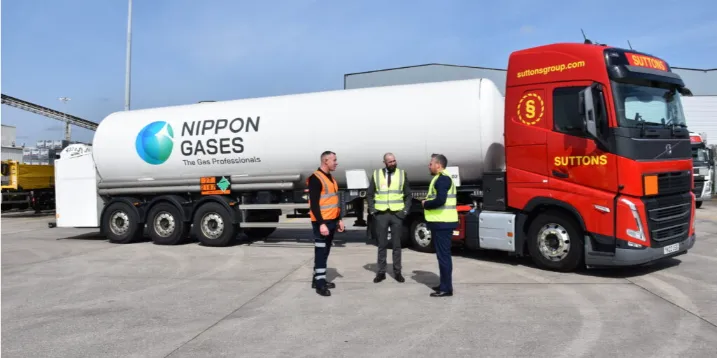
Suttons Tankers and Nippon Gases UKI are teaming up to try out a new kind of fuel called Hydrotreated Vegetable Oil (HVO). This fuel is meant to help reduce carbon emissions in Nippon Gases’ logistics operations.

Last year, Suttons Tankers tested HVO fuel in some of their trucks and saw an 80% decrease in carbon emissions. Now, they are working with Nippon Gases UKI to see how HVO can benefit both of their operations.

During the trial, a group of Suttons Tankers trucks in Stockton that work with Nippon Gases will use a mix of HVO fuel. Rajat Bhardwaj from Suttons Tankers is excited about the trial and hopes it will continue to lower emissions. Joanne Rawlinson from Nippon Gases UKI is also looking forward to seeing how HVO fuel can help reduce their carbon footprint.

Fiji Airways and Partners Exploring SAF Production in the Pacific

Fiji Airways is teaming up with the Fiji Sugar Corporation Limited and Lee Enterprises Consulting to see if they can make sustainable aviation fuel (SAF) in Fiji. This project is funded by The Asian Development Bank and aims to support sustainable aviation and agriculture in the Pacific region.

ALSO GET REGIONAL NEWS

The study will look at using sugarcane and its byproducts to make ethanol, which can then be turned into SAF. They will also explore using molasses, sugar, bagasse, and biomass as potential sources for SAF production.

Jason White from Lee Enterprises Consulting believes that partnerships like this are important for addressing climate change. Peter Seares from Fiji Airways is excited about the project and hopes it will help Fiji meet its sustainability goals while also boosting the local sugar industry and creating new jobs.

Sustainable Fuel Initiatives in the UK and the Pacific Read More »

International Energy Agency (IEA)

Central and South America’s Emissions Control: Progress and Challenges

Central and South America’s Emissions Control: Progress and Challenges

Recent data from the International Energy Agency (IEA) reveals that Central and South America contributed 6.3% of global CO2 emissions from fuel combustion in 2021. The region’s total emissions reached 2,119.919 Mt CO2, marking a 31% increase since 2000. Brazil leads the region in emissions, followed by Argentina and Chile, highlighting the varied scales of environmental impact across different countries.

Despite the overall increase, the region’s per capita emissions remain below the global average. At 2.046 tCO2 per capita in 2021, Central and South America’s emissions are 52% of the world average. This statistic underscores the region’s relatively lower carbon footprint on an individual level, though it also reflects disparities in economic development and energy consumption patterns across the area.

The primary source of CO2 emissions in the region is oil, accounting for a significant 63% of total emissions from fuel combustion. Natural gas follows at 24.7%, with coal contributing 12.1%. This breakdown emphasizes the region’s heavy reliance on fossil fuels, particularly in the transportation sector. As countries in Central and South America continue to balance economic growth with environmental concerns, transitioning to cleaner energy sources remains a critical challenge for future emissions control efforts.

FOR MORE NEWS

Central and South America’s Emissions Control: Progress and Challenges Read More »

Woodland-Biofuels

Exciting News in Renewable Energy!

Woodland Biofuels Expansion

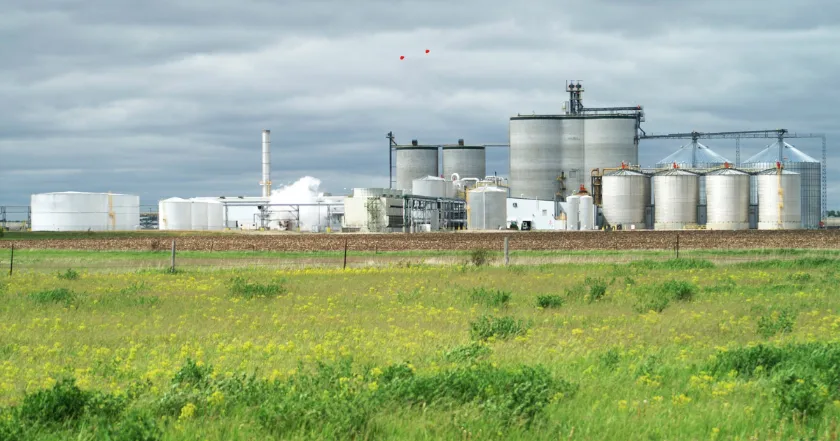
Woodland Biofuels, a renewable biofuels production company, is investing $1.35 billion to build one of the world’s largest biofuels production facilities at the Port of South Louisiana. They will use waste biomass to create sustainable biofuel for transportation, heating, and electricity.

Benefits for Louisiana

This new facility will bring 110 new jobs and help Louisiana’s energy strategy. It will also be the largest renewable natural gas production plant in the world, removing tons of carbon dioxide from the atmosphere annually.

Exciting Announcement

Woodland Biofuels CEO, Greg Nuttall, is thrilled about the project. They plan to build the world’s largest carbon-negative RNG facility, creating economic opportunities for St John Parish and beyond.

Future Plans

The project is expected to start commercial operations in 2028, with a final investment decision by the end of next year. The company is excited to work with the local community and utilize Louisiana’s infrastructure.

Simply Blue Group Expansion

Simply Blue Group, a clean energy developer, has chosen Goldboro in Nova Scotia, Canada, as the location for a major sustainable aviation fuels hub. This marks their strategic expansion into North America.

Benefits for Nova Scotia

Nova Scotia’s Minister of Natural Resources and Renewables, Tory Rushton, is excited about the development. This industry will help fight climate change, grow the green economy, and benefit future generations.

Positive Impact

Simply Blue Group’s investment in Nova Scotia will make a big difference in the transportation sector with aviation and marine fuel. It will also support the forestry sector by creating a new market for low-grade wood fiber.

This is an exciting time for renewable energy, with companies like Woodland Biofuels and Simply Blue Group leading the way towards a more sustainable future.

Exciting News in Renewable Energy! Read More »

Climate Finance

World Bank Group Delivers Record $42.6 Billion in Climate Finance

World Bank Group Delivers Record $42.6 Billion in Climate Finance

Record Climate Finance Delivery

The World Bank Group announced on Thursday that it had provided a record $42.6 billion in climate finance during fiscal 2024. This amount marked a 10% increase from the previous year’s $38.6 billion and was close to the target of allocating 45% of total financing to climate projects.

Progress Towards Goals

While the $4 billion increase in climate financing shows progress towards the bank’s goals, it falls short of the trillions of dollars needed annually to fund the clean energy transition in emerging market and developing countries. World Bank President Ajay Banga has implemented measures to increase lending capacity by $10 billion to $12 billion annually over 10 years to address climate change, pandemics, and other global crises.

Commitment to Climate Action

In December, the World Bank committed to allocating 45% of its total lending for fiscal 2025 to support climate adaptation and mitigation. The climate finance for fiscal 2025 includes projects such as cyclone shelters in Bangladesh and new electric bus rapid transit systems in Cairo, Egypt, and Dakar, Senegal.

Contributions from World Bank Group

The International Bank for Reconstruction and Development and the International Development Association delivered $31 billion in climate finance, with $10.3 billion specifically supporting adaptation and resilience investments. The International Finance Corp provided $9.1 billion in long-term climate finance, while the Multilateral Investment Guarantee Agency delivered $2.5 billion in climate finance for the fiscal year.

World Bank Group Delivers Record $42.6 Billion in Climate Finance Read More »

india blending ethanol

India Accelerates Ethanol Blending to Boost Energy Independence

India has made significant strides in ethanol blending over the years, reflecting its commitment to enhancing energy security and reducing carbon emissions. Since the inception of ethanol blending initiatives in 2001, the country has progressively increased its ethanol penetration, reaching a national average of 12% v/v in the 2022-2023 ethanol supply year. This growth is supported by the government’s policies, which include reducing the goods and services tax on fuel ethanol and providing financial assistance for expanding grain-based ethanol production facilities.

In response to growing ethanol demand, India has ramped up its production capacity. By 2023, the country achieved an ethanol production capacity of over 10.82 billion litres annually, significantly surpassing previous years. Despite these advancements, India’s ethanol production still trails its consumption, necessitating further investments to achieve future targets, such as the ambitious E20 mandate slated for 2025.

Comparatively, India’s ethanol blending policies are more stringent than Brazil’s, particularly regarding quality specifications like minimum octane numbers and maximum sulfur content. While Brazil leads with a higher blending mandate of up to 27.5% v/v, India’s focus on ultra-low sulfur fuels showcases its commitment to cleaner energy solutions. However, as a net importer of ethanol, India faces challenges in matching Brazil’s production and consumption levels.

Projections in Ethanol Blending

To address these challenges, India is encouraging the adoption of flex-fuel technology in the automotive sector. Automakers are beginning to introduce flex-fuel vehicles, with Toyota launching a pilot for a flex-fuel hybrid in 2022. This move aligns with India’s goal of increasing ethanol usage across the transportation sector, setting the stage for a more sustainable and self-reliant energy future.

Get more info

To get more info check out inspire.sgs.com
Also trending topic Heat wave warnings

India Accelerates Ethanol Blending to Boost Energy Independence Read More »