biofuels

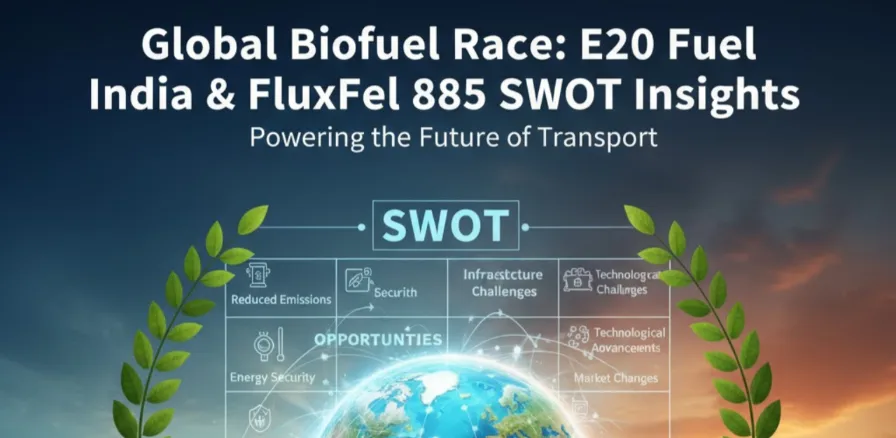
Digital illustration comparing E20 Fuel (India) and FluxFuel E85 biofuel initiatives, featuring two fuel pumps (one labeled 'E20 Fuel' with Indian elements, one labeled 'FluxFuel E85') flanking a glowing globe surrounded by a SWOT analysis diagram (Opportunities, Strengths, Weaknesses, Threats). The background shows a futuristic city skyline and lush greenery.

Global Biofuel Race: E20 Fuel India & FluxFuel E85 SWOT Insights

The Great Green Rush: A SWOT Analysis of the Global Biofuel Race, Featuring E20 Fuel India and FluxFuel E85

The race to decarbonization worldwide is not a sprint; it’s a high stakes, technology driven marathon. At the heart of this competition are advanced biofuels, primarily ethanol and biodiesel, designed to displace fossil fuels. Two prominent players defining the current landscape are E20 fuel India (a 20% ethanol blend rapidly adopted by one of the world’s largest consumer markets) and the international potential of FluxFuel E85 (the 85% ethanol blend that powers Flexible Fuel Vehicles, or FFVs). India targets 20% ethanol blending (E20) by 2025, aiming to cut oil imports and emissions. Production capacity is expanding, but feedstock (sugarcane, grains) may fall short, risking unmet targets and food security concerns (T & K, 2023).

A comprehensive SWOT analysis of these technologies reveals the critical strengths, inherent weaknesses, immense opportunities, and significant threats that will determine their long-term viability in the Global Biofuel Race.

A Sneak Peek on India: The E20 Acceleration

India’s shift to E20 fuel India a blend of 20% ethanol and 80% gasoline is one of the most aggressive biofuel rollouts globally. Initially targeting 2030, the country has significantly fast tracked the E20 implementation, driven by national energy security goals and a massive push to cut its crippling crude oil import bill.

Strengths : Energy choices and GHG Reduction

  • Energy Security and Forex Savings: The primary driver is reducing reliance on imported crude oil. The Ethanol Blending Programme (EBP) has already resulted in billions of dollars in foreign exchange savings, with the revenue now circulating within the domestic agricultural economy.
  • Rural Economic Boost: Ethanol is sourced primarily from agricultural feedstocks (sugarcane, damaged grains, and maize). This provides farmers with a stable secondary income, helping to clear crop debt and improving the economic viability of farmers.
  • Decarbonization Impact: Ethanol is a cleaner burning fuel. Studies revealed that the use of E20 fuel can lead to a significant reduction in lifecycle Greenhouse Gas (GHG) emissions up to 50–65% lower than gasoline, depending on the feedstock. The higher octane number of E20 (up to RON 95) also promotes better anti-knocking properties and performance globally in compatible engines.

Weaknesses : Technical Barriers and Resource origins

  • Vehicle Compatibility and Corrosion: A major weakness is the compatibility of the existing vehicle fleet. While all new cars are E20-compliant, millions of older vehicles lack the specialized material to handle the corrosive nature of the higher ethanol concentration, potentially leading to fuel system damage and leaks.
  • Fuel Efficiency Loss: Ethanol has a lower energy density than pure gasoline, resulting in a reported drop in fuel efficiency (mileage) for non-optimized vehicles, a key concern for consumers.
  • Water and Food Security Concerns: The dependence on water intensive crops like sugarcane raises environmental stress concerns. Furthermore, the diversion of food crops (like rice and maize) to fuel production ignites the contentious “food vs. fuel” debate, risking food inflation and impacting cattle feed supply.

Global Flex-Fuel Standard: The FluxFuel E85 Potential

FluxFuel E85 refers to the high-level blend of 85% ethanol and 15% gasoline, the established standard for Flexible Fuel Vehicles (FFVs) primarily in the US and Brazil. Its potential lies in offering the maximum carbon reduction benefit from ethanol, but its uptake is tightly bound to FFV penetration and infrastructure.

Opportunities (O): Market Expansion and Next-Gen Fuels

  • Global FFV Market Growth: The market for Flex Fuel Engines is projected to grow significantly, driven by stringent global emission regulations and the demand for sustainable automotive technologies. This creates a ready-made market for FluxFuel E85.
  • Second-Generation (2G) Biofuels: The push for E85 accelerates the development and commercialization of 2G ethanol derived from non-food sources (agricultural residues, waste biomass, etc.). This advancement directly addresses the food-vs-fuel conflict inherent in first-generation biofuels. India, for example, is investing in 2G refineries to convert agricultural waste (like parali) into ethanol.
  • Technological Convergence: FFVs(Flex Fuel Vehicles) are increasingly being integrated with hybrid and plug-in hybrid electric vehicle (PHEV) systems, offering a “flex-hybrid” solution that maximizes efficiency while running on low-carbon fuel blends like FluxFuel E85.

Threats (T): Framework and Competition

  • Infrastructure Investment and Availability: The primary constraint for widespread FluxFuel E85 adoption is the lack of ubiquitous E85-compatible fueling stations. Retrofitting existing stations to handle high-ethanol blends is expensive, and distribution infrastructure remains geographically limited.
  • Competition from Electrification (EVs): The most significant long-term threat is the rapid ascent of Battery Electric Vehicles (BEVs). As charging infrastructure matures and battery costs decline, BEVs could eventually leapfrog high-blend ethanol fuels, particularly in the light-duty vehicle segment.
  • Price Parity and Volatility: For FluxFuel E85 to be economically attractive to consumers, its pump price must be sufficiently lower than gasoline to offset the typical 20–30% drop in fuel efficiency (due to ethanol’s lower energy content). Achieving and maintaining this price parity is a constant market challenge, often requiring sustained government subsidies.

Navigating the Biofuel Crossroads

The success of the biofuel race hinges on converting the listed weaknesses and threats into manageable challenges and capitalizing on the opportunities.

For E20 fuel India, the immediate focus must be on mitigating consumer anxiety regarding older vehicles. This involves:

  1. Incentivizing E20 Upgrade Kits: Providing tax breaks or subsidies for owners of non-compliant vehicles to install certified E20-compatible conversion kits.
  2. Maintaining a Low-Blend Option: Temporarily continuing to offer lower-blend gasoline (E0 or E10) at select pumps for non-compliant vehicles, as a customer retention and safety measure.
  3. Sustainable Feedstock Strategy: Aggressively scaling up 2G ethanol production to eliminate the pressure on food crops and water resources.

For the wider adoption of FluxFuel E85, the need is global standardization and infrastructure build-out:

  1. Mandates for FFV Manufacturing: Governments must follow the example of Brazil and actively mandate and incentivize the sale of FFVs to increase the addressable market for E85.
  2. Public-Private Investment: Strategic government investment and tax incentives are crucial to rapidly expand the FluxFuel E85 retail network beyond current concentrations.

The Global Biofuel Race is fundamentally a quest for energy transition a bridge between fossil fuels and a fully decarbonized energy future. The aggressive targets set by players like India, paired with the technological advancements driving higher-blend fuels, make ethanol a pivotal component of this transition. However, its trajectory remains deeply entwined with the ability to manage resource sustainability, consumer adoption, and the fierce competition from electric mobility.

Citations

T, R., & K, P. (2023). Energy Policy – Ethanol Production in INDIA: The Roles of Policy, Price and Demand. International Journal of Advanced Research in Science, Communication and Technology. https://doi.org/10.48175/ijarsct-11140a.

Internal Blog Link

Global Biofuel Race: E20 Fuel India & FluxFuel E85 SWOT Insights Read More »

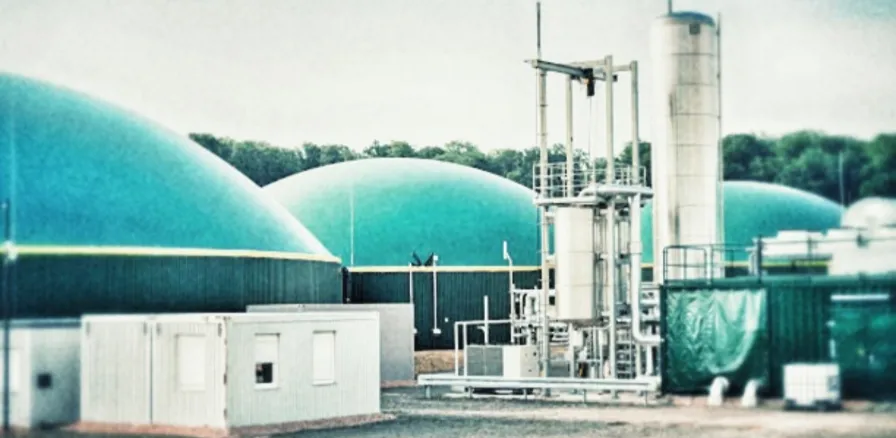
Biogas plant with large storage domes

Biogas to Methanol in India: Prospects and Barriers

Biogas to Methanol in India: A Pathway to a Sustainable and Self Reliant Future

India, with its ambitious goals for a “Methanol Economy” and a commitment to a net-zero future, is at a crossroads. The country’s growing energy demand, along with its large agricultural waste and organic residue, creates a unique chance to turn biogas into a clean, versatile fuel, methanol. However, this change comes with challenges. Although the future looks promising, we need to tackle important social, environmental, and financial obstacles to realize the full potential of this technology. This approach offers a way to transform abundant biogas resources into methanol, a versatile fuel and chemical feedstock, while reducing reliance on fossil fuels and lowering greenhouse gas emissions.

The Promising Prospect: Why Biogas to Methanol?

Methanol is a strategic energy product with multiple applications. It can be used as a clean-burning fuel for transportation (blended with petrol and diesel), a domestic cooking fuel, and a feedstock for various chemicals. Producing methanol from biogas, a product of anaerobic digestion of organic waste, offers a compelling solution to several of India’s pressing problems.  India generates large amounts of agricultural, municipal, and industrial waste, which can be converted to biogas. Using this biogas for methanol production supports waste valorization and a circular economy, turning waste into valuable products Gautam, P., , N., Upadhyay, S., & Dubey, S. (2020). 

First, it offers a way to achieve energy independence. India’s dependence on imported crude oil and natural gas creates a big economic burden. By producing methanol locally from plentiful biomass and organic waste, the country can greatly cut its import costs, which is a main goal of the NITI Aayog’s “Methanol Economy” program.

Second, it tackles the twin problems of waste management and air pollution. India produces millions of tons of agricultural waste and municipal solid waste each year. Much of this is poorly managed, resulting in landfill fires, methane emissions, and stubble burning. These issues lead to serious air pollution, especially in northern India.
Biogas-to-methanol can be economically viable, especially with policy support or carbon tax (Scomazzon, M., Barbera, E., & Bezzo, F. (2024).

Biogas-to-methanol plants can convert this waste into a valuable resource, creating a circular economy. The process also generates high-quality organic manure (digestate), which can replace chemical fertilizers, thereby improving soil health.

Third, it plays a major role in fighting climate change. Methane, the main part of biogas, is a powerful greenhouse gas that has a much greater effect than carbon dioxide over a short period. By capturing and turning biogas into methanol, we stop these emissions from getting into the atmosphere. The methanol we produce is a low-carbon fuel that can replace fossil fuels, which helps cut down greenhouse gas emissions even more.

The Roadblocks: Barriers to Implementation

Methanol and fossil fuel price comparison

Despite these clear benefits, several hurdles stand in the way of widespread adoption of biogas-to-methanol technology in India. Policy, technology maturity, and supply chain issues remain challenges in India (Deng et al., 2024).

1. Financial and Economic Barriers

The high initial cost of setting up a biogas-to-methanol plant is probably the biggest challenge. A typical biogas plant already requires a significant investment for small operations. The extra equipment needed for gas upgrading and methanol production increases the costs even more. Lack of financing mechanisms and high upfront costs make it difficult for investors to fund large-scale biogas-to-methanol plants. This is a primary barrier identified by experts across sectors. Long payback periods and limited access to credit discourage private sector participation, especially for small and medium enterprises (Irfan et al., 2022). This makes it hard for project developers, especially smaller ones, to get financing.

Furthermore, the economic viability is heavily dependent on several factors that are often unpredictable. The cost and consistent supply of feedstock (agricultural waste, municipal solid waste, etc.) can be highly volatile. The price of methanol in the market, which is influenced by global fossil fuel prices, can also fluctuate, making it challenging to guarantee a stable return on investment.Targeted subsidies and feed-in tariffs for biogas and methanol production can make projects financially viable, especially for larger plants .

Investment support covering a high percentage of capital costs (up to 90–100%) is necessary for profitability in large-scale projects .

Innovative financing models and public-private partnerships can help mobilize capital and reduce risk  The current low import price of methanol in India also creates a disincentive for local production (Singh, Kalamdhad, & Singh, 2024).

Solutions and Prospects:

  • Policy Support and Subsidies: The government can help by providing capital subsidies and low-interest loans for project developers. This would lower the initial financial burden and draw in private investment.
  • Offtake Guarantees: Implementing a fixed-price offtake mechanism, similar to the SATAT (Sustainable Alternative Towards Affordable Transportation) initiative for compressed biogas (CBG), would provide financial security to project developers and de-risk investments.
  • Creating a Market for By-products: Establishing a robust market for the organic digestate (bio-fertilizer) would create a second revenue stream, improving the overall project economics.
  • Scalability and Decentralization: Comprehensive resource mapping and standardized procedures can reduce uncertainty and attract investment. Developing modular and scalable technologies can allow for smaller, decentralized plants that are more manageable and can cater to local waste streams, reducing transportation costs.Consistent policy frameworks and streamlined regulatory processes are needed to lower barriers and encourage private sector involvement.
Barriers to biogas adoption in India

2. Social and Cultural Barriers

The social and cultural context in India presents its own set of challenges. One of the primary barriers is the perception and acceptance of using certain types of waste, particularly animal and human waste, as feedstock for energy production. While anaerobic digestion is a well-established and hygienic process, social stigmas and a lack of awareness can hinder community acceptance and feedstock collection.

Additionally, the transition from traditional cooking fuels like firewood and LPG to methanol-based stoves requires behavioral change. In rural areas, where biogas could be a game-changer, the free availability of firewood often makes the financial investment in a biogas system seem unappealing to households, even with subsidies. The lack of awareness about the environmental and health benefits of clean cooking fuels is also a major impediment.

Solutions and Prospects:

  • Public Awareness Campaigns: Educating the public about the scientific process of anaerobic digestion, the hygienic nature of the technology, and the benefits of the resulting bio-fertilizer is critical. Highlighting the health benefits of using clean cooking fuel is also vital.
  • Community Engagement: Involving local communities in the planning and operation of biogas-to-methanol plants can foster a sense of ownership and build trust. This can be facilitated through community-level cooperatives.
  • Incentivizing Clean Cooking: Government programs that offer subsidized methanol cookstoves and a reliable supply of methanol canisters can encourage households to switch from traditional fuels.

3. Environmental and Technical Barriers

While the overall environmental impact of biogas-to-methanol is positive, there are specific challenges that need to be addressed. The process itself can be energy-intensive, and the source of the energy used is a key factor in determining the overall carbon footprint. For example, if the plant relies on fossil fuels for its own power needs, the environmental benefits are diminished. The management of the carbon dioxide (CO₂) separated from the biogas, a significant by-product, is also a critical issue. If vented, it reduces the overall environmental advantage.

Technologically, while the core processes of biogas reforming and methanol synthesis are well-established, their integration on a commercial scale, especially with a focus on efficiency and cost-effectiveness, is an ongoing area of research and development. Issues like the presence of impurities in biogas (such as hydrogen sulfide) can poison catalysts and reduce the efficiency and lifespan of the plant.

Solutions and Prospects:

Graph comparing waste types and costs
  • Integration with Renewable Energy: Powering biogas-to-methanol plants with renewable energy sources like solar or wind power would maximize their environmental benefits, ensuring a truly green process.
  • Carbon Capture and Utilization (CCU): Integrating carbon capture technologies to utilize the separated CO₂ for methanol synthesis or other industrial applications (e.g., urea production) is a key solution. This not only enhances the methanol yield but also makes the process more carbon-neutral.
  • Indigenous Technology Development: Investing in research and development to create robust, efficient, and cost-effective indigenous technologies for biogas upgrading and methanol synthesis is crucial. The work being done by institutions like BHEL and IIT Delhi in this area shows promise.
  • Operational Training: Providing technical training to local personnel for the operation and maintenance of the plants will ensure their long-term viability and reduce reliance on external expertise.

Calculating the Benefits: Financial and Environmental Impact

The financial and environmental benefits of a successful biogas-to-methanol ecosystem in India are substantial and multifaceted.

Financial Benefits

  • Reduced Import Bill: NITI Aayog estimates that the “Methanol Economy” can reduce India’s oil import bill by approximately Rs 50,000 crore annually. A significant portion of this saving can be attributed to indigenous methanol production from biomass .
  • Job Creation: The establishment of biogas-to-methanol plants, along with the supporting supply chain for feedstock and distribution, can create millions of jobs, particularly in rural and semi-urban areas. NITI Aayog’s roadmap projects the creation of around 5 million jobs.
  • Rural Economic Development: The ability to sell agricultural residue as feedstock provides a new source of income for farmers, discouraging the practice of stubble burning and empowering rural economies.
  • Savings for Consumers: The use of methanol as a cooking fuel can result in significant savings for households, potentially lowering fuel costs by 20% compared to traditional LPG Ali, S., Yan, Q., Razzaq, A., Khan, I., & Irfan, M. (2022).
Bar chart of job creation projections

Environmental Benefits

Biogas-to-methanol development in India faces several environmental and technical barriers that limit its large-scale adoption. Addressing these challenges is essential for realizing the full potential of biogas as a sustainable methanol feedstock.

Bar graph comparing financial benefits and barriers
  • Greenhouse Gas Reduction: By preventing methane emissions from waste and replacing fossil fuels, biogas-to-methanol can be a major tool for climate change mitigation. The use of a 15% methanol blend (M15) in gasoline, for example, is estimated to reduce GHG emissions by up to 20%.
  • Improved Air Quality: The elimination of stubble burning and the use of clean-burning methanol fuel in vehicles and cookstoves will significantly reduce particulate matter, SOx, and NOx emissions, leading to a dramatic improvement in urban and rural air quality.
  • Waste Management: The widespread use of anaerobic digestion provides a sustainable and circular solution for managing organic waste, reducing the burden on landfills and improving sanitation.
  • Soil Health: The organic digestate produced as a by-product is a high-quality bio-fertilizer that can improve soil structure and fertility, reducing the need for chemical fertilizers, which have their own significant environmental footprint.
Pie chart of environmental benefits

Conclusion

The path from biogas to methanol in India looks promising. It offers a strong mix of economic, social, and environmental benefits. While there are challenges, such as high initial costs, social acceptance, and technology adoption, these challenges can be overcome. With focused policy support, public awareness efforts, and smart investment in local research and development, India can create a strong and decentralized biogas-to-methanol system. This will help the country reach its goals of energy independence and establishing a “Methanol Economy.” It will also foster a greener, cleaner, and more self-sufficient future for its people. The shift isn’t just about a new fuel; it involves creating a sustainable approach to waste management, energy security, and caring for the environment.

Citations

Bio-methanol as a renewable fuel from waste biomass: Current trends and future perspective. Fuel, 273, 117783. https://doi.org/10.1016/j.fuel.2020.117783.

Alternative sustainable routes to methanol production: Techno-economic and environmental assessment. Journal of Environmental Chemical Engineeringhttps://doi.org/10.1016/j.jece.2024.112674.

Biogas to chemicals: a review of the state-of-the-art conversion processes. Biomass Conversion and Biorefineryhttps://doi.org/10.1007/s13399-024-06343-1.

 Prioritizing and overcoming biomass energy barriers: Application of AHP and G-TOPSIS approaches. Technological Forecasting and Social Changehttps://doi.org/10.1016/j.techfore.2022.121524.

Unravelling barriers associated with dissemination of large-scale biogas plant with analytical hierarchical process and fuzzy analytical hierarchical process approach: Case study of India.. Bioresource technology, 131543 . https://doi.org/10.1016/j.biortech.2024.131543.

Modeling factors of biogas technology adoption: a roadmap towards environmental sustainability and green revolution. Environmental Science and Pollution Research International, 30, 11838 – 11860. https://doi.org/10.1007/s11356-022-22894-0.

Internal Link Card

Rice Straw to Methanol in India

Explore the potential of converting rice straw, a major agricultural waste, into methanol. This article examines the feasibility, emissions, and how this can boost India’s biofuel industry.

Read the Full Article

Biogas to Methanol in India: Prospects and Barriers Read More »

A Chinese biorefinery plant with a field of rice straw at sunset

China Rice Straw Biomethanol: Energy, Cost & Emissions”

China Rice Straw Biomethanol: Energy, Cost & Emissions

From Field Waste to Fuel: China Rice Straw Biomethanol Revolution with Rice Straw

China has a vast agricultural output and has long faced challenges with crop residue disposal. Rice straw is particularly noteworthy due to its large volume, often causing environmental problems like open burning that significantly pollutes the air. Increasingly, this agricultural byproduct is seen as a valuable resource for producing biomethanol, Rice straw-to-biomethanol conversion achieves energy efficiencies around 42.7% for methanol synthesis via gasification , with yields of 0.308 kg methanol per kg rice straw 1. Alternative bioenergy routes, such as biodiesel from rice straw, report even higher energy efficiencies (up to 56.1%). This blog explores China’s efforts in harnessing rice straw for biomethanol production, focusing on its energy efficiency, economic viability, and environmental impact.

The Biomethanol Promise: A Sustainable Alternative

Biomethanol is a flexible alcohol produced from various biomass sources, including agricultural residues like rice straw. The real cost of biomethanol production is estimated at 2,685 RMB/ton (with economic and environmental costs separated) for a 50,000-ton plant . This is currently higher than coal-based methanol due to high investment and operational costs. However, cost reductions are possible through technological improvements, renewable electricity integration, and policy incentives . For comparison, biodiesel from rice straw is reported at CNY 3.03/kg, with payback periods of 7–9 years depending on market prices. It creates a sustainable energy source and helps solve the environmental problems tied to agricultural waste disposal (Wang et al., 2024).

China Move into Rice Straw Biomethanol: A National Necessity

China is committed to cutting carbon emissions and improving energy security. This has led to considerable investments and research in renewable energy technologies. Acknowledging the potential of its agricultural sector, the Chinese government actively supports the conversion of agricultural waste into valuable products like biomethanol. Many pilot and commercial projects across the country demonstrate the feasibility and scalability of this initiative.

The Energy Balance: How Efficient is Rice Straw Biomethanol?

To assess the energy efficiency of rice straw biomethanol production, we need to look at the total energy input necessary for the entire process. This includes collecting the feedstock, pretreating it, and finally synthesizing and purifying the methanol.

Feedstock Collection and Transportation: After harvesting rice, the rice straw needs to be collected from the fields and transported to the biorefinery. The energy used in this stage depends on collection methods, transportation distances, and the density of the baled straw. Improving logistics and using efficient transport systems are essential to reduce energy use.

Pretreatment: Raw rice straw contains cellulose, hemicellulose, and lignin, which are complex structures. Pretreatment is crucial to breaking down these components, making the cellulose and hemicellulose easier to convert later. Many pretreatment methods exist, including physical (like steam explosion, milling), chemical (like dilute acid, alkaline), and biological (like enzymatic hydrolysis). Choosing the most efficient and cost-effective method is key.

Conversion: The pretreated rice straw is then processed into syngas (a mix of carbon monoxide, hydrogen, and carbon dioxide) or sugars, depending on the method used.

  • Gasification: In this thermochemical process, the pretreated biomass is heated at high temperatures in a controlled environment with limited oxygen or steam to create syngas. The syngas must be cleaned before entering a methanol synthesis reactor.
  • Hydrolysis and Fermentation: This method involves enzymatic hydrolysis of pretreated cellulose and hemicellulose into fermentable sugars. Microorganisms then convert these sugars into bio-alcohols, including methanol.

The efficiency of this conversion stage relies heavily on the chosen technology and the optimization of process settings.

Methanol Synthesis and Purification: If syngas is used, it is catalytically converted to methanol in a synthesis reactor. The resulting crude methanol must undergo distillation to achieve fuel-grade quality. Both synthesis and purification require energy.

Overall Energy Balance: Studies on rice straw-to-biomethanol pathways show varying energy outcomes depending on specific technologies and the efficiency of each stage. Improvements in pretreatment methods, better gasification or fermentation techniques, and optimized methanol synthesis catalysts will continue to enhance the overall energy efficiency. Ideally, the energy output as biomethanol should greatly exceed the total energy input needed for production.

The Cost Factor: Can Rice Straw Biomethanol Compete?

The economic feasibility of rice straw biomethanol is crucial for its broader acceptance. Various factors influence production costs:

Feedstock Cost: Rice straw is often viewed as waste with little or negative value because of disposal expenses. Building a reliable supply chain for large-scale biomethanol production will incur costs linked to collection, baling, storage, and transportation. These costs vary by location, farming practices, and rice crop density.

Pretreatment and Conversion Technology Costs: The investments and operational costs associated with the selected pretreatment and conversion technologies impact overall production costs significantly. More advanced technologies may have higher initial costs but can lower operational expenses through reduced energy use or improved yields.

Chemicals and Utilities: The production process requires several chemicals and utilities like water and electricity, affecting operating costs. Improving resource use and examining renewable energy sources for biorefinery operations can help cut these costs.

Scale of Production: Larger biomethanol plants usually benefit from economies of scale, resulting in lower unit production costs compared to smaller facilities. Government support and incentives for developing large biorefineries can enhance cost competitiveness.

By-product Valorization: Many processes for producing rice straw biomethanol create valuable by-products, such as lignin for energy or materials, and process leftovers that can be used as fertilizers. Using these by-products can provide additional income and improve the overall economic viability.

Comparison with Fossil Methanol: The competitiveness of rice straw biomethanol ultimately depends on its production cost against conventional methanol from natural gas. Changes in fossil fuel prices and carbon pricing can affect this comparison. As biomass conversion technologies advance and production scales up, biomethanol’s cost is expected to become more competitive.

Emissions Reduction: The Environmental Benefit of Rice Straw Biomethanol

One key reason to pursue rice straw biomethanol is its ability to significantly lower greenhouse gas emissions when compared to fossil fuels.

Avoiding Open Burning: Using rice straw for biomethanol provides a sustainable alternative to open burning, which releases large amounts of pollutants like particulate matter and carbon monoxide, worsening air quality and climate change.

Carbon Neutral Potential: Biomass is labeled a renewable resource because plants absorb carbon dioxide through photosynthesis, which is re-released during biomass conversion to energy or fuel. If the entire lifecycle of rice straw biomethanol production is managed sustainably, with minimal fossil fuel use, net carbon emissions can be far lower than those from fossil methanol.

Lifecycle Assessment: A thorough lifecycle assessment (LCA) is essential for evaluating the environmental impact of rice straw biomethanol. Lifecycle assessments show that rice straw biomethanol can reduce GHG emissions by 59–76% compared to fossil-based methanol, meeting or exceeding EU Renewable Energy Directive III standards . The largest emission reductions are achieved by using renewable electricity and optimizing upstream agricultural practices . Sensitivity analyses highlight the importance of reducing energy consumption in pre-processing steps (Wang et al., 2023).

Displacing Fossil Fuels: Switching from fossil methanol to biomethanol in different applications, like fuel blending and direct fuel use in specialized engines, can help cut overall greenhouse gas emissions in these sectors.

Soil Health Benefits: In some cases, removing excess rice straw from fields can improve soil health by preventing the buildup of decomposing material, which can create anaerobic conditions and release methane, a potent greenhouse gas. However, sustainable management of straw that considers nutrient recycling and soil carbon is essential.

Challenges and Opportunities for China Rice Straw Biomethanol Industry

Rice straw biomethanol in China faces several challenges. There is a need for a strong supply chain with efficient collection, storage, and transport systems. Further research and development are necessary to improve technology and increase production. Efforts must also focus on making it cost-competitive through innovations, economies of scale, and supportive government actions. A consistent policy and regulatory framework that includes subsidies and renewable fuel blending mandates is vital. It is equally important to ensure environmental sustainability by managing resources, waste, and emissions responsibly.

Despite these hurdles, rice straw biomethanol offers significant opportunities. It can reduce dependence on imported fossil fuels. It provides a sustainable solution for managing agricultural waste. It can also create new jobs and promote economic growth in rural areas. Additionally, it plays a crucial role in reducing greenhouse gas emissions, supporting China’s goals for climate change mitigation and carbon neutrality.

Conclusion: A Sustainable Pathway for China Rice Straw Biomethanol Energy Future

China’s innovative approach to using rice straw for biomethanol production marks a vital step toward a more sustainable energy future. By converting an agricultural waste product into a valuable renewable fuel, China is tackling environmental issues while promoting a circular economy in agriculture. Challenges related to energy efficiency, cost, and technology optimization still exist, but the benefits of rice straw biomethanol in terms of emissions reduction and energy security are considerable. Continued innovation, supportive government policies, and smart investments will be critical to realizing the full potential of this promising renewable fuel and fostering a greener, sustainable China.

CITATIONS

Reducing the lifecycle carbon emissions of rice straw-to-methanol for alternative marine fuel through self-generation and renewable electricity. Energy Conversion and Managementhttps://doi.org/10.1016/j.enconman.2024.119202.

Assessing the prospect of bio-methanol fuel in China from a life cycle perspective. Fuelhttps://doi.org/10.1016/j.fuel.2023.130255.

also read the latest about

Policy Recommendations for Scaling Biomethanol in China’s Marine Industry

Learn how targeted policies, incentives, and regulatory support can accelerate biomethanol adoption in China’s marine and shipping sectors.

China Rice Straw Biomethanol: Energy, Cost & Emissions” Read More »

Split-color image featuring the text "China's Green Methanol Model: Blueprint for Scaling Hydrogen, Ammonia & Biofuels Globally.

Fueling Profits: The Chinese Model for Low Cost, High Gains Biomethanol

China’s Green Tidal Wave: How 30 Million Tonnes of Methanol Capacity is Decarbonizing Global Shipping and Charting the Chinese Model for Low Cost, High Gains Biomethanol

The global shipping industry, a colossal engine of international commerce, faces an undeniable mandate: decarbonization. This challenge is not merely about shifting fuels but establishing entirely new supply chains, production infrastructures, and commercial paradigms at a world-spanning scale. Against this backdrop of urgency and immense logistical complexity, the announcements emerging from China, detailed at the Argus Green Marine Fuels Asia conference in Singapore, represent far more than local business development; they constitute a strategic blueprint for the world’s transition to clean maritime fuel. Chinese green energy firms, by championing the development of biomethanol plants, are establishing green methanol as the singularly attractive, high-volume option to purify the global shipping fleet’s carbon footprint, setting critical goals and directions for every nation to follow.

Biomethanol production in China using rice straw, bagasse, or other biomass can reduce CO₂ emissions by 54–59% compared to coal-based methanol, and even achieve carbon-negative outcomes in some integrated processes (Su et al., 2024).

The initial analysis of the market confirms the strategic positioning of green methanol. According to Shutong Liu, founder of biofuel brokerage Motion Eco, the immediate future of alternative marine fuels is a two horse race: Used Cooking Oil (UCO) methyl ester (Ucome) based marine biodiesel and green methanol. However, the same expert points to a fundamental constraint that elevates biomethanol’s long-term importance. The supply of feedstock UCO is inherently limited and must be distributed across an ever-growing array of sectors, including marine bio-bunkering, on road transportation, and, critically, aviation fuel demand. This competition for limited UCO resources essentially places a ceiling on the growth potential of marine biodiesel. Consequently, biomethanolwhich utilizes biomass as its feedstock is strategically positioned for greater future expansion, making the Chinese focus on it a prescient move that secures a scalable fuel source for the long haul, benefitting the ultimate goal of full maritime decarbonization.

The scale of China’s commitment is what provides the most profound benefit to the global biomethanol goal. The sheer ambition, as disclosed by Liu, involves Chinese green methanol suppliers announcing over 100 projects designed to collectively produce a staggering volume of more than 30 million tonnes per year (t/yr) of green methanol. However, current production costs for biomethanol are 3–5 times higher than coal-based methanol (e.g., 2685 RMB/t vs. 1593 RMB/t), mainly due to high capital and feedstock costs (Bazaluk et al., 2020, p. 3).. This massive capacity commitment shatters previous conceptions of what is commercially possible in the alternative fuel space. The planned projects are strategically divided, comprising 12 million t/yr of biomethanol capacity and 18 million t/yr of e-methanol capacity.

This immense, multi million tonne annual capacity is the single most important factor benefiting the biomethanol goals. By injecting such a massive projected supply into the market, these projects move biomethanol from being a boutique, trial fuel to a globally relevant, commercially validated commodity. This volume provides the necessary confidence for naval architects to design new vessels optimized for methanol, for ports to invest in bunkering infrastructure, and for financial markets to confidently back further production initiatives globally. It signals an irreversible commitment to the fuel’s future. In essence, China is single-handedly building the required industrial base to transition a segment of the global shipping industry.

Concrete examples of this commitment provide a tangible direction for the rest of the world. The energy, chemical engineering, and food equipment firm CIMC Enric is already constructing a biomethanol plant in Zhanjiang, Guangdong. This facility is planned to produce 50,000 t/yr by the fourth quarter of 2025, with a clear, aggressive scaling path targeting an increase to 200,000 t/yr by 2027, as stated by the company’s director, David Wang. The accompanying detail that the factory includes 20,000 tonnes of storage capacity for biomethanol underscores that this is not just a theoretical capacity announcement but a firm investment in physical infrastructure. Similarly, the Chinese wind turbine supplier and biomethanol producer GoldWind is pursuing an even larger capacity goal. Their plans involve the start up of two substantial 250,000 t/yr biomethanol plants, with one unit scheduled to commence operations by the end of 2025 and the second following in late 2026, according to company vice-president Chen Shi. These hard deadlines, associated with significant and verifiable industrial capacity, define a goal-setting direction based on timely execution.

Furthermore, China’s projects offer critical insights into the preferred technological pathways for meeting immediate decarbonization goals. Biomethanol is produced by converting biomass into syngas through a process of gasification, frequently supplemented with the addition of green hydrogen, before reacting with a catalyst to synthesize the final methanol product. This is a relatively established chemical engineering process. While the overall Chinese plan includes a substantial 18 million t/yr of e methanol produced by combining captured CO2 with green hydrogen the market perspective presented is telling. E methanol is currently viewed as “far less commercially viable” than biomethanol due to a combination of higher production costs and less established technological maturity. The world can learn from this strategic insight: to meet pressing, near-term goals, the focus should initially be placed on the commercially ready, cost-effective, and scalable biomethanol pathway, using the e methanol route as a critical but longer-term objective. The versatility of both fuels, which share identical molecular properties with conventional fossil methanol, further simplifies the transition, as they can be blended with the traditional fuel for immediate marine usage without requiring radical engine changes across the global fleet.

However, the Chinese experience also illuminates the commercial and financial directions that must be set globally. Panellists at the conference highlighted that ‘money matters,’ citing a slowing Chinese economy and high initial investment costs as significant barriers to quickly ramping up biomethanol production. This global challenge requires a global solution, and the Chinese firms have provided the perfect model for de-risking these massive investments.

Susana Germino, Swire’s shipping and bulk chief sustainability officer, emphasized the need for securing long-term offtake agreements (LTAs) with reputable end-users to progress green fuel projects at scale. This model is being directly applied by Chinese producers. Crucially, GoldWind’s experience offers the ultimate blueprint: they signed a long-term offtake agreement for biomethanol with the Danish container shipping giant Maersk in 2023. This LTA, a critical commercial guarantee, directly enabled the project to reach a Final Investment Decision (FID) on its Inner Mongolia biomethanol unit the following year. This sequence LTA first, then FID is arguably the most important direction the world can glean from the Chinese projects. It is a model of shared risk and mutual commitment, whereby shipowners provide the demand assurance necessary to unlock the billions of dollars needed for production infrastructure.

The final financial hurdle is pricing. Shutong Liu noted that green methanol must benchmark itself against its primary rival, marine biodiesel, to attract the necessary buyers, a challenge compounded by green methanol’s higher production costs. This is further complicated by the fact that marine biofuels like biodiesel are often seen as more attractive because they are “operationally easier to bunker.” The direction for the world, therefore, must be to follow China’s lead in achieving unparalleled scale to drive down unit production costs, while simultaneously innovating to simplify the bunkering and handling operations to achieve competitive parity with biodiesel.

In conclusion, the collective announcement of over 30 million t/yr of green methanol capacity by Chinese firms serves as a powerful, non-negotiable benchmark for the world. It is the clearest articulation yet of how to achieve global biomethanol goals. The directions set by China are precise:

  1. Prioritize Scale: Target multi-million-tonne annual capacity to ensure global supply and drive down costs.
  2. Strategic Feedstock Use: Acknowledge the constraint of UCO and strategically pivot towards the more scalable biomethanol pathway.
  3. De-Risk Investment with LTAs: Adopt the GoldWind/Maersk model of securing long-term offtake agreements before making the final investment decision.
  4. Execute on Tangible Infrastructure: Follow the CIMC Enric example of committing to hard deadlines, concrete facilities, and verifiable storage capacity.

By blending state-backed ambition with clear-eyed commercial execution and a focus on proven technologies, China’s green methanol projects are not just a domestic initiative; they are the most comprehensive, detailed, and aggressive blueprint available to the international maritime community, demonstrating exactly what is required to make clean shipping a global reality. The age of green methanol has begun, and the course for the world has been charted from the east.

Diagram showing China's three-pillar biomethanol model for maritime decarbonization: Low Cost Feedstock, High Volume Scale, and High Gain Commercialization feeding into an integrated supply chain to achieve decarbonized shipping

Viability of CHINESE MODEL

The viability of China’s “low-cost and high-gain” biomethanol model for global adoption is best viewed as a successful blueprint for scale, not a guaranteed replication of cost. China’s commitment to building over 100 green methanol projects, including 12 million tonnes per year of bio-methanol capacity, offers the critical benefit of industrial scale necessary to drive down long-term technology and production costs worldwide. Furthermore, their strategy of securing long-term offtake agreements (LTAs) with major shippers like Maersk before reaching Final Investment Decision (FID) provides a proven commercial mechanism for de-risking massive capital investments—a vital lesson for nations struggling to finance their own decarbonization projects. This focus on integrated supply chains, from production in biomass-rich regions to bunkering at major ports, demonstrates the necessary high-gain structure required for international maritime fuel supply.

However, replicating the “low-cost” element globally faces significant challenges rooted in local economic disparities and feedstock logistics. While China may produce the fuel cheaply relative to global green alternatives, its cost remains higher than conventional fossil fuels, necessitating the establishment of robust government incentives or carbon pricing schemes—policies that vary widely outside of China. Crucially, the model relies on the large, centralized availability of specific low-cost biomass and waste feedstocks, which may not be transferable to countries with different agricultural practices or waste management systems. Therefore, while the high-gain strategy of massive scaling, integrated infrastructure, and commercial de-risking is highly viable and essential for global adoption, the low-cost element will only materialize for other countries if they can overcome these local feedstock and policy hurdles.

Scalability of China’s Green Methanol Blueprint for Global Fuels

The viability of China’s “low cost and high gain” biomethanol model for global fuel adoption lies in its successful blueprint for industrial scale and commercial de risking, principles that are highly transferable to other green fuels like green hydrogen, ammonia, and advanced biofuels. The model’s core strength is its strategy of leveraging massive capacity build outs to achieve long term economies of scale, a necessary step for any high CAPEX, emergent green energy technology to compete with fossil fuels. Crucially, the focus on securing Long Term Offtake Agreements (LTAs) with major shipping companies before Final Investment Decision (FID) provides a robust commercial mechanism for de-risking capital investments. This financing strategy is universally applicable and essential for funding green hydrogen and green ammonia projects, where significant upfront investment in electrolyzers and renewable energy is the main barrier to entry.

However, the “low-cost” pillar of the model faces varied constraints when applied to different fuels, primarily driven by feedstock and logistical complexities. For hydrogen and ammonia, the “feedstock” is renewable electricity, making the model’s cost achievable only in regions with abundant, cheap solar and wind resources. In contrast, other advanced biofuels, like Sustainable Aviation Fuel (SAF) made from Used Cooking Oil (UCO), often face a severe global constraint on feedstock availability, preventing the massive volume scaling that the methanol model relies upon. Furthermore, while liquid e fuels like ammonia and e-methanol benefit from existing transport infrastructure, pure green hydrogen requires entirely new, expensive transport and storage infrastructure. Therefore, while the commercial de-risking and scale-up components of China’s model are a vital global roadmap, the low cost outcome is contingent upon resolving these specific local feedstock and infrastructure challenges for each unique fuel type.

Citatiuons

Su, G., Jiang, P., Zhou, H., Zulkifli, N., Ong, H., & Ibrahim, S. (2024). Integrated production of methanol and biochar from bagasse and plastic waste: A three-in-one solution for carbon sequestration, bioenergy production, and waste valorization. Energy Conversion and Managementhttps://doi.org/10.1016/j.enconman.2024.118344.

Bazaluk, O., Havrysh, V., Nitsenko, V., Baležentis, T., Štreimikienė, D., & Tarkhanova, E. (2020). Assessment of Green Methanol Production Potential and Related Economic and Environmental Benefits: The Case of China. Energieshttps://doi.org/10.3390/en13123113

Read the full blog on BiofuelsPK: Carbon Tax & Biofuels

Fueling Profits: The Chinese Model for Low Cost, High Gains Biomethanol Read More »

Industrial refinery at dusk with bright lights, representing fossil fuel infrastructure compared to cleaner biomethanol alternatives.

Biomethanol Vs Fossil Fuel: Which Ones Win For The Planet

Biomethanol Vs Fossil Fuel

As the world grapples with a climate crisis and the urgent need for decarbonization, the energy sector is undergoing significant change. One of the key debates is the move from fossil fuels to renewable alternatives. Biomethanol, a renewable form of methanol made from biomass and waste, is becoming a popular choice as a sustainable fuel and chemical feedstock. But how does it compare to traditional fossil fuels? Which option is better for the planet, both environmentally and economically? This analysis looks at the science, benefits, challenges, and future potential of biomethanol versus fossil fuels.

What Are Fossil Fuels?

Fossil fuels coal, oil, and natural gas—are energy sources formed from ancient organic matter over millions of years. They have fueled industrial growth but are now seen as the main contributors to greenhouse gas emissions, air and water pollution, and various environmental and health issues.

Environmental Impact: Biomethanol vs Fossil Fuel

Greenhouse Gas Emissions
Fossil Fuels: Burning fossil fuels releases large amounts of CO₂, methane, and other greenhouse gases. In 2019, fossil fuels were responsible for 74% of U.S. greenhouse gas emissions, with about 25% from public lands. These emissions drive global warming, rising sea levels, and extreme weather.
Biomethanol: Biomethanol can achieve up to 90% reduction in greenhouse gas emissions compared to fossil methanol, and even more when compared to fossil fuels overall. The carbon released during burning was previously absorbed during biomass growth, making it nearly carbon-neutral. Some biomethanol processes, like those using manure or waste, can even lead to net-negative emissions.

Air and Water Pollution
Fossil Fuels: Extracting, refining, and burning fossil fuels emit harmful air pollutants (SO₂, NOₓ, particulates, mercury) and contribute to acid rain, smog, and water pollution from oil spills and fracking. These pollutants damage ecosystems, agriculture, and human health.
Biomethanol: Burning biomethanol produces many fewer air pollutants. It burns cleaner, emitting less SO₂, NOₓ, and particulates, which improves urban air quality and reduces respiratory issues.

Ocean Acidification and Plastic Pollution
Fossil Fuels: At least a quarter of CO₂ from fossil fuels is taken up by oceans, leading to increased acidity and threats to marine life. Fossil fuels are also the primary source of plastics, with over 99% of plastics made from them, resulting in significant plastic pollution and climate problems.
Biomethanol: As a renewable fuel, biomethanol does not contribute to ocean acidification or plastic pollution in the same way. Its production can even use waste streams, decreasing landfill and ocean-bound waste.

Land and Resource Use
Fossil Fuels: Extracting and processing fossil fuels can ruin landscapes, destroy habitats, and contaminate soil and water. Oil spills and mining activities have long-lasting ecological effects.
Biomethanol: Producing biomethanol uses waste and residues, encouraging a circular economy and lessening the need for new resource extraction. However, large-scale production requires careful feedstock management to prevent land use conflicts.

Energy Efficiency and Net Energy Gain
Fossil Fuels: Extracting and processing fossil fuels require a lot of energy, resulting in significant losses along the supply chain. Their net energy gain is decreasing as resources become more challenging to extract.
Biomethanol: Producing biomethanol can be very efficient, especially with waste feedstocks. It is easy to store and transport and can be used in existing infrastructure and engines, making it a practical alternative.

Economic and Social Impacts

Market Costs and Externalities
Fossil Fuels: Market prices for fossil fuels do not reflect their actual environmental and health costs—known as externalities. These include climate change, air and water pollution, and healthcare expenses from pollution-related illnesses. Extreme weather events, rising sea levels, and disaster recovery costs add hundreds of billions to the true cost of fossil fuels.
Biomethanol: While the initial production costs for biomethanol may be higher, its environmental and health advantages can lead to long-term economic savings. As policies increasingly account for carbon pricing and promote renewables, biomethanol is becoming more competitive.

Job Creation and Rural Development
Fossil Fuels: The fossil fuel industry relies heavily on capital and is becoming more automated, leading to job losses as mines and wells close.
Biomethanol: Biomethanol production boosts rural economies by creating jobs in biomass collection, processing, and plant management. It diversifies energy supply chains and reduces reliance on fluctuating fossil fuel markets.

Biomethanol in Transportation and Industry

Transportation
Fossil Fuels: Fuels derived from oil dominate road, air, and sea transport, making up nearly a quarter of global CO₂ emissions. Continuing to use these fuels conflicts with international climate goals.
Biomethanol: Biomethanol serves as a drop-in fuel for cars, trucks, ships, and aviation. It helps decarbonize sectors that are hard to electrify and can blend with gasoline or be used in dedicated engines.

Industry
Fossil Fuels: Fossil methanol and other petrochemicals are used in plastics, fertilizers, and many industrial goods, sustaining the fossil economy.
Biomethanol: Biomethanol serves as a sustainable feedstock for green chemicals and materials. It lowers the carbon footprint of manufacturing and aids the shift to a circular, low-carbon economy.

Health and Environmental Justice

Fossil Fuels: Communities near extraction sites, refineries, and power plants often experience higher rates of asthma, cancer, and other health issues. Fossil fuel pollution disproportionately harms low-income and marginalized communities.
Biomethanol: Cleaner burning and reduced pollution from biomethanol enhance public health and lower healthcare costs, promoting social fairness and environmental justice.

Limitations and Challenges

 Global CO2 Emissions rate(1750-2020)

Biomethanol

  • Feedstock Availability: Large-scale biomethanol production relies on organized and sustainable waste feedstock supply chains, which are still developing in many areas.
  • Production Technology: Efficient conversion methods are still under research and scaling.
  • Land Use: Unsustainable growth could compete with food production or lead to deforestation if not managed properly.

Fossil Fuels

  • Finite Resources: Fossil fuels are non-renewable and becoming harder and more costly to extract.
  • Climate Incompatibility: Ongoing fossil fuel use conflicts with global climate targets and will result in escalating environmental and economic damage.

Regulatory and Policy Landscape

Fossil Fuels: Governments are reducing fossil fuel subsidies, implementing carbon pricing, and introducing stricter emissions standards to speed up the shift to clean energy.
Biomethanol: Policies like the EU Renewable Energy Directive, Fit-for-55, and FuelEU Maritime are encouraging renewable fuels, including biomethanol, giving them an edge over fossil fuels.

The Verdict: Which One is Better for the Planet?

Biomethanol

  • Greatly reduces greenhouse gas emissions—up to 90% versus fossil fuels.
  • Burns cleaner with fewer air and water pollutants.
  • Supports a circular economy and waste reduction.
  • Fosters rural development and job creation.
  • Works with existing infrastructure and vehicles.
  • Becomes more cost-competitive as carbon pricing and regulations grow.

Fossil Fuels

  • Major source of greenhouse gases and pollution.
  • Limited, non-renewable, and subject to unstable markets.
  • Heavy environmental and health-related costs.
  • Incompatible with a sustainable, decarbonized future.

Conclusion:


For the planet, biomethanol clearly outperforms fossil fuels. It provides a sustainable, scalable, and economically viable route to decarbonization, cleaner air and water, and a healthier, more just society. While there are challenges in scaling up production and ensuring a sustainable feedstock supply, the environmental and social benefits of biomethanol far outweigh those of fossil fuels. As policies and markets evolve, biomethanol’s role in the clean energy transition will continue to grow.

Biomethanol Vs Fossil Fuel: Which Ones Win For The Planet Read More »

A bright yellow, illuminated lightbulb floating above a row of six dark, unlit lightbulbs on a black background. Overlaying text asks: "BIOMETHANOL AND ETHANOL: WHICH RENEWABLE FUEL HOLDS THE KEY TO OUR FUTURE."

Biomethanol And Ethanol: Which Renewable Fuel Holds The Key To Our Future

Biomethanol And Ethanol: Which Renewable Fuel Holds

As the world moves away from fossil fuels, we need to find out which renewable fuels can truly offer a cleaner and more sustainable future. Biomethanol and ethanol are two of the main candidates often compared for their potential to reduce emissions in transport and power industries, while also helping countries achieve climate goals. So, which of these biofuels is better suited to lead us toward a low-carbon future? In this guide, we will look into the science, sustainability, economics, and real-world impacts of biomethanol and ethanol. This will help you understand which fuel could be vital for our energy transition.

What Are Biomethanol and Ethanol?

Biomethanol
Biomethanol is a renewable type of methanol made from biomass, including agricultural waste, municipal solid waste, or captured carbon dioxide. Unlike traditional methanol, which comes from natural gas, biomethanol offers a sustainable and low-carbon option that can be used as fuel, a hydrogen carrier, and a chemical feedstock.

Ethanol
Ethanol is an alcohol fuel mainly produced from plant materials like corn, sugarcane, and cellulosic materials. It is widely used as a gasoline additive or substitute, especially in the United States and Brazil. Ethanol is also a key part of many national renewable fuel plans.

Environmental Impact: Which Is Greener?

Biomethanol

  • Greenhouse Gas Reduction: Biomethanol can cut greenhouse gas emissions by up to 90% compared to fossil-derived methanol.
  • Feedstock Flexibility: It can be made from non-food biomass and waste, which helps avoid land-use changes and food security issues.
  • Carbon Circularity: Advanced facilities are using carbon capture and utilization to make biomethanol with nearly zero carbon emissions.

Ethanol

  • Lower Carbon Footprint: Ethanol has a much lower carbon footprint than gasoline and produces fewer pollutants when burned.
  • Food vs. Fuel Debate: Most ethanol comes from food crops, which raises concerns about diverting resources from food production and increasing food prices.
  • Land and Water Use: Ethanol production needs a lot of arable land and water, which can strain resources and affect biodiversity.

Verdict: Biomethanol generally provides better environmental benefits, especially when made from waste or non-food biomass, leading to lower emissions and less resource competition.

Production and Feedstock: Circularity vs. Competition

Biomethanol

  • Feedstock: Uses agricultural residues, forestry waste, municipal solid waste, and captured CO₂, supporting a circular economy.
  • Technology: Produced through gasification and fermentation, with ongoing improvements in efficiency and carbon capture methods.
  • Scalability: Supply chains for feedstocks and conversion technologies are still being developed, but there’s strong potential for large-scale, sustainable production, particularly in areas with plenty of waste biomass.

Ethanol

  • Feedstock: Mainly produced from food crops (corn, sugarcane), with some growth in cellulosic ethanol using crop residues and grasses.
  • Technology: Established fermentation processes, but they are energy-intensive and sometimes use fossil fuels for processing.
  • Scalability: Well-established in major markets, but growth is limited by land, water, and food security issues.

Verdict: Biomethanol’s use of waste and non-food feedstocks gives it an advantage in sustainability and scalability, while ethanol’s production methods are more established and widespread.

Energy Efficiency and Performance

Biomethanol

  • Energy Density: Higher than ethanol but lower than gasoline, making it a good choice for blending and direct use in modified engines.
  • Combustion: Provides cleaner combustion and reduces emissions of NOx and particulates, which is better for both vehicles and stationary power.
  • Infrastructure: Can be mixed with gasoline or used in methanol fuel cells and is compatible with existing storage and distribution systems.

Ethanol

  • Energy Density: Lower than both gasoline and methanol, which may reduce vehicle range unless engines are adjusted for ethanol.
  • Combustion: Burns cleaner than gasoline but can increase evaporative emissions; engine compatibility may be a challenge for higher blends.
  • Infrastructure: Commonly used as a gasoline additive (E10, E85), but high blends need engine modifications and specialized infrastructure.

Verdict: Biomethanol has a slight edge in energy density and flexibility, especially for next-generation engines and fuel cells.

Economic Factors: Cost, Investment, and Market Growth

Biomethanol

  • Cost-Competitive: As technology improves and waste feedstock supply chains develop, biomethanol is becoming more cost-competitive with fossil fuels and other renewables.
  • Market Growth: The global biomethanol market is expected to hit $9 billion by 2030, growing at a rate of 7% from 2023 to 2030.
  • Investment: Attracting significant investments, particularly in Europe and Asia-Pacific, where policies support low-carbon fuels and rapidly growing infrastructure.

Ethanol

  • Established Markets: Ethanol is already a multi-billion-dollar industry, especially in the US and Brazil.
  • Subsidies and Mandates: Its growth has been driven by government mandates and subsidies, but the sector faces more scrutiny over sustainability and resource use.
  • Price Volatility: Ethanol prices can fluctuate due to crop yields, weather changes, and commodity markets, leading to price uncertainty.

Verdict: Ethanol has the advantage of an established market, but biomethanol is quickly catching up as a scalable, sustainable, and economically viable alternative.

Applications: Where Do They Fit?

BAR CHART OF BIOMETHANOL ENERGY DENSITY

Biomethanol

  • Transportation: Used as a direct fuel, mixed with gasoline, or as a hydrogen carrier for fuel cell vehicles.
  • Industry: Serves as a feedstock for chemicals like formaldehyde and acetic acid, supporting greener manufacturing.
  • Power Generation: Used in methanol fuel cells for clean electricity production.
  • Marine and Aviation: Emerging as a low-carbon option for marine and aviation fuel, helping to decarbonize hard-to-reduce sectors.

Ethanol

  • Transportation: Commonly used as a gasoline additive or substitute, particularly in flex-fuel vehicles.
  • Industry: A feedstock for various chemicals, but less versatile compared to methanol derivatives.
  • Rural Development: Supports rural economies and creates jobs in agricultural areas.

Verdict: Biomethanol’s versatility across transport, industry, and power makes it a more adaptable option for the energy transition, while ethanol’s strength lies in established automotive markets.

Challenges and Limitations

Biomethanol

  • Feedstock Logistics: Large-scale production relies on reliable, sustainable supply chains, which are still not fully developed in many areas.
  • Conversion Technology: Ongoing research is needed to improve conversion efficiency and lower costs.
  • Policy Support: Needs strong policy frameworks and incentives to compete with established fossil fuels and ethanol subsidies.

Ethanol

  • Food vs. Fuel: Dependence on food crops raises ethical and economic issues, especially in regions facing food insecurity.
  • Land and Water Use: High resource needs can lead to deforestation, habitat loss, and water shortages.
  • Engine Compatibility: High ethanol blends can cause engine wear and require infrastructure upgrades.

Verdict: Both fuels face challenges, but biomethanol’s issues are more about technology and logistics, while ethanol’s are linked to resource conflict and environmental impact.

The Future Outlook: Which Fuel Holds the Key

Biomethanol
Driven by innovation, policy support, and the demand for truly sustainable fuels, biomethanol is set for rapid growth. Its ability to use waste feedstocks, cut greenhouse gas emissions by up to 90%, and fit into existing infrastructures makes it a strong candidate for the future of renewable energy. As more countries and companies invest in circular economy solutions, biomethanol’s role is expected to grow in transport, industry, and power generation.

Ethanol
Ethanol will continue to be an important part of the renewable fuel mix, especially in regions with established production and infrastructure. However, its long-term growth may be limited by resource challenges and sustainability issues. Advances in cellulosic ethanol and integration with other biofuels could improve its environmental profile, but competition for land and water will remain a concern.

Bar Chart of Biomethanol emissiions per Kg of Fuels

Conclusion: Biomethanol or Ethanol?

Both biomethanol and ethanol are crucial for the global energy transition, providing significant emissions reductions and supporting economic development. However, biomethanol’s adaptability, lower environmental impact, and fit with a circular economy make it a more promising option for a sustainable future. As technology improves and policies evolve, biomethanol is likely to become more central in decarbonizing transport, industry, and power—opening new pathways to a low-carbon world.

Related Reads on Biomethanol:

From Waste to Wonder: How Biomethanol Production is Transforming Agricultural Byproducts

Explore how agricultural waste is being turned into clean fuel through innovative biomethanol production.

The Biomethanol Advantage: How Small Businesses Are Cutting Emissions While Boosting Their Bottom Line

Discover how small businesses are saving money and going green with biomethanol solutions.

Biomethanol And Ethanol: Which Renewable Fuel Holds The Key To Our Future Read More »

Wooden letter tiles spelling "APPLICATION" on rustic table illustrating biomethanol applications in daily life

15 Surprising Applications Of Biomethanol You Didn’t Know Were Changing Your Daily Life

15 Surprising Applications of Biomethanol You Didn’t Know Were Changing Your Daily Life

Biomethanol, or renewable methanol, is chemically the same as conventional methanol (CH3OH). However, it comes from renewable sources instead of fossil fuels. It is a light, colorless, and biodegradable liquid that has a low carbon footprint. It often cuts greenhouse gas emissions by up to 90% compared to fossil methanol.

Since it is a liquid at room temperature, biomethanol is easier to store and transport than gaseous fuels like hydrogen. This makes it a practical renewable energy carrier and chemical feedstock.

1. Renewable Fuel for Vehicles

Biomethanol can be used directly as a fuel or mixed with gasoline in internal combustion engines. Its high octane rating boosts engine performance and lowers emissions of pollutants such as NOx and particulate matter. It can also help produce biodiesel and other biofuels.

  • Reduces carbon emissions in transportation
  • Works with existing fuel systems
  • Supports sectors where electrification is difficult

2. Cleaner Marine Fuel

The shipping industry uses biomethanol as a low-emission marine fuel. Biomethanol cuts lifecycle CO₂ emissions by up to 95% compared to traditional marine fuels. It can also be used in dual-fuel engines, allowing ships to switch between methanol and conventional fuels.

  • Helps meet IMO and EU emissions goals
  • Easier to store and handle than hydrogen or ammonia
  • Being adopted by major shipping companies worldwide

3. Hydrogen Carrier and Storage Medium

Hydrogen fuels are vital for reducing emissions in many sectors, but they face challenges in storage and transport. Biomethanol serves as a liquid hydrogen carrier, chemically storing hydrogen and releasing it when necessary. This makes hydrogen distribution and use easier.

  • Solves hydrogen storage and transport issues
  • Enables clean hydrogen use in transportation and industry
  • Supports the developing hydrogen economy

4. Feedstock for Chemical Industry

Biomethanol is a key renewable feedstock for making chemicals like formaldehyde, acetic acid, methyl esters, and methylamines. These chemicals are critical in producing plastics, textiles, paints, adhesives, and pharmaceuticals.

  • Reduces reliance on fossil fuels in chemical production
  • Encourages greener manufacturing processes
  • Supports circular economy principles

5. Power Generation and Grid Balancing

Biomethanol is used as a renewable fuel in power plants and combined heat and power (CHP) systems. It provides flexible power to complement intermittent renewables like solar and wind, helping to stabilize the electricity grid.

  • Improves grid reliability
  • Aids renewable energy integration
  • Lowers emissions from power generation

6. Cooking and Heating Fuel

In many areas, biomethanol replaces traditional biomass fuels like wood or charcoal for cooking and heating. It burns cleanly, reducing indoor air pollution and the health risks that come with it.

  • Improves air quality and health outcomes
  • Provides sustainable household energy
  • Reduces deforestation and environmental harm

7. Solvent in Pharmaceuticals and Cosmetics

Biomethanol is used as a solvent in making pharmaceuticals, cosmetics, and personal care products. Its renewable origin lowers the environmental impact of these industries.

  • Supports green chemistry
  • Reduces reliance on petrochemical solvents
  • Enhances sustainability in consumer products

8. Antifreeze and Coolants

Methanol’s antifreeze qualities make biomethanol an eco-friendly alternative for automotive and industrial coolants. It helps prevent freezing and overheating in engines and machinery.

  • Offers biodegradable and less toxic antifreeze
  • Lowers environmental pollution
  • Encourages sustainable maintenance practices

9. Fuel Cells for Portable and Backup Power

Biomethanol powers direct methanol fuel cells (DMFCs), which generate electricity for portable electronics, remote sensors, and emergency backup systems. This offers a clean and efficient power source.

  • Enables off-grid and emergency power
  • Provides higher energy density than batteries in some instances
  • Supports renewable energy use in various applications

10. Agricultural Inputs

Biomethanol is a feedstock for creating bio-based fertilizers and pesticides. This contributes to sustainable agriculture by reducing dependence on fossil-based chemicals.

  • Lowers the environmental effects of farming inputs
  • Promotes a circular bioeconomy using agricultural waste
  • Improves soil health and crop yields sustainably

11. Aviation Fuel Additive

Research is looking into biomethanol as a component in sustainable aviation fuels (SAF). This aims to cut the carbon footprint of air travel by blending with conventional jet fuel.

  • Addresses emissions in hard-to-decarbonize aviation
  • Compatible with existing fuel systems
  • Helps achieve global aviation climate targets

12. Plastic and Polymer Production

Biomethanol is a building block for bio-based plastics and polymers, providing renewable alternatives to petroleum-based materials.

  • Lowers the plastic industry’s carbon footprint
  • Allows for biodegradable and recyclable plastics
  • Supports a circular materials economy

13. Renewable Dimethyl Ether (DME) Production

Biomethanol can be turned into dimethyl ether, a clean-burning fuel used for heating, transportation, and as an aerosol propellant.

  • Offers a versatile, low-emission fuel
  • Can replace diesel and LPG in many uses
  • Expands renewable fuel options

14. Wastewater Treatment

Biomethanol acts as a carbon source in biological wastewater treatment. It helps promote denitrification and reduces nitrogen pollution that leads to toxic algal blooms.

  • Improves water quality
  • Provides a renewable alternative to fossil methanol in treatment
  • Supports sustainable urban infrastructure

15. Laboratory and Industrial Research

Biomethanol is commonly used as a solvent and reagent in labs and industrial research. This enables sustainable scientific innovation.

  • Cuts the environmental impact of research
  • Encourages green chemistry principles
  • Aids in the development of renewable technologies
Bar Chart of 15 APPLICATIONS OF THE BIOMETHANOL AND THEIR DESCRIPTION

Biomethanol and Hydrogen Fuels: Partners in the Renewable Energy Shift

While biomethanol is a versatile liquid fuel and chemical feedstock, hydrogen fuels complement it by providing zero-emission energy for sectors that are hard to electrify. Biomethanol’s role as a hydrogen carrier connects current infrastructure with the upcoming hydrogen economy. This allows for cleaner transport, industry, and power generation.

Together, biomethanol and hydrogen fuels form a powerful pair speeding up the global transition to sustainable energy.

 GRAPH OF THE BIOMETHANOL OUTPUT 2025 FOR POWER AND ENERGY SECTOR

Why Biomethanol Deserves More Attention

Even with its many applications and environmental benefits, biomethanol is often less recognized than electric vehicles or hydrogen fuels. Its compatibility with existing infrastructure, significant emissions reductions, and various industrial uses make it a practical and scalable solution for cutting emissions.

As governments and industries work toward net-zero targets, biomethanol’s importance will only increase, making it a key element in the future of renewable energy.

Conclusion: Biomethanol Is Already Changing Your Life

From powering vehicles and ships to enabling cleaner manufacturing and enhancing household energy, biomethanol is deeply woven into modern life. Along with hydrogen fuels, it plays an important role in the sustainable energy transition, offering real solutions across different sectors.

Recognizing these 15 surprising applications shows biomethanol’s true potential and highlights the need to support its development and use worldwide.

The Biomethanol Advantage: How Small Businesses Are Cutting Emissions While Boosting Profits

Discover how small enterprises are leveraging biomethanol to save money and reduce emissions.

Why Major Investors Are Quietly Pouring Billions into Biomethanol

Explore why big money is flowing into the biomethanol industry and what it means for the future.

15 Surprising Applications Of Biomethanol You Didn’t Know Were Changing Your Daily Life Read More »

Rear view of a modern electric car, representing the comparison between electric vehicles and biomethanol cars.

Electric Vehicles Or Biomethanol Cars Why The Future Of Transportation Isn’t What You Think

Electric Vehicles Or Biomethanol Cars

The future of transportation is a hot topic. It’s often seen as a simple contest between electric vehicles (EVs) and traditional internal combustion engines. However, new technologies like biomethanol-powered cars and hydrogen fuels are changing this view. This blog explores why the future of transportation is more complex and promising than just a basic EV versus gasoline debate. We will look at the roles of biomethanol and hydrogen fuels, their environmental impacts, economic viability, and how they either compete with or complement electric vehicles in creating a sustainable transport system.

Understanding the Contenders: EVs, Biomethanol, and Hydrogen Fuels

Electric Vehicles: The Current Favorite
Electric vehicles have become popular because they produce no tailpipe emissions and have more charging stations. They run on batteries charged mainly with renewable electricity, offering a cleaner alternative to fossil-fuel-powered cars. Their advantages include:

  • Reduced local air pollution
  • Lower operational costs
  • Increasing range and performance

However, EVs face issues like emissions from battery production, raw material extraction, and gaps in charging infrastructure.

Pie chart of the Market Share of Transportation Fuels in 2030

Biomethanol Cars: The Renewable Liquid Fuel Alternative
Biomethanol is a type of methanol made from renewable sources like agricultural waste or municipal solid waste. It is a liquid fuel that can power modified internal combustion engines or fuel cells. Key benefits include:

  • Compatibility with existing fuel infrastructure and engines with minor modifications
  • High energy density compared to hydrogen, which simplifies storage and transport
  • Potential for up to 90% greenhouse gas reductions compared to fossil fuels

Biomethanol provides a renewable, carbon-reducing option that uses current vehicle technology and fuel distribution networks.

Hydrogen Fuels: The Versatile Energy Carrier
Hydrogen fuels, particularly green hydrogen made from renewables through electrolysis, are attracting attention for their ability to decarbonize hard-to-electrify sectors. Hydrogen fuel cell vehicles emit only water vapor and offer:

  • Fast refueling times
  • Long driving ranges
  • Zero tailpipe emissions

However, hydrogen also faces challenges, including storage issues, high production costs, and a lack of refueling infrastructure.

Lifecycle Environmental Impacts: How Do They Compare?

A key consideration for the future of transportation is the full lifecycle environmental impact, from raw material extraction to end-of-life disposal.

Electric Vehicles
Studies indicate that battery electric vehicles usually have lower lifecycle greenhouse gas emissions than conventional internal combustion vehicles. However, battery production requires a lot of energy and relies on mining important minerals like lithium and cobalt. The carbon intensity of the electricity used for charging also significantly impacts EV emissions.

Biomethanol Vehicles
Biomethanol cars can achieve significant greenhouse gas reductions—up to 90% compared to fossil fuels—due to the renewable materials used in production. The liquid nature of the fuel allows for easier integration with current infrastructure, decreasing emissions related to fuel distribution.

Hydrogen Fuel Cell Vehicles
Hydrogen fuel cell vehicles have nearly zero tailpipe emissions, but the environmental benefits depend heavily on how hydrogen is made. Green hydrogen produced from renewable electricity has the best emissions profile, whereas hydrogen derived from fossil fuels with carbon capture is less sustainable.

Economic and Infrastructure Considerations

Electric Vehicles
The adoption of EVs is rising quickly, supported by growing charging networks and lower battery prices. However, charging times and grid capacity remain issues, especially for long-distance travel and heavy-duty vehicles.

Biomethanol
Biomethanol can use current liquid fuel infrastructure, making it an attractive option for quick deployment. It also provides a solution for sectors where electrification is difficult, such as shipping and heavy transport. Nevertheless, large-scale sustainable biomass supply and effective conversion technologies still need development.

Hydrogen Fuels
The hydrogen infrastructure is still new and expensive, requiring new pipelines, storage, and refueling stations. The production costs for green hydrogen are high but are expected to drop with advances in technology and scale.

Why the Future Isn’t Just EVs: The Case for a Multi-Fuel Future

Complementary Roles

  • Urban and light passenger transport: EVs fit well here, as they handle short trips and have access to charging.
  • Heavy-duty transport and shipping: Biomethanol and hydrogen fuels provide practical solutions where the weight of batteries and charging times limit EV effectiveness.
  • Energy storage and grid balancing: Hydrogen and biomethanol can serve as energy carriers, storing excess renewable electricity and stabilizing the grid.

Sustainability and Resource Efficiency
A diverse range of transport fuels decreases reliance on any single resource or technology. This reduces risks related to raw material shortages, infrastructure issues, and regional differences in renewable energy availability.

Challenges Ahead for Biomethanol and Hydrogen Fuels

  • Feedstock availability: Biomethanol production relies on sustainable biomass supply chains. These need careful management to prevent competition with food production and deforestation.
  • Technology maturity: Effective conversion processes for biomethanol and cost-efficient green hydrogen production are still being developed.
  • Policy and incentives: Strong regulations and financial incentives are essential to speed up adoption and infrastructure growth.

Conclusion: Rethinking the Future of Transportation

While electric vehicles are key to lowering transport emissions, they are not the only solution. Biomethanol and hydrogen fuels offer additional ways to reduce emissions in areas where EVs are limited. Biomethanol’s compatibility with current infrastructure and its potential for significant carbon reduction make it an appealing renewable fuel. Meanwhile, hydrogen fuels are important for heavy transport and industrial use due to their versatility and promise of zero emissions.

The future of transportation will combine various technologies—electric, biomethanol, hydrogen, and more—working together to create a sustainable, resilient, and low-carbon mobility system.

Electric Vehicles Or Biomethanol Cars Why The Future Of Transportation Isn’t What You Think Read More »

industrial hydrogen storage cylinders labeled “300 BAR” arranged in a metal rack at an energy facility, representing high-pressure gas storage for renewable energy technologies.

Hydrogen, Biofuels Or Bioethanol: The Definitive Guide To Tommorrow  Renewable Energy Landscape

Hydrogen, Biofuels Or Bioethanol

As global energy demands soar and the urgency of climate action intensifies, the search for sustainable, scalable, and economically viable alternatives to fossil fuels is more pressing than ever. In this comprehensive guide, we explore the future of renewable energy through the lens of three of its most promising contenders: hydrogen fuels, biofuels (with a focus on bioethanol), and biomethanol. We’ll examine their benefits, challenges, and the critical role each will play in the evolving energy landscape, with a special emphasis on the keywords: biomethanol and hydrogen fuels.

The Renewable Energy Imperative

The world is at a crossroads. Rising temperatures, volatile fossil fuel markets, and escalating energy consumption have made the transition to renewable energy sources not just an environmental necessity, but an economic and geopolitical imperative. Governments, industries, and consumers are demanding cleaner, more reliable, and more sustainable energy solutions. Among the frontrunners in this race are hydrogen, biofuels (including bioethanol), and the increasingly significant biomethanol.

Hydrogen Fuels: The Rising Star of Clean Energy

What Is Hydrogen Fuel?
Hydrogen fuel is an energy carrier that, when used in fuel cells, produces electricity with water as the only byproduct. There are several types of hydrogen, differentiated by their production methods:

  • Grey Hydrogen: Produced from natural gas, emitting CO₂.
  • Blue Hydrogen: Produced from natural gas with carbon capture and storage.
  • Green Hydrogen: Produced via electrolysis using renewable electricity, emitting no CO₂.

Why Hydrogen Fuels Matter
Hydrogen is emerging as a crucial player in the transition to sustainable energy. Green and low carbon hydrogen are particularly promising for meeting global energy demand and contributing to climate action goals. Hydrogen’s versatility allows it to decarbonize sectors that are hard to electrify, such as heavy industry, shipping, and aviation.

Hydrogen’s Challenges

  • Cost: Green hydrogen is currently more expensive than fossil fuels, though costs are projected to decrease significantly by 2030 as technology matures and scales.
  • Storage and Transport: Hydrogen is challenging to store and transport due to its low energy density and the need for high-pressure or cryogenic systems.
  • Infrastructure: Building a hydrogen economy requires massive investments in infrastructure, including pipelines, fueling stations, and electrolyzers.

The Road Ahead
Despite these challenges, the number of low-emissions hydrogen projects is rapidly increasing, with regulatory frameworks such as the EU’s Hydrogen and Gas Market Package paving the way for broader adoption. As costs fall and infrastructure develops, hydrogen fuels are set to play a pivotal role in the global energy mix.

Biofuels: Powering a Greener Tomorrow

What Are Biofuels?
Biofuels are renewable fuels derived from organic matter (biomass), such as plants, agricultural waste, and even algae. The two main types are:

  • Bioethanol: An alcohol made by fermenting the sugars in crops like corn, sugarcane, and cellulosic biomass.
  • Biodiesel: Produced from vegetable oils, animal fats, or recycled greases.

The Case for Bioethanol
Bioethanol stands out as a biofuel with significant environmental and economic benefits:

  • Greenhouse Gas Reduction: Bioethanol can reduce greenhouse gas emissions by up to 90% compared to gasoline.
  • Economic Opportunities: Especially in developing countries, bioethanol production can boost rural economies, reduce energy imports, and create jobs.
  • Versatility: Bioethanol is already used as a blend in gasoline (e.g., E10, E85), making it a drop-in solution for existing vehicle fleets.

Innovations and Trends


Ongoing research is enhancing bioethanol production efficiency and expanding feedstock options to include algae and seaweed. The United States and Brazil lead the world in bioethanol production, leveraging sugarcane and corn, respectively.

Market Growth
The global bioethanol market is projected to reach a multimillion-dollar valuation by 2030, driven by technological advancements, policy support, and growing demand for sustainable fuels.

Challenges for Bioethanol

  • Feedstock Competition: Balancing land use for food versus fuel remains a concern.
  • Sustainability: Responsible land management and sustainable sourcing are critical to avoid negative environmental impacts.

Biomethanol: The Unsung Hero of the Renewable Revolution


Biomethanol is methanol produced from renewable biomass sources, such as agricultural waste, forestry residues, or even municipal solid waste. It is a clear, colorless liquid with properties nearly identical to conventional methanol, but with a much lower carbon footprint.

Production and Advantages

  • Production Process: Biomethanol is produced by gasifying biomass into syngas, which is then converted into methanol, often with the addition of green hydrogen.
  • Storage and Transport: Unlike hydrogen, biomethanol is easily stored and transported using existing infrastructure, making it an attractive hydrogen carrier and marine fuel.
  • Carbon Reduction: Biomethanol can achieve up to 90% greenhouse gas reductions within both the methanol and hydrogen supply chains.

Biomethanol in the Marine Sector
The shipping industry is under intense pressure to decarbonize. Biomethanol is gaining traction as a marine fuel due to its compatibility with existing engines and infrastructure, as well as its sustainability credentials. In China, over 100 projects are underway to produce more than 30 million tonnes of green methanol annually, with 12 million tonnes dedicated to biomethanol.

Biomethanol vs. E-Methanol

  • E-Methanol: Produced by combining captured CO₂ with green hydrogen, but currently less commercially viable due to higher production costs and less established technology.
  • Biomethanol: More cost-competitive and technologically mature, making it a leading candidate for near-term adoption in shipping and other sectors.

Biomethanol and Hydrogen Fuels: A Powerful Synergy

Biomethanol and hydrogen fuels are not mutually exclusive; in fact, they complement each other in the broader renewable energy ecosystem.

  • Hydrogen Carrier: Biomethanol can serve as a practical hydrogen carrier, facilitating the storage and transport of hydrogen energy over long distances especially by sea where pure hydrogen’s storage challenges are prohibitive.
  • Decarbonizing Industry: Both fuels can be used to decarbonize hard-to-abate sectors, such as chemicals, shipping, and heavy transport.
  • Existing Infrastructure: Biomethanol can leverage current methanol plants, pipelines, and carrier ships, enabling faster deployment compared to building entirely new hydrogen infrastructure.

The Future Outlook: Trends, Opportunities, and Challenges

 Graphical representation of Biomethanol And Hydrogen Fuels usage for Power Plants

Market Dynamics

  • Policy Support: Governments are ramping up mandates for biofuel blending and supporting green hydrogen projects, driving investment and innovation.
  • Technology Advancements: Improvements in electrolysis, gasification, and fermentation are making hydrogen fuels, bioethanol, and biomethanol more cost-competitive and sustainable.
  • Global Collaboration: International cooperation is accelerating research, development, and deployment of renewable fuels, particularly in emerging markets.

Key Challenges

  • Scaling Production: Meeting global energy demand will require massive scaling of biomass supply chains, electrolyzer capacity, and supporting infrastructure.
  • Sustainability: Ensuring that feedstock sourcing does not compete with food production or cause deforestation is paramount.
  • Cost Parity: Achieving cost parity with fossil fuels remains a hurdle, though declining renewable electricity prices and technological breakthroughs are narrowing the gap.

Hydrogen fuels, bioethanol, and biomethanol each have their own perks and hurdles. Hydrogen fuels could really help cut down carbon emissions in different industries, but they need a lot of infrastructure and lower costs to really take off.

Bioethanol is already making waves in transportation, especially in places where farming is a big deal. On the other hand, biomethanol is starting to shine as a flexible option—particularly for shipping and carrying hydrogen—because it works well with what we already have and can really help reduce carbon too.

When it comes to renewable energy, there isn’t gonna be just one solution; it’s all about a mix of different technologies working together. If we put our money into fresh ideas, team up globally, and focus on being sustainable, we can create an energy system that’s cleaner, stronger, and fairer for future generations.

So here’s the big takeaway: the combo of biomethanol and hydrogen fuels, along with the solid impact of bioethanol, is gonna be key for the future of renewable energy. Keep yourself updated, get involved, and let’s be part of making energy greener and more sustainable.

Renewable Energy Resources

Recommended Resources for Further Reading

Hydrogen, Biofuels Or Bioethanol: The Definitive Guide To Tommorrow  Renewable Energy Landscape Read More »

A stylized, futuristic, teal-colored sports car is driving at high speed down a highway with pink, orange, and teal neon light trails in a retro-futuristic style. Overlaying text asks: "FUTURE OF TRANSPORTATION: WILL BIOMETHANOL-POWERED VEHICLES DOMINATE."

The Future Of Transportation: Will Biomethanol-Powered Vehicles Dominate

Future Of Transportation: Will Biomethanol-Powered Vehicles Dominate

As the world moves toward a sustainable future, the transportation sector faces a crucial moment for change. Concerns about climate change, fossil fuel depletion, and air pollution make the search for cleaner, renewable fuels more urgent than ever.

One of the leading options in this green revolution is biomethanol, a renewable, low-carbon fuel made from biomass and waste. But can biomethanol-powered vehicles really lead the future of transportation? This exploration looks into the science, benefits, challenges, and market trends shaping the biomethanol landscape.

How Is Biomethanol Produced?

The production process includes several key steps:

  • Feedstock Collection: Gathering biomass or waste materials.
  • Pre-treatment: Preparing raw materials for conversion.
  • Gasification: Turning biomass into synthesis gas, a mix of CO, CO₂, and H₂.
  • Methanol Synthesis: Converting syngas into methanol using a catalyst.
  • Purification: Refining the product for fuel or chemical use.

This closed-loop method not only uses waste but also supports circular economy principles.

Why Biomethanol? Key Advantages

1. Significant Carbon Emission Reductions
Transportation accounts for nearly a quarter of global CO₂ emissions. Biomethanol presents a real solution by significantly cutting greenhouse gas emissions compared to gasoline and fossil-derived methanol. Research shows that its global warming potential is much lower, especially when made from wood or waste biomass.

2. Cleaner Combustion and Air Quality
Biomethanol burns cleaner than gasoline or diesel, leading to lower emissions of particulates, nitrogen oxides (NOx), and sulfur oxides (SOx). This results in better urban air quality and health benefits for the public.

3. Versatility and Compatibility

  • Fuel Blending: Biomethanol can be mixed with gasoline or used alone in modified engines.
  • Feedstock Flexibility: It can be produced from various renewable sources, reducing reliance on any single feedstock.
  • Infrastructure Adaptability: Current fuel distribution systems can often be adjusted for methanol with little investment.

4. Economic and Energy Security
By using local biomass resources, countries can cut oil imports, support rural development, and create green jobs.

Biomethanol vs. Other Alternative Fuels

Biomethanol stands out for its combination of low emissions, compatibility, and scalability, especially in areas lacking electric or hydrogen infrastructure.

The State of the Biomethanol Market

Global Trends
The biomethanol market is growing quickly, fueled by:

  • Climate policies, like the Paris Agreement
  • Renewable energy mandates, such as the EU Renewable Energy Directive
  • Corporate sustainability goals

Major investments are going into biomethanol production facilities, especially in Europe and Asia, where governments are encouraging low-carbon fuels.

Investment and Innovation
New technologies are driving down production costs and boosting yields. Companies are exploring:

  • Improved gasification methods
  • Carbon capture integration
  • Waste-to-fuel processes

Challenges Facing Biomethanol Adoption

1. Production Scale and Cost
While feedstock is abundant, increasing production to meet global transportation demands needs a lot of capital and technological progress. Biomethanol is currently pricier than fossil methanol, although costs are decreasing as technology advances.

2. Infrastructure and Engine Modifications
Though biomethanol can use existing infrastructure, widespread adoption requires modifications to vehicles and fueling stations. Flexible-fuel vehicles and retrofitting are possible but need policy support and consumer acceptance.

3. Feedstock Competition and Sustainability
The sustainability of biomethanol depends on responsible sourcing. Competing uses for biomass, like food and materials, plus land-use changes, must be managed to prevent negative environmental effects.

4. Policy and Regulatory Uncertainty
Clear, long-term policies are crucial for attracting investment and fostering adoption. Inconsistent regulations or a lack of incentives can slow progress.

Environmental Impact: Life Cycle Assessment

A detailed life cycle assessment (LCA) of biomethanol shows:

  • Lower global warming potential than fossil methanol and gasoline.
  • Rapid biodegradability in case of spills, with minimal environmental persistence.
  • Opportunities for improvement in pre-treatment and production stages to further reduce impacts.
BAR CHART OF CO2 EMISSIONS COMPARISON OF VARIOUS TRANSPORTATION  FUELS

The Road Ahead: Will Biomethanol Dominate Transportation?

Opportunities for Leadership
Biomethanol is well-positioned to play a major role in reducing emissions in transport, especially in areas where electrification is tough, such as:

  • Heavy duty trucking
  • Maritime shipping
  • Aviation (for synthetic fuel production)

Complementary Role
Rather than being a one-size-fits-all solution, biomethanol is likely to work alongside other options like biofuels, hydrogen, and electrification, each addressing specific niches based on local resources, infrastructure, and policies.

Market Projections
With supportive policies and ongoing innovation, biomethanol could capture a significant share of the alternative fuels market by 2030 and beyond, particularly in regions focused on energy independence and cutting emissions.

Conclusion: Biomethanol’s Place in the Green Transport Revolution

Biomethanol is more than just a promising alternative fuel—it represents a bridge between today’s fossil-fueled world and tomorrow’s sustainable, circular economy. Its advantages in emissions reduction, resource flexibility, and compatibility with existing infrastructure make it a compelling candidate for widespread adoption.

However, the journey toward biomethanol-powered vehicle dominance will depend on overcoming production, infrastructure, and policy hurdles. With coordinated action from industry, governments, and consumers, biomethanol could help drive the next era of clean, resilient transportation.

The future is renewable. The future is biomethanol.

The Future Of Transportation: Will Biomethanol-Powered Vehicles Dominate Read More »