decarbonization

AI Robotics Biofuel Production China Future

How China using Robots and AI in Biofuel Technologies

The Green Intelligence Revolution: Why China using Robots and AI in Biofuel Technologies

In the rapidly emerging landscape of global technology, a new frontier is revolutionizing at the intersection of biological science and digital intelligence. Presently China, the world’s largest industrial market and a major energy consumer, is making a huge, multi-billion dollar decisions on what it calls “future industries”. The main part to this strategy is a practical integration of Artificial Intelligence (AI) and robotics into the production of biofuels and broader biomanufacturing.

This isn’t just about environmental sustainability; it is a calculated move to secure technological self-reliance, revitalize a slowing economy, and claim leadership in the global race toward Artificial General Intelligence (AGI).

The Strategic Vision: Biotech as Core Infrastructure

China shift toward AI-driven biofuel technology is guided by high-level political manifestos, specifically the 14th and 15th Five-Year Plans. Beijing has officially categorized biomanufacturing which includes the production of advanced biofuels alongside quantum computing and 6G as the foundational pillars of its future economy.

Real-Time Example: The Convergence of AI and Bio-Industrial Production

A prominent real-time example of this strategy in action is the deployment of humanoid “Embodied AI” robots in complex industrial settings, which Beijing intends to scale into the biomanufacturing sector.

In early 2025, at the Zeekr factory, a team of UBTech humanoid robots powered by multimodal reasoning modelssuccessfully carried out coordinated tasks such as parts assembly and quality checks without human intervention. While currently used in automotive manufacturing, this “Embodied AI” is explicitly targeted by the government to revolutionize biomanufacturing production lines.

The strategic intent is to use these robots to:

  1. Operate in Bio-Hazardous Environments: Biofuel production often involves high temperatures or hazardous chemical processes that are undesirable for human workers; AI-powered robots are being designed to substitute for human labor in these roles.
  2. Achieve 24-Hour Autonomous Operation: A newer model, the Walker S2, is the world’s first humanoid capable of autonomously changing its own batteries, allowing for uninterrupted operation in refineries or fermentation plants.
  3. Optimize Advanced Bio-Fermentation: China already operates the world’s first industrial-scale project converting steel industry tail gas into fuel ethanol via bio-fermentation. These types of facilities are the primary targets for the new “AI+” tools, which use predictive models to optimize the living microbial “factories” within the fermentation tanks, a task far more complex than traditional chemical refining.

From Raw Growth to Value-Density

For decades, China’s economic engine relied on raw scale and low-margin extraction. However, recent policy shifts indicate a transition toward “value-density”. This means moving away from simply producing large volumes of goods to developing resilient industrial capacities that can deliver complex bio-ingredients and high energy fuels at optimized costs and quality. By integrating AI and robots, China aims to transform research into advanced production that is both sustainable and highly profitable.

Why Biofuels? The Energy and Environmental Necessity

China’s interest in biofuels is driven by its massive domestic demand. The country possesses the world’s largest car fleet and the second-largest gasoline market. As transportation-related greenhouse gas emissions continue to rise, the government has set an ambitious “Action Plan for Carbon Dioxide Peaking before 2030”.

National Targets and Advanced Fuels

China is aggressively pursuing a national E10 fuel ethanol target (a 10% ethanol blend). While current production is largely grain-based, the industry is pivoting toward advanced biofuels, such as:

  • Cellulosic Bioethanol: Derived from non-food biomass like agricultural and forestry waste.
  • Sustainable Aviation Fuel (SAF): Seen as a critical strategic reserve for industry decarbonization, with a goal of consuming 50,000 tons during the 14th Five-Year Plan period.
  • Green Methanol: Emerging as a low-carbon solution for the maritime shipping industry.

To make these complex fuels commercially viable, China is turning to the precision and efficiency of AI and robotics.

The “AI+” Factor: Digital Intelligence in the Bio-Lab

In China, “AI+” is a national action plan. In the context of biofuels, AI is no longer just a digital tool; it is a core biotech toolchain used to solve the fundamental biological puzzles that have previously made advanced biofuels too expensive or difficult to produce at scale.
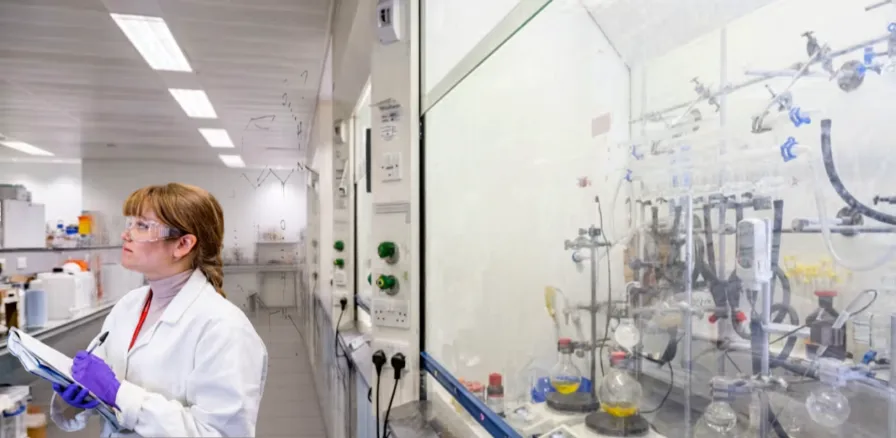
labs and Focused the Digital Intelligence with AI in china

Protein Design and Strain Optimization

The production of biofuels often relies on specific enzymes and microbial strains that can break down tough plant matter (lignocellulose). China is using AI-powered compute resources to support:

  • Protein Design: Creating synthetic enzymes that are more efficient at converting waste into fuel.
  • Strain Optimization: Using AI models to predict how microbial “factories” can be engineered for maximum yield.
  • Adaptive Control: Real-time AI monitoring of fermentation processes to ensure optimal production conditions, reducing waste and increasing batch-pass rates.

Speeding Up the “Bench-to-Plant” Pipeline

The integration of AI allows for systematic transformation, where grant-funded laboratory discovery is tied directly to manufacturing-ready processes. By using Quality Control (QC) automation and digital-bio economy infrastructure, China is shortening the time it takes to move a new biofuel technology from a laboratory bench to a full-scale industrial plant.

Embodied AI: The Rise of Bio-Robots

While many Western companies focus on digital AI applications like chatbots, Beijing is placing a fundamentally different bet on “Embodied AI”—AI-powered robotics that can autonomously operate in the physical world.

Automating the Biomanufacturing Floor

Biofuel production can involve hazardous materials, extreme temperatures, and repetitive, high-precision tasks. Embodied AI systems, such as the humanoid robots developed byUBTech and Unitree, are being designed to bridge the gap between digital reasoning and real-world action. These robots can:

  • Learn from Humans: Using multimodal sensors (vision, touch, and sound), these robots can learn tasks directly from human workers on the factory floor.
  • Operate Uninterrupted: Humanoid robots like the Walker S2 can autonomously change their own batteries, enabling 24-hour operation in biofuel refineries without human assistance.
  • Handle Hazardous Environments: Robots can substitute for human labor in roles that expose people to dangerous chemicals or environments common in chemical bio-processing.

Revolutionizing Human-Machine Collaboration

The China Academy of Information and Communications Technology (CAICT) envisions these robots eventually becoming the most flexible units on industrial production lines, capable of making adjustments in response to changing conditions on the fly.

The Economic and Geopolitical “Why”

China’s investment in these technologies is motivated by several pressing domestic and strategic challenges.

1. Revitalizing the “Real Economy”

President Xi Jinping has long emphasized the “real economy”—sectors that produce tangible goods as the foundation of national strength. By integrating AI into the production of physical goods like biofuels, China hopes to turbocharge productivity and revive economic growth following the property-market crisis.

2. Addressing an Aging Population

China faces a rapidly aging population and potential labor shortages. AI-powered robots are viewed as a way to maintain industrial output even as the human workforce shrinks, particularly in the demanding sectors of energy and manufacturing.

3. Achieving Global Leadership and AGI

Some Chinese thought leaders believe that Embodied AI is the true path to Artificial General Intelligence (AGI). By training AI to interact with and learn from the complex physical world of a biofuel plant or a manufacturing facility, they believe they can develop AI that replicates the full spectrum of human capabilities.

Furthermore, if China can leverage its massive manufacturing base to become the world’s leading supplier of these advanced bio-robotic systems, it could create a level of global dependence on Chinese technology that surpasses current reliance on 5G or solar panels.

Regional Powerhouses: Scaling the Innovation

To achieve these goals, Beijing is using a “pilot first, scale later” approach, encouraging wealthy provinces to specialize in different segments of the AI and bio-industrial supply chain.

  • Beijing: Focusing on high-performance AI chips tailored for embodied intelligence.
  • Shanghai: Concentrating on core sensor technologies like LiDAR, which is essential for robotic navigation.
  • Guangdong and Zhejiang: Leading the development of complete platforms, including multipurpose humanoid robots from companies like UBTech and Unitree.
  • Hubei: Establishing specialized laboratories for automotive embodied intelligence, directly linking AI to the future of transportation and fuel.
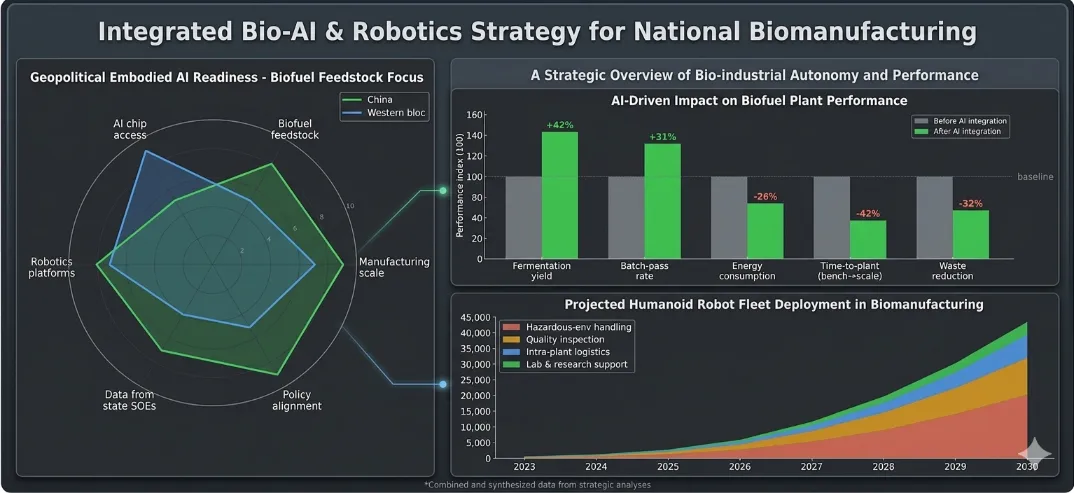
Bio AI and robotics Strategy For Natural Biomanufacturing in China

Obstacles to the Bio-Robotic Dream

Despite this immense momentum, China faces significant hurdles:

  • The Financing Gap: Many local governments have accumulated substantial debt, which may limit their ability to sustain long-term investments in these emerging industries.
  • Technology Plateaus: It remains uncertain whether robots can truly match the dexterity and adaptability of human workers in the near future.
  • Access to Advanced Hardware: China still trails the West in access to the most advanced AI chips for model training and high-precision sensors like torque and force sensors.
  • Data Access: Industry leaders are currently calling on the government to grant broader access to the rich datasets held by state-owned enterprises, which are critical for training these AI models.

Conclusion: A Global Shift in Power

China is not just building robots or making biofuels; it is building a new industrial ecosystem where the lines between biology, physical hardware, and digital intelligence are blurred. By committing substantial political will and financial resources to this “long-term strategic bet,” Beijing aims to solve its domestic problems while simultaneously positioning itself as the dominant player in the next phase of the global economy.

As these technologies mature over the next five to ten years, the world may find itself increasingly reliant on Chinese Embodied AI to power everything from transportation and logistics to the very energy that moves them. The success of this gambit will not only determine the future of China’s economy but could fundamentally reshape the global balance of military and economic power.

How China using Robots and AI in Biofuel Technologies Read More »
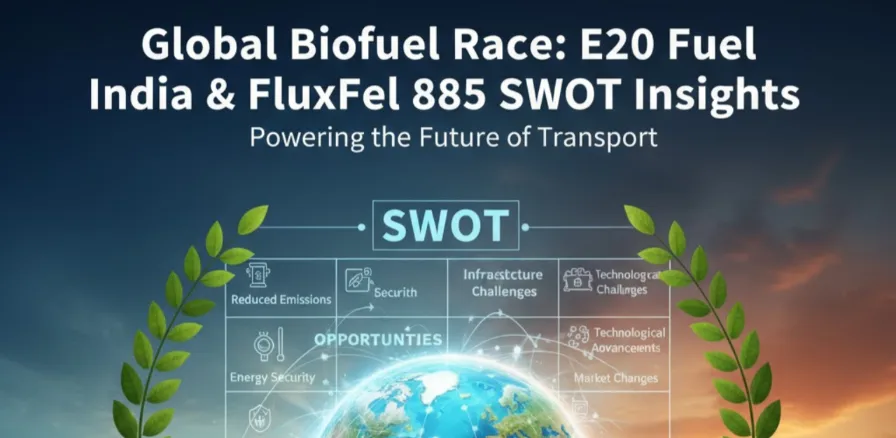
Digital illustration comparing E20 Fuel (India) and FluxFuel E85 biofuel initiatives, featuring two fuel pumps (one labeled 'E20 Fuel' with Indian elements, one labeled 'FluxFuel E85') flanking a glowing globe surrounded by a SWOT analysis diagram (Opportunities, Strengths, Weaknesses, Threats). The background shows a futuristic city skyline and lush greenery.

Global Biofuel Race: E20 Fuel India & FluxFuel E85 SWOT Insights

The Great Green Rush: A SWOT Analysis of the Global Biofuel Race, Featuring E20 Fuel India and FluxFuel E85

The race to decarbonization worldwide is not a sprint; it’s a high stakes, technology driven marathon. At the heart of this competition are advanced biofuels, primarily ethanol and biodiesel, designed to displace fossil fuels. Two prominent players defining the current landscape are E20 fuel India (a 20% ethanol blend rapidly adopted by one of the world’s largest consumer markets) and the international potential of FluxFuel E85 (the 85% ethanol blend that powers Flexible Fuel Vehicles, or FFVs). India targets 20% ethanol blending (E20) by 2025, aiming to cut oil imports and emissions. Production capacity is expanding, but feedstock (sugarcane, grains) may fall short, risking unmet targets and food security concerns (T & K, 2023).

A comprehensive SWOT analysis of these technologies reveals the critical strengths, inherent weaknesses, immense opportunities, and significant threats that will determine their long-term viability in the Global Biofuel Race.

A Sneak Peek on India: The E20 Acceleration

India’s shift to E20 fuel India a blend of 20% ethanol and 80% gasoline is one of the most aggressive biofuel rollouts globally. Initially targeting 2030, the country has significantly fast tracked the E20 implementation, driven by national energy security goals and a massive push to cut its crippling crude oil import bill.

Strengths : Energy choices and GHG Reduction

  • Energy Security and Forex Savings: The primary driver is reducing reliance on imported crude oil. The Ethanol Blending Programme (EBP) has already resulted in billions of dollars in foreign exchange savings, with the revenue now circulating within the domestic agricultural economy.
  • Rural Economic Boost: Ethanol is sourced primarily from agricultural feedstocks (sugarcane, damaged grains, and maize). This provides farmers with a stable secondary income, helping to clear crop debt and improving the economic viability of farmers.
  • Decarbonization Impact: Ethanol is a cleaner burning fuel. Studies revealed that the use of E20 fuel can lead to a significant reduction in lifecycle Greenhouse Gas (GHG) emissions up to 50–65% lower than gasoline, depending on the feedstock. The higher octane number of E20 (up to RON 95) also promotes better anti-knocking properties and performance globally in compatible engines.

Weaknesses : Technical Barriers and Resource origins

  • Vehicle Compatibility and Corrosion: A major weakness is the compatibility of the existing vehicle fleet. While all new cars are E20-compliant, millions of older vehicles lack the specialized material to handle the corrosive nature of the higher ethanol concentration, potentially leading to fuel system damage and leaks.
  • Fuel Efficiency Loss: Ethanol has a lower energy density than pure gasoline, resulting in a reported drop in fuel efficiency (mileage) for non-optimized vehicles, a key concern for consumers.
  • Water and Food Security Concerns: The dependence on water intensive crops like sugarcane raises environmental stress concerns. Furthermore, the diversion of food crops (like rice and maize) to fuel production ignites the contentious “food vs. fuel” debate, risking food inflation and impacting cattle feed supply.

Global Flex-Fuel Standard: The FluxFuel E85 Potential

FluxFuel E85 refers to the high-level blend of 85% ethanol and 15% gasoline, the established standard for Flexible Fuel Vehicles (FFVs) primarily in the US and Brazil. Its potential lies in offering the maximum carbon reduction benefit from ethanol, but its uptake is tightly bound to FFV penetration and infrastructure.

Opportunities (O): Market Expansion and Next-Gen Fuels

  • Global FFV Market Growth: The market for Flex Fuel Engines is projected to grow significantly, driven by stringent global emission regulations and the demand for sustainable automotive technologies. This creates a ready-made market for FluxFuel E85.
  • Second-Generation (2G) Biofuels: The push for E85 accelerates the development and commercialization of 2G ethanol derived from non-food sources (agricultural residues, waste biomass, etc.). This advancement directly addresses the food-vs-fuel conflict inherent in first-generation biofuels. India, for example, is investing in 2G refineries to convert agricultural waste (like parali) into ethanol.
  • Technological Convergence: FFVs(Flex Fuel Vehicles) are increasingly being integrated with hybrid and plug-in hybrid electric vehicle (PHEV) systems, offering a “flex-hybrid” solution that maximizes efficiency while running on low-carbon fuel blends like FluxFuel E85.

Threats (T): Framework and Competition

  • Infrastructure Investment and Availability: The primary constraint for widespread FluxFuel E85 adoption is the lack of ubiquitous E85-compatible fueling stations. Retrofitting existing stations to handle high-ethanol blends is expensive, and distribution infrastructure remains geographically limited.
  • Competition from Electrification (EVs): The most significant long-term threat is the rapid ascent of Battery Electric Vehicles (BEVs). As charging infrastructure matures and battery costs decline, BEVs could eventually leapfrog high-blend ethanol fuels, particularly in the light-duty vehicle segment.
  • Price Parity and Volatility: For FluxFuel E85 to be economically attractive to consumers, its pump price must be sufficiently lower than gasoline to offset the typical 20–30% drop in fuel efficiency (due to ethanol’s lower energy content). Achieving and maintaining this price parity is a constant market challenge, often requiring sustained government subsidies.

Navigating the Biofuel Crossroads

The success of the biofuel race hinges on converting the listed weaknesses and threats into manageable challenges and capitalizing on the opportunities.

For E20 fuel India, the immediate focus must be on mitigating consumer anxiety regarding older vehicles. This involves:

  1. Incentivizing E20 Upgrade Kits: Providing tax breaks or subsidies for owners of non-compliant vehicles to install certified E20-compatible conversion kits.
  2. Maintaining a Low-Blend Option: Temporarily continuing to offer lower-blend gasoline (E0 or E10) at select pumps for non-compliant vehicles, as a customer retention and safety measure.
  3. Sustainable Feedstock Strategy: Aggressively scaling up 2G ethanol production to eliminate the pressure on food crops and water resources.

For the wider adoption of FluxFuel E85, the need is global standardization and infrastructure build-out:

  1. Mandates for FFV Manufacturing: Governments must follow the example of Brazil and actively mandate and incentivize the sale of FFVs to increase the addressable market for E85.
  2. Public-Private Investment: Strategic government investment and tax incentives are crucial to rapidly expand the FluxFuel E85 retail network beyond current concentrations.

The Global Biofuel Race is fundamentally a quest for energy transition a bridge between fossil fuels and a fully decarbonized energy future. The aggressive targets set by players like India, paired with the technological advancements driving higher-blend fuels, make ethanol a pivotal component of this transition. However, its trajectory remains deeply entwined with the ability to manage resource sustainability, consumer adoption, and the fierce competition from electric mobility.

Citations

T, R., & K, P. (2023). Energy Policy – Ethanol Production in INDIA: The Roles of Policy, Price and Demand. International Journal of Advanced Research in Science, Communication and Technology. https://doi.org/10.48175/ijarsct-11140a.

Internal Blog Link

Global Biofuel Race: E20 Fuel India & FluxFuel E85 SWOT Insights Read More »

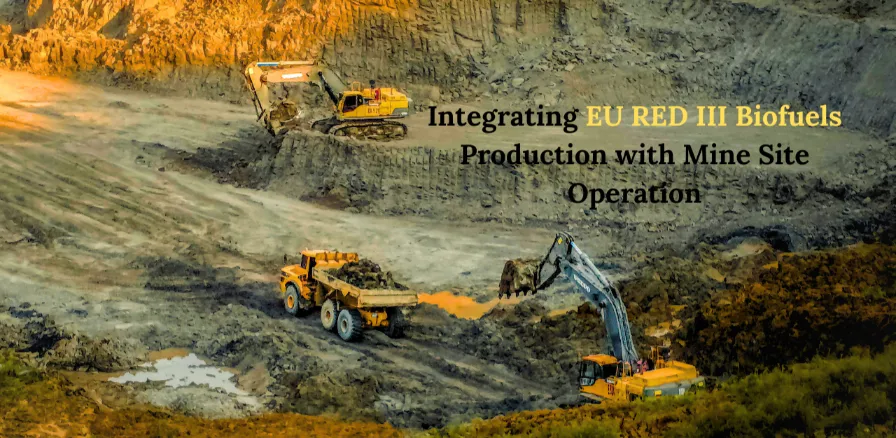
Heavy mining excavator loading a dump truck in an open-pit mine, illustrating the text "Integrating EU RED III Biofuels Production with Mine Site Operation."

The Green Mining Ecosystem: Integrating EU RED III Biofuels Production with Mine Site Operation

Fuelling the Future: How EU RED III Biofuels are Greening the Mining Ecosystem

The worldwide mining industry, always seen through the sneak peek of heavy machinery and significant environmental impact, is now profoundly transform. As global demands for sustainability deepen, a new paradigm is emerging: the Green Mining Ecosystem. Behind This innovative approach to energy, particularly the integration of on-site production of EU RED III biofuels, facilitating a truly sustainable future.

The mandate for Green Mining

Mining operations are energy conservation system, relying mainly primarly on fossil fuels from excavation and transportation to processing and site rehabilitation. This dependence contributes significantly to greenhouse gas emissions and high operational costs, making the shift to greener alternatives not just an environmental requirement but also an economicrequirement. The Green Mining Ecosystem imagines acomprehensive approach where environmental directions, resource efficiency, and renewable energy are weaved into every stage of the mining lifecycle.

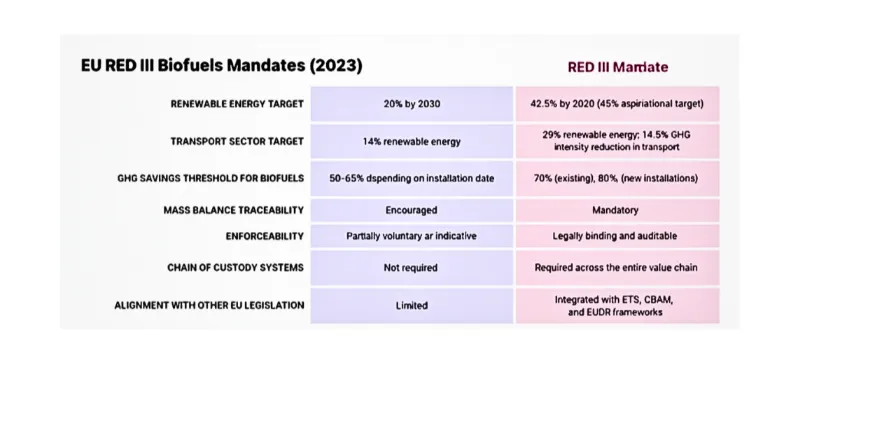
A table titled "EU RED III Biofuels Mandates (2023)" comparing RED II (2018) and RED III (2023) mandates. The RED III column shows: Renewable Energy Target 42.5% by 2020 (45% aspirational), Transport Sector Target 29% renewable energy (14.5% GHG intensity reduction), GHG Savings Threshold for Biofuels 70% (existing) and 80% (new installations), Mass Balance Traceability Mandatory, Enforceability Legally binding and auditable, Chain of Custody Systems Required across the entire value chain, and Alignment with other EU Legislation Integrated with ETS, CBAM, and EUDR frameworks.

What are EU RED III Biofuels and Why Are They Key?

The European Union’s Renewable Energy Directive (RED III) is a legislation that drives the transition to cleaner energy. EU RED III biofuels are liquid or gaseous fuels for transport produced from biomass that meet strict with sustainability and greenhouse gas saving criteria set out in the directive. These criteria ensure that the biofuels genuinely contribute to decarbonization without causing adverse impacts like deforestation or food insecurity.

For the mining sector, embracing EU RED III biofuels means:

  • Significant Emissions Reduction: Replacing diesel and other fossil fuels with EU RED III biofuels directly cuts down emissions from mining vehicles and equipment.
  • Enhanced Energy Security: Producing biofuels on-site reduces dependency on external fuel supply chains, offering greater stability and control over energy costs.
  • Circular Economy Principles: Biofuel production can often utilize waste streams (e.g., agricultural waste from nearby communities, or even certain organic byproducts from mining processes if applicable), encouraging a circular economy model.
  • Regulatory Compliance: Sticking to EU RED III biofuels standards helps mining companies meet increasingly strict environmental regulations and sustainability targets.
  • Utilization of Local Biomass: Studies highlight the feasibility of converting forestry and timber industry waste into biocoal or biofuels for use in energy-intensive mining operations, especially in regions transitioning away from coal . This can help mines meet EU renewable energy targets and reduce reliance on fossil fuels (Paredes et al., 2022).

Incorporating Biofuel Production into the Mining Site Operation

Imagine a mine site that isn’t just extracting minerals but is also a hub for renewable energy production. The EU is a global leader in biogas and biomethane production, with over 10 GW installed capacity and 17,400 biogas plants as of 2015 (Scarlat et al., 2018). This is the vision of the Green Mining Ecosystem. Integration can take several forms:

  1. Sustainable Feedstock Sourcing: This could involve cultivating dedicated energy crops on recovered land, combinning with local agricultural communities for sustainable waste biomass, or exploring algae based biofuel systems in water-rich areas. The key is ensuring the feedstock meets EU RED III biofuels sustainability criteria.
  2. On-Site Conversion Technologies: Advanced biorefineries, which might use processes like gasification, pyrolysis, or anaerobic digestion, can convert biomass into liquid biofuels (e.g., biodiesel, bioethanol) or biogas right at the mine site. This minimizes transportation costs and emissions associated with fuel delivery.
  3. Fleet Conversion and Optimization: Existing mining fleets can be adapted or replaced with vehicles capable of running on EU RED III biofuels. This requires careful planning and investment in new engine technologies or modifications.
  4. Waste-to-Energy Synergies: Beyond direct fuel for vehicles, residual biomass or waste from biofuel production can be used to generate electricity or heat for other mine site operations, further closing the loop on energy sustainability.

Challenges and Opportunities Aspects

While the potential is huge, the fastest growth in ethanol production has been observed in Finland, Ireland, and the Netherlands, while Germany and France remain the largest overall producers incorporating EU RED III biofuels production into mine site operations comes with challenges (Bórawski et al., 2019). These include initial capital investment, ensuring a continous and sustainable feedstock supply, and navigating the complexities of advanced biofuel technologies. The integration of biocoal and advanced biofuels into mining regions can significantly reduce CO₂ emissions and support the EU’s climate and energy targets (Chiaramonti et al., 2021).

However, the opportunities faroverbalance the hurdles. Companies that lead this charge will not only gain a competitive advantage through reduced operational costs and enhanced energy independence but will also significantly boost their environmental credentials and social license to operate. They will be seen as pioneers in building a truly Green Mining Ecosystem, one that respects the planet while still delivering the essential resources our modern world demands.

Conclusion

The vision of a Green Mining Ecosystem powered by on-site EU RED III biofuels production is no longer a distant dream. It’s a tangible pathway to transforming one of the world’s most critical industries into a beacon of sustainability. By embracing innovative energy solutions and adhering to robust environmental standards like those set by EU RED III biofuels, mining can indeed become an integral part of our planet’s green future.

Citations

Paredes, B., Paredes, J., & García, R. (2022). Integration of biocoal in distributed energy systems: A potential case study in the Spanish coal-mining regions. Energyhttps://doi.org/10.1016/j.energy.2022.125833.

Scarlat, N., Dallemand, J., & Fahl, F. (2018). Biogas: Developments and perspectives in Europe. Renewable Energyhttps://doi.org/10.1016/j.renene.2018.03.006.

Bórawski, P., Bełdycka-Bórawska, A., Szymańska, E., Jankowski, K., Dubis, B., & Dunn, J. (2019). Development of renewable energy sources market and biofuels in The European Union. Journal of Cleaner Productionhttps://doi.org/10.1016/j.jclepro.2019.04.242.

Chiaramonti, D., Talluri, G., Scarlat, N., & Prussi, M. (2021). The challenge of forecasting the role of biofuel in EU transport decarbonisation at 2050: A meta-analysis review of published scenarios. Renewable & Sustainable Energy Reviews, 139, 110715. https://doi.org/10.1016/j.rser.2021.110715.

Learn more about HVO Diesel’s role in Sustainable Mining Operations.

The Green Mining Ecosystem: Integrating EU RED III Biofuels Production with Mine Site Operation Read More »

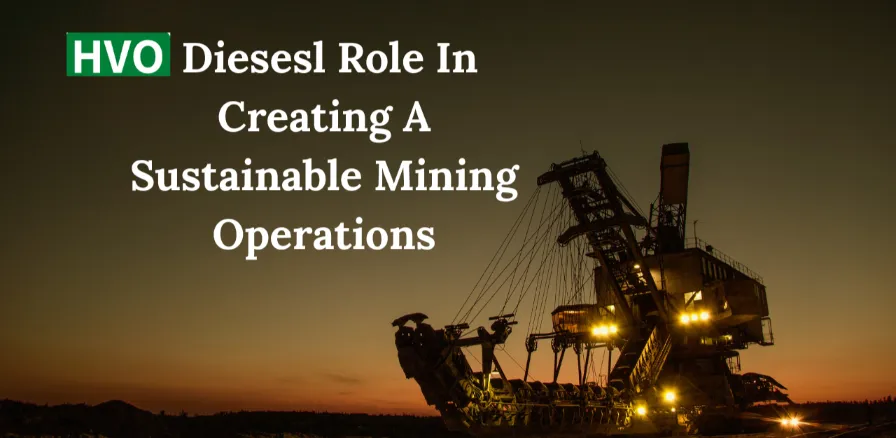
Large mining excavator (shovel or dragline) operating at sunset, with an overlay text reading "HVO Diesel Role In Creating A Sustainable Mining Operations

Hvo Diesel Role In Creating A Sustainable Mining Operations

Fueling the Future: HVO Diesel and the Sustainable Mining Revolution

The global mining industry stands at a critical juncture. Essential for sourcing the materials needed for the clean energy transition (think lithium for batteries and copper for wiring), it must simultaneously confront its own substantial environmental footprint. Diesel fuel, the lifeblood of heavy mining machinery, is a major contributor to greenhouse gas (GHG) emissions. The path to truly sustainable mining operations demands a holistic approach, integrating cleaner fuels with cutting-edge operational philosophies.

Hydrotreated Vegetable Oil (HVO) Diesel a game changer that offers an immediate, ‘drop in’ solution for reducing emissions, acting as a crucial bridge to a fully electrified future. HVO can reduce CO₂ emissions by up to 75–90% compared to fossil diesel, depending on the feedstock and production process (Hor et al., 2022). However, the adoption of HVO must be coupled with the transformative power of principles like Lean, Artificial Intelligence (AI), Value Stream Mapping (VSM), and Multi-Criteria Decision Making (MADM) to achieve genuine operational and environmental sustainability.

The Immediate Impact: HVO Diesel as the Green Bridge

HVO, also known as renewable diesel, is a paraffinic biofuel produced through the hydrotreating of sustainable feedstocks such as waste vegetable oils, animal fats, and residue oils. HVO use results in lower emissions of nitrogen oxides (NOx), hydrocarbons (HC), carbon monoxide (CO), and particulate matter (PM), with reductions of up to 81% for CO and 55% for PM reported in engine tests . Unlike traditional biodiesel, its chemical structure is nearly identical to fossil diesel, making it a perfect “drop-in” replacement meaning it can be used in existing diesel engines and infrastructure without modification.

Key Benefits of HVO in Mining:

  • Significant Emission Reduction: HVO can reduce net lifecycle GHG emissions by up to 90% compared to fossil diesel, depending on the feedstock source. It also dramatically lowers tailpipe emissions of particulate matter and Nitrogen Oxides (NOx).
  • Operational Compatibility: HVO maintains comparable performance to conventional diesel. Mining operators can switch without needing to purchase new machinery, retrain staff, or update maintenance schedules.
  • Superior Stability and Storage: HVO is highly stable, resisting microbial growth and oxidation better than fossil diesel and traditional biodiesel. This is crucial for remote mining sites that require long-term fuel storage for backup power and equipment.
  • All-Weather Performance: Its high cetane number and superior cold-flow properties ensure reliable operation even in the extremely low temperatures often found at mining sites.

By adopting HVO, mining companies can immediately and efficiently reduce their Scope 1 emissions, demonstrating a clear commitment to environmental stewardship while maintaining the operational reliability essential for a heavy-duty industry.

Operational Excellence: The Lean Principle and VSM

VSM is a visual tool used to map material and information flows, identify waste, and streamline processes. When adapted for environmental goals (E-VSM), it helps pinpoint sources of pollution and inefficiency, supporting targeted sustainability improvements (Garza‐Reyes et al., 2018). While HVO addresses the fuel side of sustainability, transforming the process side requires embracing operational excellence philosophies like Lean and Value Stream Mapping (VSM).

The Lean Principle: Eliminating Waste in Mining

The Lean philosophy, originated by Toyota, is centered on maximizing value to the customer while minimizing waste. In mining, “waste” takes many forms that impact both efficiency and environmental harm:

  • Overproduction: Mining more ore than immediately necessary, leading to excess inventory and energy use.
  • Waiting: Equipment downtime, waiting for fuel, maintenance, or rock clearance.
  • Transportation: Unnecessary movement of materials, personnel, and equipment.
  • Inventory: Excessive stockpiles or spare parts storage.
  • Motion: Inefficient vehicle routes or non-value-adding movement by personnel.
  • Defects/Over-processing: Poor drill and blast precision leading to inefficient crushing, or faulty equipment requiring costly rework.

Applying Lean principles involves continuously identifying and eliminating these wastes. For instance, optimizing haul road design to reduce travel distance directly cuts fuel consumption (HVO or otherwise), vehicle wear, and emissions—a double win for efficiency and the environment.

Value Stream Mapping (VSM): Visualizing the Flow

Value Stream Mapping (VSM) is the core Lean tool for visualizing the entire process flow—from exploration to final product shipment identifying non value adding steps, or waste.

By mapping out the current state (including material flow, information flow, and time metrics like cycle time and lead time), mining teams can pinpoint bottlenecks and areas of excessive energy consumption. A VSM exercise might reveal that a specific step, such as material handling at a transfer point, contributes disproportionately to particulate emissions and fuel burn due to slow cycle times or idling. Developing a Future State Map allows the team to design leaner, faster, and more energy-efficient processes.

The Intelligence Factor: AI Integrations

To achieve next-level optimization, Lean and VSM must be powered by Artificial Intelligence (AI). AI integrations in mining operations drive efficiency, predictive maintenance, and real-time decision-making, significantly amplifying sustainability efforts.

AI’s Role in Smart Mining:

  • Predictive Maintenance: AI and machine learning can optimize key mining processes, such as load management, fuel consumption, and equipment efficiency. For example, AI models have reduced haul truck fuel use by 9–12% in surface mines, directly lowering emissions and operational costs (Soofastaei & Fouladgar, 2021).
  • Haulage Optimization: AI algorithms can analyze real-time data on road conditions, truck location, and dump queue lengths to dynamically assign the most efficient routes and speeds. This prevents idling (a huge source of fuel waste) and minimizes travel distance, drastically reducing HVO consumption per ton of material moved.
  • Process Control: AI models can optimize energy-intensive processes like crushing and grinding by autonomously adjusting variables based on ore characteristics. This ensures the least amount of energy (and therefore, less HVO-generated power) is used to achieve the desired output.
  • Safety and Environmental Monitoring: AI can process satellite imagery and drone data to monitor tailings dam stability and detect environmental changes, ensuring compliance and proactive risk mitigation.

AI provides the real time, data driven intelligence required to execute Lean strategies on a massive, dynamic scale, ensuring the operation is consistently running at its lowest carbon and cost intensity.

Strategic Decision-Making: Multi-Criteria Decision Making (MADM)

Switching to HVO and implementing complex digital strategies like AI integration requires careful evaluation of multiple, often conflicting, factors. This is where Multi Criteria Decision Making (MADM) methodologies become essential.

MADM for Sustainable Choices:

MADM tools, such as the Analytic Hierarchy Process (AHP) or TOPSIS, provide a structured, quantitative approach to evaluate complex options. In the context of a sustainable mining transition, MADM helps leadership balance:

  1. Environmental Impact (GHG/Particulate Reduction): The primary sustainability goal.
  2. Economic Cost (Fuel Price, Capital Investment, Maintenance): The bottom line.
  3. Operational Risk (Supply Chain Stability, Performance Loss): Reliability.
  4. Social License to Operate (Community Relations, Regulatory Compliance): Stakeholder value.

For instance, a MADM framework could be used to evaluate: HVO vs. LNG vs. Full Battery Electric Fleets. While HVO is the low-risk, it offers less total decarbonization than electrification. MADM allows the organization to systematically weigh the initial high capital cost and charging infrastructure needs of electric fleets against the immediate emissions reduction and operational ease of HVO, guiding the investment strategy for the next decade.

A Synergy for True Sustainability

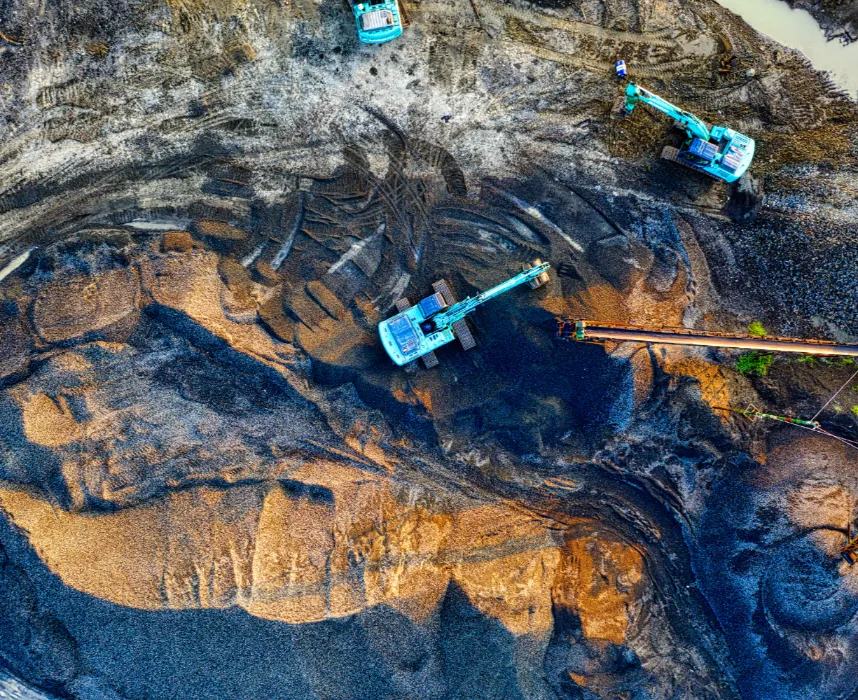
Aerial view of an open-pit mine with several teal-colored excavators and mining equipment working on piles of dark earth and golden-brown aggregate, showing tire tracks and a conveyor belt.

The successful creation of sustainable mining operations hinges on a synergistic blend of technology and philosophy. HVO Diesel offers the immediate, tangible reduction in the largest operational emission source. However, HVO’s full potential is unlocked only when the organization is simultaneously optimized through Lean principles and visualized using VSM, making every liter of cleaner fuel count. This efficiency is then hyper-charged by AI integrations, which drive precision, predictive power, and real-time optimal performance. Finally, MADM provides the necessary framework to make complex, long-term strategic decisions that balance the competing demands of profit, people, and the planet.

By embracing this comprehensive strategy, mining—the essential supplier of the materials for a green world—can finally move beyond its reputation and become a powerful force for a truly sustainable future.

CITATIONS

Hor, C., Tan, Y., Mubarak, N., Tan, I., Ibrahim, M., Yek, P., Karri, R., & Khalid, M. (2022). Techno-economic assessment of hydrotreated vegetable oil as a renewable fuel from waste sludge palm oil.. Environmental research, 220, 115169 . https://doi.org/10.1016/j.envres.2022.115169

Garza‐Reyes, J., Romero, J., Govindan, K., Cherrafi, A., & Ramanathan, U. (2018). A PDCA-based approach to Environmental Value Stream Mapping (E-VSM). Journal of Cleaner Production, 180, 335-348. https://doi.org/10.1016/j.jclepro.2018.01.121

Soofastaei, A., & Fouladgar, M. (2021). Improve Energy Efficiency in Surface Mines Using Artificial Intelligence. Energy Efficiency [Working Title]https://doi.org/10.5772/intechopen.101493.

The adoption of HVO is part of a global movement towards cleaner transport fuels. Countries worldwide are pursuing similar strategies; for instance, you can read more about **India’s Next Green Revolution** focusing on E20 fuel and biomethanol to decarbonize their own transport sector.

Hvo Diesel Role In Creating A Sustainable Mining Operations Read More »

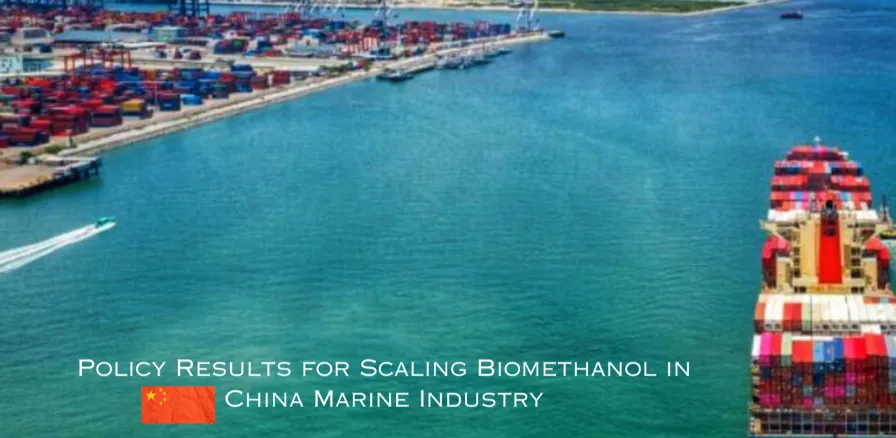
BIOMETHANOL IN MARINE INDUSTRY

Policy Results for Scaling Biomethanol in China Marine Industry

Policy Results for Scaling Biomethanol in China’s Marine Industry

A Deep Dive into Impact, Opportunities, and Global Implications

China’s marine industry is a giant in global shipping and maritime activities. It faces increasing pressure to reduce carbon emissions to meet national and international climate goals. One promising fuel that is gaining popularity is biomethanol, a renewable liquid fuel made from biomass. The Chinese government recognizes its potential and has put in place several policies to promote the production, adoption, and scaling of biomethanol in its large marine sector. This blog post looks at the significant outcomes of these policies. It explores the positive aspects, the growing profitability landscape, innovative marketing and business models, environmental effects, and other important opportunities. Additionally, it discusses how other countries can learn from these methods to create similar sustainable changes in their own marine industries.

The Policy Landscape: Catalyzing Biomethanol Adoption

China’s approach to promoting biomethanol in the marine industry has been multifaceted, encompassing several key policy instruments. These include:

  • National Energy Transition Targets: Experts recommend adopting a dynamic, phased policy approach to support methanol-based transportation. Initially, regions should focus on coal-to-methanol and biomethanol vehicles, leveraging locally available resources. As technologies mature and carbon neutrality targets draw closer, the transition to green methanol solutions such as CO₂-to-methanol should be prioritized. In parallel, strong emphasis should be placed on infrastructure development, including transmission and distribution systems, advancing methanol production processes, and preparing for the integration of next-generation methanol technologies for maritime industry related businesses. learn more
  • Research and Development Funding: Significant government investment has been channeled into research and development initiatives focused on advanced biomethanol production technologies, engine modifications for methanol compatibility, and safety protocols for its use in marine vessels. Investments have facilitated the transition from fossil fuels to methanol, which is projected to capture 70% of the low-carbon fuel market by 2050 (Panchuk et al., 2024). This funding has been crucial in overcoming technological hurdles and improving the viability of biomethanol as a marine fuel. Engine modifications for methanol compatibility have shown promising results, with high efficiency and low emissions in combustion engines (Santasalo-Aarnio et al., 2020).
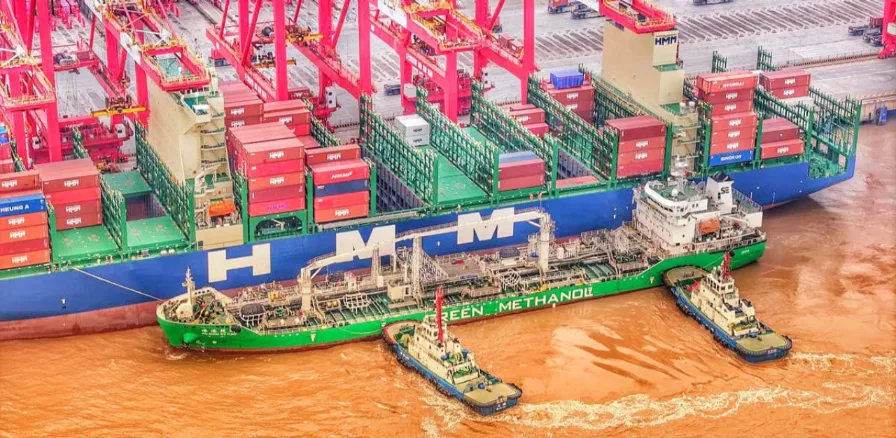
  • Pilot Programs and Demonstrations: Strategic pilot projects have started in important port cities and shipping routes to show the practicality and benefits of biomethanol-powered vessels. Biomethanol can cut CO₂ emissions by over 54% per kilometer in marine applications compared to diesel, and by nearly 60% compared to coal-to-methanol. These real-world trials offer useful data on performance, emissions reduction, and infrastructure needs, which helps build confidence among industry stakeholders. While biomethanol production is more expensive than coal-based methanol, it can reduce operating costs in the maritime sector by nearly 15% per kilometer compared to diesel Wang, S,et.al. (2024). 
  • Incentive Schemes and Subsidies: Financial incentives, such as tax breaks, subsidies for biomethanol production, and preferential treatment for vessels utilizing cleaner fuels, have played a vital role in making biomethanol economically competitive with traditional fossil fuels. Federal programs provide significant financial support for biofuels, including biomethanol, which can cover a substantial portion of production costs. These measures help to offset the initial costs associated with adopting new technologies and fuels.
  • Regulatory Frameworks and Standards: The development of clear regulatory frameworks and safety standards specifically for the use of biomethanol in marine applications provides the necessary certainty for ship owners, operators, and fuel suppliers. Methanol’s low flashpoint necessitates specific safety measures, which are being integrated into existing regulations to mitigate risks associated with its use. These standards cover aspects like fuel quality, storage, handling, and engine modifications.
  • International Collaboration: The International Maritime Organization (IMO) is actively working on regulations to reduce greenhouse gas emissions, which includes the promotion of methanol as a cleaner fuel option (Bilousov et al., 2024). Active participation in international forums and collaborations on maritime decarbonization allows China to learn from global best practices and contribute its own experiences in the adoption of biomethanol.
Maritime Organization (IMO)

Positive Policy Outcomes: A Flourishing Biomethanol Ecosystem

The concerted policy push has yielded significant positive results in scaling biomethanol within China’s marine industry:

  • Increased Biomethanol Production Capacity: Government support and incentives have encouraged investment in biomethanol production facilities. These facilities use various sustainable feedstocks, including agricultural waste, forestry residues, and captured carbon dioxide. This growth in domestic production capacity improves fuel security and lowers dependence on imported fossil fuels.
  • Growing Fleet of Biomethanol-Capable Vessels: The implementation of pilot programs and the availability of financial incentives have encouraged ship owners to invest in newbuilds or retrofit existing vessels to operate on biomethanol.Biomethanol significantly reduces emissions of sulfur oxides (SOx), nitrogen oxides (NOx), particulate matter (PM), carbon dioxide (CO2), and carbon monoxide (CO) compared to conventional marine fuels. For instance, a case study on a tanker vessel showed reductions in SOx by 90%, NOx by 76.80%, PM by 83.49%, CO2 by 6.43%, and CO by 55.63% (Ammar, 2023). This is gradually building a fleet capable of utilizing this cleaner fuel across various vessel types, from coastal ferries to cargo ships.
  • Development of Supply Chain Infrastructure: The successful testing of biomethanol-powered vessels has required the creation of support infrastructure, including bunkering facilities in important ports and efficient transportation networks for the fuel. This infrastructure development is essential for the broad adoption of biomethanol.
  • Technological Advancements: Focused R&D funding has led to important improvements in biomethanol production efficiency, engine technology designed for methanol combustion, and new safety systems. These technological advances make biomethanol a more viable and appealing option as a marine fuel.
  • Reduced Greenhouse Gas Emissions: The most significant environmental benefit of these policies is the demonstrable reduction in greenhouse gas emissions from the marine sector. Carbon emissions from marine fisheries have declined, with 2015 marking a major turning point. Carbon sinks (e.g., seaweed, shellfish) are growing rapidly, further offsetting emissions. Biomethanol, when produced sustainably, offers a significantly lower carbon footprint compared to traditional fossil fuels, contributing to China’s climate goals and improving air quality in port regions. Also learn for more information

The Profitability Proposition: New Economic Opportunities

The scaling of biomethanol in China marine industry is not solely driven by environmental concerns; it also presents significant economic opportunities and the emergence of new profitable business models:

The growing demand for biomethanol is opening up a lucrative market across multiple sectors, from sustainable fuel production and distribution to shipbuilding and waste management. Agricultural and forestry sectors can capitalize by supplying biomass feedstocks, while technology providers benefit from offering advanced production solutions. Using biomethanol can reduce marine sector operating costs by nearly 15% per kilometer compared to diesel, despite higher production costs than coal-based methanol. This is due to lower fuel consumption and improved efficiency in marine applications Harahap, F., Nurdiawati, A., Conti, D., Leduc, S., & Urban, F. (2023).

Simultaneously, the shift to biomethanol fuels opportunities in retrofitting existing vessels and constructing new methanol-powered ships, driving job creation and innovation in marine engineering. Ship owners and fuel producers can also generate carbon credits through sustainable practices, creating an additional revenue stream as carbon pricing gains prominence. Moreover, shipping companies adopting biomethanol can position themselves as green service providers, appealing to eco-conscious clients and securing premium rates. Finally, using waste streams for biomethanol production supports both energy generation and sustainable waste management, contributing to the circular economy and unlocking new business ventures

Marketing and New Ways of Business: Embracing Sustainability

The shift towards biomethanol is fostering innovative marketing strategies and the development of new business models within the marine industry:

  • Sustainability-Focused Branding: Shipping lines are focusing more on their commitment to sustainability. They are promoting cleaner fuels like biomethanol in their branding and marketing. This helps them attract environmentally conscious shippers and consumers..
  • Collaborative Partnerships: The transition needs teamwork along the value chain. This will create new partnerships between fuel producers, technology providers, ship owners, port authorities, and research institutions. Together, they can develop and apply biomethanol solutions..
  • Digital Platforms for Transparency: Digital platforms are emerging to track the environmental performance of shipping, including the use of biomethanol, providing transparency and accountability to stakeholders.
  • Lifecycle Assessment and Reporting: Businesses are adopting comprehensive lifecycle assessment approaches to quantify the environmental benefits of biomethanol, providing data for marketing and regulatory compliance.
  • Integration with Green Corridors: The development of “green corridors,” which are specific shipping routes with dedicated infrastructure for alternative fuels, offers a targeted way to increase the use of biomethanol. It also promotes these routes as low-emission options..

Environmental Effects: A Cleaner Marine Future

The widespread adoption of biomethanol offers significant environmental advantages for China’s marine industry and beyond:

  • Reduced Greenhouse Gas Emissions: As mentioned earlier, sustainably produced biomethanol significantly lowers carbon dioxide emissions compared to conventional marine fuels, contributing to climate change mitigation. While total GHG emissions increased due to production growth, emission intensity (GHG per unit of output) decreased from 7.33 to 6.34 t CO₂-eq/t between 1991 and 2020, indicating improved efficiency and mitigation.
  • Improved Air Quality: The combustion of biomethanol produces significantly lower levels of harmful air pollutants such as sulfur oxides (SOx), nitrogen oxides (NOx), and particulate matter (PM), leading to cleaner air in port cities and coastal regions, benefiting public health.
  • Biodegradability and Reduced Spill Impact: Methanol is readily biodegradable in the marine environment,
    Large-scale seaweed farming sequestered 35.49–72.93 Tg CO₂ from 2003–2021, making a substantial contribution to emission reduction and blue carbon storage Xu, T., Dong, J., & Qiao, D. (2023).
  • Sustainable Feedstock Utilization: Carbon trading pilots have promoted structural upgrades in the marine industry, indirectly supporting emission reductions, especially in provinces close to pilot regions. The marine sector is a major contributor to China’s national economy, with strong inter-industry linkages and employment effects. The adoption of new fuels like biomethanol can further stimulate economic activity and industrial upgrading.
  • Contribution to Ocean Health: By reducing emissions of greenhouse gases and air pollutants, the widespread use of biomethanol can contribute to mitigating ocean acidification and other harmful impacts of shipping on marine ecosystems. Advances in fishing and aquaculture technology have improved efficiency and reduced emissions per unit of production, though further gains depend on boosting technical efficiency.

Other Crucial Prospects and Considerations:

Beyond the immediate benefits, the scaling of biomethanol in China marine industry has other important prospects and considerations:

  • Energy Security: Domestic production of biomethanol from diverse feedstocks enhances China’s energy security and reduces its dependence on imported fossil fuels, which are subject to geopolitical instability and price volatility.
  • Job Creation: The development of a thriving biomethanol ecosystem, encompassing production, distribution, technology development, and vessel operations, creates new jobs in various sectors.
  • Rural Economic Development: Biomethanol production from agricultural residues (like corn straw) creates new markets for rural biomass, supporting rural economies and diversifying income sources for farmers..
  • Land Use and Feedstock Sustainability: Careful thoughts must go into the sustainability of biomethanol feedstocks to prevent negative outcomes like deforestation or competition with food production. Sustainable sourcing practices and improved feedstock technologies are essential..
  • Scalability and Cost Competitiveness: Continued technological advancements and policy support are needed to further improve the scalability and cost competitiveness of biomethanol compared to traditional fuels.

Global Implications: Lessons for the World

China’s experience in scaling biomethanol in its marine industry offers valuable lessons and potential pathways for other nations seeking to decarbonize their maritime sectors:

Strong policy signals, such as clear national targets, supportive regulations, and financial incentives, are essential for speeding up the adoption of alternative fuels like biomethanol and attracting ongoing investment. Government support for research, development, and pilot projects is critical for overcoming technological challenges and building industry confidence. Public-private partnerships that bring together government agencies, industry stakeholders, and research institutions can greatly increase the speed of biomethanol development and deployment. At the same time, planning and investing in bunkering and supply chain infrastructure are vital for enabling large-scale adoption. Using sustainable, non-competing feedstocks helps protect the environment while international collaboration and knowledge sharing can further advance global efforts toward cleaner marine fuel.s.

By studying and potentially adapting the policy frameworks, incentive mechanisms, and collaborative approaches implemented in China, other countries can learn valuable lessons in their own efforts to scale biomethanol and other sustainable fuels within their marine industries. The journey towards a decarbonized maritime sector requires commitment, innovation, and a willingness to learn from global experiences. China’s work with biomethanol provides an interesting case study on how targeted policies can bring real change for a more sustainable future in shipping. As the world steps up its fight against climate change, China’s biomethanol policies suggest great potential for a greener shipping industry.

Citations

Panchuk, A., Panchuk, M., Sładkowski, A., Kryshtopа, S., & Kryshtopa, L. (2024). Methanol Potential as an Environmentally Friendly Fuel for Ships. Naše More (Dubrovnik), 71(2), 75–83. https://doi.org/10.17818/nm/2024/2.5

Santasalo-Aarnio, A., Nyári, J., Wojcieszyk, M., Kaario, O., Kroyan, Y., Magdeldin, M., Larmi, M., & Järvinen, M. (2020). Application of Synthetic Renewable Methanol to Power the Future Propulsion. https://doi.org/10.4271/2020-01-2151

Assessing the prospect of bio-methanol fuel in China from a life cycle perspective. Fuelhttps://doi.org/10.1016/j.fuel.2023.130255.

Bilousov, E. V., Марченко, А. П., Savchuk, V., & Belousova, T. P. (2024). Use of methanol as motor fuel for marine internal combustion engines. Dvigateli Vnutrennego Sgoraniâ, 1, 43–51. https://doi.org/10.20998/0419-8719.2024.1.06

Ammar, N. R. (2023). Methanol as a Marine Fuel for Greener Shipping: Case Study Tanker Vessel. Journal of Ship Production and Design, 1–11. https://doi.org/10.5957/jspd.03220012

Renewable marine fuel production for decarbonised maritime shipping: Pathways, policy measures and transition dynamics. Journal of Cleaner Productionhttps://doi.org/10.1016/j.jclepro.2023.137906.

China’s marine economic efficiency: A meta-analysis. Ocean & Coastal Managementhttps://doi.org/10.1016/j.ocecoaman.2023.106633.

checkout also

a life-cycle insight into biomethanol from corn straw in China

Policy Results for Scaling Biomethanol in China Marine Industry Read More »

Map of China showing biomethanol production from corn straw, highlighting agricultural residue use and life cycle sustainability benefits.

Biomethanol from Corn Straw in China: A Life Cycle Insight

IBiomethanol from Corn Straw in China

The search for sustainable energy solutions is more urgent than ever. Biomethanol from Corn Straw in China is becoming a promising option in the global move away from fossil fuels. A detailed life cycle analysis (LCA) highlights notable environmental benefits, despite some economic challenges, making this biofuel a key part of China’s energy future.

The Green Advantage: Environmental Benefits of Corn Straw Biomethanol

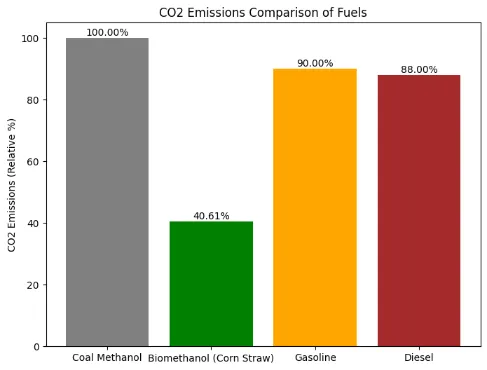
One of the main reasons to support biomethanol from corn straw in China is its significant reduction in environmental impact. Studies show that its production results in 59.39% lower CO2 emissions compared to coal derived methanol. This significant reduction shows corn straw biomethanol’s potential as a cleaner fuel option.

In addition to CO2, studies of corn straw bioenergy show greenhouse gas emissions ranging from 82 to 439 kilograms CO2 equivalent per ton of straw. Other important impact categories include fossil fuel depletion, global warming potential, toxicity, acidification, eutrophication, ozone depletion, photochemical ozone creation potential, and human toxicity potential.

Moreover, analyses reveal that converting corn straw can lower particulate matter emissions by up to 98%. This is particularly important as air quality continues to be a major concern in many areas. Corn straw also outperforms feedstocks like rice and soybean straw in terms of greenhouse gas emissions and energy balance. The flash pyrolysis method, for instance, has achieved coal savings up to 78.02% when processing corn straw.

Across ten different studies, all reported positive effects on greenhouse gas or carbon dioxide emissions, or global warming potential. For example, global warming potential dropped by 10 to 97% when compared to gasoline and 4 to 96% when compared to diesel. Absolute reductions in CO2-equivalent emissions were also significant, with figures surpassing 170 million tonnes annually in some national assessments.

Economic Realities: Costs and Opportunities

While the environmental benefits are evident, the economic situation of biomethanol from corn straw in China is more complex. The production cost of biomethanol from corn straw is reported to be 24.46% higher than that of coal methanol. The cost of biomethanol is around US$502.0 per ton.

However, certain applications show clear economic advantages. In maritime settings, for example, the fuel costs 14.81% less per kilometer than diesel, and it generates 54.01% lower CO2 emissions per kilometer. This indicates that specific industry sectors could take advantage of biomethanol’s cost benefits.

The economic viability also improves with potential by product savings, valued at 23.9 billion RMB in some instances. Additional economic benefits include biomethanol having the lowest emergy per unit of particulate matter and the fact that a carbon tax would benefit bioethanol. Advanced biofuels also offer a new income source for farmers. It is worth noting that economic reporting across studies varied, with many not discussing specific advantages or drawbacks.

Energy Efficiency: A Closer Look

The efficiency of producing biomethanol from corn straw is another key factor examined through life cycle analysis. The production system requires 510,200 megajoules per ton of corn straw. Despite this energy requirement, studies show positive energy balances for biofuels made from corn straw.

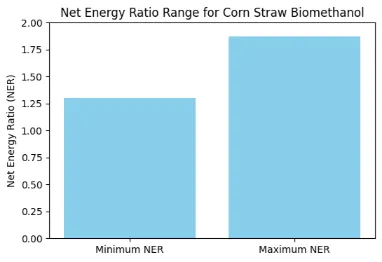
Net energy ratios (NER) for corn straw bioenergy typically range from 1.30 to 1.87. For example, one study indicated a net energy balance (NEB) of 6,902 megajoules per megagram of ethanol and a net energy ratio of 1.30. These numbers demonstrate that corn straw can produce more energy than is used in its production, although efficiency can vary based on the feedstock characteristics and conversion processes used.

Research Behind the Insights: How We Know This

The insights regarding Biomethanol from Corn Straw in China come from thorough academic research. A dedicated search was conducted using the phrase “Biomethanol from Corn Straw in China: A Life Cycle Insight” across over 126 million academic papers. Papers were selected based on specific criteria, including a focus on corn straw as a main feedstock, analysis within the Chinese context, inclusion of life cycle assessment (LCA) data, quantitative information on material flows, energy use, or environmental impacts, and examination of complete production processes grounded in empirical evidence.

A large language model was used for data extraction, gathering detailed insights on LCA methodology, biomass feedstock characteristics, environmental impact metrics, economic cost analysis, and potential industry applications. This systematic method ensures that the findings are solid and thorough.

Regional Perspectives & Future Potential

The studies explored various regions within China, from national-level assessments to analyses of multiple provinces (nine or thirty) and specific provinces like Heilongjiang. This regional variety offers a nuanced view of the potential and challenges in different areas.

Importantly, corn straw has been shown to outperform rice and soybean straw concerning greenhouse gas emissions and energy balance, making it a particularly appealing feedstock. Flash pyrolysis was singled out as the most effective straw treatment for coal savings. The potential for large-scale greenhouse gas reduction is strongest in provinces with abundant surplus stover and efficient supply chains. This suggests that optimizing collection and logistics will be essential to maximize the benefits of biomethanol from corn straw in China.

Conclusion

In conclusion, biomethanol from corn straw in China represents a significant step toward a more sustainable energy future. While the higher production costs compared to coal-derived methanol present challenges, the large reductions in CO2 and particulate matter emissions, combined with promising economic benefits in targeted applications and the potential for valuable by product savings, highlight its importance. Ongoing research and strategic implementation can further unlock the full potential of this renewable resource in China’s energy landscape.

Bar chart of energy ratios
Bar chart of CO2 emissions comparison
Is Biomethanol the Future of Aviation Fuel? Exploring the Possibilities

Biomethanol from Corn Straw in China: A Life Cycle Insight Read More »

Split-color image featuring the text "China's Green Methanol Model: Blueprint for Scaling Hydrogen, Ammonia & Biofuels Globally.

Fueling Profits: The Chinese Model for Low Cost, High Gains Biomethanol

China’s Green Tidal Wave: How 30 Million Tonnes of Methanol Capacity is Decarbonizing Global Shipping and Charting the Chinese Model for Low Cost, High Gains Biomethanol

The global shipping industry, a colossal engine of international commerce, faces an undeniable mandate: decarbonization. This challenge is not merely about shifting fuels but establishing entirely new supply chains, production infrastructures, and commercial paradigms at a world-spanning scale. Against this backdrop of urgency and immense logistical complexity, the announcements emerging from China, detailed at the Argus Green Marine Fuels Asia conference in Singapore, represent far more than local business development; they constitute a strategic blueprint for the world’s transition to clean maritime fuel. Chinese green energy firms, by championing the development of biomethanol plants, are establishing green methanol as the singularly attractive, high-volume option to purify the global shipping fleet’s carbon footprint, setting critical goals and directions for every nation to follow.

Biomethanol production in China using rice straw, bagasse, or other biomass can reduce CO₂ emissions by 54–59% compared to coal-based methanol, and even achieve carbon-negative outcomes in some integrated processes (Su et al., 2024).

The initial analysis of the market confirms the strategic positioning of green methanol. According to Shutong Liu, founder of biofuel brokerage Motion Eco, the immediate future of alternative marine fuels is a two horse race: Used Cooking Oil (UCO) methyl ester (Ucome) based marine biodiesel and green methanol. However, the same expert points to a fundamental constraint that elevates biomethanol’s long-term importance. The supply of feedstock UCO is inherently limited and must be distributed across an ever-growing array of sectors, including marine bio-bunkering, on road transportation, and, critically, aviation fuel demand. This competition for limited UCO resources essentially places a ceiling on the growth potential of marine biodiesel. Consequently, biomethanolwhich utilizes biomass as its feedstock is strategically positioned for greater future expansion, making the Chinese focus on it a prescient move that secures a scalable fuel source for the long haul, benefitting the ultimate goal of full maritime decarbonization.

The scale of China’s commitment is what provides the most profound benefit to the global biomethanol goal. The sheer ambition, as disclosed by Liu, involves Chinese green methanol suppliers announcing over 100 projects designed to collectively produce a staggering volume of more than 30 million tonnes per year (t/yr) of green methanol. However, current production costs for biomethanol are 3–5 times higher than coal-based methanol (e.g., 2685 RMB/t vs. 1593 RMB/t), mainly due to high capital and feedstock costs (Bazaluk et al., 2020, p. 3).. This massive capacity commitment shatters previous conceptions of what is commercially possible in the alternative fuel space. The planned projects are strategically divided, comprising 12 million t/yr of biomethanol capacity and 18 million t/yr of e-methanol capacity.

This immense, multi million tonne annual capacity is the single most important factor benefiting the biomethanol goals. By injecting such a massive projected supply into the market, these projects move biomethanol from being a boutique, trial fuel to a globally relevant, commercially validated commodity. This volume provides the necessary confidence for naval architects to design new vessels optimized for methanol, for ports to invest in bunkering infrastructure, and for financial markets to confidently back further production initiatives globally. It signals an irreversible commitment to the fuel’s future. In essence, China is single-handedly building the required industrial base to transition a segment of the global shipping industry.

Concrete examples of this commitment provide a tangible direction for the rest of the world. The energy, chemical engineering, and food equipment firm CIMC Enric is already constructing a biomethanol plant in Zhanjiang, Guangdong. This facility is planned to produce 50,000 t/yr by the fourth quarter of 2025, with a clear, aggressive scaling path targeting an increase to 200,000 t/yr by 2027, as stated by the company’s director, David Wang. The accompanying detail that the factory includes 20,000 tonnes of storage capacity for biomethanol underscores that this is not just a theoretical capacity announcement but a firm investment in physical infrastructure. Similarly, the Chinese wind turbine supplier and biomethanol producer GoldWind is pursuing an even larger capacity goal. Their plans involve the start up of two substantial 250,000 t/yr biomethanol plants, with one unit scheduled to commence operations by the end of 2025 and the second following in late 2026, according to company vice-president Chen Shi. These hard deadlines, associated with significant and verifiable industrial capacity, define a goal-setting direction based on timely execution.

Furthermore, China’s projects offer critical insights into the preferred technological pathways for meeting immediate decarbonization goals. Biomethanol is produced by converting biomass into syngas through a process of gasification, frequently supplemented with the addition of green hydrogen, before reacting with a catalyst to synthesize the final methanol product. This is a relatively established chemical engineering process. While the overall Chinese plan includes a substantial 18 million t/yr of e methanol produced by combining captured CO2 with green hydrogen the market perspective presented is telling. E methanol is currently viewed as “far less commercially viable” than biomethanol due to a combination of higher production costs and less established technological maturity. The world can learn from this strategic insight: to meet pressing, near-term goals, the focus should initially be placed on the commercially ready, cost-effective, and scalable biomethanol pathway, using the e methanol route as a critical but longer-term objective. The versatility of both fuels, which share identical molecular properties with conventional fossil methanol, further simplifies the transition, as they can be blended with the traditional fuel for immediate marine usage without requiring radical engine changes across the global fleet.

However, the Chinese experience also illuminates the commercial and financial directions that must be set globally. Panellists at the conference highlighted that ‘money matters,’ citing a slowing Chinese economy and high initial investment costs as significant barriers to quickly ramping up biomethanol production. This global challenge requires a global solution, and the Chinese firms have provided the perfect model for de-risking these massive investments.

Susana Germino, Swire’s shipping and bulk chief sustainability officer, emphasized the need for securing long-term offtake agreements (LTAs) with reputable end-users to progress green fuel projects at scale. This model is being directly applied by Chinese producers. Crucially, GoldWind’s experience offers the ultimate blueprint: they signed a long-term offtake agreement for biomethanol with the Danish container shipping giant Maersk in 2023. This LTA, a critical commercial guarantee, directly enabled the project to reach a Final Investment Decision (FID) on its Inner Mongolia biomethanol unit the following year. This sequence LTA first, then FID is arguably the most important direction the world can glean from the Chinese projects. It is a model of shared risk and mutual commitment, whereby shipowners provide the demand assurance necessary to unlock the billions of dollars needed for production infrastructure.

The final financial hurdle is pricing. Shutong Liu noted that green methanol must benchmark itself against its primary rival, marine biodiesel, to attract the necessary buyers, a challenge compounded by green methanol’s higher production costs. This is further complicated by the fact that marine biofuels like biodiesel are often seen as more attractive because they are “operationally easier to bunker.” The direction for the world, therefore, must be to follow China’s lead in achieving unparalleled scale to drive down unit production costs, while simultaneously innovating to simplify the bunkering and handling operations to achieve competitive parity with biodiesel.

In conclusion, the collective announcement of over 30 million t/yr of green methanol capacity by Chinese firms serves as a powerful, non-negotiable benchmark for the world. It is the clearest articulation yet of how to achieve global biomethanol goals. The directions set by China are precise:

  1. Prioritize Scale: Target multi-million-tonne annual capacity to ensure global supply and drive down costs.
  2. Strategic Feedstock Use: Acknowledge the constraint of UCO and strategically pivot towards the more scalable biomethanol pathway.
  3. De-Risk Investment with LTAs: Adopt the GoldWind/Maersk model of securing long-term offtake agreements before making the final investment decision.
  4. Execute on Tangible Infrastructure: Follow the CIMC Enric example of committing to hard deadlines, concrete facilities, and verifiable storage capacity.

By blending state-backed ambition with clear-eyed commercial execution and a focus on proven technologies, China’s green methanol projects are not just a domestic initiative; they are the most comprehensive, detailed, and aggressive blueprint available to the international maritime community, demonstrating exactly what is required to make clean shipping a global reality. The age of green methanol has begun, and the course for the world has been charted from the east.

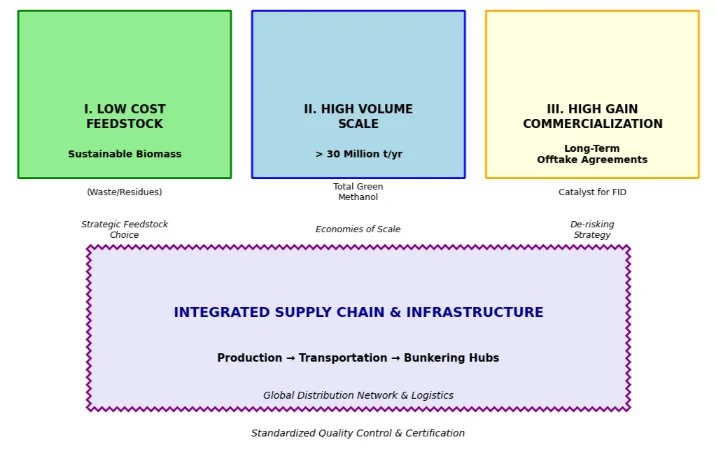
Diagram showing China's three-pillar biomethanol model for maritime decarbonization: Low Cost Feedstock, High Volume Scale, and High Gain Commercialization feeding into an integrated supply chain to achieve decarbonized shipping

Viability of CHINESE MODEL

The viability of China’s “low-cost and high-gain” biomethanol model for global adoption is best viewed as a successful blueprint for scale, not a guaranteed replication of cost. China’s commitment to building over 100 green methanol projects, including 12 million tonnes per year of bio-methanol capacity, offers the critical benefit of industrial scale necessary to drive down long-term technology and production costs worldwide. Furthermore, their strategy of securing long-term offtake agreements (LTAs) with major shippers like Maersk before reaching Final Investment Decision (FID) provides a proven commercial mechanism for de-risking massive capital investments—a vital lesson for nations struggling to finance their own decarbonization projects. This focus on integrated supply chains, from production in biomass-rich regions to bunkering at major ports, demonstrates the necessary high-gain structure required for international maritime fuel supply.

However, replicating the “low-cost” element globally faces significant challenges rooted in local economic disparities and feedstock logistics. While China may produce the fuel cheaply relative to global green alternatives, its cost remains higher than conventional fossil fuels, necessitating the establishment of robust government incentives or carbon pricing schemes—policies that vary widely outside of China. Crucially, the model relies on the large, centralized availability of specific low-cost biomass and waste feedstocks, which may not be transferable to countries with different agricultural practices or waste management systems. Therefore, while the high-gain strategy of massive scaling, integrated infrastructure, and commercial de-risking is highly viable and essential for global adoption, the low-cost element will only materialize for other countries if they can overcome these local feedstock and policy hurdles.

Scalability of China’s Green Methanol Blueprint for Global Fuels

The viability of China’s “low cost and high gain” biomethanol model for global fuel adoption lies in its successful blueprint for industrial scale and commercial de risking, principles that are highly transferable to other green fuels like green hydrogen, ammonia, and advanced biofuels. The model’s core strength is its strategy of leveraging massive capacity build outs to achieve long term economies of scale, a necessary step for any high CAPEX, emergent green energy technology to compete with fossil fuels. Crucially, the focus on securing Long Term Offtake Agreements (LTAs) with major shipping companies before Final Investment Decision (FID) provides a robust commercial mechanism for de-risking capital investments. This financing strategy is universally applicable and essential for funding green hydrogen and green ammonia projects, where significant upfront investment in electrolyzers and renewable energy is the main barrier to entry.

However, the “low-cost” pillar of the model faces varied constraints when applied to different fuels, primarily driven by feedstock and logistical complexities. For hydrogen and ammonia, the “feedstock” is renewable electricity, making the model’s cost achievable only in regions with abundant, cheap solar and wind resources. In contrast, other advanced biofuels, like Sustainable Aviation Fuel (SAF) made from Used Cooking Oil (UCO), often face a severe global constraint on feedstock availability, preventing the massive volume scaling that the methanol model relies upon. Furthermore, while liquid e fuels like ammonia and e-methanol benefit from existing transport infrastructure, pure green hydrogen requires entirely new, expensive transport and storage infrastructure. Therefore, while the commercial de-risking and scale-up components of China’s model are a vital global roadmap, the low cost outcome is contingent upon resolving these specific local feedstock and infrastructure challenges for each unique fuel type.

Citatiuons

Su, G., Jiang, P., Zhou, H., Zulkifli, N., Ong, H., & Ibrahim, S. (2024). Integrated production of methanol and biochar from bagasse and plastic waste: A three-in-one solution for carbon sequestration, bioenergy production, and waste valorization. Energy Conversion and Managementhttps://doi.org/10.1016/j.enconman.2024.118344.

Bazaluk, O., Havrysh, V., Nitsenko, V., Baležentis, T., Štreimikienė, D., & Tarkhanova, E. (2020). Assessment of Green Methanol Production Potential and Related Economic and Environmental Benefits: The Case of China. Energieshttps://doi.org/10.3390/en13123113

Read the full blog on BiofuelsPK: Carbon Tax & Biofuels

Fueling Profits: The Chinese Model for Low Cost, High Gains Biomethanol Read More »

European Union flag concept with yellow stars forming a circle on a textured blue background, representing EU funding and support for green biomethanol initiatives

Financing Biomethanol Projects: Accessing Green Funds and EU Support Mechanisms

Financing Biomethanol Projects: Accessing Green Funds and EU Support Mechanisms

Biomethanol is emerging as a key renewable fuel with significant potential to reduce greenhouse gas emissions and support the transition to a low-carbon economy. Financing such projects requires navigating a complex landscape of EU support mechanisms, green funds, and evolving global finance trends, while demonstrating strong environmental and economic impacts to attract investors. Biomethanol is rapidly gaining traction as a key player in the transition to renewable energy, thanks to its potential for decarbonizing sectors like shipping, chemicals, and power. Funding and strategic investment are essential for scaling up production, and both the European Union and global financial markets are increasingly supportive of these green initiatives.

Understanding Accessing Green Funds and EU Support Mechanisms

The European Union champions the green transition through a complex ecosystem of funding instruments. Major programs include the Innovation Fund (which supports large-scale demonstration of low-carbon technologies) and Strategic Programs under Horizon Europe (Cluster 5 – Climate, Energy, and Mobility). The European Investment Bank (EIB) provides loans and financial products targeted at renewable energy expansion, and the Modernisation Fund and EU ETS mechanisms channel auction revenues back into clean tech, including biomethanol.

The EU provides various support systems for renewable energy, including biomethanol, through grants, subsidies, and regulatory incentives. These mechanisms are designed to foster innovation, reduce investment risk, and accelerate market adoption, but require clear policy frameworks and long-term orientation to be effective . EU-funded projects, such as those under INTERREG and Horizon programs, have already supported biomethanol research and pilot plants (Srivastava et al., 2024).

Green Funds

Private and public green funds supplement EU funding by investing in projects with high climate impact and innovation potential. Examples include public-private partnerships, national green banks, and international finance institutions offering grants, equity, and low-interest loans for projects that can directly contribute to emissions reduction and sustainable fuel markets. These funds aim to fast-track commercialization, especially for advanced and second-generation biofuels. Green finance, including dedicated green funds, plays a pivotal role in enabling capital flow to sustainable projects. Tools such as green credit guarantee schemes, public-private partnerships, and community-based trust funds help reduce risk and improve access to long-term financing for bioenergy projects. However, challenges remain, such as limited financial sector involvement and short-term investment horizons. 

Why Biomethanol Deserves the Investment

Biomethanol has a compelling investment case:

  • It delivers deep carbon savings by converting biomass and waste into valuable fuel, supporting a circular economy.
  • It can be blended with or replace fossil methanol across industrial, energy, and mobility sectors, particularly shipping, where regulations demand rapid decarbonization.
  • The market is expanding, attracting growing investment and collaborative partnerships from energy majors, technology firms, and public bodies alike.

Biomethanol offers substantial environmental benefits, including up to 95% lower CO₂ emissions compared to fossil fuels, and supports energy security and circular economy goals. Its production from diverse biomass feedstocks and waste streams enhances sustainability and economic viability, making it attractive for both public and private investors. 

Navigation of Grant Applications and Funding Calls

Access to EU funding and green grants requires a systematic approach:

  • All applications for EU-level grants—including the Innovation Fund and Horizon Europe calls must be submitted through the EU’s Funding & Tenders Portal after creating an official EU Login account.
  • Funding calls detail eligibility, consortium requirements, and evaluation criteria (usually focused on emissions reduction, innovation, and scalability). Advance preparation, strong project partnerships, and clear alignment with call objectives are critical for success.
  • Most calls require Life Cycle Assessments (LCA), robust impact metrics, and demonstration of cost-effective scalability.

Official EU Funding Resources and Portals

For project developers seeking to secure funding for biomethanol and other bio-based initiatives, navigating the official European Union channels is paramount. Below is a curated list of key entities and their direct links, serving as your reliable guide to EU grants and support mechanisms.

Entity/Portal Official URL
EU Funding & Tenders Portal (Single Electronic Data Interchange Area – SEDIA) https://ec.europa.eu/info/funding-tenders/opportunities/portal/screen/home
European Commission Innovation Fund https://commission.europa.eu/funding-tenders/find-funding/eu-funding-programmes/innovation-fund_en
OR
https://climate.ec.europa.eu/eu-action/eu-funding-climate-action/innovation-fund_en
Circular Bio-based Europe Joint Undertaking (CBE JU) https://www.cbe.europa.eu/
European Climate, Infrastructure and Environment Executive Agency (CINEA) https://cinea.ec.europa.eu/

bookmark these essential links to stay informed on the latest calls, guidelines, and support available for your sustainable bioenergy projects.

Leveraging Data and Impact Metrics for Investors

Investors prioritize projects presenting:

  • Quantified GHG emission reductions (via LCA).
  • Project scalability and cost curves, with future cost reduction projections.
  • Potential for integration with renewable hydrogen and other green value chains.
  • Economic impact (job creation, local value addition) and market competitiveness.

Advanced data modeling, transparent environmental monitoring, and clear reporting on sustainability KPIs make projects more attractive to institutional and private investors.

The Most Lucrative Part of Financing Biomethanol Projects

Projects that integrate multiple revenue streams (e.g., biomethanol, biomethane, carbon credits) and utilize innovative financing tools (e.g., spillover tax, de-risking mechanisms) are most attractive to investors. EU incentives and green funds can significantly improve project profitability when combined with strong impact metrics.

The highest value and funding opportunities often align with:

  • Large-scale production facilities meeting advanced low-carbon criteria under the Innovation Fund or similar EU programs; grants may cover up to 60% of capital expenses.
  • Projects integrated with carbon capture, renewable hydrogen, or waste valorization, which can attract layered funding and higher margins.
  • Early market leadership—projects that secure initial funding may partner with major industry or energy suppliers for rapid commercialization and market access.

Beyond EU: Global Green Finance Trends

Green finance for biomethanol is surging globally. Governments and private investors in countries like China, India, the US, and Brazil are bolstering support for sustainable fuels through incentives, direct investments, and PPP models. In the past two decades, over $2 billion has been invested in feedstock cultivation alone, with much larger sums flowing into the full value chain—especially for sugar-based ethanol and advanced methanol.

Major trends include:

  • Growing preference for responsible investment and environmental, social, and governance (ESG) criteria.
  • New financial instruments integrating sustainability-linked metrics, fostering long-term partnerships, and cross-national consortia.
  • Focus on holistic policies that blend domestic incentives with international green finance flows for resilient and sustainable biomethanol scale-up.

Biomethanol’s investment landscape is rapidly evolving, and bold, well-structured funding strategies—supported by transparent metrics and strong ESG focus can unlock transformative opportunities for developers and investors worldwide.

Globally, green finance is expanding, with new instruments and standards emerging to support biofuel projects. However, regulatory uncertainty, greenwashing risks, and the need for clear sustainability criteria remain challenges. 

Citations

Srivastava, R., Sarangi, P., Sahoo, U., Thakur, T., Singh, H., & Subudhi, S. (2024). Biocatalysts for biomethanol production: Advancements and future prospects. Applied Chemical Engineeringhttps://doi.org/10.24294/ace.v7i1.2646.

Financing Biomethanol Projects: Accessing Green Funds and EU Support Mechanisms Read More »

Wooden letter tiles spelling "APPLICATION" on rustic table illustrating biomethanol applications in daily life

15 Surprising Applications Of Biomethanol You Didn’t Know Were Changing Your Daily Life

15 Surprising Applications of Biomethanol You Didn’t Know Were Changing Your Daily Life

Biomethanol, or renewable methanol, is chemically the same as conventional methanol (CH3OH). However, it comes from renewable sources instead of fossil fuels. It is a light, colorless, and biodegradable liquid that has a low carbon footprint. It often cuts greenhouse gas emissions by up to 90% compared to fossil methanol.

Since it is a liquid at room temperature, biomethanol is easier to store and transport than gaseous fuels like hydrogen. This makes it a practical renewable energy carrier and chemical feedstock.

1. Renewable Fuel for Vehicles

Biomethanol can be used directly as a fuel or mixed with gasoline in internal combustion engines. Its high octane rating boosts engine performance and lowers emissions of pollutants such as NOx and particulate matter. It can also help produce biodiesel and other biofuels.

  • Reduces carbon emissions in transportation
  • Works with existing fuel systems
  • Supports sectors where electrification is difficult

2. Cleaner Marine Fuel

The shipping industry uses biomethanol as a low-emission marine fuel. Biomethanol cuts lifecycle CO₂ emissions by up to 95% compared to traditional marine fuels. It can also be used in dual-fuel engines, allowing ships to switch between methanol and conventional fuels.

  • Helps meet IMO and EU emissions goals
  • Easier to store and handle than hydrogen or ammonia
  • Being adopted by major shipping companies worldwide

3. Hydrogen Carrier and Storage Medium

Hydrogen fuels are vital for reducing emissions in many sectors, but they face challenges in storage and transport. Biomethanol serves as a liquid hydrogen carrier, chemically storing hydrogen and releasing it when necessary. This makes hydrogen distribution and use easier.

  • Solves hydrogen storage and transport issues
  • Enables clean hydrogen use in transportation and industry
  • Supports the developing hydrogen economy

4. Feedstock for Chemical Industry

Biomethanol is a key renewable feedstock for making chemicals like formaldehyde, acetic acid, methyl esters, and methylamines. These chemicals are critical in producing plastics, textiles, paints, adhesives, and pharmaceuticals.

  • Reduces reliance on fossil fuels in chemical production
  • Encourages greener manufacturing processes
  • Supports circular economy principles

5. Power Generation and Grid Balancing

Biomethanol is used as a renewable fuel in power plants and combined heat and power (CHP) systems. It provides flexible power to complement intermittent renewables like solar and wind, helping to stabilize the electricity grid.

  • Improves grid reliability
  • Aids renewable energy integration
  • Lowers emissions from power generation

6. Cooking and Heating Fuel

In many areas, biomethanol replaces traditional biomass fuels like wood or charcoal for cooking and heating. It burns cleanly, reducing indoor air pollution and the health risks that come with it.

  • Improves air quality and health outcomes
  • Provides sustainable household energy
  • Reduces deforestation and environmental harm

7. Solvent in Pharmaceuticals and Cosmetics

Biomethanol is used as a solvent in making pharmaceuticals, cosmetics, and personal care products. Its renewable origin lowers the environmental impact of these industries.

  • Supports green chemistry
  • Reduces reliance on petrochemical solvents
  • Enhances sustainability in consumer products

8. Antifreeze and Coolants

Methanol’s antifreeze qualities make biomethanol an eco-friendly alternative for automotive and industrial coolants. It helps prevent freezing and overheating in engines and machinery.

  • Offers biodegradable and less toxic antifreeze
  • Lowers environmental pollution
  • Encourages sustainable maintenance practices

9. Fuel Cells for Portable and Backup Power

Biomethanol powers direct methanol fuel cells (DMFCs), which generate electricity for portable electronics, remote sensors, and emergency backup systems. This offers a clean and efficient power source.

  • Enables off-grid and emergency power
  • Provides higher energy density than batteries in some instances
  • Supports renewable energy use in various applications

10. Agricultural Inputs

Biomethanol is a feedstock for creating bio-based fertilizers and pesticides. This contributes to sustainable agriculture by reducing dependence on fossil-based chemicals.

  • Lowers the environmental effects of farming inputs
  • Promotes a circular bioeconomy using agricultural waste
  • Improves soil health and crop yields sustainably

11. Aviation Fuel Additive

Research is looking into biomethanol as a component in sustainable aviation fuels (SAF). This aims to cut the carbon footprint of air travel by blending with conventional jet fuel.

  • Addresses emissions in hard-to-decarbonize aviation
  • Compatible with existing fuel systems
  • Helps achieve global aviation climate targets

12. Plastic and Polymer Production

Biomethanol is a building block for bio-based plastics and polymers, providing renewable alternatives to petroleum-based materials.

  • Lowers the plastic industry’s carbon footprint
  • Allows for biodegradable and recyclable plastics
  • Supports a circular materials economy

13. Renewable Dimethyl Ether (DME) Production

Biomethanol can be turned into dimethyl ether, a clean-burning fuel used for heating, transportation, and as an aerosol propellant.

  • Offers a versatile, low-emission fuel
  • Can replace diesel and LPG in many uses
  • Expands renewable fuel options

14. Wastewater Treatment

Biomethanol acts as a carbon source in biological wastewater treatment. It helps promote denitrification and reduces nitrogen pollution that leads to toxic algal blooms.

  • Improves water quality
  • Provides a renewable alternative to fossil methanol in treatment
  • Supports sustainable urban infrastructure

15. Laboratory and Industrial Research

Biomethanol is commonly used as a solvent and reagent in labs and industrial research. This enables sustainable scientific innovation.

  • Cuts the environmental impact of research
  • Encourages green chemistry principles
  • Aids in the development of renewable technologies
Bar Chart of 15 APPLICATIONS OF THE BIOMETHANOL AND THEIR DESCRIPTION

Biomethanol and Hydrogen Fuels: Partners in the Renewable Energy Shift

While biomethanol is a versatile liquid fuel and chemical feedstock, hydrogen fuels complement it by providing zero-emission energy for sectors that are hard to electrify. Biomethanol’s role as a hydrogen carrier connects current infrastructure with the upcoming hydrogen economy. This allows for cleaner transport, industry, and power generation.

Together, biomethanol and hydrogen fuels form a powerful pair speeding up the global transition to sustainable energy.

 GRAPH OF THE BIOMETHANOL OUTPUT 2025 FOR POWER AND ENERGY SECTOR

Why Biomethanol Deserves More Attention

Even with its many applications and environmental benefits, biomethanol is often less recognized than electric vehicles or hydrogen fuels. Its compatibility with existing infrastructure, significant emissions reductions, and various industrial uses make it a practical and scalable solution for cutting emissions.

As governments and industries work toward net-zero targets, biomethanol’s importance will only increase, making it a key element in the future of renewable energy.

Conclusion: Biomethanol Is Already Changing Your Life

From powering vehicles and ships to enabling cleaner manufacturing and enhancing household energy, biomethanol is deeply woven into modern life. Along with hydrogen fuels, it plays an important role in the sustainable energy transition, offering real solutions across different sectors.

Recognizing these 15 surprising applications shows biomethanol’s true potential and highlights the need to support its development and use worldwide.

The Biomethanol Advantage: How Small Businesses Are Cutting Emissions While Boosting Profits

Discover how small enterprises are leveraging biomethanol to save money and reduce emissions.

Why Major Investors Are Quietly Pouring Billions into Biomethanol

Explore why big money is flowing into the biomethanol industry and what it means for the future.

15 Surprising Applications Of Biomethanol You Didn’t Know Were Changing Your Daily Life Read More »

Rear view of a modern electric car, representing the comparison between electric vehicles and biomethanol cars.

Electric Vehicles Or Biomethanol Cars Why The Future Of Transportation Isn’t What You Think

Electric Vehicles Or Biomethanol Cars

The future of transportation is a hot topic. It’s often seen as a simple contest between electric vehicles (EVs) and traditional internal combustion engines. However, new technologies like biomethanol-powered cars and hydrogen fuels are changing this view. This blog explores why the future of transportation is more complex and promising than just a basic EV versus gasoline debate. We will look at the roles of biomethanol and hydrogen fuels, their environmental impacts, economic viability, and how they either compete with or complement electric vehicles in creating a sustainable transport system.

Understanding the Contenders: EVs, Biomethanol, and Hydrogen Fuels

Electric Vehicles: The Current Favorite
Electric vehicles have become popular because they produce no tailpipe emissions and have more charging stations. They run on batteries charged mainly with renewable electricity, offering a cleaner alternative to fossil-fuel-powered cars. Their advantages include:

  • Reduced local air pollution
  • Lower operational costs
  • Increasing range and performance

However, EVs face issues like emissions from battery production, raw material extraction, and gaps in charging infrastructure.

Pie chart of the Market Share of Transportation Fuels in 2030

Biomethanol Cars: The Renewable Liquid Fuel Alternative
Biomethanol is a type of methanol made from renewable sources like agricultural waste or municipal solid waste. It is a liquid fuel that can power modified internal combustion engines or fuel cells. Key benefits include:

  • Compatibility with existing fuel infrastructure and engines with minor modifications
  • High energy density compared to hydrogen, which simplifies storage and transport
  • Potential for up to 90% greenhouse gas reductions compared to fossil fuels

Biomethanol provides a renewable, carbon-reducing option that uses current vehicle technology and fuel distribution networks.

Hydrogen Fuels: The Versatile Energy Carrier
Hydrogen fuels, particularly green hydrogen made from renewables through electrolysis, are attracting attention for their ability to decarbonize hard-to-electrify sectors. Hydrogen fuel cell vehicles emit only water vapor and offer:

  • Fast refueling times
  • Long driving ranges
  • Zero tailpipe emissions

However, hydrogen also faces challenges, including storage issues, high production costs, and a lack of refueling infrastructure.

Lifecycle Environmental Impacts: How Do They Compare?

A key consideration for the future of transportation is the full lifecycle environmental impact, from raw material extraction to end-of-life disposal.

Electric Vehicles
Studies indicate that battery electric vehicles usually have lower lifecycle greenhouse gas emissions than conventional internal combustion vehicles. However, battery production requires a lot of energy and relies on mining important minerals like lithium and cobalt. The carbon intensity of the electricity used for charging also significantly impacts EV emissions.

Biomethanol Vehicles
Biomethanol cars can achieve significant greenhouse gas reductions—up to 90% compared to fossil fuels—due to the renewable materials used in production. The liquid nature of the fuel allows for easier integration with current infrastructure, decreasing emissions related to fuel distribution.

Hydrogen Fuel Cell Vehicles
Hydrogen fuel cell vehicles have nearly zero tailpipe emissions, but the environmental benefits depend heavily on how hydrogen is made. Green hydrogen produced from renewable electricity has the best emissions profile, whereas hydrogen derived from fossil fuels with carbon capture is less sustainable.

Economic and Infrastructure Considerations

Electric Vehicles
The adoption of EVs is rising quickly, supported by growing charging networks and lower battery prices. However, charging times and grid capacity remain issues, especially for long-distance travel and heavy-duty vehicles.

Biomethanol
Biomethanol can use current liquid fuel infrastructure, making it an attractive option for quick deployment. It also provides a solution for sectors where electrification is difficult, such as shipping and heavy transport. Nevertheless, large-scale sustainable biomass supply and effective conversion technologies still need development.

Hydrogen Fuels
The hydrogen infrastructure is still new and expensive, requiring new pipelines, storage, and refueling stations. The production costs for green hydrogen are high but are expected to drop with advances in technology and scale.

Why the Future Isn’t Just EVs: The Case for a Multi-Fuel Future

Complementary Roles

  • Urban and light passenger transport: EVs fit well here, as they handle short trips and have access to charging.
  • Heavy-duty transport and shipping: Biomethanol and hydrogen fuels provide practical solutions where the weight of batteries and charging times limit EV effectiveness.
  • Energy storage and grid balancing: Hydrogen and biomethanol can serve as energy carriers, storing excess renewable electricity and stabilizing the grid.

Sustainability and Resource Efficiency
A diverse range of transport fuels decreases reliance on any single resource or technology. This reduces risks related to raw material shortages, infrastructure issues, and regional differences in renewable energy availability.

Challenges Ahead for Biomethanol and Hydrogen Fuels

  • Feedstock availability: Biomethanol production relies on sustainable biomass supply chains. These need careful management to prevent competition with food production and deforestation.
  • Technology maturity: Effective conversion processes for biomethanol and cost-efficient green hydrogen production are still being developed.
  • Policy and incentives: Strong regulations and financial incentives are essential to speed up adoption and infrastructure growth.

Conclusion: Rethinking the Future of Transportation

While electric vehicles are key to lowering transport emissions, they are not the only solution. Biomethanol and hydrogen fuels offer additional ways to reduce emissions in areas where EVs are limited. Biomethanol’s compatibility with current infrastructure and its potential for significant carbon reduction make it an appealing renewable fuel. Meanwhile, hydrogen fuels are important for heavy transport and industrial use due to their versatility and promise of zero emissions.

The future of transportation will combine various technologies—electric, biomethanol, hydrogen, and more—working together to create a sustainable, resilient, and low-carbon mobility system.

Electric Vehicles Or Biomethanol Cars Why The Future Of Transportation Isn’t What You Think Read More »