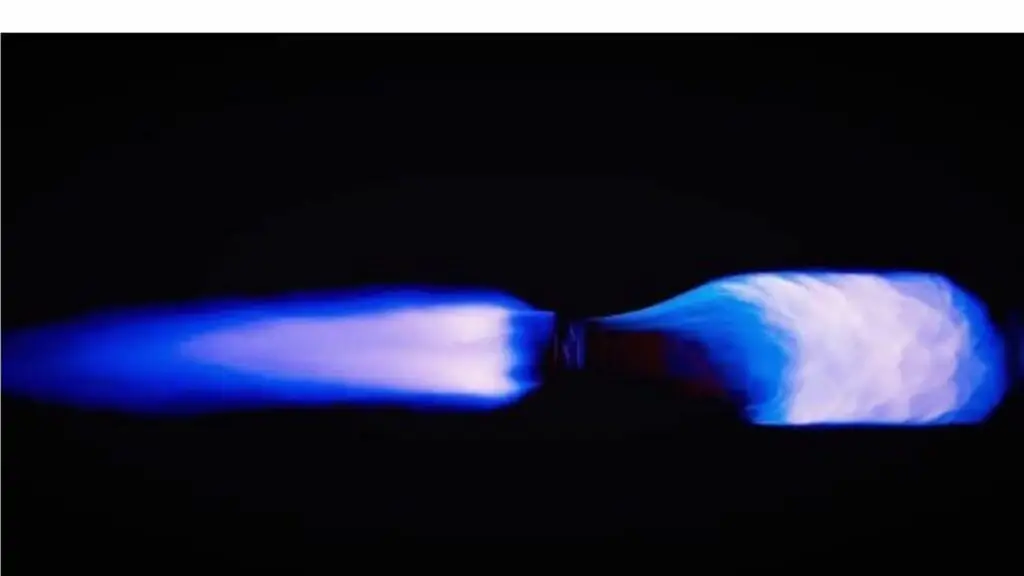
How Biofuels are Made From Algae
Microalgae have emerged as a promising renewable biofuel resource due to their remarkable oil content ranging from 20% to 80% of dry weight biomass, rapid growth rates, and minimal land requirements. Significant advancements in cultivation technologies, harvesting methodologies, and genetic engineering have substantially improved the commercial viability of algae-based biofuels over the past decade. This comprehensive analysis examines the current state of microalgae biofuel production, recent technological innovations, economic considerations, and environmental implications as of 2025.
Table of content
- Introduction
- Overview of Microalgae
- Advantages Over Traditional Biofuel Crops
- Current Potential for Use as a Biofuel
- Biochemical Composition of Microalgae
- Conversion Pathways for Bioenergy Production
- Integrated Biorefinery Approaches
- Genetic and Metabolic Optimization of Microalgae
- Growth Characteristics of Microalgae
- Genetic Engineering Advances
- Metabolic Pathway Optimizations
- Cultivation Systems and Biomass Processing Technologies
- Cultivation Systems: Open Ponds vs. Photobioreactors
- Environmental Requirements for Optimal Growth
- Harvesting Technologies
- Biomass Productivity and Lipid Yield Optimization
- Biomass Productivity Comparisons
- Lipid Content Variability and Optimization
- Challenges
- Contamination and Culture Stability
- Economic Considerations and Cost Reduction Strategies
- Economic Feasibility
- Historical and Current Cost Estimates
- Break-Even Analysis with Petroleum Prices
- Environmental and Sustainabie Development
- Carbon Capture and Utilization
- Wastewater Treatment Applications
- Lifecycle Sustainability Assessments
- Summary
- Future Prospects for Algal Biofuels
- Integration into Sustainable Energy Systems
How Biofuels are Made From Algae
Algae constitute a diverse group of photosynthetic organisms that inhabit aquatic environments and utilize light and carbon dioxide (CO₂) to generate biomass through photosynthesis. These organisms are taxonomically classified into two primary categories: macroalgae and microalgae. Macroalgae, commonly known as seaweed, are multicellular organisms measuring several inches in length, with some species such as giant kelp reaching lengths exceeding 30 meters. Conversely, microalgae are unicellular organisms measured in micrometers that typically grow suspended in aqueous environments.
Microalgae exhibit remarkably rapid growth rates, with doubling times often under 24 hours and as short as 3.5 hours during optimal conditions. This rapid growth is attributed to their photosynthetic efficiency and ability to utilize sunlight effectively. Such growth rates make them highly suitable for large-scale biofuel production, as they can quickly generate the biomass needed for fuel conversion (Yu et al., 2024) (Phillip & Goyal, 2024) (Fatima et al., 2024).
The cultivation of microalgae presents several distinct advantages over traditional biofuel feedstocks. Microalgal production systems can operate on non-arable land, utilize non-potable water sources including saline and wastewater, and demonstrate significantly higher photosynthetic efficiency and biomass productivity per unit area. These characteristics collectively position microalgae as an exceptionally promising feedstock for sustainable biofuel production in our increasingly carbon-conscious global economy.
Microalgae Biofuel Production Process
Current Potential for Use as a Biofuel
Genetic modifications have been employed to enhance TAG production in microalgae. Overexpression of enzymes like diacylglycerol acyltransferase (DGAT) and lysophosphatidic acid acyltransferase (LPAAT) has successfully increased TAG content. These modifications not only boost lipid yield but also tailor fatty acid composition for optimal biodiesel properties (Malcata, 2022)
Beyond biodiesel production, contemporary research has expanded the bioenergy applications of microalgae significantly. Advanced bioprocessing techniques have enabled the efficient conversion of algal biomass into various energy carriers. Under specialized cultivation conditions, certain algal species demonstrate enhanced hydrogen gas production capabilities. Thermochemical conversion pathways, including pyrolysis and hydrothermal liquefaction, have been optimized to transform algal biomass into bio-crude oil with improved energy density and reduced oxygen content compared to earlier processes. Additionally, anaerobic digestion of algal biomass generates methane-rich biogas suitable for electricity generation and heating applications.
By 2025, integrated biorefinery approaches have become the predominant operational model, wherein algal biomass undergoes fractionation to simultaneously produce multiple value-added products including biofuels, biochemicals, nutraceuticals, and agricultural inputs. This holistic utilization strategy has substantially improved the economic feasibility of algae-based biofuel production systems.
Genetic and Metabolic Optimization of Microalgae
Microalgae exhibit exceptional growth characteristics compared to conventional terrestrial energy crops. While seasonal terrestrial crops typically contain maximum oil concentrations of approximately 5% by dry weight, microalgae routinely achieve oil contents between 20% and 50%, with select strains reaching up to 80% under optimized conditions. The extraordinary growth rate of microalgae further distinguishes them from conventional crops, with typical population doubling times of 24 hours and as rapid as 3.5 hours during optimal growth phases.
Genetic engineering advancements since 2020 have enabled the development of enhanced microalgal strains with optimized traits for biofuel production. CRISPR-Cas9 and other advanced gene-editing technologies have facilitated precise modifications to metabolic pathways, resulting in strains with substantially increased lipid accumulation, improved photosynthetic efficiency, enhanced carbon dioxide fixation capabilities, and greater tolerance to cultivation stressors including temperature fluctuations and high salinity.
Lipid Content of Microalgae Species
| Microalgae Species | Lipid Content (% dry weight) |
|---|---|
| Chlorella sp. | 20–30 |
| Chaetoceros muelleri | 39 |
| Chlorella emersonii | 32 |
| Isochrysis galbana | 30 |
| Ankistrodesmus falcatus | 20–50 |
| Phaeodactylum tricornutum | 20–60 |
| Botryococcus braunii | 25–75 |
| Dunaliella salina | 20–60 |
Comparative Oil Yields of Crops and Microalgae
| Crop Type | Oil Yield (L/ha/year) | Oil Yield (US gal/acre/year) |
|---|---|---|
| Soybean | 446 | 48 |
| Sunflower | 952 | 102 |
| Rapeseed (Canola) | 1,190 | 127 |
| Oil Palm | 5,950 | 635 |
| Microalgae (low estimate) | 56,000 | 6,000 |
| Microalgae (high estimate) | 140,000 | 15,000 |
Metabolic engineering approaches have successfully redirected carbon flux toward lipid biosynthesis while minimizing energy expenditure on non-essential cellular processes. These genetic optimizations have resulted in commercially deployed strains that maintain high growth rates while simultaneously accumulating significantly elevated lipid concentrations, addressing a fundamental challenge that previously limited commercial viability.
Oil Yield Comparison: Microalgae vs Traditional Crops
Cultivation Systems and Biomass Processing Technologies
Most microalgae employ photoautotrophic metabolism, requiring light and carbon dioxide as primary energy and carbon sources. However, certain species demonstrate heterotrophic or mixotrophic capabilities, enabling growth in darkness using organic carbon substrates such as glucose or acetate. Despite the higher biomass densities achievable through heterotrophic cultivation, the substantial costs associated with organic carbon substrates generally render this approach economically impractical for biofuel applications. Consequently, commercial algal biofuel production systems predominantly utilize photoautotrophic cultivation methodologies that leverage sunlight as a cost-free energy source.
Photoautotrophic microalgae cultivation requires several fundamental inputs: light, carbon dioxide, water, and inorganic nutrients. Optimal growth temperatures typically range between 15°C and 30°C (59-86°F). The cultivation medium must supply essential inorganic elements including nitrogen, phosphorus, iron, and in certain cases, silicon (Ziganshina et al., 2023) . Continuous agitation of the culture is necessary to prevent biomass sedimentation, maximize light distribution throughout the culture, and enhance gas exchange at the medium-atmosphere interface. For more info
By 2025, several advanced cultivation systems have been optimized for commercial microalgae production, with suspension-based systems remaining dominant due to their operational scalability. The two predominant cultivation approaches are open pond systems and closed photobioreactors, each with distinct advantages and limitations for commercial biofuel production.
Open Pond Systems
Open pond systems represent the oldest and most straightforward approach to large-scale microalgae cultivation. These systems typically consist of shallow raceway ponds approximately 30 centimeters deep, wherein algae are cultivated under conditions resembling their natural environment. The raceway configuration incorporates a paddlewheel mechanism that generates circulation to ensure adequate mixing of algal cells and nutrients throughout the culture medium.
Modern raceway ponds utilize reinforced concrete construction or high-density polyethylene liners over earthen excavations to prevent groundwater contamination and medium seepage. Internal baffles strategically positioned within the flow channel optimize hydrodynamics and minimize dead zones.
- The hydrodynamic performance of raceway ponds is crucial for maximizing algal growth. Studies have shown that an aspect ratio greater than 15 enhances flow velocity uniformity, which is beneficial for microalgae cultivation.
- The placement of the paddlewheel significantly impacts efficiency. Positioning it in the middle of the pond length optimizes flow and minimizes dead zones, as demonstrated by computational fluid dynamics (CFD) simulations(KUMARI et al., 2024).
By 2025, advanced monitoring and control systems have been integrated into open pond operations, enabling real-time analysis of culture parameters including temperature, pH, dissolved oxygen, nutrient concentrations, and microbial community composition. Automated response systems maintain optimal growth conditions through regulated CO₂ injection, nutrient supplementation, and contamination management protocols.
While open pond systems benefit from lower capital and operational expenses compared to enclosed systems, they present several inherent limitations. Water loss through evaporation remains significant despite the implementation of surface films and other evaporation mitigation strategies. Carbon dioxide utilization efficiency remains suboptimal due to atmospheric gas exchange. Contamination by undesirable algal species, zooplankton grazers, and bacterial populations continues to present operational challenges. Furthermore, maintaining optimal cultivation conditions proves difficult in outdoor environments subject to diurnal and seasonal fluctuations.
Enclosed Photobioreactors
Enclosed photobioreactors (PBRs) have been developed to address the contamination and evaporation challenges inherent to open cultivation systems. These controlled-environment systems utilize transparent materials including high-clarity polymethyl methacrylate, polycarbonate, or specialized glass formulations, and are typically deployed outdoors to utilize natural illumination. Modern PBR designs prioritize maximizing the surface area-to-volume ratio to optimize light penetration throughout the culture.
Tubular photobioreactors represent the most widely deployed PBR configuration as of 2025. These systems consist of transparent tubes, typically less than 10 centimeters in diameter, oriented to maximize solar exposure. The culture medium circulates through these tubes, where photosynthesis occurs, and returns to a centralized reservoir. Highly turbulent flow regimes within the reactor, maintained through mechanical or airlift pumping systems, prevent biomass sedimentation and enhance gas exchange dynamics.
Advanced PBR designs now incorporate internal static mixers, optimized tube diameter gradients, and specialized surface texturing to further enhance light distribution and photosynthetic efficiency. Continuous harvesting approaches enable steady-state operation with consistent biomass productivity rather than batch cultivation cycles with variable productivity phases.
Photobioreactors offer several advantages over open systems. They effectively minimize contamination risk, virtually eliminate evaporative water loss, and significantly increase biomass productivity — achieving approximately 13 times greater productivity than conventional raceway systems under comparable conditions. Additionally, PBRs produce considerably more concentrated algal biomass, approximately 30 times the concentration of raceway cultures, substantially reducing harvesting costs.
However, PBR systems present distinct challenges despite these advantages. Their capital costs exceed those of open ponds substantially, and scaling operations introduces engineering complexities. Light limitation remains problematic as cell concentration increases, creating self-shading effects. Biofilm formation on interior surfaces can progressively diminish light transmission. Temperature management requires active cooling during daylight periods and potential heating during nocturnal hours. Oxygen accumulation necessitates regular degassing to prevent photorespiration and photooxidative damage .

Harvesting Technologies
Following cultivation in either open ponds or photobioreactors, microalgae biomass must be harvested and processed to extract lipids for biofuel production. By 2025, several advanced harvesting methodologies have been commercialized to improve efficiency and reduce operational costs.
Traditional gravity sedimentation remains applicable for larger microalgal species, but has been enhanced through the development of advanced flocculants including biodegradable polymers and magnetically-enhanced separation techniques. Centrifugation technologies have been optimized for energy efficiency through innovations in rotor design and process integration. Membrane filtration systems, including tangential flow filtration and forward osmosis, have emerged as energy-efficient alternatives for certain applications.
Following harvesting, lipid extraction from biomass is achieved through various methods. Conventional solvent extraction using hexane or other non-polar solvents remains common for large-scale operations (Arumugam et al .2015). However, emerging technologies including supercritical fluid extraction, pulsed electric field treatment, and enzyme-assisted extraction have demonstrated improved efficiency and reduced environmental impact. The extracted lipids subsequently undergo transesterification to produce biodiesel or hydroprocessing to yield renewable diesel and sustainable aviation fuels .
CLICK to check more related information
Biomass Productivity and Lipid Yield Optimization
Microalgae productivity varies substantially based on cultivation methodology, species selection, and environmental conditions. In contemporary open pond systems, typical productivity ranges from 15 to 30 grams of biomass (dry basis) per square meter of surface area daily, translating to approximately 22-44 metric tons of dry biomass per hectare annually. Under optimal conditions with specialized strains, exceptional open pond systems have demonstrated sustained productivity of up to 70 grams per square meter daily, equivalent to approximately 250 metric tons per hectare annually.
Enclosed photobioreactors consistently achieve significantly higher volumetric productivity, typically ranging from 2 to 5 grams per liter daily, corresponding to approximately 730-1,825 grams per liter annually. When considering areal productivity, advanced photobioreactor systems frequently achieve 40-80 grams per square meter daily, translating to approximately 146-292 metric tons per hectare annually.
Lipid content in microalgae varies considerably between species and in response to cultivation conditions. While baseline lipid content typically ranges from 20-50% of dry biomass, specialized strains and optimized cultivation strategies regularly achieve 60-75% lipid content on a dry weight basis. Combined with the exceptional biomass productivity of microalgal cultivation systems, this translates to theoretical oil yields substantially exceeding those achievable with conventional terrestrial oil crops. For comparative context, microalgae with 30% oil content cultivated in moderately productive open pond systems can produce approximately 10 times the oil yield per hectare of oil palm, which represents the highest-yielding conventional oil crop.
Challenges
Despite substantial advances in algal biofuel technology since the U.S. Department of Energy’s Aquatic Species Program (1980s-1990s), several persistent challenges have continued to limit large-scale commercial implementation. However, significant progress in addressing these limitations has been achieved by 2025.
Maintaining culture stability and preventing contamination remains challenging, particularly in open cultivation systems. Advanced monitoring approaches utilizing metagenomic analysis and artificial intelligence have improved early detection of contaminant organisms and predators. Innovative biological control strategies and selective growth conditions have enhanced culture stability without resorting to costly sterilization protocols.
Achieving consistently high lipid productivity continues to present challenges despite genetic engineering advances. The fundamental metabolic trade-off between rapid growth and lipid accumulation persists, though two-phase cultivation strategies have proven effective in maximizing overall productivity. Recent innovations in continuous cultivation with selective harvesting have demonstrated promising results for maintaining high productivity while progressively harvesting lipid-rich cells.
Harvesting and dewatering processes have historically represented a significant fraction of production costs due to the dilute nature of algal cultures and the small cell size of many productive strains. Recent engineering advances have substantially reduced these costs through the development of energy-efficient harvesting technologies, including improved flocculation methodologies, optimized membrane systems, and low-energy centrifugation approaches.
Lipid extraction processes have been optimized to reduce solvent requirements and energy input. Cell disruption technologies including ultrasonication, high-pressure homogenization, and pulsed electric field treatment have improved extraction efficiency while reducing solvent consumption. Additionally, hydrothermal liquefaction technologies that convert whole algal biomass directly to bio-crude oil have eliminated traditional extraction requirements for certain applications.
Despite these advancements, achievable production costs remain higher than fossil fuel alternatives in most market conditions as of 2025, though the gap has narrowed considerably since 2020. Continued research efforts focus on further improvements in strain optimization, cultivation efficiency, harvesting technologies, and biorefinery integration to enhance economic viability.
Economic Feasibility
The production economics of microalgal biofuels have improved significantly since earlier assessments, though variations in methodology and assumptions complicate direct comparisons between studies. Current production cost estimates incorporate advances in cultivation technology, harvesting efficiency, and biorefinery integration that have collectively reduced expenses substantially.
Previous analyses, such as those conducted by Chisti (2007), estimated microalgal oil production costs of approximately $2.80 per liter ($10.50 per gallon) for photobioreactor systems with 30% lipid content. These estimates excluded downstream processing costs for conversion to finished fuels, distribution expenses, marketing costs, and applicable taxes.
By 2025, technological advancements and operational optimizations have reduced production costs considerably. Advanced open pond systems now achieve production costs of approximately $1.20-1.80 per liter ($4.50-6.80 per gallon) of algal oil, while photobioreactor systems typically achieve $1.45-2.10 per liter ($5.50-8.00 per gallon). These reductions have resulted from improvements in cultivation productivity, harvesting efficiency, and energy utilization throughout the production process.
The economic competitiveness of algal biofuels remains dependent on petroleum prices, though carbon pricing mechanisms and renewable fuel incentives have improved the comparative economics considerably. Following Chisti’s framework relating algal oil costs to petroleum prices, the break-even point for algal oil occurs at approximately:
Cₐₗgₐₗ ₒᵢₗ = 25.9 × 10⁻³ Cₚₑₜᵣₒₗₑᵤₘ
This equation relates the algal oil carbon content to petroleum carbon content using scientific notation.
- Cₐₗgₐₗ ₒᵢₗ represents the carbon content in algal oil
- Cₚₑₜᵣₒₗₑᵤₘ represents the carbon content in petroleum
- The equation states that Cₐₗgₐₗ ₒᵢₗ equals 25.9 × 10⁻³ times Cₚₑₜᵣₒₗₑᵤₘ
The coefficient 18.7 × 10⁻³ is in scientific notation, which equals 0.0187. This means the carbon content in algal oil is approximately 1.87% of the carbon content in petroleum.
This type of equation might be used in biofuel research or environmental science to compare the carbon footprint of alternative fuels (like algal oil) to traditional fossil fuels (petroleum). The small multiplier suggests that algal oil has a significantly lower carbon content than petroleum, which could be advantageous from an environmental perspective..
It bears noting that integrated biorefinery approaches substantially improve economic outcomes by generating revenue from multiple product streams beyond biofuels. High-value co-products including protein supplements, specialty lipids, pigments, and biopolymers frequently generate sufficient revenue to offset a significant portion of production costs, enhancing the economic viability of the overall operation.
Environmental and Sustainabie Development
Microalgae cultivation presents numerous environmental advantages beyond biofuel production. Contemporary applications have expanded to leverage these benefits through integrated systems addressing multiple sustainability challenges simultaneously.
Agricultural applications of microalgae have expanded considerably, with microalgal biomass increasingly utilized as an organic biofertilizer that improves soil structure, water retention, and microbial activity while providing balanced nutrient delivery to crops (Patel et al., 2024). Strategic deployment of algal cultivation systems for capturing and recycling agricultural runoff has become a standard practice in many intensive farming regions, simultaneously preventing nutrient pollution of waterways while producing valuable biomass.
Wastewater treatment applications have proliferated, with municipal facilities increasingly incorporating microalgal cultivation stages to reduce chemical inputs while improving treatment outcomes. Advanced systems simultaneously remediate wastewater, produce biofuel feedstock, and generate carbon credits through CO₂ sequestration.
Carbon dioxide mitigation represents a particularly significant environmental application of microalgal cultivation. Strategic deployment of algal production facilities adjacent to industrial CO₂ sources, including power plants, cement facilities, and manufacturing operations, enables beneficial capture and utilization of emissions. Through photosynthetic metabolism, microalgae efficiently convert CO₂ into biomass, effectively recycling waste carbon into valuable products including carbon-neutral biofuels.
Lifecycle assessments of microalgal biofuel production systems have demonstrated significant improvements in key sustainability metrics. Contemporary systems achieve substantially positive energy return on investment ratios, with modern systems returning 3-5 units of energy output per unit of fossil energy input. Greenhouse gas emissions have similarly improved, with typical systems achieving 60-80% reductions compared to fossil fuel equivalents on a lifecycle basis. Water consumption has been minimized through closed-loop system designs with high rates of water recycling, particularly in photobioreactor systems.
Conclusion
Microalgae represent an exceptionally promising feedstock for sustainable biofuel production due to their rapid growth rates, high oil content, minimal land requirements, and compatibility with non-potable water sources. Significant technological advancements through 2025 have substantially improved the commercial viability of algal biofuels, though further optimizations remain necessary to achieve cost parity with fossil fuels under typical market conditions.
The integration of algal biofuel production within biorefinery frameworks that generate multiple value-added products presents the most economically viable pathway toward commercial implementation. Additionally, incorporating environmental services including carbon capture, wastewater treatment, and nutrient recovery into operational models enhances both economic and sustainability outcomes.
Continued research and development efforts focus on further advancing strain capabilities through genetic engineering, optimizing cultivation systems for enhanced productivity and reduced operational expenses, improving harvesting and extraction technologies, and developing integrated biorefineries that maximize value creation from algal biomass. These ongoing innovations collectively suggest a promising trajectory for algal biofuels as a component of the sustainable energy landscape beyond 2025.
Also learn about the Methanol vs Ethanol: Which is the Better Green Fuel
Citations:
Phillip, A., & Goyal, B. (2024). Algal Biofuels: A Comprehensive Review and Analysis. Journal of Applied Life Sciences International, 27(5), 52–72. https://doi.org/10.9734/jalsi/2024/v27i5659
Malcata, F. X. (2022). Engineering of microalgae toward biodiesel: Facts and prospects. Proceedings of 2022 AOCS Annual Meeting & Expo. https://doi.org/10.21748/jeul5047
Ziganshina, E. E., Bulynina, S. S., Yureva, K. A., & Ziganshin, A. M. (2023). Optimization of Photoautotrophic Growth Regimens of Scenedesmaceae alga: The Influence of Light Conditions and Carbon Dioxide Concentrations. Applied Sciences, 13(23), 12753. https://doi.org/10.3390/app132312753
KUMARI, R., Das, B. S., Devi, K., Khuntia, J. R., & Mohanty, M. P. (2024). Hydrodynamic performance of raceway pond using k-ω and LES turbulence models. Journal of Renewable and Sustainable Energy, 16(6). https://doi.org/10.1063/5.0220538
Arumugam, A., Karthikeyan, C., Hameed, A. S. H., Gopinath, K., Gowri, S., & Karthika, V. (2015). Synthesis of cerium oxide nanoparticles using Gloriosa superba L. leaf extract and their structural, optical and antibacterial properties. Materials Science and Engineering: C, 49, 408-415.
Patel, B. H., Bergi, J., & Trivedi, R. (2024). The Potential of Algal Consortium as an Innovative and Effective Biofertilizer for Sustainable Agriculture in India. Asian Journal of Research in Crop Science, 9(4), 261–268. https://doi.org/10.9734/ajrcs/2024/v9i4316
also readout
Carbon Tax & Biofuels: How New Policies Can Cut Costs and Boost Advanced Biofuels
How Biofuels are Made From Algae Read More »