methanol

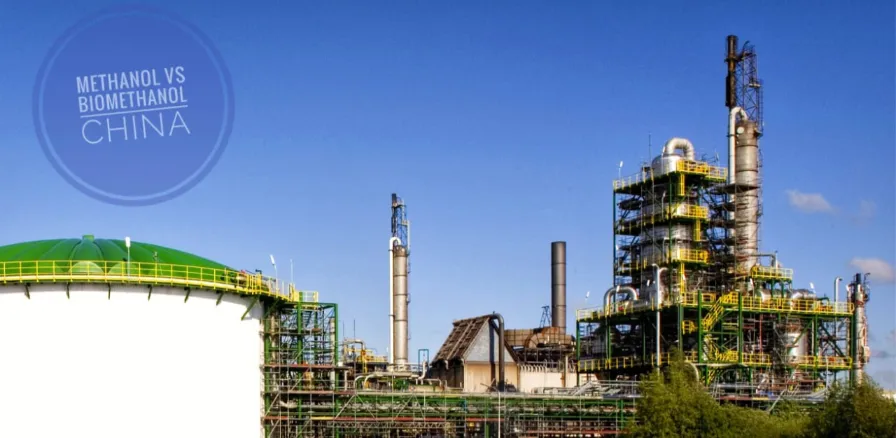
Industrial plant in China highlighting the comparison between methanol and biomethanol production.

Comparing Biomethanol and Coal-Based Methanol for Cleaner Energy in China

Fuelling China Future: The Green Promise of Biomethanol vs. the Legacy of Coal-Based Methanol

This blog offers a deep dive into the environmental and chemical distinctions between coal-based and biomethanol in China, emphasizing the urgent shift towards greener energy solutions.

Advantage: Reading this blog equips you with crucial insights into sustainable energy trends, highlighting China’s pivotal role in the global transition to cleaner fuels and the innovations driving this change.

China, the world’s largest consumer and producer of methanol, faces a crucial moment in its energy transition. The country has a huge demand for this versatile chemical, which is used in fuels, plastics, and pharmaceuticals. It struggles to balance economic growth with environmental sustainability. For decades, coal-based methanol has supported this industry by using China’s plentiful coal reserves. However, the urgent need for cleaner energy options has drawn attention to biomethanol as a promising, eco-friendly alternative. This blog explores a detailed comparison of these two methanol production methods, looking at their chemical processes, emissions, environmental effects, and the roles of key industry players. It ultimately underscores the urgent need to move toward greener alternatives.

The Methanol Mandate: A Chemical Comparison
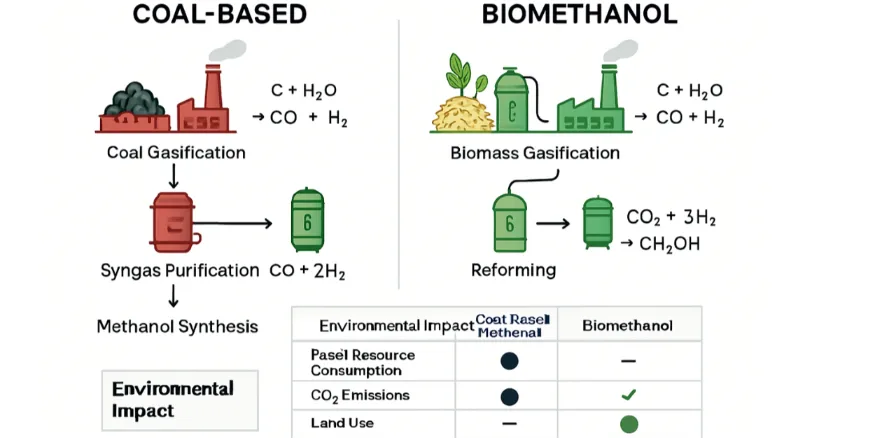
Coal Based Methanol Vs Biomethanol

The image provides an overview of the production pathways and environmental impacts of coal based methanol and biomethanol. It visually contrasts the traditional, carbon-heavy coal gasification route, which produces significant CO₂ emissions and air pollutants from non renewable coal, with the more sustainable biomethanol processes that use renewable biomass or captured CO₂ along with green hydrogen. The diagram shows each step, from feedstock preparation to methanol synthesis, highlighting how biomethanol results in much lower carbon emissions, reduced air pollutants, and better sustainability. A side by side comparison table further underscores the clear differences in carbon intensity, feedstock sources, air pollution, water use, and overall energy balance. This makes the environmental benefits of moving towards biomethanol and especially green methanol using captured CO₂ and renewable energy—very apparent.

Emissions Data:

  • Greenhouse Gas (GHG) Emissions: Coal-to-methanol (CTM) processes are among the most GHG-intensive pathways for methanol production nowadays. Life cycle assessments (LCA) consistently show that CTM has a very high carbon footprint, often exceeding that of traditional fossil fuels like gasoline and diesel. Studies indicate that CTM processes contribute significantly to global warming potential (GWP), with reported figures in the range of hundreds of kg CO2 equivalent per tonne of methanol, often up to three times higher than natural gas-based methanol.
  • Air Pollutants: Beyond CO2, coal gasification releases substantial amounts of other harmful air pollutants, including sulfur dioxide (SO2), nitrogen oxides (NO2), particulate matter (PM), and heavy metals. These contribute to acidification, photochemical oxidation, and respiratory diseases.
  • Water Consumption: CTM plants are also highly water-intensive, consuming vast quantities of water for cooling, gasification, and other processes, putting strain on water resources in often arid regions of China where these plants are typically located.
  • Solid Waste: Coal ash and other solid wastes are byproducts, posing disposal challenges and potential contamination risks.

Biomethanol: A Greener Horizon

Biomethanol offers a significantly lower environmental impact due to its renewable feedstock and potential for carbon neutrality or even negativity.

Emissions Data:

  • Greenhouse Gas (GHG) Emissions: The carbon footprint of biomethanol is substantially lower. When produced from sustainable biomass or captured CO2 with green hydrogen, the net CO2 emissions can be reduced by 70-95% compared to fossil-based methanol. The “climate neutrality” of end use emissions is often highlighted because the carbon released during combustion was originally absorbed by the biomass during its growth. In cases like methanol from manure-based biomethane, it can even have a negative carbon footprint by avoiding methane emissions that would have occurred anyway.
  • Air Pollutants: While biomass gasification still produces some pollutants, the overall emissions of SOx, NOx, and PM are significantly lower compared to coal, especially with advanced purification technologies. Biomethanol as a fuel drastically cuts NOx (up to 80%), SOx (up to 99%), and particulate matter emissions at the point of use.
  • Water Consumption: While still requiring water, the overall life cycle water consumption for biomethanol can be lower, particularly for certain feedstocks and processes, and can often be managed within a circular economy framework.
  • Waste Valorization: Utilizing agricultural and municipal waste as feedstock offers the dual benefit of producing energy while mitigating waste accumulation and associated environmental problems like landfill methane emissions.

Environmental Impact Data Comparison (Illustrative, specific values vary by technology and feedstock):

Impact CategoryCoal-Based Methanol (per tonne CH3OH)Biomethanol (per tonne CH3OH)
Global Warming Potential (kgCO2eq)500-1000+ (High)<100 (Potentially negative)
Acidification Potential (kgSO2eq)Moderate to HighLow
Eutrophication Potential ModerateLow
Human Toxicity PotentialHighLow to Moderate
Water ConsumptionHighModerate
Solid Waste GenerationHighLow (waste valorization)

Note: These are illustrative ranges. Actual figures depend heavily on specific plant configurations, energy sources for auxiliary processes, and feedstock origins.

The landscape of methanol production in China features both entrenched coal-to-methanol giants and emerging players in the biomethanol space.

Companies Utilizing Coal-Based Methanol in China:

China’s coal-based chemical industry is vast, with many large state owned enterprises and private companies involved. These companies often operate integrated facilities that produce a range of chemicals from coal, with methanol being a key intermediate.

  • Yankuang Energy Group Co Ltd. (Yulin Methanol power station): One of the prominent players, their Yulin Methanol power station is a significant coal to methanol facility in Shaanxi province. While they contribute to China’s energy security, their operations are rooted in coal.
    • URL: While a direct corporate URL for their methanol operations is not readily available, information can be found via their parent company: http://www.yankuanggroup.com/
  • Shenhua Group (now part of China Energy Investment Corporation): A massive state-owned energy company, Shenhua has invested heavily in coal to chemicals projects, including methanol, throughout China.
  • Datang Energy Chemical: Another large state-owned enterprise with significant investments in coal to chemicals, including methanol production, particularly in Inner Mongolia.
    • URL: Information often found through general news and industry reports, a direct specific URL for their methanol operations is not consistently available.
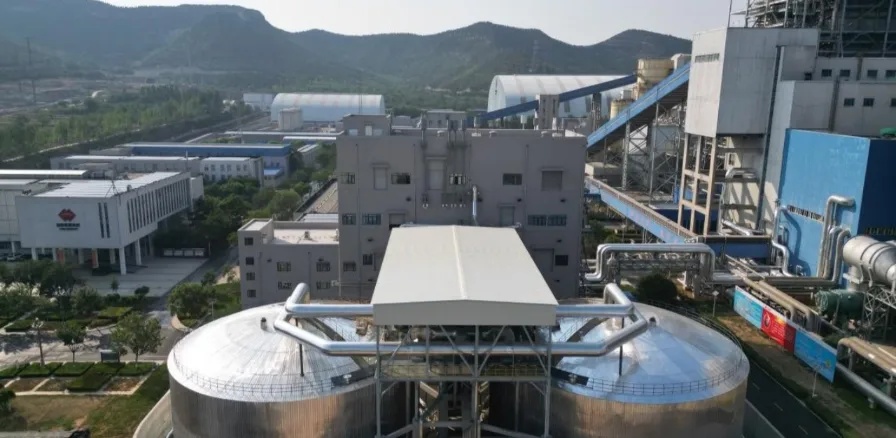
Chinese Companies Biomethanol

Companies Embracing Biomethanol (Green Methanol) in China:

The green methanol sector is nascent but growing rapidly, driven by environmental mandates and the increasing availability of sustainable feedstocks.

  • The Hong Kong and China Gas Company Limited (Towngas): Towngas is a notable pioneer in green methanol. Their methanol production plant in Ordos, Inner Mongolia, utilizes proprietary technology to convert biomass and municipal waste into green methanol, holding ISCC EU and ISCC PLUS certifications. They are actively involved in promoting green methanol as a marine fuel.
  • Hyundai Merchant Marine (HMM) & Shanghai International Port Group (SIPG) collaboration: While HMM is a South Korean shipping company, their collaboration with SIPG in Shanghai indicates a growing demand and supply chain for biomethanol in China. SIPG, as a major port operator, facilitates the bunkering of biomethanol. This signifies the adoption of biomethanol as a clean fuel in the maritime sector within China.
  • Shenghong Petrochemical: This company has initiated operations of large scale CO2 to methanol plants, demonstrating a commitment to carbon capture and utilization (CCU) for methanol production. While not strictly biomass, utilizing captured CO2 is a key pathway for “green” methanol.
    • URL: Specific information might be found within news releases or industry reports, but a direct corporate URL for this specific project is not readily available. Shenghong Petrochemical itself is a large integrated refining and chemical enterprise.

Mitigation Strategies: Paving the Way for a Cleaner Future

Addressing the environmental impact of methanol production, particularly from coal, is paramount for China’s sustainable development. Several mitigation strategies are being explored and implemented.

For Coal-Based Methanol (Transitioning towards lower impact):

  • Carbon Capture, Utilization, and Storage (CCUS): This technology aims to capture CO2 emissions from coal fired plants and either store them underground or utilize them in other industrial processes (e.g., for enhanced oil recovery or even in CO2to methanol synthesis). This can significantly reduce the carbon footprint, although it adds to the energy consumption and cost.
    • Relevant research and development is ongoing in China, with many universities and research institutes collaborating with industrial players.
    • Example: China National Petroleum Corporation (CNPC) and China Petrochemical Corporation (Sinopec) are actively involved in CCUS research and pilot projects.
  • Improved Energy Efficiency: Optimizing the energy utilization efficiency of CTM processes through advanced heat exchanger networks and process integration can reduce overall energy consumption and, consequently, emissions.
  • Integration with Renewable Energy: Powering ancillary processes in CTM plants with renewable electricity (solar, wind) can indirectly lower the carbon intensity of the final product.

For Biomethanol (Enhancing Sustainability and Scalability)

  • Sustainable Feedstock Sourcing: Ensuring that biomass feedstocks are sustainably harvested or sourced from waste streams to avoid land use change impacts and competition with food production. Certifications like ISCC (International Sustainability and Carbon Certification) play a crucial role.
  • Technological Advancement: Continued investment in research and development to improve the efficiency and cost effectiveness of biomass gasification and methanol synthesis technologies. This includes novel catalysts and reactor designs.
  • Policy Support and Incentives: Government policies, subsidies, and mandates are critical to accelerate the adoption and scale-up of biomethanol production, making it more competitive with fossil-based alternatives. China’s national renewable energy targets and carbon neutrality commitments provide a strong impetus.
  • Circular Economy Integration: Developing integrated systems where waste from one industry becomes a feedstock for biomethanol production, fostering a true circular economy.

Conclusion: A Pivotal Shift for China

The comparison between biomethanol and coal-based methanol for cleaner energy in China highlights a clear need for change. Coal-based methanol has long met China’s industrial demands, but its significant environmental impact including greenhouse gas emissions, air pollution, and high water use is not sustainable given today’s global climate challenges. Biomethanol, which has a much lower carbon footprint and can utilize waste, presents a vital path toward a cleaner and more sustainable energy future for China.

Transitioning to biomethanol will present challenges. These include the need for large-scale sustainable sourcing of biomass, scaling up technology, and ensuring economic competitiveness. However, increasing investments from companies like Towngas and growing partnerships in green methanol bunkering at ports like Shanghai indicate a promising shift. By focusing on mitigation strategies, investing in renewable technology, and creating supportive policies, China can transform its methanol industry from a major polluter into a leader in clean energy innovation. Moving toward a biomethanol-driven economy is not just an environmental necessity; it’s also a strategic chance for China to build a resilient and sustainable energy future.

Also Checkout

Investing in Biomethanol Stocks – Advanced Biofuels and Market Trends

Comparing Biomethanol and Coal-Based Methanol for Cleaner Energy in China Read More »
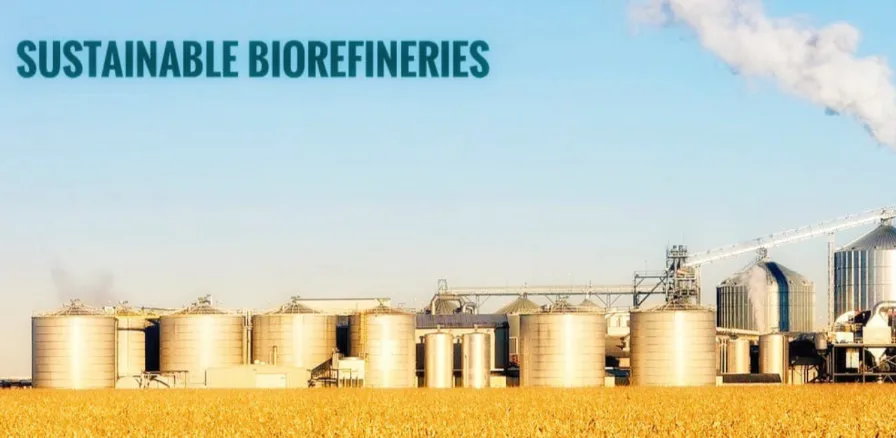
Industrial biorefinery plant processing sugarcane residues into methanol.

Sustainable Biorefineries in South Africa: Methanol from Sugarcane Residues

Sustainable Biorefineries in South Africa: Methanol from Sugarcane Residues Fueling a Greener Future

South Africa is a nation rich in agricultural resources. It faces the challenge of meeting its growing energy needs while reducing the environmental harm from fossil fuel reliance. In this situation, sustainable biorefineries provide a strong option for a more resilient and environmentally friendly future. Among the various feedstocks and bioproducts being considered, producing methanol from sugarcane residues is particularly promising for South Africa. This blog post examines the potential of sustainable biorefineries that use sugarcane bagasse and molasses for methanol production. It looks at the technological processes involved, the many benefits for South Africa’s future, and the major impacts on trade, the economy, GDP, and local markets when fully optimized.

The Promise of Sugarcane Residues: A Sustainable Feedstock

Sugarcane residues, such as bagasse and trash, are increasingly recognized as valuable resources for sustainable bioenergy and bioproducts in South Africa. With the country’s sugar industry facing economic and environmental challenges, utilizing these residues offers a promising pathway to support a circular bioeconomy, reduce waste, and diversify income streams. These can be converted into biofuels (ethanol, methanol, biogas), electricity, and biochemicals, or used for soil improvement and material development (Tshemese et al., 2023). Methanol can be produced from sugarcane residues via several technological pathways: gasification followed by catalytic synthesis (converting bagasse into syngas and then into methanol in a catalytic reactor under controlled conditions—a well-established technology suitable for large-scale production), biochemical conversion (using microorganisms to ferment sugars from pre-treated bagasse or molasses into methanol, an approach that is less mature but offers advantages in milder operating conditions and potentially lower energy consumption), and hybrid approaches (which combine thermochemical and biochemical elements to optimize efficiency and yield). The selection of the most appropriate technology ultimately depends on factors such as technological maturity, feedstock availability, desired scale, and economic context.

Future Benefits of Sustainable Biorefineries in South Africa

The establishment of sustainable methanol biorefineries in South Africa utilizing sugarcane residues offers a wide array of potential benefits for the nation’s future:

  • Energy Security and Diversification: Methanol can be a flexible liquid fuel. It mixes with gasoline, which helps cut down on the need for imported petroleum and improves energy security. Additionally, it can be used directly in vehicles made for it or transformed into other useful fuels and chemicals. This diversifies South Africa’s energy sources.
  • Greenhouse Gas Emission Reduction: Methanol is a versatile liquid fuel. It blends with gasoline, reducing the need for imported petroleum and improving energy security. It can also be used directly in vehicles designed for it or converted into other useful fuels and chemicals. This adds variety to South Africa’s energy sources.
  • Waste Valorization and Circular Economy: Transforming agricultural waste like bagasse and molasses into valuable products promotes a circular economy, reducing the environmental burden associated with waste disposal (such as open burning which contributes to air pollution) and maximizing the economic value of agricultural resources.
  • Rural Economic Development and Job Creation: The setup and running of biorefineries in sugarcane-producing areas will boost rural economic development by generating new jobs in feedstock supply, plant operation, maintenance, and related industries. This can reduce poverty and support inclusive growth in these regions.
  • Reduced Dependence on Fossil Fuel Imports: Substituting imported fossil fuels with domestically produced biomethanol can significantly reduce South Africa’s foreign exchange expenditure, strengthening its economic resilience.
  • Development of a Bio-based Economy: Techno-economic studies show that co-producing ethanol and electricity from sugarcane residues is more efficient and profitable than electricity generation alone, especially when advanced technologies are used 
  • Improved Air Quality: The use of biomethanol as a fuel or fuel blend can lead to lower emissions of harmful pollutants compared to conventional gasoline, contributing to improved air quality, particularly in urban areas. Methanol and ethanol-lactic acid co-production routes are particularly attractive, meeting investment criteria and offering environmental advantages 
  • Sustainable Agriculture Practices: Bioethanol production from sugarcane can boost GDP, create jobs, and reduce greenhouse gas emissions, but may require policy support or subsidies to be financially viable (Rodríquez-Machín et al., 2021).

Impacts on Trade, Economy, GDP, and Local Markets through Optimization

In regions where sugarcane is a major crop, optimizing residue use can contribute to GDP by increasing the value generated per hectare and supporting related industries. The expansion of sugarcane residue processing supports new industries (e.g., biogas, biofertilizers), which can create jobs and stimulate local economies, especially in rural areasWhen fully optimized, these biorefineries can have significant positive impacts on trade, economy, GDP, and local markets in South Africa:

Trade:

  • Diversification and Value Addition: Utilizing sugarcane residues (like bagasse, trash, and by-products) for bioenergy, chemicals, and bioplastics can reduce disposal costs, increase energy output, and expand the product portfolio of sugar mills, leading to higher revenues and economic growth 
  • Reduced Fuel Import Dependence: Optimized biomethanol production can significantly decrease South Africa’s reliance on imported petroleum fuels, leading to a more favorable balance of trade.
  • Job Creation and Local Development: The expansion of sugarcane residue processing supports new industries (e.g., biogas, biofertilizers), which can create jobs and stimulate local economies, especially in rural areas
  • Potential for Biofuel Exports: If production exceeds domestic demand, South Africa could potentially become an exporter of biomethanol or its derivative products to regional or international markets, generating valuable foreign exchange earnings.
  • Regional Competitiveness: Efficient residue utilization can lower production costs and improve the competitiveness of South African sugarcane products in both domestic and export markets.(Formann et al., 2020)
  • Attraction of Foreign Investment: A thriving biorefinery sector can attract foreign direct investment in technology, infrastructure, and market development, further boosting the economy.

Economy and GDP:

Local Markets:

  • GDP Growth: In regions where sugarcane is a major crop, optimizing residue use can contribute to GDP by increasing the value generated per hectare and supporting related industries 
  • Biorefineries set up in areas that produce sugarcane are expected to boost rural economies. They will create demand for goods and services, support local businesses, and improve people’s livelihoods. Their presence may also attract investments in local infrastructure, including transportation and utilities, benefiting the wider community beyond the biorefinery.
  • These facilities will also generate a variety of job opportunities. Positions will range from unskilled work in feedstock handling to technical and management roles. This range will help develop skills and strengthen local capacity. For sugarcane farmers, selling residues as feedstock for the biorefineries provides a new way to earn money, enhancing their economic stability. In addition, producing biomethanol or blended fuels locally could give regional markets more sustainable and potentially cheaper fuel options.

Get more details

Conclusion:

Sustainable biorefineries that use sugarcane residues for methanol production have a great chance to help South Africa achieve a greener and more prosperous future. By taking advantage of this easily accessible biomass resource, the country can improve its energy security, cut down greenhouse gas emissions, support rural economic growth, and encourage a bio-based economy. However, to make this potential a reality, a strong effort is needed to optimize the entire value chain, from supplying raw materials to developing markets. This should be backed by supportive policies and ongoing innovation. When fully optimized and strategically considered, these biorefineries can have a significant positive effect on South Africa’s trade balance, economy, GDP growth, and the well-being of local communities. This will lead to a truly sustainable industrial future. Transitioning to a bio-based economy, powered by resources like sugarcane residues, offers South Africa a vital opportunity to take the lead in sustainable development and create a more resilient and environmentally friendly future for all its citizens.

citations

An Overview of Biogas Production from Anaerobic Digestion and the Possibility of Using Sugarcane Wastewater and Municipal Solid Waste in a South African Context. Applied System Innovationhttps://doi.org/10.3390/asi6010013.

Fast pyrolysis of raw and acid-leached sugarcane residues en route to producing chemicals and fuels: Economic and environmental assessments. Journal of Cleaner Production, 296, 126601. https://doi.org/10.1016/J.JCLEPRO.2021.126601.

Beyond Sugar and Ethanol Production: Value Generation Opportunities Through Sugarcane Residues. , 8. https://doi.org/10.3389/fenrg.2020.579577.

Explore Policy Recommendations for China’s Biomethanol Marine Industry

Sustainable Biorefineries in South Africa: Methanol from Sugarcane Residues Read More »

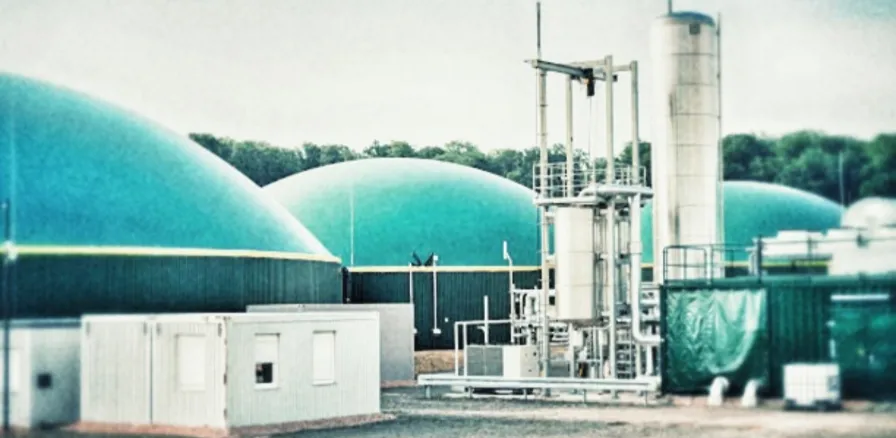
Biogas plant with large storage domes

Biogas to Methanol in India: Prospects and Barriers

Biogas to Methanol in India: A Pathway to a Sustainable and Self Reliant Future

India, with its ambitious goals for a “Methanol Economy” and a commitment to a net-zero future, is at a crossroads. The country’s growing energy demand, along with its large agricultural waste and organic residue, creates a unique chance to turn biogas into a clean, versatile fuel, methanol. However, this change comes with challenges. Although the future looks promising, we need to tackle important social, environmental, and financial obstacles to realize the full potential of this technology. This approach offers a way to transform abundant biogas resources into methanol, a versatile fuel and chemical feedstock, while reducing reliance on fossil fuels and lowering greenhouse gas emissions.

The Promising Prospect: Why Biogas to Methanol?

Methanol is a strategic energy product with multiple applications. It can be used as a clean-burning fuel for transportation (blended with petrol and diesel), a domestic cooking fuel, and a feedstock for various chemicals. Producing methanol from biogas, a product of anaerobic digestion of organic waste, offers a compelling solution to several of India’s pressing problems.  India generates large amounts of agricultural, municipal, and industrial waste, which can be converted to biogas. Using this biogas for methanol production supports waste valorization and a circular economy, turning waste into valuable products Gautam, P., , N., Upadhyay, S., & Dubey, S. (2020). 

First, it offers a way to achieve energy independence. India’s dependence on imported crude oil and natural gas creates a big economic burden. By producing methanol locally from plentiful biomass and organic waste, the country can greatly cut its import costs, which is a main goal of the NITI Aayog’s “Methanol Economy” program.

Second, it tackles the twin problems of waste management and air pollution. India produces millions of tons of agricultural waste and municipal solid waste each year. Much of this is poorly managed, resulting in landfill fires, methane emissions, and stubble burning. These issues lead to serious air pollution, especially in northern India.
Biogas-to-methanol can be economically viable, especially with policy support or carbon tax (Scomazzon, M., Barbera, E., & Bezzo, F. (2024).

Biogas-to-methanol plants can convert this waste into a valuable resource, creating a circular economy. The process also generates high-quality organic manure (digestate), which can replace chemical fertilizers, thereby improving soil health.

Third, it plays a major role in fighting climate change. Methane, the main part of biogas, is a powerful greenhouse gas that has a much greater effect than carbon dioxide over a short period. By capturing and turning biogas into methanol, we stop these emissions from getting into the atmosphere. The methanol we produce is a low-carbon fuel that can replace fossil fuels, which helps cut down greenhouse gas emissions even more.

The Roadblocks: Barriers to Implementation

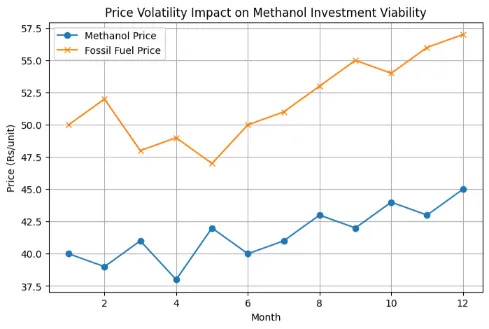
Methanol and fossil fuel price comparison

Despite these clear benefits, several hurdles stand in the way of widespread adoption of biogas-to-methanol technology in India. Policy, technology maturity, and supply chain issues remain challenges in India (Deng et al., 2024).

1. Financial and Economic Barriers

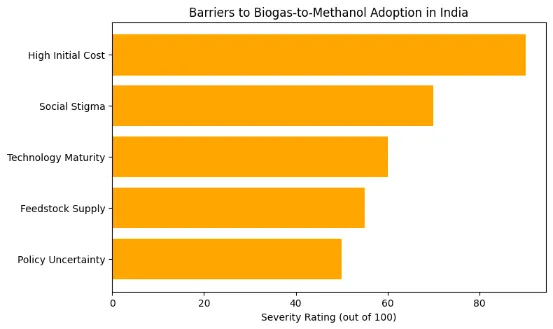
The high initial cost of setting up a biogas-to-methanol plant is probably the biggest challenge. A typical biogas plant already requires a significant investment for small operations. The extra equipment needed for gas upgrading and methanol production increases the costs even more. Lack of financing mechanisms and high upfront costs make it difficult for investors to fund large-scale biogas-to-methanol plants. This is a primary barrier identified by experts across sectors. Long payback periods and limited access to credit discourage private sector participation, especially for small and medium enterprises (Irfan et al., 2022). This makes it hard for project developers, especially smaller ones, to get financing.

Furthermore, the economic viability is heavily dependent on several factors that are often unpredictable. The cost and consistent supply of feedstock (agricultural waste, municipal solid waste, etc.) can be highly volatile. The price of methanol in the market, which is influenced by global fossil fuel prices, can also fluctuate, making it challenging to guarantee a stable return on investment.Targeted subsidies and feed-in tariffs for biogas and methanol production can make projects financially viable, especially for larger plants .

Investment support covering a high percentage of capital costs (up to 90–100%) is necessary for profitability in large-scale projects .

Innovative financing models and public-private partnerships can help mobilize capital and reduce risk  The current low import price of methanol in India also creates a disincentive for local production (Singh, Kalamdhad, & Singh, 2024).

Solutions and Prospects:

  • Policy Support and Subsidies: The government can help by providing capital subsidies and low-interest loans for project developers. This would lower the initial financial burden and draw in private investment.
  • Offtake Guarantees: Implementing a fixed-price offtake mechanism, similar to the SATAT (Sustainable Alternative Towards Affordable Transportation) initiative for compressed biogas (CBG), would provide financial security to project developers and de-risk investments.
  • Creating a Market for By-products: Establishing a robust market for the organic digestate (bio-fertilizer) would create a second revenue stream, improving the overall project economics.
  • Scalability and Decentralization: Comprehensive resource mapping and standardized procedures can reduce uncertainty and attract investment. Developing modular and scalable technologies can allow for smaller, decentralized plants that are more manageable and can cater to local waste streams, reducing transportation costs.Consistent policy frameworks and streamlined regulatory processes are needed to lower barriers and encourage private sector involvement.
Barriers to biogas adoption in India

2. Social and Cultural Barriers

The social and cultural context in India presents its own set of challenges. One of the primary barriers is the perception and acceptance of using certain types of waste, particularly animal and human waste, as feedstock for energy production. While anaerobic digestion is a well-established and hygienic process, social stigmas and a lack of awareness can hinder community acceptance and feedstock collection.

Additionally, the transition from traditional cooking fuels like firewood and LPG to methanol-based stoves requires behavioral change. In rural areas, where biogas could be a game-changer, the free availability of firewood often makes the financial investment in a biogas system seem unappealing to households, even with subsidies. The lack of awareness about the environmental and health benefits of clean cooking fuels is also a major impediment.

Solutions and Prospects:

  • Public Awareness Campaigns: Educating the public about the scientific process of anaerobic digestion, the hygienic nature of the technology, and the benefits of the resulting bio-fertilizer is critical. Highlighting the health benefits of using clean cooking fuel is also vital.
  • Community Engagement: Involving local communities in the planning and operation of biogas-to-methanol plants can foster a sense of ownership and build trust. This can be facilitated through community-level cooperatives.
  • Incentivizing Clean Cooking: Government programs that offer subsidized methanol cookstoves and a reliable supply of methanol canisters can encourage households to switch from traditional fuels.

3. Environmental and Technical Barriers

While the overall environmental impact of biogas-to-methanol is positive, there are specific challenges that need to be addressed. The process itself can be energy-intensive, and the source of the energy used is a key factor in determining the overall carbon footprint. For example, if the plant relies on fossil fuels for its own power needs, the environmental benefits are diminished. The management of the carbon dioxide (CO₂) separated from the biogas, a significant by-product, is also a critical issue. If vented, it reduces the overall environmental advantage.

Technologically, while the core processes of biogas reforming and methanol synthesis are well-established, their integration on a commercial scale, especially with a focus on efficiency and cost-effectiveness, is an ongoing area of research and development. Issues like the presence of impurities in biogas (such as hydrogen sulfide) can poison catalysts and reduce the efficiency and lifespan of the plant.

Solutions and Prospects:

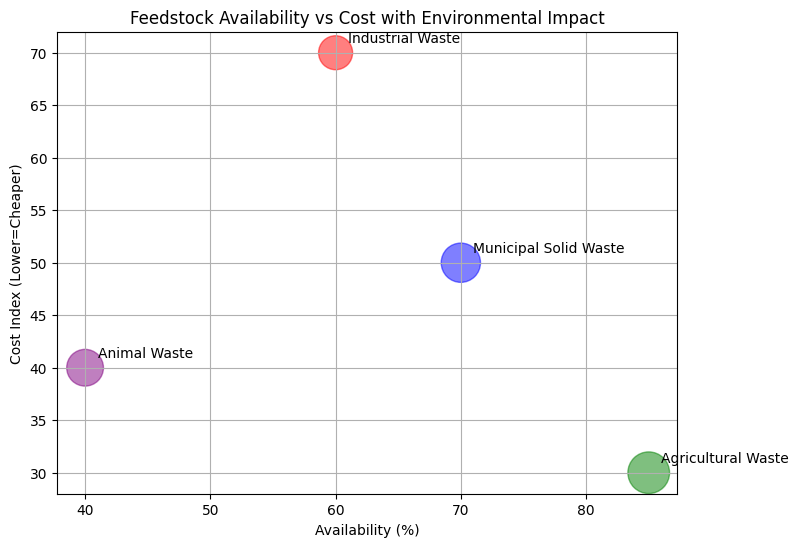
Graph comparing waste types and costs
  • Integration with Renewable Energy: Powering biogas-to-methanol plants with renewable energy sources like solar or wind power would maximize their environmental benefits, ensuring a truly green process.
  • Carbon Capture and Utilization (CCU): Integrating carbon capture technologies to utilize the separated CO₂ for methanol synthesis or other industrial applications (e.g., urea production) is a key solution. This not only enhances the methanol yield but also makes the process more carbon-neutral.
  • Indigenous Technology Development: Investing in research and development to create robust, efficient, and cost-effective indigenous technologies for biogas upgrading and methanol synthesis is crucial. The work being done by institutions like BHEL and IIT Delhi in this area shows promise.
  • Operational Training: Providing technical training to local personnel for the operation and maintenance of the plants will ensure their long-term viability and reduce reliance on external expertise.

Calculating the Benefits: Financial and Environmental Impact

The financial and environmental benefits of a successful biogas-to-methanol ecosystem in India are substantial and multifaceted.

Financial Benefits

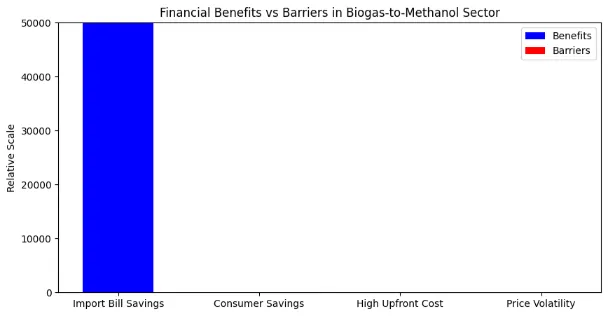
  • Reduced Import Bill: NITI Aayog estimates that the “Methanol Economy” can reduce India’s oil import bill by approximately Rs 50,000 crore annually. A significant portion of this saving can be attributed to indigenous methanol production from biomass .
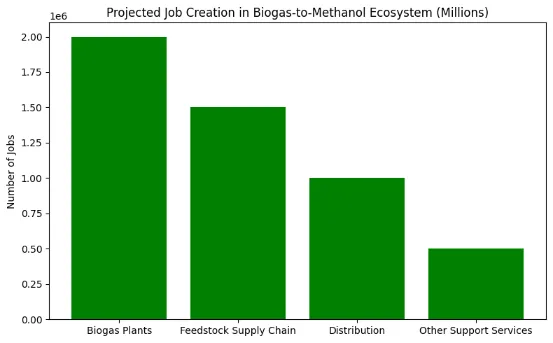
  • Job Creation: The establishment of biogas-to-methanol plants, along with the supporting supply chain for feedstock and distribution, can create millions of jobs, particularly in rural and semi-urban areas. NITI Aayog’s roadmap projects the creation of around 5 million jobs.
  • Rural Economic Development: The ability to sell agricultural residue as feedstock provides a new source of income for farmers, discouraging the practice of stubble burning and empowering rural economies.
  • Savings for Consumers: The use of methanol as a cooking fuel can result in significant savings for households, potentially lowering fuel costs by 20% compared to traditional LPG Ali, S., Yan, Q., Razzaq, A., Khan, I., & Irfan, M. (2022).
Bar chart of job creation projections

Environmental Benefits

Biogas-to-methanol development in India faces several environmental and technical barriers that limit its large-scale adoption. Addressing these challenges is essential for realizing the full potential of biogas as a sustainable methanol feedstock.

Bar graph comparing financial benefits and barriers
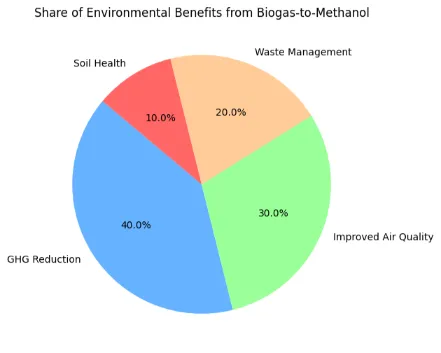
  • Greenhouse Gas Reduction: By preventing methane emissions from waste and replacing fossil fuels, biogas-to-methanol can be a major tool for climate change mitigation. The use of a 15% methanol blend (M15) in gasoline, for example, is estimated to reduce GHG emissions by up to 20%.
  • Improved Air Quality: The elimination of stubble burning and the use of clean-burning methanol fuel in vehicles and cookstoves will significantly reduce particulate matter, SOx, and NOx emissions, leading to a dramatic improvement in urban and rural air quality.
  • Waste Management: The widespread use of anaerobic digestion provides a sustainable and circular solution for managing organic waste, reducing the burden on landfills and improving sanitation.
  • Soil Health: The organic digestate produced as a by-product is a high-quality bio-fertilizer that can improve soil structure and fertility, reducing the need for chemical fertilizers, which have their own significant environmental footprint.
Pie chart of environmental benefits

Conclusion

The path from biogas to methanol in India looks promising. It offers a strong mix of economic, social, and environmental benefits. While there are challenges, such as high initial costs, social acceptance, and technology adoption, these challenges can be overcome. With focused policy support, public awareness efforts, and smart investment in local research and development, India can create a strong and decentralized biogas-to-methanol system. This will help the country reach its goals of energy independence and establishing a “Methanol Economy.” It will also foster a greener, cleaner, and more self-sufficient future for its people. The shift isn’t just about a new fuel; it involves creating a sustainable approach to waste management, energy security, and caring for the environment.

Citations

Bio-methanol as a renewable fuel from waste biomass: Current trends and future perspective. Fuel, 273, 117783. https://doi.org/10.1016/j.fuel.2020.117783.

Alternative sustainable routes to methanol production: Techno-economic and environmental assessment. Journal of Environmental Chemical Engineeringhttps://doi.org/10.1016/j.jece.2024.112674.

Biogas to chemicals: a review of the state-of-the-art conversion processes. Biomass Conversion and Biorefineryhttps://doi.org/10.1007/s13399-024-06343-1.

 Prioritizing and overcoming biomass energy barriers: Application of AHP and G-TOPSIS approaches. Technological Forecasting and Social Changehttps://doi.org/10.1016/j.techfore.2022.121524.

Unravelling barriers associated with dissemination of large-scale biogas plant with analytical hierarchical process and fuzzy analytical hierarchical process approach: Case study of India.. Bioresource technology, 131543 . https://doi.org/10.1016/j.biortech.2024.131543.

Modeling factors of biogas technology adoption: a roadmap towards environmental sustainability and green revolution. Environmental Science and Pollution Research International, 30, 11838 – 11860. https://doi.org/10.1007/s11356-022-22894-0.

Internal Link Card

Rice Straw to Methanol in India

Explore the potential of converting rice straw, a major agricultural waste, into methanol. This article examines the feasibility, emissions, and how this can boost India’s biofuel industry.

Read the Full Article

Biogas to Methanol in India: Prospects and Barriers Read More »

Aerial view of a container ship sailing through clear blue water, leaving a white wake, with overlaid text that reads “Methanol’s Role in a Cleaner Shipping Industry.”

Methanol Role in a Cleaner Shipping Industry

Methanol Role in a Cleaner Shipping Industry

Methanol is emerging as a promising alternative fuel for the shipping industry, offering a pathway to reduce emissions and meet environmental regulations. Here’s a breakdown of methanol’s role in creating a cleaner shipping industry:
Methanol as a Viable Marine Fuel:
Methanol is a liquid fuel that is easy to handle and combust, making it a practical alternative to traditional marine fuels.
Methanol’s versatility enables its use in internal combustion engines (ICE) and fuel cells.
Methanol’s advantages over other alternative fuels like ammonia and hydrogen include easier handling and combustion in marine applications.
Methanol’s production flexibility allows for various sources including natural gas, coal, and renewable sources like biomass and CO2.
Methanol is gaining traction as a viable marine fuel due to its ease of handling and combustion, compatibility with both internal combustion engines (ICE) and fuel cells, and diverse production sources. As a liquid at ambient temperatures, methanol is simpler to store and transport compared to gaseous fuels, allowing it to utilize existing shipping infrastructure with minimal modifications. Methanol can be employed in modified diesel engines or dual-fuel systems, offering energy efficiency comparable to traditional marine fuels. Additionally, methanol serves as an efficient hydrogen carrier for fuel cells in marine applications, either directly or through reforming processes. Methanol’s advantages over alternative marine fuels like ammonia and hydrogen include lower complexity in handling and storage. Furthermore, methanol can be produced from various sources, including fossil fuels and renewable materials like biomass and CO2, contributing to shipping industry sustainability. Overall, methanol’s versatility and potential for reduced emissions position it as a strong candidate for widespread adoption in marine applications.


Shipping Industry Benefits of Methanol:


Methanol is transforming the shipping industry, offering significant environmental and practical benefits. Environmentally, methanol can reduce greenhouse gas emissions by 65% to 95% when produced from renewable sources like biomass or CO2, and it eliminates sulfur oxide emissions while lowering nitrogen oxides and particulate matter outputs. Methanol’s potential for carbon neutrality in shipping is exemplified by e-methanol, which can offset combustion emissions through captured CO2. Practically, methanol’s role in shipping includes easier handling and storage due to its liquid state at ambient temperatures, allowing for compatibility with existing marine fuel infrastructure. Methanol can be used in various marine engine types, including dual-fuel and modified diesel engines, and in fuel cells without requiring reforming. The retrofitting of existing ships for methanol use is cost-effective compared to LNG conversions, and methanol’s widespread availability as a commodity enhances its economic viability in shipping. While challenges remain regarding the cost of renewable methanol production and scaling up, methanol’s versatility, safety, and readiness for marine applications position it as a leading contender in the effort to decarbonize the shipping industry.
Reduced Emissions: Methanol combustion in marine engines results in lower emissions of SOx, NOx, and particulate matter. Methanol contains no sulfur, thus eliminating SOx emissions, which contribute to acid rain.
Greenhouse Gas Reduction: When produced from renewable sources (e-methanol or bio-methanol), methanol can significantly reduce greenhouse gas emissions in shipping compared to fossil fuels.
E-methanol is produced using renewable energy and a sustainable CO2 source.
Bio-methanol is produced from biomass for marine applications.
Biodegradability: Methanol is biodegradable and does not accumulate in the marine environment, minimizing harm from shipping-related spills..

3. Methanol in Shipping Applications Emissions and Energy Densities:

Fuel TypeEnergy Density (MWh/kgEnergy Density (MWh/m³)Greenhouse Gas EmissionsAir Pollutant Emissions
Methanol0.0221.2Low when produced renewably (65%-95% reduction)Low; eliminates SOx, reduces NOx and particulate matter
Hydrogen0.033
0.003 (gas at 1 bar) / 2.2-2.8 (liquid)
Zero when used in fuel cells; some NOx emissions when combustedPotential NOx emissions due to combustion
Ammonia0.0181.3Zero when used in fuel cells; some emissions from combustionHigh NOx emissions; potential SOx emissions
Emissions and Fuel Densities

Hydrogen has the highest gravimetric energy density but low volumetric density in gaseous form, while methanol and ammonia offer better volumetric energy densities for shipping. Methanol can significantly reduce GHG emissions when produced renewably and emits minimal pollutants, whereas hydrogen produces zero emissions in fuel cells. However, ammonia, despite its energy potential, can cause high NOx emissions.

  • Dual-Fuel Engines: Methanol can be used in dual-fuel engines, allowing ships to switch between methanol and other fuels. This provides flexibility for ship operators.
  • Retrofitting: Ships can be retrofitted to use methanol at a moderate cost compared to other alternatives such as LNG.
  • Methanol Fuel Cells: Methanol can be used in fuel cells for auxiliary power generation, offering benefits compared to traditional diesel generators.
    • The METHAPU project successfully tested a methanol-powered fuel cell on a cargo ship.
  • Current Use: Several shipping companies have already ordered or are using methanol-fueled vessels.

4. Infrastructure and Logistics:

Methanol is a widely available commodity, and existing infrastructure for storage and distribution can be adapted for use as a marine fuel.

Methanol offers key advantages for maritime transport due to its compatibility with existing infrastructure and ease of implementation. It can be handled using current petroleum systems with minimal modifications and does not require complex storage like LNG or hydrogen. With over 100 ports globally supporting methanol bunkering and a mature distribution network, it is a practical, cost-effective marine fuel. Familiar technology, lower engine conversion costs, and established safety protocols make methanol an attractive option for the shipping industry’s transition to alternative fuels without major infrastructure changes.

Storage and Handling: Methanol can be stored in tanks similar to those used for petroleum products.

Bunkering: Methanol bunkering can use similar practices as other marine fuels.

Global Supply: Methanol is shipped in large quantities globally, and the development of marine engines to use it is increasing.

5. Challenges and Considerations:

Cost: E-methanol is currently more expensive than fossil fuels, though costs are expected to decrease over time.

The price of methanol is dependent on the cost of renewable energy and the upscaling of production facilities.

Production: The production of e-methanol requires scaling up green hydrogen production and direct air capture (DAC) technologies.

Toxicity: Methanol is toxic, especially if ingested orally, but it disperses quickly in the environment and safety guidelines are in place.

Competition: Methanol must compete with other alternative fuels like LNG, ammonia, and hydrogen.

Flow Diagram of the Methanol Adoption Challenges

Marine methanol presents several challenges and considerations for its adoption as a shipping fuel in the maritime industry. Marine methanol production costs are a significant barrier, as renewable methanol for shipping is currently more expensive than fossil fuel-derived methanol, requiring scaling up of green hydrogen production and direct air capture technologies. The availability of renewable methanol for maritime use is limited, necessitating substantial investment to increase marine methanol production capacity and ensure a low carbon footprint in shipping. Additionally, methanol as a marine fuel has a lower energy density compared to conventional marine fuels, which may require larger fuel tanks on ships, though the increase in size may not be as drastic as expected. There are also marine methanol toxicity concerns, as methanol is harmful to humans if ingested, necessitating strict maritime safety measures during handling. While methanol can utilize existing shipping infrastructure, further marine methanol infrastructure development may be needed to meet demand for storage and methanol bunkering facilities. The technological readiness level for using methanol in marine internal combustion engines is mature, but some technologies like maritime methanol fuel cells are still under development. Furthermore, greenhouse gas emissions from fossil fuel-derived methanol in shipping can negate its benefits, making it crucial to avoid reliance on grey methanol for maritime applications. Competition for renewable methanol resources from other industries and maritime regulatory uncertainty regarding its use further complicate its adoption in shipping. Addressing these marine methanol challenges will be essential for methanol to play a significant role in achieving climate goals for the shipping industry.


6. Policy and Market Drivers:

Policy and  Market  Drivers

Environmental Regulations: Stricter emission regulations are driving the adoption of alternative fuels like methanol.

The International Maritime Organization (IMO) is developing rules for the use of methanol as a fuel.

The EU’s FuelEU Maritime initiative promotes the use of renewable fuels.

Incentives: Policy incentives such as carbon pricing and subsidies can encourage the production and use of renewable methanol.

Market Demand: Increasing demand for cleaner fuels from both consumers and companies is also a driver of change.

Conclusion:

Flow Diagram of Methanol as Marine fuels

Methanol, especially when produced from renewable sources, has strong potential to contribute to a cleaner shipping industry. Its advantages in terms of handling, emissions, and infrastructure, combined with ongoing technological advancements and supportive policies, position it as a significant player in the maritime fuel transition. However, challenges remain in terms of cost, scaling up production, and competition from other alternative fuels, and these need to be addressed to realize its full potential.

ALSO checkout ; METHANOL ECONOMY

Methanol Role in a Cleaner Shipping Industry Read More »

Close-up of bright yellow liquid with round bubbles of various sizes, overlaid with the text “Bio-methanol: Fueling a Sustainable Future.”

Bio-methanol: Fueling a Sustainable Future

Bio-methanol Fueling a Sustainable Future


Methanol, commonly known as wood alcohol, is a simple chemical compound with a wide range of applications, from industrial production to fuel. Bio-methanol is a renewable version of methanol, produced from sustainable sources such as:

Biomass (e.g., agricultural and forestry residues)
Municipal solid waste
Carbon dioxide (CO₂) captured from industrial emissions
Unlike traditional methanol, which is derived from natural gas, bio-methanol has a significantly lower carbon footprint, making it an environmentally friendly alternative.

Understanding Bio-methanol Production

Bio-methanol differs fundamentally from conventional methanol through its production process. While traditional methanol typically derives from fossil fuels, bio-methanol is produced from renewable biomass sources, including agricultural waste, forestry residues, and municipal solid waste.

Feedstocks:

Biomass: Bio-methanol can be produced from a wide array of biomass sources including virgin or residual agricultural and industrial materials such as glycerol. Sources include forestry residues, wood chips, leaves, and branches.

Waste: Municipal solid waste, landfill biogas and waste glycerol from biodiesel production can be used. Other waste sources include wastewater and black liquor.

Carbon Dioxide (CO2): Bio-methanol can be synthesized using CO2 captured from industrial sources or the atmosphere, along with hydrogen from renewable electricity.

Production Processes:

Thermochemical Conversion: This route involves gasification of biomass to produce syngas (a mixture of CO and H2) which is then converted into bio-methanol.

The gasification process is similar to that used for coal, while the steam reforming process for biogas is similar to that of natural gas.The syngas may need purification and hydrogen enrichment before being converted to methanol. Hydrogen for this enrichment can come from the syngas itself or from external sources like electrolytic hydrogen.After the syngas is conditioned, it is converted into methanol using copper and zinc oxide or zinc oxides and chromium based catalysts.

Biochemical Conversion: This method is analogous to ethanol production and uses microorganisms to ferment methane into methanol.

Electrolytic Hydrogenation: CO2 can be converted to methanol using hydrogen produced from water electrolysis powered by renewable electricity.

This process can use high temperature thermochemical splitting of CO2, possibly associated with splitting of H2O, using solar reactors or photochemically.

Hybrid Methods: Combine biogenic syngas with hydrogen from electrolysis

These production methods creates a circular economy approach, where waste materials become valuable energy resources.

Adoption of Bio-Methanol

Bonefish Diagram of the Bio-Methanol Production
Bonefish Diagram of the Bio-Methanol Adoption

.Methanol adoption can be implemented across multiple sectors, with particularly strong potential in transportation and industry. In the transportation sector, methanol can be integrated through several approaches: it can be used in internal combustion engines either as a pure fuel or as a blend component, leveraging its high heat of vaporization and knock-resistance properties for improved engine efficiency. The marine sector represents a significant adoption opportunity, where methanol is proving to be a safer alternative to traditional marine fuels like LNG.

The industrial adoption pathway is equally promising, as methanol serves as a versatile chemical feedstock. Its current production of approximately 20 million tons annually for fuel or fuel blend components demonstrates existing market acceptance. China’s successful widespread adoption of methanol for passenger cars and trucks serves as a practical model for implementation.

Environmental Advantages

The environmental benefits of bio-methanol extend across multiple dimensions. First, its production process significantly reduces greenhouse gas emissions compared to conventional fossil fuels. Studies indicate that bio-methanol can achieve up to 95% reduction in carbon dioxide emissions when compared to traditional gasoline, depending on the feedstock and production method employed.

Reduced Greenhouse Gas Emissions:

  • Renewable methanol can lower carbon emissions by 65–95%, depending on the feedstock and process.
  • Bio-methanol from woody biomass emits just 0.2 kg CO₂/kg, far less than natural gas (1.6 kg CO₂/kg) or coal (3.8 kg CO₂/kg).
  • Electro-methanol using renewable electricity can achieve near-zero net carbon emissions.

Improved Air Quality:

  • Methanol combustion emits no sulfur oxides (SOx), low nitrogen oxides (NOx), and negligible particulate matter.
  • Biomethanol reduces nitrogen oxide emissions by 80% and eliminates SOx emissions.

Sustainable Resource Use:

  • Renewable methanol can be made from diverse feedstocks like municipal waste, agricultural residues, and captured CO₂.
  • Production from waste materials like glycerol or black liquor helps reduce landfill pressures.

Additional Environmental Benefits:

  • Methanol is biodegradable, making spills less harmful.
  • It serves as an efficient hydrogen carrier, enabling large-scale renewable energy storage and use in “Power-to-X” systems.
  • Methanol can replace fossil-based petrochemical feedstocks, supporting carbon neutrality in industry.

Furthermore, bio-methanol demonstrates exceptional versatility in its applications. It can serve as a direct replacement for fossil fuels in various sectors, including transportation, power generation, and chemical manufacturing. This adaptability makes it an attractive option for industries seeking to reduce their environmental impact while maintaining operational efficiency.

Economic Implications and Market Growth

The production cost for biomethanol can be 1.5 to 4 times higher than traditional natural gas-sourced methanol. The bio-methanol market has witnessed substantial growth in recent years, driven by increasing environmental regulations and growing awareness of sustainable practices. Methanol production costs can vary widely, with some processes showing costs of 546.583 USD/tonne, while others can be as low as 89.2115 USD/tonne. Major industries have begun incorporating bio-methanol into their operations, recognizing both its environmental benefits and economic potential.

Untitled (47)

Investment in bio-methanol infrastructure has created new employment opportunities and stimulated economic growth in rural areas where biomass feedstock is abundant. This development has fostered a new economic ecosystem that benefits both local communities and larger industrial operations.

Methanol production is concentrated in regions like China, the Middle East, Russia, and South America, while countries like Italy focus on marketing due to limited production facilities. Rising demand has driven methanol imports, with prices fluctuating due to factors like plant shutdowns, growing economies, and the availability of inexpensive shale gas, which has revitalized the industry in North America. Asia remains a key player in both production and demand, with natural gas prices being a critical factor influencing plant locations.

Challenges and Future Prospects

Despite its numerous advantages, the widespread adoption of bio-methanol faces certain challenges. Current production costs remain higher than conventional methanol, though this gap continues to narrow as technology advances and economies of scale improve. Additionally, expanding the infrastructure necessary for bio-methanol distribution requires significant investment.

Methanol faces several challenges but holds immense promise for a sustainable future. High production costs, especially for bio-methanol, and the need for significant investment in infrastructure have slowed its commercial adoption. Issues like low energy density, limited lubricity, and the complexity of storing and transporting hydrogen for methanol production add to the difficulties. However, methanol’s potential as a clean and versatile fuel is undeniable. It can be produced from a wide range of sources, including waste materials and recycled CO₂, making it an attractive option for reducing greenhouse gas emissions. As a fuel, methanol is gaining traction in transportation, marine applications, and power generation, while its role as a hydrogen carrier and feedstock for synthetic materials further highlights its versatility. With increasing global emphasis on reducing reliance on fossil fuels and supportive government policies, methanol is poised to play a key role in the transition to a low-carbon economy, bridging the gap between current energy systems and a more sustainable future.

However, ongoing technological innovations and supportive policy frameworks are addressing these challenges. Research institutions and private companies are developing more efficient production methods, while governments worldwide are implementing incentives to encourage bio-methanol adoption.

Looking Forward

As we progress toward a more sustainable future, bio-methanol stands out as a crucial component of our renewable energy portfolio. Its potential to reduce greenhouse gas emissions, coupled with its versatility and economic benefits, positions it as a vital element in our transition to a more sustainable energy landscape.

BAR CHART OF FUELS COMPARISON

The continued development of bio-methanol technology and infrastructure will play an essential role in achieving global climate goals. As production efficiency improves and costs decrease, we can expect to see increased adoption across various industries, contributing significantly to our environmental preservation efforts.

Conclusion

Bio-methanol represents more than just an alternative fuel source; it embodies a sustainable approach to meeting our energy needs while protecting the environment. As we continue to face environmental challenges, the importance of renewable fuel sources like bio-methanol becomes increasingly apparent. Through continued investment, research, and development, bio-methanol will undoubtedly play a crucial role in shaping a more sustainable and environmentally conscious future.

Exploring Regional Biomass Supply Hubs: Business Potential and Funding Mechanisms

Bio-methanol: Fueling a Sustainable Future Read More »

Hand holding cork-stoppered glass flask containing clear liquid methanol with blurred bottle in background and text "Top 10 Tips to Avoid Methanol Poisoning"

Top 10 Tips to Avoid the Methanol Poisoning

Understanding the Deadly Dangers of Methanol Poisoning

Methanol poisoning is a silent and potentially fatal threat that lurks in various everyday settings. Often overlooked, this toxic substance can cause devastating health consequences, including blindness and death. In this comprehensive guide, we’ll explore the critical information you need to know about methanol, its dangers, and how to protect yourself and your loved ones from its deadly effects.

Methanol and ethanol are both alcohols, but they have critically different properties and effects on human health. While ethanol is the type of alcohol found in alcoholic beverages, methanol is an extremely toxic substance that can cause severe health complications, including blindness and death.

What is Methanol?

Methanol, also known as wood alcohol or methyl alcohol, is a highly toxic chemical compound that can be found in surprising places. Unlike its cousin ethanol (drinking alcohol), methanol is extremely dangerous and should never be consumed. It’s a colorless, volatile liquid with a slightly sweet odor that can be found in various industrial and household products. The risks associated with methanol are particularly pronounced in cases of accidental ingestion or misuse of products containing methanol, such as poorly regulated hand sanitizers and illicit alcoholic beverages.

The Devastating Impact of Methanol Poisoning

Immediate and Long-Term Health Risks

Methanol poisoning can lead to a range of catastrophic health effects:

Blindness: One of the most tragic consequences of methanol poisoning is complete and irreversible vision loss.

Neurological Damage: Severe brain damage can occur, leading to long-term cognitive impairments.

Organ Failure: Methanol can cause critical damage to the liver, kidneys, and other vital organs.

Fatal Outcome: In many cases, methanol poisoning can result in death if not treated immediately.

 Flow Diagram of Methanol poisoning

Top 10 Tips to Avoid Methanol Poisoning

1. Purchase Alcohol from Reputable Sources

Knowledge is your first line of defense. Methanol can be found in:

– Windshield washer fluid

– Antifreeze

– Certain industrial solvents

– Some homemade alcoholic beverages

– Paint removers

– Fuel additives

– Some chemical cleaning products

Additionally, it poses a significant risk in some homemade or improperly distilled alcoholic beverages, often resulting from contamination or illegal production. Purchasing alcohol from reputable sources and understanding the presence of methanol in everyday products are crucial steps to avoid accidental poisoning. Always buy alcoholic beverages from licensed bars, reputable hotels, or well-known shops. Avoid street vendors and informal stalls where quality cannot be guaranteed.

Pro Tip: Always read labels carefully and assume any unknown liquid could be toxic.

2. Avoid Homemade Alcohol

Steer clear of local spirits or homemade brews, as they often contain methanol. These drinks may seem adventurous but carry significant health risks. Illegally produced or improperly distilled alcoholic beverages are the most common source of methanol poisoning. Bootleg liquor, particularly in regions with poor alcohol regulation, can be extremely dangerous.

Critical Warning: Homemade spirits can contain fatal levels of methanol, often introduced during improper distillation processes.

3. Inspect Bottles Carefully

Check that the seals on bottles are intact and that labels are free from spelling errors or poor printing. This can indicate whether the product is legitimate.

4. Be Cautious with Cocktails

When enjoying cocktails, especially in unfamiliar locations or tourist hotspots, exercise caution to avoid potential health risks associated with adulterated beverages. Opt for sealed or bottled drinks over pre-mixed cocktails or “bucket drinks,” which are often served in large batches and may contain harmful substances like methanol or other adulterants. These risks are higher in unregulated establishments or informal settings where quality control may be lacking. By choosing reputable venues and sticking to recognizable, commercially bottled beverages, you significantly reduce the risk of consuming contaminated alcohol and ensure a safer drinking experience. Opt for sealed or bottled drinks instead of pre-mixed cocktails or “bucket drinks,” which are common in tourist areas and may contain harmful substances

5. Watch Your Drink

Never leave your drink unattended, as it could be tampered with. If it smells or tastes odd, do not consume it. Individuals may be at increased risk when engaging in activities involving the handling or use of these substances without proper safety precautions. Humans are naturally exposed to low levels of methanol through diet and metabolism, with typical blood levels around 0.73 mg/L. However, the risk increases with poorly regulated products like hand sanitizers containing methanol, which can be hazardous if ingested or misused. Industrial use of methanol in fuels and chemical production also contributes to environmental exposure. Consumers should carefully select products, especially in health and wellness applications, to minimize risks.

Know the Symptoms of Methanol Poisoning:

– Headache

– Dizziness

– Nausea and vomiting

– Blurred vision

– Confusion

– Difficulty breathing

– Seizures

Urgent Action: If you suspect methanol poisoning, seek medical attention IMMEDIATELY. Time is critical in preventing permanent damage. Activated charcoal may provide temporary mitigation, methanol poisoning requires urgent medical treatment, including antidotes like fomepizole or ethanol, and supportive care such as hemodialysis. Emergency use of charcoal should only be considered as a short-term measure while awaiting medical help

6. Be Wary of Unusually Low Prices

When it comes to alcohol, unusually low prices can be a red flag, especially for spirits and mixed drinks in tourist areas or unregulated markets. Methanol-laced beverages are often sold at significantly reduced costs compared to genuine imported spirits, as unscrupulous sellers aim to maximize profits by cutting corners.

7. Educate Your Family and Community

Understand the regulations regarding alcohol production in the area you are visiting. This knowledge can help you make safer choices. Spread awareness about the dangers of methanol:

– Teach children about chemical safety

– Explain the risks of consuming unknown liquids

– Share information about methanol poisoning with your community

– Advocate for proper chemical labeling and safety regulations

8. Properly Dispose of Chemical Waste

Proper disposal of chemical waste is crucial for protecting the environment and public health. Incorrect disposal methods can lead to serious environmental contamination and health hazards. To ensure safe handling of chemical waste, it is essential to follow local guidelines and regulations for disposal. Under no circumstances should chemicals be poured down drains or onto the ground, as this can contaminate water sources and soil. Instead, utilize designated chemical disposal facilities that are equipped to handle hazardous materials safely. Many communities offer special collection events or drop-off locations for household chemicals and other hazardous waste. By actively participating in these programs and following proper disposal protocols, individuals and organizations can significantly reduce the risks associated with chemical waste and contribute to a cleaner, safer environment.

Incorrect disposal can lead to environmental and health risks:

– Follow local guidelines for chemical disposal

– Never pour chemicals down drains or on the ground

– Use designated chemical disposal facilities

– Participate in community chemical collection events

9. Report Suspicious Products

If you encounter drinks that seem suspicious or if someone shows signs of poisoning, report it to local authorities to help prevent further incidents.

10. Know the Emergency Response

In case of potential methanol exposure: If you suspect methanol poisoning, seek medical assistance right away. Treatment is most effective when administered promptly.

– Call emergency services immediately

– Do not induce vomiting

– If possible, identify the substance

– Keep the person calm and warm

– Provide medical professionals with as much information as possible

Conclusion

Methanol poisoning is a preventable yet serious health risk that can arise from consuming contaminated alcoholic beverages. By adhering to the ten tips outlined above—such as purchasing alcohol from reputable sources, avoiding homemade spirits, and being vigilant about the signs of poisoning—you can protect yourself and others from the dangers associated with methanol. Awareness and education are key in making informed choices when it comes to alcohol consumption. Always prioritize safety, and don’t hesitate to seek medical help if you suspect poisoning. Enjoy your experiences responsibly, ensuring that they remain safe and enjoyable.

Sources and References:

https://www.covermore.com.au/blog/medical-tips/avoiding-methanol-poisoning

https://methanolpoisoning.msf.org/en/for-health-professionals

https://www.cdc.gov/niosh/ershdb/emergencyresponsecard_29750029.html

https://pubmed.ncbi.nlm.nih.gov/8389447

https://www.mountsinai.org/health-library/poison/methanol-poisoning

 HYDROGEN FUELS REVOLUTIONISING FUTURE

Read more about China’s low-cost, high-gain biomethanol model in our detailed article: Fueling Profits: The Chinese Model for Biomethanol.

Top 10 Tips to Avoid the Methanol Poisoning Read More »