renewable energy

Rolled bundles of colorful banknotes against a black background with the headline text “Why Major Investors Are Quietly Pouring Billions Into Biomethanol,” symbolizing massive financial investment in low‑carbon fuels.

Why Major Investors Are Quietly Pouring Billions Into Biomethanol

Why Major Investors Are Quietly Pouring Billions Into Biomethanol

There are several pathways to produce biomethanol, including:

  • Gasification of Biomass: Organic matter is heated in a low-oxygen environment to produce synthesis gas (syngas), which is then converted into methanol.
  • Anaerobic Digestion: Organic waste is broken down by microorganisms to produce biogas, which can be reformed into methanol.
  • Power-to-Methanol: Renewable electricity is used to split water into hydrogen, which is then combined with captured CO2 to synthesize methanol.

Each method has its own advantages, but all share the goal of turning waste or renewable resources into a high-value, low-carbon fuel.

Why Biomethanol? The Unique Advantages

Biomethanol stands out among alternative fuels for several reasons:

1. Significant Carbon Reduction

One of the most compelling reasons for the surge in biomethanol investment is its ability to drastically reduce greenhouse gas emissions. When produced from waste or renewable sources, biomethanol can cut lifecycle CO2 emissions by up to 80% compared to fossil-based methanol. This makes it an attractive option for industries under pressure to decarbonize.

2. Versatility Across Sectors

Biomethanol isn’t just a fuel. It’s a highly versatile chemical feedstock that can be used in:

  • Transportation: As a direct fuel or blended with gasoline, diesel, or marine fuels.
  • Chemicals: As a building block for plastics, paints, adhesives, and more.
  • Power Generation: In fuel cells or as a backup for renewable energy.
  • Hydrogen Production: Methanol can be reformed into hydrogen for use in fuel cells.

This wide range of applications makes biomethanol a strategic asset for investors looking to diversify across sectors.

3. Compatibility With Existing Infrastructure

Unlike some alternative fuels that require new infrastructure, biomethanol can often be used in existing pipelines, storage tanks, and engines with minimal modifications. This lowers the barrier to adoption and accelerates market penetration.

4. Circular Economy Potential

Biomethanol production can utilize waste streams that would otherwise contribute to landfill or pollution, turning liabilities into valuable assets. This supports a circular economy and aligns with global sustainability goals.

The Global Biomethanol Market: A Snapshot

The biomethanol market is on a steep upward trajectory. According to industry analysts, the global market for biomethanol is projected to grow from $254.6 billion in 2025 to $631.1 billion by 2035, at a compound annual growth rate (CAGR) of 9.5%. This explosive growth is being driven by several converging trends:

  • Stricter emissions regulations
  • Rising demand for sustainable fuels
  • Technological breakthroughs
  • Corporate sustainability commitments

The Forces Driving Billions Into Biomethanol

1. The Race to Decarbonize

Governments, corporations, and consumers are demanding rapid action on climate change. The transportation and industrial sectors—responsible for a significant share of global emissions—are under particular scrutiny. Biomethanol offers a practical, scalable solution for decarbonizing these hard-to-abate sectors.

Policy Support:

  • European Union: The EU’s Green Deal and Fit for 55 package mandate aggressive reductions in carbon emissions, with specific targets for renewable fuels in transportation and industry.
  • United States: The Inflation Reduction Act and various state-level incentives are spurring investment in low-carbon fuels, including biomethanol.
  • Asia: China, Japan, and South Korea are investing heavily in alternative fuels to meet their own climate goals.

These policies are creating a favorable environment for biomethanol, making it a key component of national and regional energy strategies.

2. Corporate Net-Zero Commitments

Major corporations are setting ambitious net-zero targets, and many are turning to biomethanol as a way to decarbonize their operations and supply chains. For example:

  • Shipping Giants: Companies like Maersk and Stena Line are investing in methanol-fueled ships to meet International Maritime Organization (IMO) emissions targets.
  • Automotive Manufacturers: Automakers are exploring methanol as a bridge fuel for internal combustion engines and as a hydrogen carrier for fuel cell vehicles.
  • Chemical Producers: Industry leaders are incorporating biomethanol into their processes to reduce the carbon footprint of plastics, resins, and other products.

3. Technological Innovation

Advances in production technologies are making biomethanol more cost-competitive and scalable. Key innovations include:

  • Improved gasification and fermentation processes
  • Integration of carbon capture and utilization (CCU)
  • Hybrid plants that combine multiple feedstocks

These breakthroughs are lowering production costs, increasing yields, and opening up new markets for biomethanol.

4. Energy Security and Diversification

The volatility of global energy markets and geopolitical tensions have underscored the need for diversified, domestic energy sources. Biomethanol can be produced locally from a variety of feedstocks, reducing reliance on imported oil and gas.

5. Investor Appetite for ESG Assets

Environmental, Social, and Governance (ESG) investing is no longer a niche strategy—it’s mainstream. Institutional investors, pension funds, and sovereign wealth funds are seeking assets that align with sustainability goals and offer long-term value. Biomethanol projects tick all the boxes:

  • Strong environmental benefits
  • Alignment with regulatory trends
  • Potential for stable, long-term returns

Who’s Investing in Biomethanol?

The list of investors pouring money into biomethanol is both broad and impressive:

1. Energy Majors

Oil and gas giants like Shell, BP, and TotalEnergies are investing in biomethanol as part of their broader shift toward renewables. These companies bring deep pockets, technical expertise, and global reach—accelerating the scaling of biomethanol projects.

2. Shipping and Logistics Companies

The maritime sector is a major driver of biomethanol demand. Companies like Maersk, MSC, and CMA CGM are investing in methanol-powered vessels and fueling infrastructure, betting that biomethanol will be a key fuel for the future of shipping.

3. Chemical and Industrial Firms

Leading chemical producers such as BASF, SABIC, and Dow are incorporating biomethanol into their supply chains to meet customer demand for greener products.

4. Private Equity and Venture Capital

A new wave of private equity and venture capital funds are targeting biomethanol startups and scale-ups, attracted by the sector’s growth potential and alignment with ESG criteria.

5. Government and Multilateral Agencies

Public investment is also playing a crucial role, with governments and development banks providing grants, loans, and guarantees to de-risk biomethanol projects and catalyze private capital.

Real-World Examples: Biomethanol Projects Making Headlines

1. Maersk’s Methanol-Powered Fleet

Shipping giant Maersk has ordered a series of methanol-powered container ships and is investing in biomethanol production facilities in Europe and Asia. The company aims to operate an entirely carbon-neutral fleet by 2040, with biomethanol as a cornerstone of its fuel strategy.

2. European Biomethanol Plants

Several large-scale biomethanol plants are under construction in the Netherlands, Denmark, and Sweden, leveraging local agricultural and forestry waste to produce low-carbon methanol for transportation and industry.

3. North American Expansion

In the United States and Canada, startups and established energy companies are building biomethanol plants using municipal solid waste and renewable electricity, supported by federal and state incentives.

4. China’s Methanol Economy

China is rapidly scaling up methanol production and consumption, with a growing share coming from renewable sources. The country’s “methanol economy” strategy is positioning biomethanol as a key fuel for transportation and industry.

Challenges and Risks: What Investors Need to Know

While the outlook for biomethanol is bright, there are challenges to be aware of:

1. Feedstock Availability and Cost

Scaling up biomethanol production requires a reliable supply of affordable biomass or waste feedstocks. Competition with other biofuels and industries can drive up prices and limit availability.

2. Policy and Regulatory Uncertainty

While policy support is strong in many regions, changes in government priorities or subsidy structures could impact project economics.

3. Technology and Scale-Up Risks

Many biomethanol technologies are still being commercialized. Investors must carefully assess technical risks and the ability of projects to scale efficiently.

4. Market Acceptance

Widespread adoption of biomethanol in transportation and industry will require continued investment in infrastructure, standards, and consumer education.

The Future of Biomethanol: A Game-Changer for Clean Energy

Despite these challenges, the momentum behind biomethanol is undeniable. Here’s why the future looks so promising:

1. Integration With Other Clean Technologies

Biomethanol can play a synergistic role alongside other renewables. For example, power-to-methanol plants can help balance the grid by converting excess wind or solar power into storable, transportable fuel.

2. Role in the Hydrogen Economy

Methanol is an efficient hydrogen carrier, making it a valuable asset in the emerging hydrogen economy. Biomethanol can be reformed into hydrogen at the point of use, supporting fuel cell vehicles and industrial processes.

3. Circular Economy and Waste Valorization

By turning waste into fuel, biomethanol supports a circular economy and helps solve pressing waste management challenges.

4. Global Scalability

With diverse feedstocks and flexible production methods, biomethanol can be produced in regions around the world, supporting local economies and energy security.
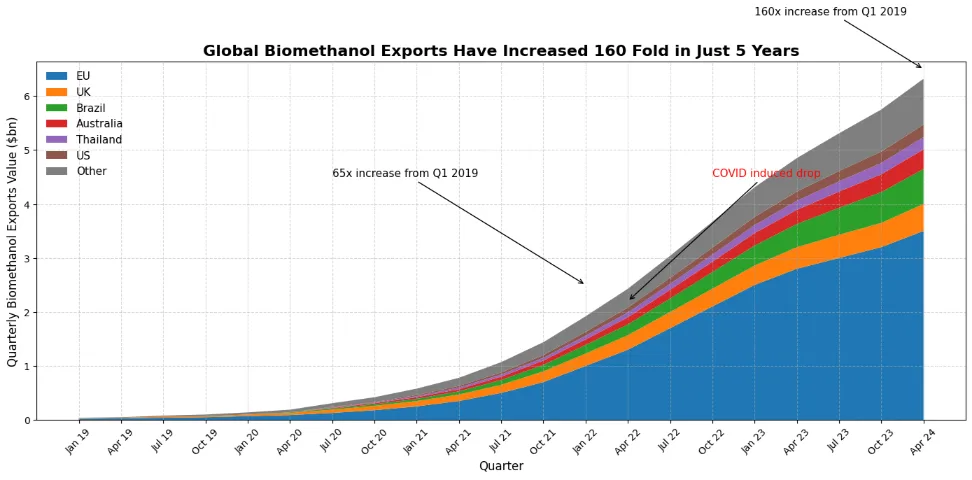
Graphical representation of Globally Biomethanol Export of 5 years

Conclusion:

The quiet surge of investment into biomethanol is no accident. As the world seeks practical, scalable solutions to the climate crisis, biomethanol stands out for its versatility, sustainability, and economic potential. Major investors—from oil majors and shipping companies to private equity and governments—are betting that biomethanol will be a cornerstone of the clean energy transition.

For those looking to ride the next wave of sustainable energy, biomethanol offers a rare combination of environmental impact, market growth, and investment opportunity. As more projects come online and technology advances, expect biomethanol to move from the shadows to center stage in the global energy conversation.

In summary: Major investors are quietly pouring billions into biomethanol because it offers a powerful blend of climate benefits, market potential, and strategic value. Whether you’re an investor, policymaker, or industry leader, now is the time to pay attention to biomethanol—the renewable fuel that’s poised to change the world.

Why Major Investors Are Quietly Pouring Billions Into Biomethanol Read More »

A stylized, futuristic, teal-colored sports car is driving at high speed down a highway with pink, orange, and teal neon light trails in a retro-futuristic style. Overlaying text asks: "FUTURE OF TRANSPORTATION: WILL BIOMETHANOL-POWERED VEHICLES DOMINATE."

The Future Of Transportation: Will Biomethanol-Powered Vehicles Dominate

Future Of Transportation: Will Biomethanol-Powered Vehicles Dominate

As the world moves toward a sustainable future, the transportation sector faces a crucial moment for change. Concerns about climate change, fossil fuel depletion, and air pollution make the search for cleaner, renewable fuels more urgent than ever.

One of the leading options in this green revolution is biomethanol, a renewable, low-carbon fuel made from biomass and waste. But can biomethanol-powered vehicles really lead the future of transportation? This exploration looks into the science, benefits, challenges, and market trends shaping the biomethanol landscape.

How Is Biomethanol Produced?

The production process includes several key steps:

  • Feedstock Collection: Gathering biomass or waste materials.
  • Pre-treatment: Preparing raw materials for conversion.
  • Gasification: Turning biomass into synthesis gas, a mix of CO, CO₂, and H₂.
  • Methanol Synthesis: Converting syngas into methanol using a catalyst.
  • Purification: Refining the product for fuel or chemical use.

This closed-loop method not only uses waste but also supports circular economy principles.

Why Biomethanol? Key Advantages

1. Significant Carbon Emission Reductions
Transportation accounts for nearly a quarter of global CO₂ emissions. Biomethanol presents a real solution by significantly cutting greenhouse gas emissions compared to gasoline and fossil-derived methanol. Research shows that its global warming potential is much lower, especially when made from wood or waste biomass.

2. Cleaner Combustion and Air Quality
Biomethanol burns cleaner than gasoline or diesel, leading to lower emissions of particulates, nitrogen oxides (NOx), and sulfur oxides (SOx). This results in better urban air quality and health benefits for the public.

3. Versatility and Compatibility

  • Fuel Blending: Biomethanol can be mixed with gasoline or used alone in modified engines.
  • Feedstock Flexibility: It can be produced from various renewable sources, reducing reliance on any single feedstock.
  • Infrastructure Adaptability: Current fuel distribution systems can often be adjusted for methanol with little investment.

4. Economic and Energy Security
By using local biomass resources, countries can cut oil imports, support rural development, and create green jobs.

Biomethanol vs. Other Alternative Fuels

Biomethanol stands out for its combination of low emissions, compatibility, and scalability, especially in areas lacking electric or hydrogen infrastructure.

The State of the Biomethanol Market

Global Trends
The biomethanol market is growing quickly, fueled by:

  • Climate policies, like the Paris Agreement
  • Renewable energy mandates, such as the EU Renewable Energy Directive
  • Corporate sustainability goals

Major investments are going into biomethanol production facilities, especially in Europe and Asia, where governments are encouraging low-carbon fuels.

Investment and Innovation
New technologies are driving down production costs and boosting yields. Companies are exploring:

  • Improved gasification methods
  • Carbon capture integration
  • Waste-to-fuel processes

Challenges Facing Biomethanol Adoption

1. Production Scale and Cost
While feedstock is abundant, increasing production to meet global transportation demands needs a lot of capital and technological progress. Biomethanol is currently pricier than fossil methanol, although costs are decreasing as technology advances.

2. Infrastructure and Engine Modifications
Though biomethanol can use existing infrastructure, widespread adoption requires modifications to vehicles and fueling stations. Flexible-fuel vehicles and retrofitting are possible but need policy support and consumer acceptance.

3. Feedstock Competition and Sustainability
The sustainability of biomethanol depends on responsible sourcing. Competing uses for biomass, like food and materials, plus land-use changes, must be managed to prevent negative environmental effects.

4. Policy and Regulatory Uncertainty
Clear, long-term policies are crucial for attracting investment and fostering adoption. Inconsistent regulations or a lack of incentives can slow progress.

Environmental Impact: Life Cycle Assessment

A detailed life cycle assessment (LCA) of biomethanol shows:

  • Lower global warming potential than fossil methanol and gasoline.
  • Rapid biodegradability in case of spills, with minimal environmental persistence.
  • Opportunities for improvement in pre-treatment and production stages to further reduce impacts.
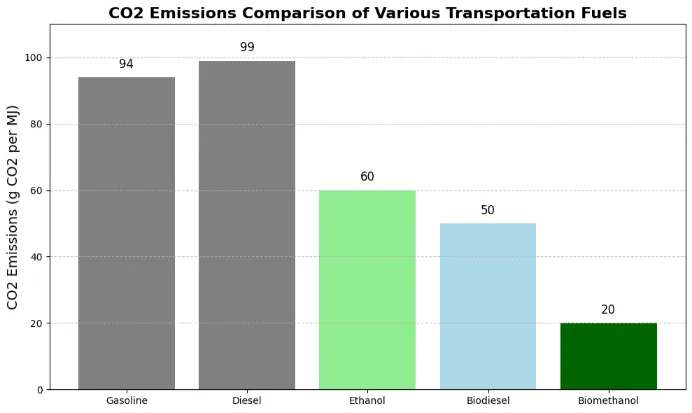
BAR CHART OF CO2 EMISSIONS COMPARISON OF VARIOUS TRANSPORTATION  FUELS

The Road Ahead: Will Biomethanol Dominate Transportation?

Opportunities for Leadership
Biomethanol is well-positioned to play a major role in reducing emissions in transport, especially in areas where electrification is tough, such as:

  • Heavy duty trucking
  • Maritime shipping
  • Aviation (for synthetic fuel production)

Complementary Role
Rather than being a one-size-fits-all solution, biomethanol is likely to work alongside other options like biofuels, hydrogen, and electrification, each addressing specific niches based on local resources, infrastructure, and policies.

Market Projections
With supportive policies and ongoing innovation, biomethanol could capture a significant share of the alternative fuels market by 2030 and beyond, particularly in regions focused on energy independence and cutting emissions.

Conclusion: Biomethanol’s Place in the Green Transport Revolution

Biomethanol is more than just a promising alternative fuel—it represents a bridge between today’s fossil-fueled world and tomorrow’s sustainable, circular economy. Its advantages in emissions reduction, resource flexibility, and compatibility with existing infrastructure make it a compelling candidate for widespread adoption.

However, the journey toward biomethanol-powered vehicle dominance will depend on overcoming production, infrastructure, and policy hurdles. With coordinated action from industry, governments, and consumers, biomethanol could help drive the next era of clean, resilient transportation.

The future is renewable. The future is biomethanol.

The Future Of Transportation: Will Biomethanol-Powered Vehicles Dominate Read More »

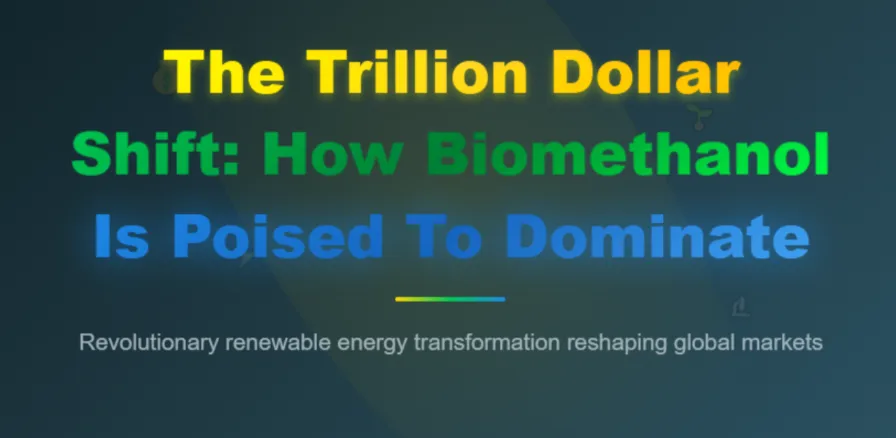
Title graphic displaying “The Trillion Dollar Shift: How Biomethanol Is Poised to Dominate” with a gradient background representing renewable energy innovation.

The Trillion Dollar Shift: How Biomethanol Is Poised To Dominate

Revolutionary renewable energy transformation reshaping global markets

The global energy sector is undergoing a significant change. Renewable fuels are becoming essential for a sustainable future. Among these, biomethanol stands out as a key player, likely to cause a trillion-dollar shift in the way industries, transportation, and economies generate power. As the world speeds up its move away from fossil fuels, biomethanol is quickly gaining popularity as a low-carbon alternative that could reshape markets and provide important environmental benefits.

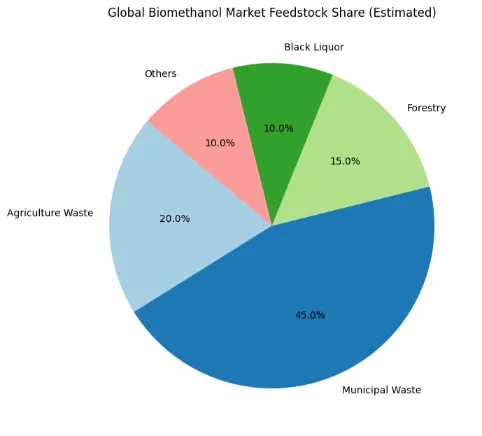
Biomethanol is a renewable version of methanol made from sustainable biomass sources. These sources include agricultural leftovers, forestry waste, municipal solid waste, sewage, and even industrial by-products like black liquor from the pulp and paper industry. Unlike traditional methanol, which comes from fossil fuels, biomethanol has a much lower carbon footprint. This makes it crucial for global efforts to reduce carbon emissions.

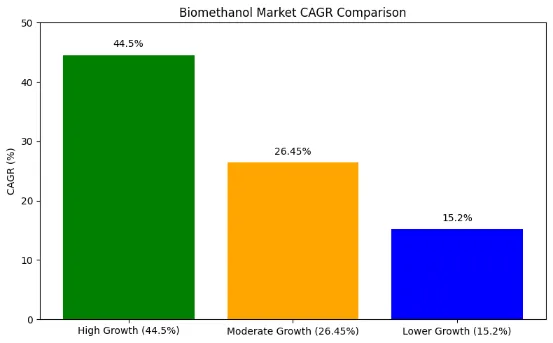
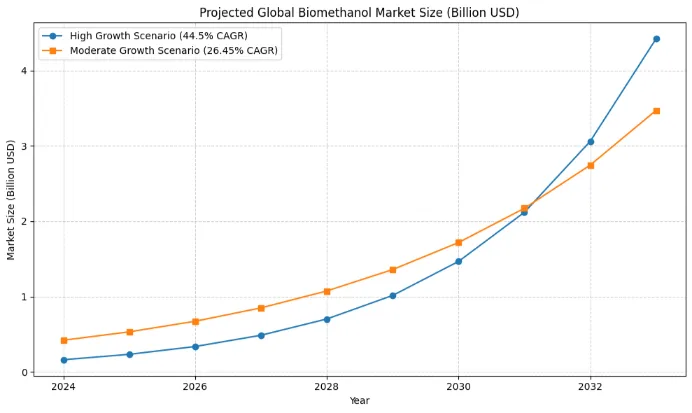
The biomethanol market is growing rapidly. Valued at $161.12 million in 2024, it is expected to rise to $2,118 million by 2032, showing an incredible compound annual growth rate (CAGR) of 44.5%. Broader estimates suggest that the biomethanol fuel market could reach $35 billion by 2033, while the overall renewable methanol market may hit $20.68 billion by 2030. Some forecasts even predict the global biomethanol market could reach $86,150 million by 2033.

Rising Demand for Clean Fuels: Increasing global awareness of climate change and the need to lower greenhouse gas emissions are driving industries and governments to find sustainable alternatives to fossil fuels.

Supportive Government Policies: Tough environmental rules and incentives are boosting investment in biofuels, including biomethanol.

Technological Advances: New developments in biomass gasification, carbon capture, and advanced catalytic processes are making biomethanol production more efficient and affordable.

Versatile Applications: Biomethanol can be used as a feedstock for biofuels, green chemicals, and synthetic materials. It can also be used directly as fuel or blended with gasoline to lower emissions.

1. Environmental Impact


Biomethanol has a much smaller carbon footprint compared to fossil-derived methanol. Its life-cycle emissions are greatly reduced, especially when made from waste materials or used with carbon capture and storage technologies.

2. Versatility Across Sectors


Transportation: Biomethanol can be used as a direct fuel, a gasoline additive, or in biodiesel production, making it important for cleaner road and maritime transport.
Chemicals: Biomethanol is a key ingredient for making acetic acid, formaldehyde, plastics, and other green chemicals.
Energy Storage: With its high energy density and easy storage, biomethanol is being explored as an alternative energy carrier that competes with hydrogen in the developing “Methanol Economy.”

3. Circular Economy and Waste Valorization


By turning municipal solid waste, agricultural leftovers, and other biomass into valuable fuel, biomethanol supports circular economy models and cuts down on landfill use.

4. Compatibility and Infrastructure

 Bar chart of Market BIOMETHANOL CAGR Comparison


Biomethanol can fit into existing fuel systems. It can be used in current engines with minor adjustments and blended with gasoline in various ratios (M10, M15, M85), making it easy for users to transition.

Advanced Gasification & Biorefineries


Modern biorefineries are using advanced gasification methods to convert a variety of feedstocks into biomethanol efficiently. This boosts yields and allows for the use of otherwise hard-to-recycle waste.

Carbon Capture and Utilization


Combining carbon capture and storage (CCS) and direct air capture (DAC) technologies makes biomethanol production even more sustainable. This process uses captured CO₂ as a feedstock, further lowering emissions.

Emerging Production Pathways


New catalytic processes and direct gas fermentation are being created to cut costs and enhance scalability, positioning biomethanol as a truly global option.

By Application


Fuel Blending: The biggest segment is driven by regulations aimed at cutting vehicle emissions and the need for cleaner transportation fuels.
Chemical Manufacturing: Used for creating plastics, formaldehyde, and other chemicals.
Energy Storage and Power Generation: Gaining popularity as an alternative to hydrogen and natural gas.

By Region

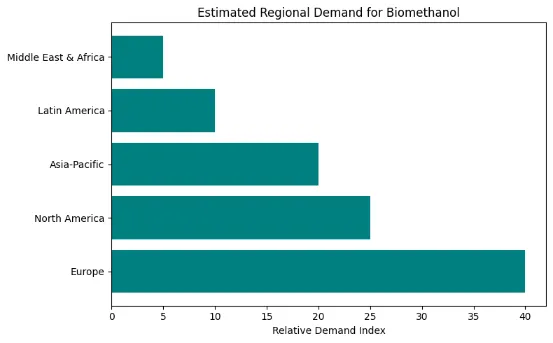
Bar Chart of Regional Biomethanol demand


North America & Europe: Leading the way in adoption, thanks to strong policy support and established biofuel markets.
Asia-Pacific: Set for rapid growth due to rising energy needs, significant investments in renewables, and growing environmental awareness, particularly in China and India.
Emerging Markets: Developing countries are starting to invest in biomethanol infrastructure, recognizing its potential to bypass fossil-based energy systems.

Despite its potential, biomethanol faces several challenges:
High Production Costs: It is currently more expensive to produce biomethanol than fossil-based methanol. This is mainly due to high feedstock costs and the expensive nature of advanced biorefineries.
Feedstock Availability: Sourcing biomass sustainably at scale remains a challenge, especially in areas with limited agricultural or forestry waste.
Infrastructure Needs: Large-scale use requires strong logistics, storage, and distribution networks, which are still developing in many places.
Competition: Biomethanol competes with other biofuels, like biodiesel, and emerging technologies such as hydrogen and electric vehicles.
However, as economies of scale are realized and technologies advance, production costs are expected to drop, making biomethanol more competitive.

pIE Chart of Biomethanol feedstock share (estimated)

Policy and Regulation


Continuing to tighten emissions limits, carbon pricing, and government incentives will be essential for speeding up biomethanol adoption.

Industry Collaboration
Partnerships among technology providers, chemical manufacturers, energy companies, and governments will foster innovation and investment, helping to tackle infrastructure and cost challenges.

Consumer and Corporate Demand
As sustainability becomes a key value for consumers and companies, demand for low-carbon fuels like biomethanol will continue to grow, especially in sectors where electrification is difficult (like shipping, aviation, and heavy industries).

Technological Breakthroughs
Ongoing research and development in feedstock processing, gasification, and carbon capture will make biomethanol even more cost-effective and scalable.

Maritime Shipping: Major shipping companies are testing biomethanol as a marine fuel to meet International Maritime Organization (IMO) targets for reducing sulfur and carbon emissions.
Urban Waste-to-Fuel: Cities are converting municipal solid waste into biomethanol to cut down on landfill use and create local renewable energy.
Green Chemicals: Chemical manufacturers are shifting to biomethanol-based feedstocks to lower their carbon impact and comply with regulations.

The world is on the brink of a trillion-dollar shift, with biomethanol likely to become a key part of the global energy and chemical sectors. Its unique mix of versatility, environmental benefits, and compatibility with current systems makes it a standout option for the clean energy transition. As technology improves and policy support grows, biomethanol is set to take center stage in the renewable fuels market, leading a new era of sustainable growth and climate resilience.

 GRAPHICAL REPRESENTATION OF BIOMETHANOL MARKET SIZE PROJECTED

The Trillion Dollar Shift: How Biomethanol Is Poised To Dominate Read More »

Scenic photograph of a single wind turbine silhouetted against a sunrise or sunset sky with orange and pink clouds, standing on rolling hills with mountain ranges visible in the misty background. Bold stencil-style text reading 'BUSINESS ENERGY RATES' overlays the upper portion of the image.

Ways to Minimize Business Energy Rates

Ways to Minimize Business Energy Rates

Energy consumption is caused by real economic growth. This is productive energy consumption and can produce added value in economic activity. There is also a significant relationship between energy consumption rates and National GDP. Energy utilization by all sectors includes the consumption of primary, secondary, and tertiary industrial sectors and household industries also. Electricity/Energy consumption behavior in Business energy rates can be influenced by electricity prices. The lower the price higher the economic activity. There is a found bidirectional causality relation between electricity price and electricity consumption. Also, differences in electricity prices have a direct impact on electricity demand and investment demand. So in this study, many factors and solutions highlighted lead to the ways to minimize Business energy rates.

Business Energy Rates

Business energy rates is the amount paid per kilowatt hour for any business in form of electricity or gas. All type of energy forms are mainly related to electricity/Power and gas. Both these convert into energy for used in recommended technology. There are several factors involved in the fluctuation of the Business energy rates. The most common is the increase in oil prices leads to higher production costs. Ultimately the burden goes to the Consumers or business owners. An increase in Business energy rates has an impact on inflation.

Minimizing the Business energy rates

Nowadays the biggest challenge is how to use sustainable methods to minimize business energy rates. There are many ways but a few will discuss. Today, more than ever, energy management is the most challenging task facing utility managers. With energy costs skyrocketing, utility managers have to do more than crank up thermostats in the hope of reducing utility bills. It is important for managers to take an active approach to understanding and manage the energy resources required for their facilities. There are many ways to minimize business electricity rates. Bioenergy, biofuels, solar rooftops Pv, wind energy, waste Management, and many more. All these resources are green energy and clean energy and also carbon neutral.

rates of business energy

Bioenergy

It takes millions of years to create fossil fuels, but in contrast, biomass is an important energy source that is easy to grow, use and store without depleting natural resources. Basically, biomass is classified into two main categories. On land, it consists of starch, sugar and cellulose-based biomass and aquatic biomass, including macroalgae, microalgae and cyanobacteria. These resources are valuable to each country but also benefit national economies. In developing countries by improving trade and employment opportunities by providing energy stimulating the development of rural areas. It reduces greenhouse gas emissions and greenhouse effect.
Nearby renewable energy generation may provide a viable alternative. Harnessing the agricultural sector for bioenergy can lead to economic growth that also reduces hunger and poverty.

Bioenergy
Bioenergy

Waste management

The term Solid Waste Management (SWM) has now become a global concern due to increasing population, economic growth, complexity in consumption patterns, urbanization, and global industrialization. There is insufficient knowledge to implement integrated solid waste management or synthesis programs that integrate environmental and cleaner technology and eliminate hazardous materials in municipal waste. Developed countries such as India and China, among other countries, have implemented innovative methods such as biological treatment, heat conversion and waste recovery and recycling (waste to energy). In some developing countries, waste recovery and recycling projects are relatively new, but they are flawed in less developed countries such as Malawi, Senegal, Liberia, Nepal, etc. Many developed countries have adopted advanced thermal combustion methods, such as pyrolysis and gasification, and recycling technologies and techniques.

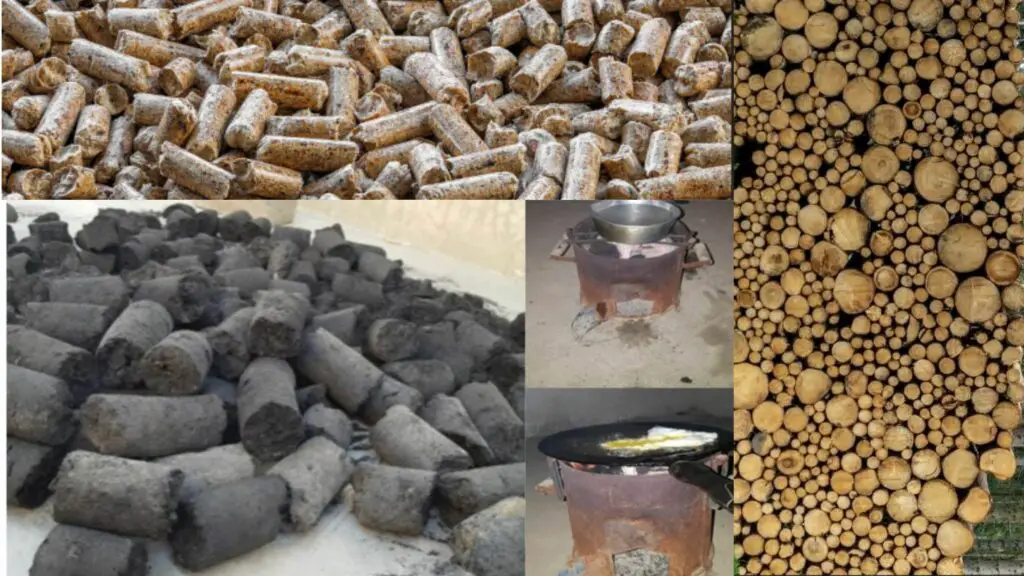
The best example is the usage of sawdust generated from furniture making workshops can be used to make Pellets, Charcoal briquettes. These products can be used in many industries to meet the lowering the cost of Business energy rates.

waste management
waste management

Wind energy

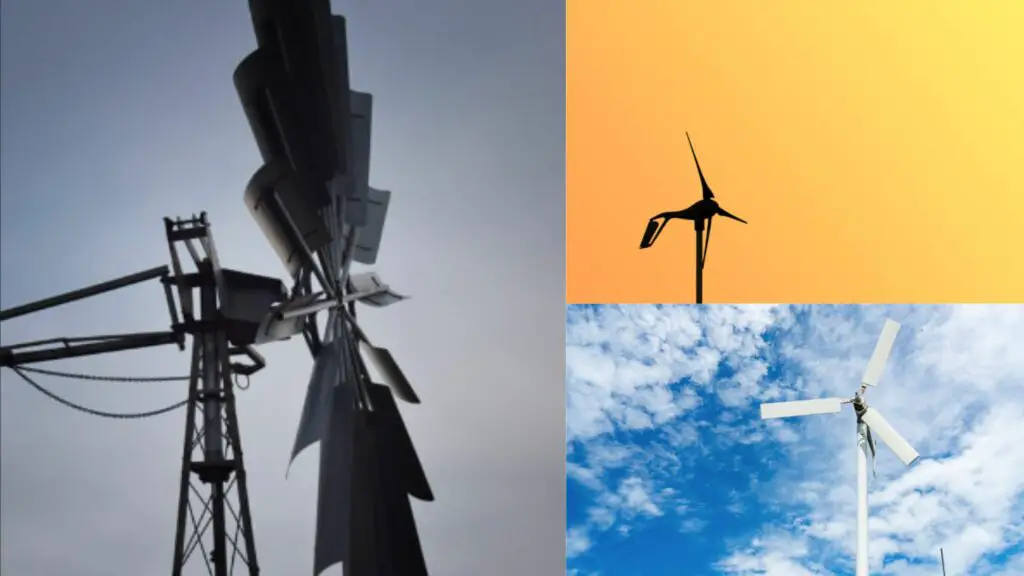
The Wind energy, the world’s speediest developing energy source, is a clean and renewable source of energy. It has been in utilize for centuries in Europe and more as of late within the US and other countries. Wind turbines, both expansive and little, produce electricity for utilities and home owners and remote villages. Among different renewable energy sources, wind energy in specific has accomplished development in the energy markets, and has experienced the most noteworthy growth worldwide over the past few years.The electrical energy generation of the world in 2004 was 17,450 TWh(Tear-watt hour) and it is evaluated that the world will consume 31,657 TWh in 2030. In terms of Business energy rates wind energy, which could be a sort of renewable energy, has the potential to be utilized for the power generation.

Power generated by wind energy isn’t fair generally easier but is also much more environmental friendly as compared to control generation using non-renewable sources just like the fossil fuel and coals. Considering that business energy utilization around the world has been increasing throughout a long time, exchanging to wind energy can be a viable move.

The best way to utilize, trace the wind corridors nearby you through research and modern techniques. Then install small or large-scale wind turbines and make business estates and industrial areas to get utilized maximum wind energy.

wind energy
Wind energy

Solar energy

The number of residential families with housetop photo voltaic (PV) boards has developed quickly over the past few long time. This growth is driven by low (and falling) PV costs and the increasing price of power from the control network in numerous ranges. Clients diminish their net buys of power from the grid by adopting PV; be that as it may, the costs brought about by utility companies do not diminish in the extent to the diminish in energy consumed. This is because utilities pay for transmission and conveyance foundation and these settled costs are recuperated over decades Electricity rates must increase as request diminishes so that utilities can recover settled costs.

These rate increments can result in even more motivations to receive advances that decrease utilization from the network. Hence, the selection of PV leads to a positive input cycle via expanding power rates.

Rooftop solar
Rooftop solar

Global trends of Business Energy rates

The reduction in business energy rates is a growing trend in the US. The price of natural gas has decreased by nearly 50% since 2014, which has led to a decrease in the cost of electricity. This reduction in the cost of electricity and natural gas has led to a decrease in business energy rates.

China has had double-digit rates of financial development for much of the past two decades. This development has had gigantic suggestions for energy utilization and environmental impact. The cost of energy in China is rising, and the government is taking steps to address the issue. China’s energy industry is dominated by coal, oil and natural gas, which account for 87% of total energy consumption. China is the world’s largest energy consumer. It is also the world’s second-largest economy and has a rapidly growing middle class.
Some of the ways to minimize business energy rates in China are.The Chinese government has taken a number of measures:

1-Use renewable energy sources such as solar and wind power.

2-Install smart meters that can help you monitor your consumption.

3-Utilize more efficient equipment for your business such as LED lighting, high-efficiency boilers, and refrigerators.

Japan is the world’s third-largest economy. It is also one of the most energy-intensive countries in terms of electricity production. This has led to a significant increase in energy rates over the past few years, which can be an issue for businesses.The Japan Trade Energy Rates are one of the most highest in the world. The following implications are adopted by the government of japan:

1) Inquire about company’s energy utilization designs – The primary step is to inquire about your company’s energy utilization patterns. You’ll do this by looking at past bills or by utilizing a web device like Google PowerMeter.

2) Utilize a Programmable thermostats that permit you to set distinctive temperatures for diverse times of the day and week, which can spare you cash and decrease your energy use.

3) Use a power strip with a timer- A power strip with a timer allows you to turn off electronics that are not in use, which saves electricity and reduces your bill.

Conclusion:

The conclusion for minimizing business energy rates is to use a renewable energy source, like solar power.

The best way to minimize business energy rates is by using renewable energy sources, such as solar power, wind energy, biofuels,green energy, and bioenergy. The best way to minimize business energy rates is to use a variety of energy sources for business company. This can be done by using on-site generation, rooftop solar panels, and storage batteries. With these three methods, the company will be able to minimize their rates and reduce the costs of its electricity bills. This study will be beneficial for both developing and developed countries as it also need of time regards with climate change. To search more renewable, green, and clean energy solutions can definitely lower the Business energy rates.

For more info about latest topics check links below

Green energy plants
bioenergy advantages

Ways to Minimize Business Energy Rates Read More »