waste-to-energy

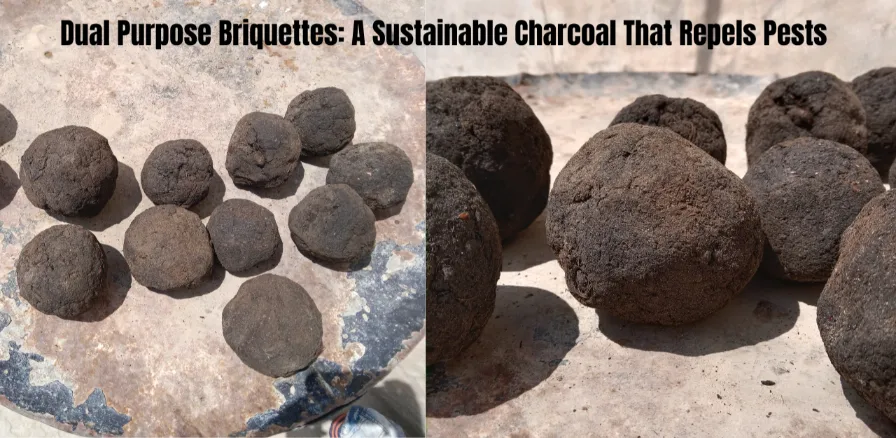
Dark round briquettes made from sustainable charcoal, shown in two side-by-side views on a flat surface.

Dual Purpose Briquettes: A Sustainable Charcoal That Repels Pests

Dual-Purpose Briquettes: A Sustainable Charcoal That Repels Pests

Introduction

In recent years, the demand for sustainable energy sources and eco-friendly agricultural solutions has grown significantly. Farmers, researchers, and environmentalists are constantly seeking innovations that can address multiple challenges. One such promising innovation is A Sustainable Charcoal based briquettes That Repels Pests, a dual-purpose briquette designed to serve both as a fuel source, a natural pesticide and a Biochar.

These briquettes are not just an alternative to traditional charcoal; they represent a shift toward integrated, multifunctional solutions in agriculture and energy systems. By combining biomass waste with natural pest-repelling compounds, these briquettes offer a cleaner, safer, and more efficient approach.

What Are Dual-Purpose Briquettes?

Definition and Concept

Dual-purpose briquettes are compressed blocks of organic materials that function both as fuel and as pest repellents as well as biochar. Unlike conventional charcoal, these briquettes are engineered to use as a briquette, in the fields acts as a pesticide that their smell can repell the insects and pests, and by lying it also acts as Biochar for the health ingrededient for crops and fields.

The main idea behind A Sustainable Charcoal That Repels Pests is to enhance the resource efficiency. Instead of using separate products for fuel and pest control, a single product fulfills many roles, reducing costs and environmental impact.
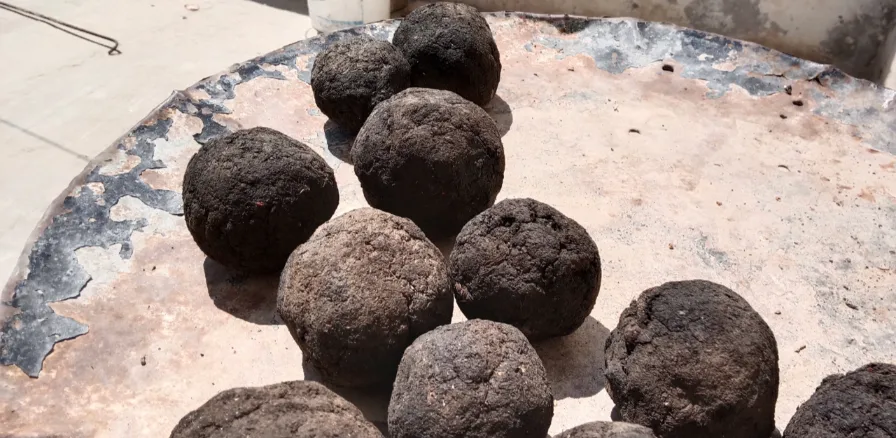
Dual-Purpose Briquettes

Composition of Briquettes

These briquettes are typically made from:

  • Agricultural residues (rice husk, sawdust, corn cobs and etc)
  • Organic binders: molasses
  • Natural pest-repelling additives ( smell of the molasses based compounds that have a pungent smell)

The combination of these materials ensures that the briquettes remain environmentally friendly while providing effective pest control.

Binding Agent

A new binding agent developed by using residues from household vegetables combined with glucose-rich juices, creating a biodegradable and nutrient-based adhesive solution. During fermentation or mild thermal processing, these organic components can generate volatile compounds, including light hydrocarbons and odor-active substances that resemble the smell of butanol and methanol. This distinct odor profile contributes to pest repellence, as many insects are sensitive to such volatile emissions and tend to avoid treated areas. In addition to improving briquette cohesion, this type of binding agent enhances the functional value of A Sustainable Charcoal That Repels Pests by integrating natural, waste-derived pest deterrent properties.

The Need for Sustainable Charcoal Alternatives

Sustainable charcoal alternatives are important because traditional charcoal causes deforestation, pollution, and health problems. These alternatives use agricultural waste and biomass, helping reduce emissions and turning waste into charcoal based Briquettes that can be also used as pesticide and biochar especially in Agriculture sector. They also create jobs and support local economies through small-scale production. In the future, they can improve farming (through biochar), support clean energy, and promote a circular economy.

Environmental Concerns with Traditional Charcoal

Traditional charcoal production contributes significantly to deforestation and carbon emissions. These briquettes contain charcoal-rich compounds with a higher proportion of fixed carbon, which is the main component responsible for a greater calorific value. The presence of carbon, along with low moisture and low ash content, helps the briquettes burn more efficiently and produce more heat energy. In simple terms, the more carbon-based material the briquette contains, the higher its heating value becomes. A Sustainable Charcoal That Repels Pests utilizes waste biomass, reducing the need for cutting down trees and lowering greenhouse gas emissions.

Challenges in Conventional Pest Control

Chemical pesticides, while effective, pose serious risks:

  • Soil and water contamination
  • Health hazards for farmers
  • Development of pest resistance

By integrating pest-repelling properties into charcoal, these briquettes offer a safer and more sustainable alternative.

How A Sustainable Charcoal That Repels Pests Works

Mechanism of Pest Repellence

When the briquettes are placed in the fields, they release a pungent smell in the fields while Leaving them on the ground within the fields. These compounds interfere with the sensory systems of insects, making the environment unattractive or hostile to pests. in this way these dual purpose briquettes can save crops from pests and also used as Biochar in the fields that can enhance the fertility of the crops as well as of the fields.

Dual Functionality

The briquettes perform two key functions simultaneously:

  • Provide heat energy as these are round shaped charcoal based briquettes best known for their heating values
  • Emit pest-repelling smell that protects crops and used for the soil as biochar

This dual functionality makes them especially useful in rural and agricultural settings.

Raw Materials and Preparation Process

Selection of Biomass

The first step in producing these briquettes is selecting suitable biomass. Common choices include:

  • Rice husk
  • Sugarcane bagasse
  • Groundnut shells
  • Sawdust

These materials are abundant, low-cost, and renewable.

Incorporating Pest-Repelling Agents

Natural additives are mixed into the biomass to give the briquettes their pest-repelling properties. Popular choices include:

  • Household vegetables, waste of fruits
  • Sugar Based syrup for the anaerobic fermentation
  • methanol(C₂H₅OH), ethanol(C₂H₅OH) and butanol(C₄H₉OH)
  • Combined these above chemicals can be used for the purpose of the pest-repelling agent due to their smell that remains in the briquettes
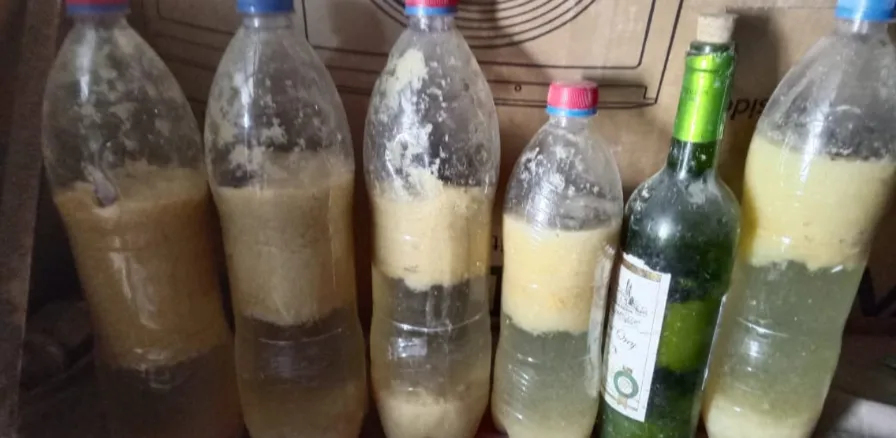
Household Vegetable used in the manufacture of the Binding Agent

Briquetting Process

The briquetting process starts by collecting dry biomass materials such as sawdust, or household organic waste. These materials are then carbonized or shredded, mixed with a binding agent, and pressed tightly into a mould or briquetting machine. After compression, the briquettes are dried completely so they become hard, durable, and ready to use as fuel.

Applications in Agriculture

Field Pest Control

Farmers can burn these briquettes near crops to create a protective barrier against insects. The smoke acts as a natural fumigant, reducing pest infestation without harming plants.

Storage Protection

Stored grains are highly vulnerable to pests. Using A Sustainable Charcoal That Repels Pests in storage areas helps prevent insect attacks without chemical residues.

Biochar

These briquettes can be used as biochar simply by leaving them in the fields for improving soil health, because the carbon-rich material helps retain water, hold nutrients, and support beneficial soil microbes. They can also reduce the need for chemical fertilizers by slowly improving soil fertility and structure over time.

Livestock Areas

These briquettes can also be used in animal shelters to repel flies and mosquitoes, improving animal health and comfort.

Benefits of Using A Sustainable Charcoal That Repels Pests

Using A Sustainable Charcoal That Repels Pests gives several practical benefits for both households and agriculture. It attains an eco-friendly fuel source made from renewable waste materials, helping reduce deforestation and the environmental damage caused by traditional charcoal production. At the same time, its natural pest-repelling properties make it useful in protecting crops, stored grains, and surrounding farm areas from insects without relying heavily on chemical pesticides. This can lower costs for farmers, reduce exposure to harmful chemicals, and support safer, more sustainable farming practices. In addition, because it serves both as a fuel and a pest-control material, it saves time, resources, and effort while promoting cleaner energy use and better waste management.

.

Future Prospects and Research Opportunities

Optimization of Formulations

The future of these briquettes is promising, especially if researchers focus on optimizing the formulation to improve strength, burning time, calorific value, and pest-repelling performance. Fine-tuning the ratio of charcoal, biomass residue, binders, and natural additives can help create a more efficient product that burns cleaner and performs consistently in different conditions.

Integration with Biochar Technology

These briquettes can be adapted to produce biochar, which can enhance soil fertility while retaining pest-repelling properties. Biochar can improve soil health, carbon storage, and nutrient retention while also supporting sustainable waste recycling. In the future, these briquettes could be developed not only as fuel but also as a soil-amending material, creating a dual-purpose system that benefits energy production and agriculture at the same time.

Policy and Support

If these improvements are combined with low-cost local feedstocks and better formulation design, the technology could become more practical for households, farmers, and small industries in the future.

In practical terms, policy can help by offering incentives for using agricultural waste, promoting clean cooking alternatives, and creating clear rules for sustainable production. It can also support research, certification, and extension services so farmers and small producers understand how to make and use these briquettes effectively. 

This simple shift demonstrates how a single innovation can address multiple challenges effectively.

Conclusion

The concept of A Sustainable Charcoal That Repels Pests represents a powerful intersection of energy efficiency, environmental responsibility, and agricultural innovation. By transforming agricultural waste into multifunctional briquettes, this approach not only reduces reliance on harmful chemicals but also promotes a circular economy.

As the world moves toward sustainable solutions, such innovations hold immense potential to reshape both energy consumption and farming practices. With further research, awareness, and support, dual-purpose briquettes could become a standard tool for farmers and households alike.

How China is Using Robots and AI in Biofuel Technologies

Dual Purpose Briquettes: A Sustainable Charcoal That Repels Pests Read More »
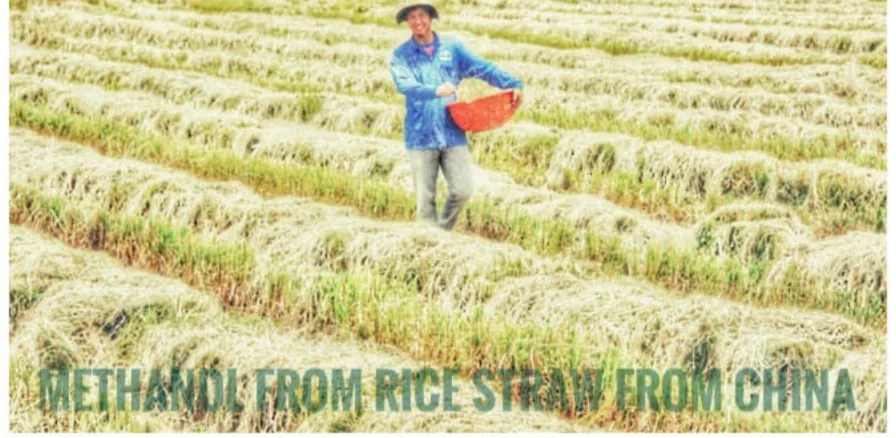
Farmer collecting rice straw in China for sustainable methanol and biofuel production.

Energy, Economy, and Environment: Biomethanol from Rice Straw in China

Energy, Economy, and Environment: Biomethanol from Rice Straw in China

Imagine mountains of agricultural waste that used to be a problem. Now, they can become a clean burning fuel. This fuel powers vehicles and industries, cleans the air, and supports rural economies. This isn’t a distant dream but a growing reality in China. The country is turning its large amounts of rice straw into biomethanol. China produces a significant portion of the world’s rice, generating nearly 222 million tons of rice straw every year. In the past, much of this waste was disposed of by burning it. This practice had serious environmental consequences. However, a major change is happening. Biomethanol from rice straw is becoming a key part of China’s sustainable development plans. (Ran et al., 2023). This post will delve into China’s motivations for adopting this innovative method, the profound benefits it offers, its inspiring global implications, and the key Chinese companies at the forefront of this green revolution.

Why China Adopted This Method: A Multifaceted Approach

China pivot towards biomethanol from rice straw is driven by a convergence of critical environmental, energy security, and economic imperatives. It represents a pragmatic and visionary solution to several pressing national challenges.

Environmental Imperative: Cleaning the Air and Reducing Emissions

For decades, burning rice straw in open fields has significantly polluted the air in China, especially in farming areas. This practice releases large amounts of particulate matter, nitrogen oxides, and greenhouse gases into the air. This worsens smog, increases respiratory issues, and contributes to climate change. Biomethanol production provides a cleaner alternative. By turning rice straw into a liquid fuel, it removes the need for open burning, which reduces harmful emissions. Additionally, since rice plants absorb CO2 as they grow, using rice straw for biomethanol can be seen as carbon-neutral or even carbon-negative when paired with carbon capture technologies. This process effectively stores carbon that would otherwise be released. China aims to peak CO2 emissions by 2030 and achieve carbon neutrality by 2060, driving the development of low-carbon energy policies (Yang & Lo, 2023).

Energy Security and Diversification: Less Reliance on Imports

China, as a rapidly developing and industrialized nation, faces the persistent challenge of ensuring energy security. Its considerable reliance on imported fossil fuels, particularly oil, creates vulnerabilities in its energy supply chain and subjects its economy to global price fluctuations. The domestic production of biomethanol from rice straw significantly enhances China’s energy independence. By converting an abundant, domestically available agricultural residue into a versatile fuel, China can reduce its reliance on external energy sources, thereby bolstering its national energy security. Biomethanol’s direct applicability in various sectors, especially transportation, allows for a strategic diversification of the energy mix, making the nation less susceptible to geopolitical disruptions affecting oil supplies.

Economic Benefits and Rural Development: Transforming Waste into Wealth

Beyond environmental and energy concerns, the biomethanol initiative offers significant economic advantages, especially for China large rural populations. Rice straw, once seen as waste with disposal costs, is now transformed into a valuable resource. This shift creates new income opportunities for farmers, enabling them to earn money from collecting and selling their agricultural residues. Setting up biomethanol production facilities in rural areas boosts local economies by generating jobs in feedstock collection, transportation, processing, and plant operation. Additionally, a useful byproduct of biomethanol production through anaerobic digestion is digestate. This nutrient-rich organic fertilizer can help reduce farmers’ reliance on costly chemical fertilizers. This improves agricultural sustainability while providing another financial benefit. The relationship between agriculture and energy production supports a strong circular economy in rural areas.

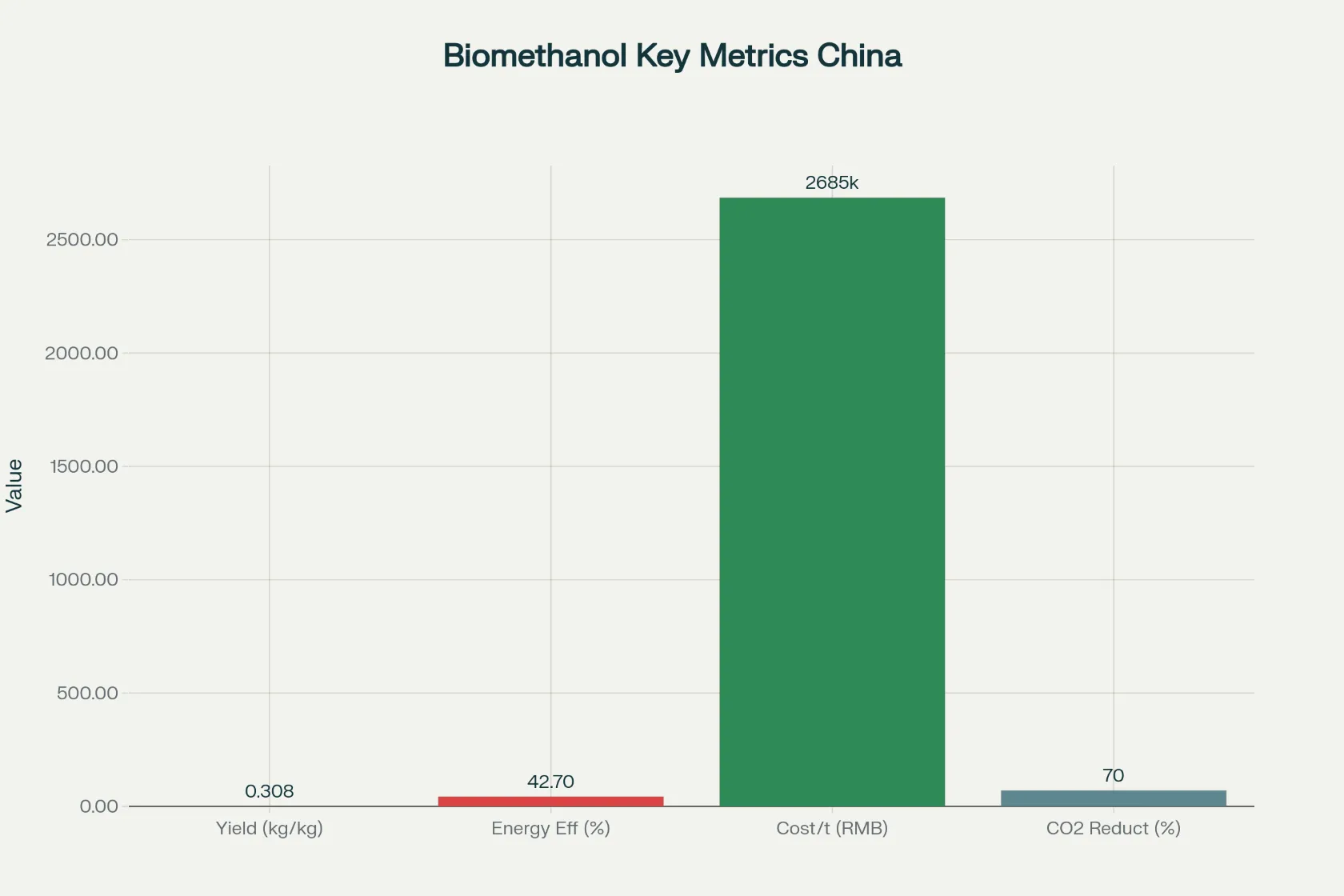
Biomethanol production from rice straw in China offers a sustainable solution. It meets energy needs, cuts greenhouse gas emissions, and effectively uses agricultural waste. Biomethanol yields are around 0.308 kg per kg of rice straw, and the energy efficiency is approximately 42.7% when using gasification technologies. This indicates that China has significant potential for bioenergy from rice straw. Currently, production costs are higher than those of fossil methanol, about 2,685 RMB per ton for a 50,000-ton plant. However, economic competitiveness should improve with policy support, technological innovation, and scaling up.

Using biomethanol from rice straw can reduce carbon emissions by over 70% compared to fossil-based methanol. It also helps decrease air pollution from open-field burning of straw. Improvements in process integration, like combining with renewable electricity, can further boost efficiency and lower lifecycle emissions. Overall, China’s biomethanol pathways show a mix of energy, economic, and environmental benefits Wang, et.al (2024). Continued innovation and supportive policies are essential for wider adoption and lower costs.

Bar Chart for Biomethanol key metrics in China

Inspiring the World: Global Implications of China Biomethanol Success

China is leading the way in scaling biomethanol production from rice straw. This initiative provides a strong and replicable example for other countries dealing with agricultural waste and shifting to renewable energy. The progress made has significant global implications for sustainable development for details..

China’s large agricultural sector and focused efforts on industrializing biomethanol production show that converting agricultural waste into valuable fuel is both possible and cost-effective. This serves as a powerful case study for other rice-producing countries in Asia, Africa, and Latin America, which face similar challenges with agricultural residues and the related environmental and health issues.

China’s efforts also support several United Nations Sustainable Development Goals (SDGs), including SDG 7 (Affordable and Clean Energy), SDG 12 (Responsible Consumption and Production), and SDG 13 (Climate Action). By turning waste into energy and cutting down on pollution, China is showing a real commitment to a more sustainable future. The technological advancements, especially in biomass conversion methods like gasification and anaerobic digestion, being developed in China provide valuable insights and models that can be reused around the world. This encourages a quicker and more effective shift to sustainable energy sources everywhere. The process of converting rice straw into biomethanol reflects the principles of a circular economy. Here, waste is reduced, resources are continually reused, and value is generated from materials that would typically be thrown away.

For a broader understanding of global renewable energy trends and the potential of biomass energy, readers can explore reports from the International Energy Agency (IEA). The IEA regularly publishes comprehensive analyses on the evolving energy landscape, including detailed insights into bioenergy’s role in the global transition to clean energy. https://www.iea.org/

Chinese Companies Leading the Way in Biomethanol from Rice Straw in China

The burgeoning biomethanol industry in China is propelled by a combination of established industrial giants and innovative clean energy companies. These enterprises are not only developing cutting-edge technologies but also forging strategic partnerships to scale up production and meet growing demand.

Among the prominent players, CIMC Enric Holdings Limited stands out for its significant involvement in constructing biomethanol plants. CIMC Enric, a leading intelligent manufacturer in the clean energy industry, has been instrumental in the development of crucial infrastructure for biomethanol production. They are actively engaged in constructing biomethanol facilities in China, with ambitious capacity targets to supply green methanol for various applications, including marine fuel. For more details on their clean energy initiatives, you can visit the CIMC Enric website or consult industry news regarding their green energy projects. (As of recent reports, CIMC Enric is constructing a biomethanol plant in Zhanjiang, Guangdong, targeting an initial annual production of 50,000 tonnes by late 2025, with plans to expand to 200,000 tonnes by 2027. You can find more information through reputable industry news sources that cover their clean energy ventures.)

Another major force in the sector is GoldWind Science & Technology Co., Ltd., a global leader in wind power solutions, which has expanded its portfolio to include biomethanol production. GoldWind has made headlines for its long-term agreements to supply green methanol, notably with shipping giant Maersk. This partnership underscores the growing demand for sustainable marine fuels and GoldWind’s commitment to large-scale green energy production. GoldWind’s innovative approach involves leveraging wind energy to produce both green bio-methanol and e-methanol, showcasing a holistic sustainable energy model. Their official website often features updates on their green energy projects. (GoldWind signed a landmark agreement with Maersk in November 2023 to supply 500,000 tonnes of green methanol annually, with production expected to begin in 2026 at a new facility in Hinggan League, Northeast China. More information can be found on GoldWind’s official news section or through maritime industry news outlets.)

Furthermore, ESGTODAY specializes in agricultural waste treatment, particularly in straw biogas plants and pretreatment technologies, which are foundational to efficient biomethanol production from rice straw. Their expertise in converting agricultural residues into biogas and further refining it into valuable resources positions them as a crucial enabler within this ecosystem. Their focus on sustainable and environmentally friendly agricultural waste management aligns perfectly with China’s biomethanol ambitions. You can explore their technologies at: https://www.esgtoday.com/maersk-signs-its-largest-ever-green-methanol-deal-to-drive-fleet-decarbonization/

These companies, alongside other emerging players and research institutions, are continually pushing the boundaries of technology and scaling up production, signaling a robust and dynamic future for biomethanol in China.

To gain further insights into the broader renewable energy industry in China and the specific contributions of these companies, reports from reputable financial news outlets or clean energy analysis firms can be highly informative.

Challenges and Future Outlook

While China’s biomethanol journey is inspiring, it’s not without its challenges. Logistical hurdles in collecting and transporting vast quantities of diffuse rice straw, the initial capital investment required for large-scale plants, and the ongoing need for technological refinement to optimize conversion efficiency remain important considerations. However, the immense potential of biomethanol from rice straw for China and the world far outweighs these challenges. Continuous research and development, coupled with strong government policy support and private sector investment, are paving the way for further innovation and expansion. This includes advancements in enzyme technologies, more efficient gasification processes, and improved integration with existing infrastructure.

Conclusion

China’s proactive embrace of biomethanol from rice straw represents a truly transformative approach to energy, economy, and environment. By converting what was once considered waste into a valuable, clean-burning fuel, China is not only addressing its own critical environmental concerns and enhancing energy security but also providing a powerful blueprint for sustainable development globally. The economic uplift for rural communities, coupled with the significant reduction in air pollution and greenhouse gas emissions, underscores the multifaceted benefits of this innovation. As Chinese companies continue to lead the way in technological advancements and scale up production, their efforts serve as a beacon, inspiring a global shift towards a greener, more sustainable future powered by ingenuity and collaboration. The journey of rice straw to biomethanol in China is a testament to the power of human innovation in building a truly green future.

Citations

Yang, Y., & Lo, K. (2023). China’s renewable energy and energy efficiency policies toward carbon neutrality: A systematic cross-sectoral review. Energy & Environment, 0958305X2311674. https://doi.org/10.1177/0958305×231167472

Ran, Y., Ghimire, N., Osman, A. I., & Ai, P. (2023). Rice straw for energy and value-added products in China: a review. Environmental Chemistry Letters, 1–32. https://doi.org/10.1007/s10311-023-01612-3

Reducing the lifecycle carbon emissions of rice straw-to-methanol for alternative marine fuel through self-generation and renewable electricity. Energy Conversion and Managementhttps://doi.org/10.1016/j.enconman.2024.119202.

For a detailed life cycle analysis and insights on biomethanol production from corn straw in China, explore the comprehensive study at Biomethanol from Corn Straw in China: A Life Cycle Insight .

Energy, Economy, and Environment: Biomethanol from Rice Straw in China Read More »

Green circular wreath symbolizing biomethanol and the circular economy concept

Biomethanol And The Circular Economy: How Waste Becomes A Clean Energy Source

Biomethanol And The Circular Economy

In the search for a sustainable future, the circular economy has emerged as a transformative model. This approach views waste not as an end but as a beginning. At the center of this change is biomethanol, a renewable fuel that converts organic waste into a clean energy source. This blog looks at how biomethanol production reflects the principles of the circular economy, the technology behind it, its environmental and economic benefits, and its critical role in reducing carbon emissions in hard to abate sectors.

The Circular Economy: Turning Waste into Value

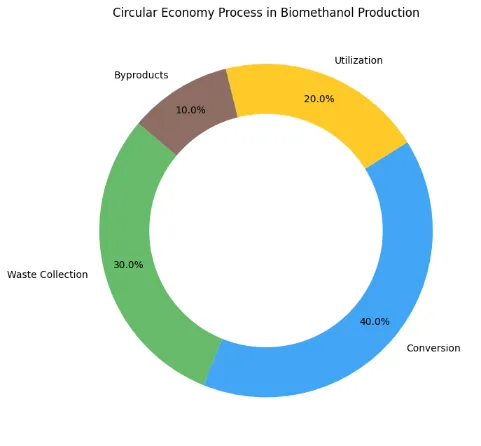
The circular economy is a system aimed at reducing waste and maximizing resources. In this model, products and materials are reused, repaired, and recycled, keeping them in circulation for as long as possible. Biomethanol production is a clear example of this concept in practice:

  • Waste Collection: Organic waste from agriculture, industry, and households is collected.
  • Conversion: Technologies transform this waste into biomethanol.
  • Utilization: Biomethanol is utilized as a clean fuel or chemical feedstock.
  • Byproducts: Valuable byproducts, like fertilizers, are created and reintroduced into the economy.

This closed-loop method not only tackles waste management issues but also provides renewable energy and useful materials, benefiting both the environment and the economy.

Modern biomethanol production uses advanced processes to improve efficiency and sustainability. One promising method combines chemical looping gasification with membrane reactor technology:

This innovative approach lowers production costs and minimizes the need for extensive downstream treatments, making biomethanol a scalable and economically feasible solution for the future.

Biomethanol and the Circular Economy: A MutualRelationship

1. Waste Management and Resource Recovery
Biomethanol production takes organic waste out of landfills and incinerators, where it would create methane and other greenhouse gases. Instead, this waste becomes valuable energy and materials, closing resource loops and reducing environmental pollution.

2. Clean Energy Supply
As a clean-burning fuel, biomethanol can substitute fossil-derived methanol and other hydrocarbons in transportation, industry, and power generation. Its use significantly lowers greenhouse gas emissions, aiding the shift to a low-carbon energy system.

3. Fertilizer and Soil Health
The byproducts of biomethanol production, like digestates from anaerobic digestion, can be turned into fertilizers. These organic fertilizers return nutrients to the soil, boosting agricultural productivity and reducing reliance on synthetic options.

4. Regional Economic Development
Biomethanol plants can be set up near waste sources, creating local jobs and supporting rural economies. By valuing local waste streams, communities can achieve greater energy independence and resilience.

Environmental Impact: Life Cycle Assessment

Life Cycle Assessments (LCA) have shown that biomethanol production offers significant environmental benefits compared to traditional waste management and energy supply methods. Key findings include:

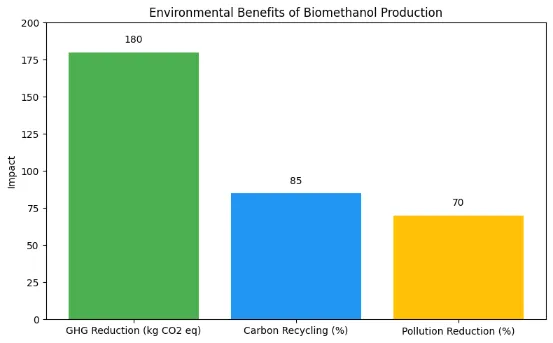
 Bar Chart for Biomethanol production Environmrntal benefits
  • Greenhouse Gas Reduction: Methanization and subsequent biomethanol production can cut emissions by about 180 kg CO₂ equivalent per ton of waste processed. This reduction comes from improved waste treatment and cleaner energy supply.
  • Carbon Recycling: The CO₂ generated during biogas purification can be captured and reused in methanation processes, helping to close the carbon loop.
  • Lower Pollution: By avoiding landfilling and open burning, biomethanol production helps decrease air and water pollution, contributing to healthier ecosystems and communities.

Biomethanol in Different Sectors

Some sectors, such as aviation, shipping, and heavy industry, are difficult to decarbonize due to their high energy demands and dependence on liquid fuels. Biomethanol provides a practical, scalable solution.

  • Marine and Aviation Fuels: Biomethanol can be blended with or replace fossil fuels in ships and airplanes, dramatically reducing emissions without requiring major infrastructure changes.
  • Chemical Industry: As a renewable feedstock, biomethanol allows for the production of green chemicals and plastics, supporting the circular economy in manufacturing.
  • Power Generation: Biomethanol can be used in fuel cells and turbines, offering flexible, low-carbon power for grids and remote areas.

Economic Viability and Scalability

One major hurdle for widespread biomethanol use has been the production cost. However, innovations like chemical looping gasification and membrane reactors are lowering costs and making large-scale production possible. The Bio-MeGaFuel project, backed by the European Union, is leading this movement, aiming for commercial readiness by 2028.

Pie chart of Circular Economy Processes in Biomethanol production

By optimizing processes and incorporating renewable hydrogen, the project hopes to provide biomethanol at a price competitive with fossil-derived methanol, opening new markets and speeding up the energy transition.

Challenges and Opportunities

Technical Challenges

  • Feedstock Variability: The makeup of organic waste can vary significantly, impacting process efficiency and product quality.
  • Process Integration: Merging gasification, methanol synthesis, and renewable hydrogen integration requires sophisticated engineering and control systems.
  • Infrastructure: Expanding production and distribution networks for biomethanol will need significant investment and policy backing.

Opportunities

  • Decarbonization: Biomethanol is crucial for reducing emissions in sectors that are hard to green.
  • Circularity: By transforming waste into energy and materials, biomethanol production showcases the circular economy at work.
  • Innovation: Ongoing research and development are leading to breakthroughs in efficiency, cost-cutting, and scalability.

The Road Ahead: Policy and Market Drivers

To fully realize the potential of biomethanol and the circular economy, supportive policies and market incentives are essential:

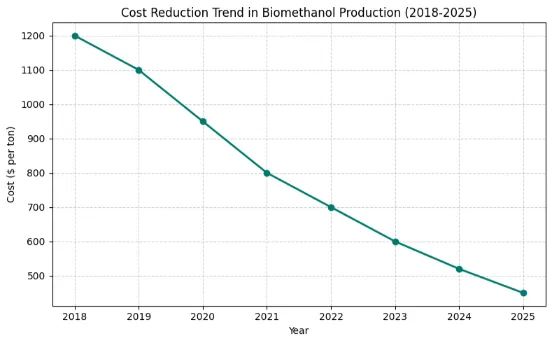
Trend of Cost reduction in biomethanol productio 2018-2025
  • Carbon Pricing: Implementing carbon taxes or cap-and-trade systems can make biomethanol more competitive with fossil fuels.
  • Renewable Energy Mandates: Mandating a minimum share of renewable fuels in transportation and industry can drive adoption.
  • Research and Development: Continued investment in R&D will unlock new efficiencies and applications for biomethanol technology.

Conclusion: Biomethanol From Waste to Wealth

Biomethanol is more than just a clean fuel; it is a catalyst for a circular, sustainable future. By transforming waste into a valuable resource, biomethanol production addresses some of our most pressing environmental and economic challenges. As technology advances and costs fall, biomethanol is poised to play a central role in the global energy transition—powering industries, reducing emissions, and closing the loop on waste.

For innovators, policymakers, and communities committed to a greener tomorrow, biomethanol offers a compelling blueprint for how the circular economy can turn today’s waste into tomorrow’s clean energy.

Biomethanol Internal Links

Biomethanol And The Circular Economy: How Waste Becomes A Clean Energy Source Read More »

Title slide for an article or presentation: "Turning Landfill Liabilities Into Liquid Gold: The Promise Of Biomethanol Production," with the subtitle "Transforming Waste into Sustainable Energy Solutions." The background is a gradient of purple and blue.

Turning Landfill Liabilities Into Liquid Gold: The Promise Of Biomethanol Production

Turning Landfill Liabilities Into Liquid Gold: The Promise Of Biomethanol Production

Biomethanol is becoming an important renewable alternative to fossil-based methanol. It provides a way to reduce carbon emissions in the chemical industry while supporting circular economy principles. Produced from sustainable feedstocks such as organic waste, agricultural residues, and pulp byproducts, biomethanol decreases reliance on fossil fuels and cuts carbon emissions across industrial and transportation sectors. Here’s an overview of its role, production methods, and challenges:

Production Methods and Technological Advances

Gasification of biomass: Johnson Matthey’s synthesis technology converts biomass or waste-derived syngas into high-purity biomethanol. It achieves high conversion rates and stable processes, even with impurities in the feedstocks. Their flexible design includes green hydrogen to improve yields and lower carbon impact.

Pulp mill integration: Veolia’s biorefinery in Finland produces 12,000 tons of CO₂-neutral biomethanol each year from crude sulfate methanol during pulp production. This model, which can be replicated at 80% of global pulp mills, could produce 2 million tons of biomethanol feedstock.

Direct CO₂ hydrogenation: New methods mix biogas with green hydrogen, but current economic analyses show that steam reforming is still slightly cheaper.

Applications in Decarbonization

Maritime fuel: Biomethanol can replace heavy fuel oil in shipping, potentially preventing 30,000 tons of CO₂ each year per facility.

Chemical feedstock: It is used to make formaldehyde, olefins, and acetic acid, which reduces emissions in plastic and adhesive manufacturing.

Biofuels: It supports the production of sustainable aviation fuel (SAF) and bio-gasoline, which helps address hard-to-decarbonize transport sectors.

Environmental and Economic Benefits

Circular economy: It uses waste streams like municipal solid waste and agricultural residues to reduce landfill emissions and conserve resources.

Carbon reduction: Veolia’s project achieves CO₂ neutrality by replacing fossil fuels, while Johnson Matthey’s process reduces emissions through better synthesis.

Energy security: Local production models, such as Veolia’s pulp mill integration, lessen the dependence on imported fossil fuels.

Challenges and Considerations

Feedstock limitations: Scalability depends on consistent waste biomass availability, with centralized plants facing feedstock logistics challenges.

Cost competitiveness: Biomethanol remains costlier than fossil-based methanol, though grants (e.g., Finland’s €50M investment) and carbon pricing could bridge the gap.

Technological maturity: Direct CO₂ hydrogenation requires equipment innovation to reduce costs, while gasification needs impurity-tolerant catalysts.

Future Outlook

The biomethanol market is poised for growth, driven by EU decarbonization policies and industrial partnerships. Projects like Veolia’s demonstrate scalability, while R&D focuses on hybrid systems combining green hydrogen and biomass gasification. For widespread adoption, advancements in decentralized production and policy incentives will be critical to offset higher production costs.

Biomethanol’s versatility as both a chemical precursor and fuel positions it as a linchpin in the transition to a low-carbon industrial ecosystem.

Conclusion

Biomethanol stands at the forefront of the chemical industry’s decarbonization journey. Its ability to transform waste biomass into a versatile, low-carbon feedstock and fuel underscores its pivotal role in achieving a sustainable, circular economy.

As production technologies mature and costs decline, biomethanol will become indispensable for reducing greenhouse gas emissions across chemicals, fuels, and hard-to-abate sectors such as shipping and aviation.

Transitioning beyond fossil feedstocks to biomethanol is not just an environmental imperative it is a strategic opportunity to innovate, create resilient supply chains, and lead the chemical industry into a greener future.

Flowchart illustrating the production of biomethanol from landfill waste, including steps for Biogas Capture & Upgrading, (CO2) Capture, and Biomethanol Synthesis, highlighting its role in reducing greenhouse gas emissions.
Internal Links Section

Turning Landfill Liabilities Into Liquid Gold: The Promise Of Biomethanol Production Read More »