Renewables

Discover the world of renewable energy with expert blogs covering solar, wind, hydro, geothermal, and bioenergy solutions. Whether you’re an eco-conscious reader or industry professional, find news, analysis, and practical guides to leading green energy innovations—perfectly tailored for readers committed to a sustainable.

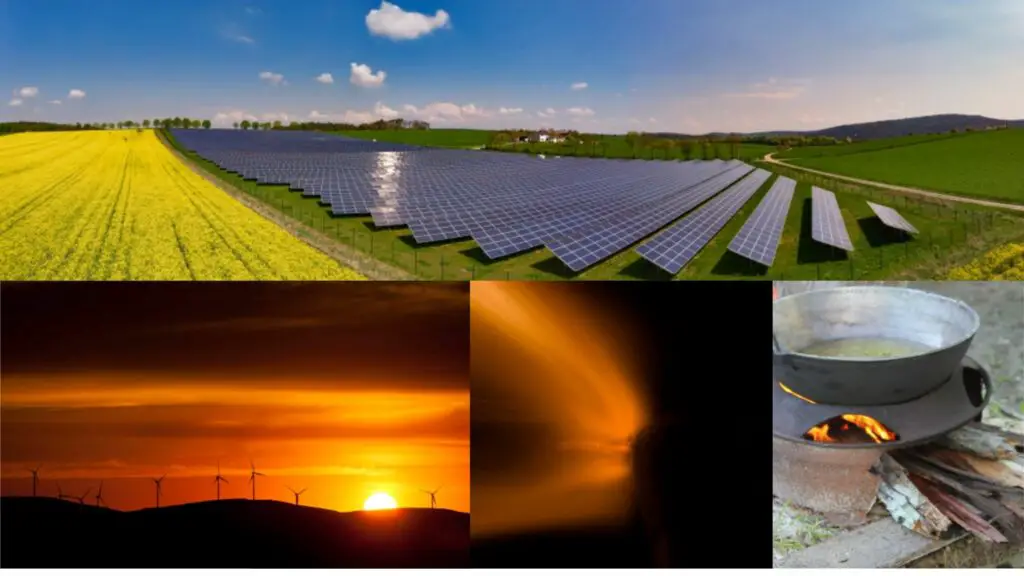
Solar panels capturing sunlight, representing next-generation renewable energy technologies shaping clean power systems beyond 2025.

Renewable Energy Technologies for 2025 and Beyond

Renewable Energy Technologies for 2025 and Beyond

The world is increasingly focused on transitioning to sustainable energy systems. Renewable energy technologies are at the forefront of this shift, and advancements in these technologies are rapidly changing the energy landscape. By 2025 and beyond, we can expect to see even more significant progress, especially with the integration of cutting-edge tools like machine learning, quantum computing, and artificial intelligence.

Current State of Renewable Energy

Diverse Applications: Renewable energy has broad applications across energy, transport, transmission, storage, and daily activities.

Global Expansion: There is growing interest in renewable energy, with applications in various fields.

Key Technologies: Solar, wind, hydro, and biomass are key renewable energy sources, each offering unique benefits and opportunities.

Leading Countries: India is making strides in renewable energy development, with Rajasthan playing a significant role in expanding renewable power capacity.

Distributed Generation (DG): DG systems, especially those based on renewable energy resources, are gaining traction.

The global renewable energy landscape is rapidly evolving, with solar (35%), wind (30%), hydro (20%), and biomass (15%) leading the charge toward decarbonization, as highlighted in the 2023 distribution pie chart. Cutting-edge technologies like AI and machine learning are accelerating this shift—Blockchain-managed microgrids in Uttar Pradesh and AI-driven load frequency control algorithms exemplify how smart systems optimize energy forecasting, storage, and grid stability. These innovations are not just theoretical; flowcharts visualizing AI integration reveal actionable pathways for balancing supply-demand gaps and enhancing efficiency. By 2025, such tools will be indispensable for managing distributed generation and ensuring seamless renewable integration into existing grids

Integration of Machine Learning and AI

Enhanced System Design: Machine learning and deep learning techniques are being applied to renewable energy systems for modeling, forecasting, and optimization.

Microgrid Energy Management: Advanced technologies like Blockchain are being used for managing rooftop solar energy, as demonstrated by pilot projects in Uttar Pradesh.

Load Frequency Control: Artificial intelligence algorithms, like the Bacterial Foraging Optimization Algorithm (BFOA), are used to enhance system stability in microgrids with renewable energy sources.

Quantum Computing Potentials

While the sources do not directly detail the applications of quantum computing in renewable energy, it’s potential lies in:

  • Optimizing Energy Storage: Quantum computing could revolutionize battery technology and other energy storage solutions, making them more efficient and cost-effective.
  • Improving Grid Management: Quantum algorithms may optimize complex energy grid systems, enhancing distribution and reducing waste.

Key Areas of Advancement

Biomass and Waste-to-Energy Conversion: Technologies like hydrothermal processing and anaerobic digestion are becoming more prevalent. Microbial fuel cells are emerging as a promising innovation for sustainable wastewater treatment while generating electricity.

Solar Energy: Quantum dot sensitized solar cells (QDSSCs) are attracting interest due to their electrical and optical properties, with power conversion efficiencies close to dye-sensitized solar cells. Solar air heaters (SAHs) are also being optimized for better performance using locally available resources.

Energy Storage: Energy storage systems (ESS) are crucial for integrating renewable energy sources into the grid, addressing power quality issues, and ensuring proper energy management. Hybrid energy storage systems (HESS) that combine batteries with other storage devices like supercapacitors are being developed to improve battery life and system performance.

Microgrids: DC microgrids (DC-μG) are emerging as a solution for rural electrification, offering cost-effectiveness and ease of control.

Looking ahead, quantum computing and hybrid energy storage systems (HESS) promise revolutionary breakthroughs. Quantum algorithms could unlock ultra-efficient battery designs and grid optimization, while HESS—combining batteries with supercapacitors—extends storage lifespan, as depicted in the 2023–2025 Gantt chart. Meanwhile, policy frameworks like India’s Renewable Purchase Obligations (RPO) and Technology Development Policy (TDIP) are catalyzing domestic innovation, from quantum dot solar cells to rural DC microgrids. Despite challenges like infrastructure costs, the synergy of AI, quantum computing, and robust policy signals a future where renewable energy isn’t just viable but irreplaceable—a cornerstone of global sustainability by 2025.

Policy and Standards

Government Initiatives: Policies and regulations play a vital role in promoting renewable energy, energy storage, and electric vehicles.

Technology Development: Programs such as the Technology Development and Innovation Policy (TDIP) encourage domestic manufacturing of renewable power devices and systems.

Renewable Purchase Obligations (RPO): Regulations and mechanisms are expected to support the improvement of renewable electricity technologies.

Challenges and Future Directions

  • Integration: Effectively integrating renewable energy into existing power grids remains a challenge, necessitating advancements in grid infrastructure and energy storage solutions.
  • Technological Innovation: Further research and development are essential to enhance the efficiency, durability, and cost-effectiveness of renewable energy technologies.
  • Policy Support: Supportive policies and regulatory frameworks are crucial for creating an environment conducive to renewable energy growth.

Conclusion

Renewable energy technologies are set to transform the energy sector by 2025 and beyond. The integration of machine learning, AI, and potentially quantum computing will drive further innovation and efficiency. With sustained policy support and continued technological advancements, renewable energy can pave the way for a sustainable and secure energy future.

Exploring Regional Biomass Supply Hubs: Business Potential and Funding Mechanisms

Renewable Energy Technologies for 2025 and Beyond Read More »

hydrogen fuels

Exploring the Future of Biofuels: How Hydrogen Fuel is Revolutionizing Renewable Energy

Exploring the Future of Biofuels: How Hydrogen Fuel is Revolutionizing Renewable Energy

In our quest for sustainable energy solutions, hydrogen fuel has emerged as a groundbreaking alternative that promises to reshape the renewable energy landscape. This clean, versatile energy carrier is pioneering new possibilities in transportation, industrial processes, and power generation, marking a significant milestone in our journey toward a greener future.

hydrogen fuels

The Rise of Hydrogen as a Clean Energy Solution

The growing global focus on reducing carbon emissions has thrust hydrogen fuel into the spotlight. Unlike traditional fossil fuels, hydrogen produces only water vapor when used, making it an environmentally friendly alternative that could help combat climate change. This remarkable characteristic has captured the attention of governments, industries, and environmental advocates worldwide.

Understanding Hydrogen Fuel Technology

Hydrogen fuel technology operates on a fascinating principle: combining hydrogen with oxygen in a fuel cell to generate electricity. This process, known as electrolysis, creates a powerful energy source with zero direct emissions. The technology’s elegance lies in its simplicity and efficiency, offering a compelling solution to our energy needs.

Applications Across Multiple Sectors

Transportation Revolution

The transportation sector is witnessing a remarkable transformation with hydrogen fuel cell vehicles (FCVs). Major automotive manufacturers are investing heavily in hydrogen technology, recognizing its potential advantages:

Longer range compared to traditional electric vehicles

Faster refueling times (3-5 minutes)

Higher payload capacity for commercial vehicles

Zero emissions during operation

Leading car manufacturers like Toyota, Hyundai, and Honda have already launched hydrogen-powered vehicles, with many others following suit. The hydrogen fuel cell truck market is also expanding rapidly, offering a promising solution for long-haul transportation.

Industrial Applications

Hydrogen’s versatility extends beyond transportation. Industries are increasingly adopting hydrogen fuel for various applications:

  1. Steel Production
  • Replacing coal with hydrogen in steel manufacturing
  • Reducing carbon emissions in heavy industry
  • Creating cleaner industrial processes
  1. Power Generation
  • Providing grid stability
  • Enabling energy storage solutions
  • Supporting renewable energy integration
  1. Chemical Manufacturing
  • Producing cleaner fertilizers
  • Supporting sustainable chemical processes
  • Reducing industrial carbon footprint

The Green Hydrogen Revolution

Production Methods

The production of hydrogen fuel presents various options, each with its environmental implications:

  1. Green Hydrogen
  • Produced using renewable energy sources
  • Zero carbon emissions during production
  • Increasingly cost-competitive
  1. Blue Hydrogen
  • Produced from natural gas with carbon capture
  • Lower emissions than traditional methods
  • Transitional solution toward green hydrogen
  1. Grey Hydrogen
  • Traditional production method
  • Higher carbon footprint
  • Currently being phased out

Economic Implications and Market Growth

The hydrogen fuel market is experiencing unprecedented growth, with projections suggesting a market value of over $200 billion by 2030. This growth is driven by:

Increasing government support and incentives

Falling production costs

Technological advancements

Growing environmental awareness

Investment Opportunities

The hydrogen economy opens up diverse investment avenues spanning several key sectors, from building essential infrastructure and advancing technological innovations to expanding manufacturing capabilities and streamlining supply chains. These interconnected areas present compelling opportunities for investors looking to participate in the growing hydrogen market and its supporting ecosystem.

Overcoming Challenges

Despite its promise, hydrogen fuel technology faces several challenges that need addressing:

Infrastructure Development

The widespread adoption of hydrogen fuel hinges critically on comprehensive infrastructure development across multiple fronts. This includes constructing a network of hydrogen refueling stations, establishing robust distribution networks, creating adequate storage facilities, and developing efficient transportation systems to move hydrogen from production sites to end users. These foundational elements must work in harmony to support the transition to a hydrogen-based economy and ensure reliable fuel availability for consumers and industries alike

Cost Considerations

The economic landscape of hydrogen adoption presents a complex picture, as production costs continue to decline but significant challenges persist. The substantial initial infrastructure investment requirements, ongoing need for production efficiency improvements, journey toward achieving economies of scale, and intense competition with established technologies all impact the financial viability of hydrogen solutions. These economic factors play a crucial role in determining the pace and scope of hydrogen technology adoption across various industries.

Environmental Impact and Sustainability

The adoption of hydrogen fuel offers significant environmental advantages that extend far beyond its immediate use. As a clean energy carrier, it produces zero direct emissions when utilized, dramatically reduces society’s reliance on fossil fuels, enables greater integration of renewable energy sources into the power grid, and contributes to enhanced air quality in urban environments. These environmental benefits make hydrogen a compelling solution in the global effort to combat climate change and create more sustainable cities.

Also Get the latest

Carbon Footprint Reduction

When produced using renewable energy, hydrogen fuel can significantly reduce carbon emissions:

  • Transportation sector emissions reduction
  • Industrial process improvement
  • Power generation cleanliness
  • Overall environmental impact minimization

Future Prospects and Innovations

The future of hydrogen fuel looks promising, with ongoing developments in:

Technological Advancements & Market integration

Hydrogen Fuel’s Future: Technological Advancements and Market Integrations

The sources suggest that the future of hydrogen fuel is closely tied to the growth of renewable energy sources (RES). As the share of RES in power generation increases, the need for large-scale electricity storage and grid balancing solutions becomes crucial. Hydrogen, produced through electrolysis powered by RES (referred to as Power-to-Hydrogen or P2H), emerges as a promising solution to address these challenges. Electrolyzer technology, particularly when coupled with RES, is expected to play a critical role in decarbonizing various sectors, including transportation, industry, and energy.

While the transportation sector is often envisioned as a primary market for hydrogen fuel, the sources indicate that industrial applications, particularly as a feedstock, may offer a more immediate and economically viable pathway. This is due to the existing demand for hydrogen fuels in industries like chemical and petrochemical, and steel production, coupled with the potential to “green” natural gas by blending hydrogen into existing pipelines. The cost of hydrogen production from electrolysis, while currently higher than conventional methods like steam methane reforming (SMR), is projected to decrease over time due to advancements in technology and economies of scale. Additionally, the ability of electrolyzers to participate in ancillary electricity markets, such as frequency control, can enhance their economic viability. The sources also highlight the potential for international hydrogen trade, with countries like Australia and Norway positioned as potential exporters to meet the growing demand in regions like Japan.

Conclusion

Hydrogen fuel represents a pivotal technology in our transition to a sustainable energy future. Its versatility, environmental benefits, and growing market presence make it an increasingly attractive solution for various sectors. As technology advances and costs decrease, hydrogen fuel is poised to play a crucial role in achieving global sustainability goals and reshaping our energy landscape.

The revolution in hydrogen fuel technology is not just about creating a new energy source; it’s about building a sustainable future for generations to come. As we continue to innovate and overcome challenges, the potential of hydrogen fuel to transform our energy systems becomes increasingly evident. The journey toward a hydrogen-powered future is well underway, and its success will depend on continued collaboration between governments, industries, and communities worldwide.

Exploring the Future of Biofuels: How Hydrogen Fuel is Revolutionizing Renewable Energy Read More »

Scenic photograph of a single wind turbine silhouetted against a sunrise or sunset sky with orange and pink clouds, standing on rolling hills with mountain ranges visible in the misty background. Bold stencil-style text reading 'BUSINESS ENERGY RATES' overlays the upper portion of the image.

Ways to Minimize Business Energy Rates

Ways to Minimize Business Energy Rates

Energy consumption is caused by real economic growth. This is productive energy consumption and can produce added value in economic activity. There is also a significant relationship between energy consumption rates and National GDP. Energy utilization by all sectors includes the consumption of primary, secondary, and tertiary industrial sectors and household industries also. Electricity/Energy consumption behavior in Business energy rates can be influenced by electricity prices. The lower the price higher the economic activity. There is a found bidirectional causality relation between electricity price and electricity consumption. Also, differences in electricity prices have a direct impact on electricity demand and investment demand. So in this study, many factors and solutions highlighted lead to the ways to minimize Business energy rates.

Business Energy Rates

Business energy rates is the amount paid per kilowatt hour for any business in form of electricity or gas. All type of energy forms are mainly related to electricity/Power and gas. Both these convert into energy for used in recommended technology. There are several factors involved in the fluctuation of the Business energy rates. The most common is the increase in oil prices leads to higher production costs. Ultimately the burden goes to the Consumers or business owners. An increase in Business energy rates has an impact on inflation.

Minimizing the Business energy rates

Nowadays the biggest challenge is how to use sustainable methods to minimize business energy rates. There are many ways but a few will discuss. Today, more than ever, energy management is the most challenging task facing utility managers. With energy costs skyrocketing, utility managers have to do more than crank up thermostats in the hope of reducing utility bills. It is important for managers to take an active approach to understanding and manage the energy resources required for their facilities. There are many ways to minimize business electricity rates. Bioenergy, biofuels, solar rooftops Pv, wind energy, waste Management, and many more. All these resources are green energy and clean energy and also carbon neutral.

rates of business energy

Bioenergy

It takes millions of years to create fossil fuels, but in contrast, biomass is an important energy source that is easy to grow, use and store without depleting natural resources. Basically, biomass is classified into two main categories. On land, it consists of starch, sugar and cellulose-based biomass and aquatic biomass, including macroalgae, microalgae and cyanobacteria. These resources are valuable to each country but also benefit national economies. In developing countries by improving trade and employment opportunities by providing energy stimulating the development of rural areas. It reduces greenhouse gas emissions and greenhouse effect.
Nearby renewable energy generation may provide a viable alternative. Harnessing the agricultural sector for bioenergy can lead to economic growth that also reduces hunger and poverty.

Bioenergy
Bioenergy

Waste management

The term Solid Waste Management (SWM) has now become a global concern due to increasing population, economic growth, complexity in consumption patterns, urbanization, and global industrialization. There is insufficient knowledge to implement integrated solid waste management or synthesis programs that integrate environmental and cleaner technology and eliminate hazardous materials in municipal waste. Developed countries such as India and China, among other countries, have implemented innovative methods such as biological treatment, heat conversion and waste recovery and recycling (waste to energy). In some developing countries, waste recovery and recycling projects are relatively new, but they are flawed in less developed countries such as Malawi, Senegal, Liberia, Nepal, etc. Many developed countries have adopted advanced thermal combustion methods, such as pyrolysis and gasification, and recycling technologies and techniques.

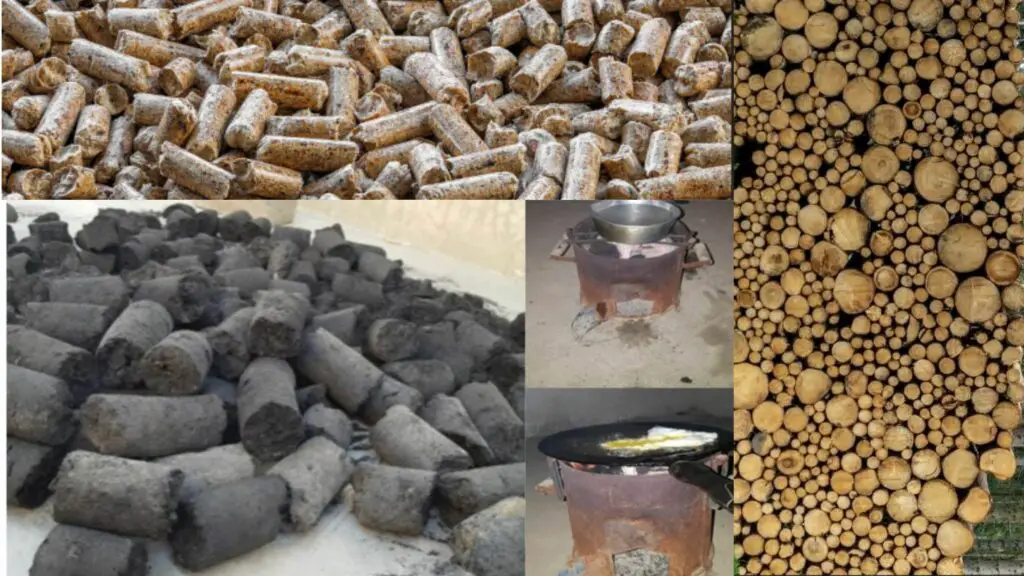
The best example is the usage of sawdust generated from furniture making workshops can be used to make Pellets, Charcoal briquettes. These products can be used in many industries to meet the lowering the cost of Business energy rates.

waste management
waste management

Wind energy

The Wind energy, the world’s speediest developing energy source, is a clean and renewable source of energy. It has been in utilize for centuries in Europe and more as of late within the US and other countries. Wind turbines, both expansive and little, produce electricity for utilities and home owners and remote villages. Among different renewable energy sources, wind energy in specific has accomplished development in the energy markets, and has experienced the most noteworthy growth worldwide over the past few years.The electrical energy generation of the world in 2004 was 17,450 TWh(Tear-watt hour) and it is evaluated that the world will consume 31,657 TWh in 2030. In terms of Business energy rates wind energy, which could be a sort of renewable energy, has the potential to be utilized for the power generation.

Power generated by wind energy isn’t fair generally easier but is also much more environmental friendly as compared to control generation using non-renewable sources just like the fossil fuel and coals. Considering that business energy utilization around the world has been increasing throughout a long time, exchanging to wind energy can be a viable move.

The best way to utilize, trace the wind corridors nearby you through research and modern techniques. Then install small or large-scale wind turbines and make business estates and industrial areas to get utilized maximum wind energy.

wind energy
Wind energy

Solar energy

The number of residential families with housetop photo voltaic (PV) boards has developed quickly over the past few long time. This growth is driven by low (and falling) PV costs and the increasing price of power from the control network in numerous ranges. Clients diminish their net buys of power from the grid by adopting PV; be that as it may, the costs brought about by utility companies do not diminish in the extent to the diminish in energy consumed. This is because utilities pay for transmission and conveyance foundation and these settled costs are recuperated over decades Electricity rates must increase as request diminishes so that utilities can recover settled costs.

These rate increments can result in even more motivations to receive advances that decrease utilization from the network. Hence, the selection of PV leads to a positive input cycle via expanding power rates.

Rooftop solar
Rooftop solar

Global trends of Business Energy rates

The reduction in business energy rates is a growing trend in the US. The price of natural gas has decreased by nearly 50% since 2014, which has led to a decrease in the cost of electricity. This reduction in the cost of electricity and natural gas has led to a decrease in business energy rates.

China has had double-digit rates of financial development for much of the past two decades. This development has had gigantic suggestions for energy utilization and environmental impact. The cost of energy in China is rising, and the government is taking steps to address the issue. China’s energy industry is dominated by coal, oil and natural gas, which account for 87% of total energy consumption. China is the world’s largest energy consumer. It is also the world’s second-largest economy and has a rapidly growing middle class.
Some of the ways to minimize business energy rates in China are.The Chinese government has taken a number of measures:

1-Use renewable energy sources such as solar and wind power.

2-Install smart meters that can help you monitor your consumption.

3-Utilize more efficient equipment for your business such as LED lighting, high-efficiency boilers, and refrigerators.

Japan is the world’s third-largest economy. It is also one of the most energy-intensive countries in terms of electricity production. This has led to a significant increase in energy rates over the past few years, which can be an issue for businesses.The Japan Trade Energy Rates are one of the most highest in the world. The following implications are adopted by the government of japan:

1) Inquire about company’s energy utilization designs – The primary step is to inquire about your company’s energy utilization patterns. You’ll do this by looking at past bills or by utilizing a web device like Google PowerMeter.

2) Utilize a Programmable thermostats that permit you to set distinctive temperatures for diverse times of the day and week, which can spare you cash and decrease your energy use.

3) Use a power strip with a timer- A power strip with a timer allows you to turn off electronics that are not in use, which saves electricity and reduces your bill.

Conclusion:

The conclusion for minimizing business energy rates is to use a renewable energy source, like solar power.

The best way to minimize business energy rates is by using renewable energy sources, such as solar power, wind energy, biofuels,green energy, and bioenergy. The best way to minimize business energy rates is to use a variety of energy sources for business company. This can be done by using on-site generation, rooftop solar panels, and storage batteries. With these three methods, the company will be able to minimize their rates and reduce the costs of its electricity bills. This study will be beneficial for both developing and developed countries as it also need of time regards with climate change. To search more renewable, green, and clean energy solutions can definitely lower the Business energy rates.

For more info about latest topics check links below

Green energy plants
bioenergy advantages

Ways to Minimize Business Energy Rates Read More »

Writing about renewable energy with a notebook against a natural landscape at sunrise

The write up of Renewable Energy

write up of Renewable Energy

Energy is an indispensable component of daily life as well as a critically important factor and input for all industries. The aim of this Blog/article was to promote the level of knowledge in developing and underdeveloped countries regarding the different types of renewable energy sources. The methods used for obtaining energy from these sources, and the areas of use for these energy sources. To ensure sustainable development, many countries are nowadays increasingly focusing on the research & development of the environment and on finding solutions to current critical environmental problems. One of the most significant approaches that are implemented for resolving environmental problems is the promotion of the use of renewable energy sources instead of fossil fuels, and writing articles and blogs to promote the sustainable products and procedures to save our world. The write up of renewable energy is a terrific campaign or moment upon collecting write-ups from all over the globe. These shareable write-up collections will work as helping hands from all over the world to save the earth.

Write up renewable energy

Further Elaboration of Write up of renewable reveals that it is basically the ways of living and thinking have one thing in common they treated nature as an infinite resource because the world is not finite he adds these ways of thinking and living are unsustainable. To make this sustainable The idea of write-up is an individual as well as a grouped-based campaign worldwide. The collection of short or long stories written in a simple way to express. Also in this Author introduces new & easy techniques to write based on Artificial intelligence(AI).

Write up renewables
Write up renewables

How to collect write up

There are seven categories of renewable energy sources (which include solar, wind, hydroelectric, geothermal, biomass, wave, and hydrogen energy). Each category contains so much potential that had been described and need more to describe. So from any of above mentioned category, anyone can write about in their own way. it may contain Advantages, drawbacks, socio-economic resilience, sustainable development, renewable resources of their own dwellings, Climate change, environmental pollution, indoor pollution, agri-based renewable, biomass energy and so much more. The write from every country will show the unsung people’s effort to each other rather than show the world who really doesn’t care about the world.

Write Ups
Write Ups

Write up a Renewable Forum

For the purpose to collect write ups Author makes a forum where anybody can share its work or a story easily & effectively. As a forum is a meeting or medium where ideas and views on a particular issue can be exchanged. there are many active forums but in this forum we will gather stories from every part of the world whether its written wrongly or inappropriately. The main purpose of this moment or campaign is to gather information from most underdeveloped & developing countries. These data show people an easy way to implement or how renewables can transform their life. As in such countries people or even governments don’t having enough budgets or schemes for the people who really want to resolve their issues & facing the real climate change or global warming consequences.

Latest Artificial Intelligence method

An AI(artifical intelligence) writing methodautomates one or more phases in the process of generating content. AI writing assistants can help with ideation, structure and even tone and style. so in this way even of less writing, skilled person can write up easily. In simple words, AI can cut the research time by summarizing large documents, so you don’t even need to wade through scientific journals or textbooks to find what you need.

AI writing
AI writing

Benefits of write up for renewables

The Great saying ” Content is the king” is now used for the debut of write up for renewable energy sources.The collection and information regarding the stories from different regions will increase the group discussions. The result will increase the untold stories to be revealed and get appreciated to people of same interests or thinking. For example Author’s own write up on bioenergy potential could give a thousand ways to earn and learn how to save the different entities of the earth.

The Expedition of biomass energy such as composite briquettes of sawdust becomes a good source of renewable energy for household cooking. This product contains so many benefits. A broad biomass range includes wood waste from forest-based industries crop residues food and paper industries residue municipal solid waste. it can be utilized in different energy types such as heat electricity combined heat& power and some other types of bioenergy. Biomass is referred to all biological matters including all kinds of substances originating from living organisms and it’s the 3rd largest energy source of the world. Since understanding the application and viability of the briquettes. The author started working five years ago. The author starts by simply making briquettes in a pot by mixing the char with starch(binding agent). Then used later these briquettes to fry an egg for breakfast. In this blog Author shares, it entire effort to show the world, especially developing countries. in this Blog/article a case study of the expedition of biomass energy short brief is discussed. By implementing more or less you will become part of the movement to fight against climate change & save the world before it’s too late. For more information checkout the A Case Study of the Expedition of Biomass Energy

Benefits of write up

Socio-Economic Aspects of write ups

Sustainability has acquired great importance due to the negative impact of various developments in the environment. The use of renewable energy sources is a fundamental factor for a possible energy policy in the future. In the majority of cities that have installed significant amounts of renewable energy over the last 20 years.Although different reviews and views are published in different research papers and books for this development. They have their own value and are highly appreciable. In fact reading articles and understanding its rationale need high qualifications and skills but the environment is not the problem of only graduate or post-graduate scholars it now become a common issue. The issues need to be addressed for the common people and by the common people. so in this regard, write-up for renewables is the easiest way to express your concerns and knowledge about preserving our environment & earth. This will enhance both social and economic awareness of the key benefits of Renewable energy resources.

Socio-Economic aspects

Categories of content as write up

In the category section, any individual from any part of the world can share a story, Image, video or any type of relevant content that shows immense effort in the way to make the world sustainable. The other different type of content is Blogging. Longform Content.Case Studies.White Papers.Ebooks.Infographics.Template & Videos. The admins will monitor all the relevant content before being published on the forum.

Recommendtions/Conclusions

In all the abovementioned instances, the outcomes from forum discussions and collection of write up of renewable energy will enable us to Prompt us to do elaborate environmental planning based on a really comprehensive environmental impact assessment before any large-scale renewable energy system is actually installed Prompt us in rational site selection for a renewable energy project so as to ensure maximum compatibility with the environment and minimize adverse impacts. Prompt us in making ourselves aware of the niches of various renewable energy systems; an energy generation system that is ideal for one type of use, or for a given region, need not be so in all situations. So these implication is a just a drop of rain on the sea but together we can mold this sea into a new direction that can both save us and our beautiful world.

For more details & related Blog/Articles

The laud of Affiliates marketing and energy
The Nexus of Renewables to Energy Impediment


The write up of Renewable Energy Read More »

Glowing light bulb symbolizing solar energy as a route to clean and sustainable power

The Route to Solar Energy

Route to Solar Energy

Sun is an inexhaustible source of energy capable of fulfilling all the energy needs of humankind. The sun provides 1.7 x 10²² J of energy in 1.5 days. This energy is equal to all the energy that can be supplied by 3 trillion barrels of total oil resources found on Earth. The total annual energy used by humans in 1 year is 4.6 x 10²⁰ J. This energy is supplied by the sun in 1 hour. Developing sustainable energy resources & Route to solar energy is one of the most urgent missions for human beings as increasing energy demand is in drastic conflict with limited global fossil fuels. Among the various types of sustainable energy resources, solar energy is considered to be promising due to its inexhaustible supply, universality, high capacity, and environmental friendliness.

The route to solar energy

The term “Route to solar energy” is referred to here as a way to use solar energy in both houses and business areas. By using solar energy also promote and join the many affiliate programs available worldwide. These programs also lead to awareness of renewables and also help in to earn money for a good livelihood. It is a well-known fact that the earth is in serious need of rehabilitation and steps need to be taken to address it. There are many possible directions that can be taken to remedy this and one best method is to turn to renewable energy sources. The most demanding and viable is solar energy out of all renewable energy sources. Solar affiliate programs make the most of growing demand and even though it is still in its early stages, there are already a fair amount of programs out there and it can be tricky to navigate. The author have gone through the sea of programs in the solar industry and have compiled a list of the ten best affiliate marketing programs for you. Major programs are from amazon e-commerce, and so many others.

Solar Panels

The quality of solar panels or Pv cells depends on its material & different parameters. A lot of research has been done in this area to find out the most efficient and cost‐effective material for PV cells. The requirements for ideal solar cell materials. The material used for manufacturing the solar cells should have a band gap between 1.1 and 1.7 eV. The material should have a direct band structure. readily available and nontoxic, suitable for large reproduction, good PV conversion, efficiency, and long‐term stability factor. so keeping in mind here are the best products and panels that are available solar panels, solar watches,

Solar panels
Solar Panels

Solar Lights

The cheapest solar product is solar lights. This solar product is very useful in many aspects and apart from its cost and implication is a little confusing but it is a very awesome product. These are a great way to provide lighting to a street, roadway highway, houses, or offices. As a result, this can lower installation costs, reduce the need for tons of wiring, and reduce the maintenance and project costs over the system’s life. Most important they are independent of the grid, Solving problems down the line affecting every light, such as blackouts or breaks in the underground lines. The best ever products available in solar lights are Solar Light gama. This brand also offers its affiliate marketing links.

Solar lights
Solar lights

Solar panel Chargers

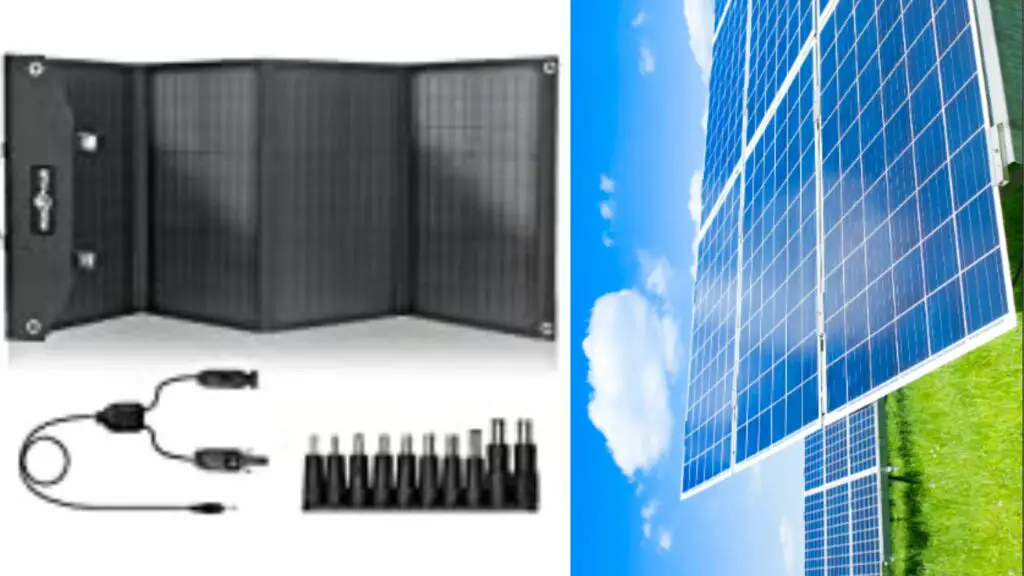
These solar chargers convert sunlight into electrical energy through photovoltaic (PV) panels. These are the most important part of the solar panel used generally. There are so many types and ranges available for solar panels in which can be used according to the requirements. For best results Author recommendation is the renogy solar panel chargers.

solar charger
Solar charger

Solar string lights

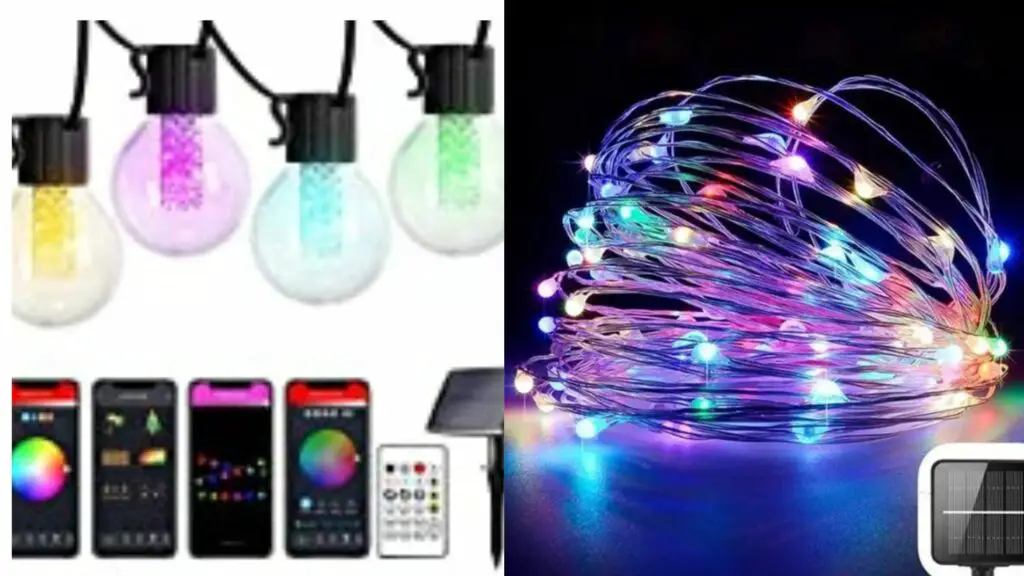
Obviously, Solar string lights get energy from the sun and are so handy. Just make sure the charging panel is in a location that gets plenty of Sun, and as darkness creeps in, watch as your outdoor space comes to life with light. These solar string lights to four lighting modes and USB charging ability. Make any gathering with slow flash, quick flash, pulsating, or steady light modes, and rest easy knowing the set is waterproof and the bulbs are shatterproof. The lights can illuminate for up to 8 hours with a full charge. This awesome and great product readily available on many stores worldwide but the highly recommended String lights , Solar led string.

solar string lights
Solar String lights

Portable Solar panels

The Portable Solar panels, also known as flexible solar panels, are lightweight, thin-filmed solar cells that have light-absorbing layers approximately 350 times smaller than the standard silicon panel. Their design is a great improvement over that of their predecessors. This product helps so much in the many aspect on daily basis. so buying and trying it makes a great fun, Potable solar panels,Portable flexible solar panel.

Portable solar panel

Wireless Solar Deck lights

This is a very amazing product. The wireless Solar deck lighting is important for safety, but it also helps create a more relaxing and useful atmosphere for entertaining. few amazing facts are Ease of Installation, Solar lights are typically self-contained units that are wireless. This makes them one of the simplest lighting systems to install, particularly when it comes to adding lighting to an old deck. These don’t just come in one brightness. You can find different brightness, which are lights that use more power and therefore glow brighter. This allows you to create depth in lighting. The best-recommended product is Solar deck, Solar Deck waterproof.

Solar deck light
Solar deck light

Solar bug killer Torch

A little but a very essential part of home decor. The Bugs, mosquitoes, bees, and other insects are a pretty engaging problem in most Asian countries. The PIC Solar Insect Killer Torch offers an effective cordless solution for attracting and killing flying insects. This bug zapper’s contemporary design also provides LED flame-effect ambient lighting and can be used on a tabletop or stuck in the ground. The best usage reviews and result-orientated product solar bug killer, Solar bug zapper.

Solar Exhaust fan

A sun can work for us. let’s see how it is sustainable and beneficial in all aspects. With a solar exhaust fan, the sun works for you! Because this fan uses solar power there is no increase on your utility bill. Another benefit to reducing the strain on your air conditioner is reduced cooling costs. When an air conditioner runs all day, those costs add up and show on your electric bill. Your air conditioner won’t have to work as long and as hard to keep your house cool. Also in the winter season, They also prevent condensation in your insulation which reduces mold and mildew. To get the best product in a cheap range Solar exhaust fan,14″, Solar Attic fan.

Solar Exhaust fan
Solar Exhaust fan

Solar Fan 5W

The most incredible and useful product especially for developing countries is the Solar fan. Solar fan is a solar cooling device that runs on solar panels. These are efficient because they are powered by energy from the sun and do not require electricity. By using renewable solar technology to power the devices installed in your home, you can save energy and money while making an environmentally conscious choice. The mechanism of working is very simple, When the sun hits the solar panel connected to the fan, it will cause the blades to start running, it can be called as solar-powered fan. The high-quality fan with the most amazing reviews recommended solar fan, solar fan remote.

Solar fan
Solar fan

Solar Pathway lights

The solar pathway lights are very popular and elegant product. In spite by their immense uses and applications, these are very durable and cheap in price. There are many cases where grid power is brutal to run out along a roadway, either due to the area’s remote nature or just because the city or municipality doesn’t want the added expense. using these lights are a great way to provide the light without all the additional cost of trenching out the grid, adding the additional electrical costs, and providing a green alternative to traditional lighting. The product based on the great reviews and best among all recommended is Led pathway lights, 12 pack solar pathway lights.

solar pathway lights
Pathway lights


Conclusion/Recommendation

The future of Solar energy & The route to solar energy can be reframed in a few words”It could well be that by 2030, solar will have become the most important source of energy for electricity production in a large part of the world”. In this blog/article some of the few products of cheap price are shown or prescribed which highlight the market and usage proportions. So as soon as we understand the potential uses of solar products and market it through affiliate programs. we will be benefited the most. This plan of business is the most sustainable plan for earning money and saving the environment. So use the products and promote the Route to Solar energy worldwide.

To get more checkout Related Blogs

Laud of Affiliate Marketing & energy

Energy expedition of Biomass


The Route to Solar Energy Read More »

A hand holding a lightbulb with a tree growing inside it, surrounded by icons for recycling, wind energy, electricity, housing, plants, and water, against a green background with the text "Nexus of Renewables to Energy Impediment

The Nexus of Renewables to Energy Impediment

Nexus of Renewables

The Nexus of Renewables to energy impediment is a defining expedition of how you can use renewables to generate heat sustainably. There are many ways you can learn and utilize to produce heat energy. These techniques and phenomena can easy to implement. Following are the few techniques that can be easily implemented. These postulates can be useful in homes and research laboratories. These techniques or postulates can lead to sustainable development.

Solar efficiency:

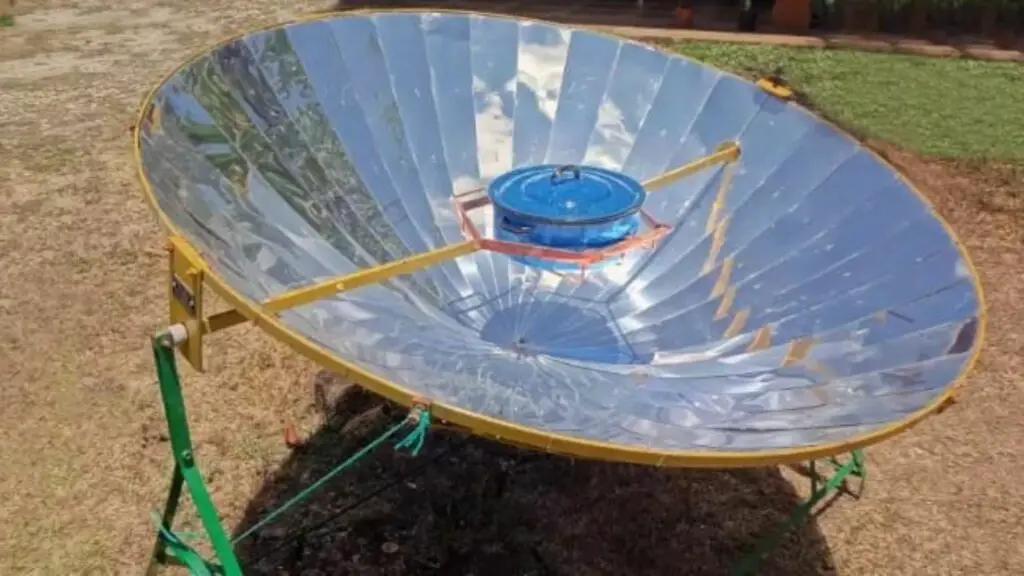
In My latest experience, solar cookers are great when they are big enough to do the cooking task in a reasonable amount of time. You can cook in the summer to cook lunch and dinner for 20 people. it’s nice to have a no-fuss oven that needs little tending. Solar cooking is certainly more comfortable when cooks don’t have to deal with a hot fire on summer days. You can used stored solar energy in the winter (biomass) and direct solar energy (sunlight) in the summer for cooking, heating water, etc.

Solar efficiency
Solar Efficiency

Solar cooking:

In a solar oven with the firepower of one pound of wood (burned in an hour) the intercepted sunlight should be about 6′ by 6′. This is the measurement at the top edges of the solar reflectors. The widest part of the cooker. About 1/3 of the energy cooks the food and about 2/3rds of the energy is lost. In our 6′ by 6′ solar oven, 3,000 BTUs would boil 2 gallons of water in about an hour. The lightweight pot is black, it has a tight lid, the oven is well insulated, and airtight. The glass is double glazed. The losses are minimized and the solar gain is optimized with large reflectors on all sides. Large amounts of food can be made every sunny day without using up any earthly resources. its a best example to understand nexus of renewables.

Solar Cooking
Solar cooking

Stove Implications:

When building and test stoves I often reflect on gentle advice that helped to improve the stove. In a 2-pot horizontal stove, channel gaps around the pots that are 0.75 constant cross-sectional area. That are a good compromise between maintaining needed draft and increasing heat transfer efficiency. The cross-sectional area of the fuel entrance in the Rocket combustion chamber. It was about 16 square inches so we made the channel gaps all the way to the chimney at 0.75 times 16 square inches. That’s all may help everyone to get a good stove or fire chamber within nexus of renewables.

Stove test Implications
stove test Implications

Promoting clean solution

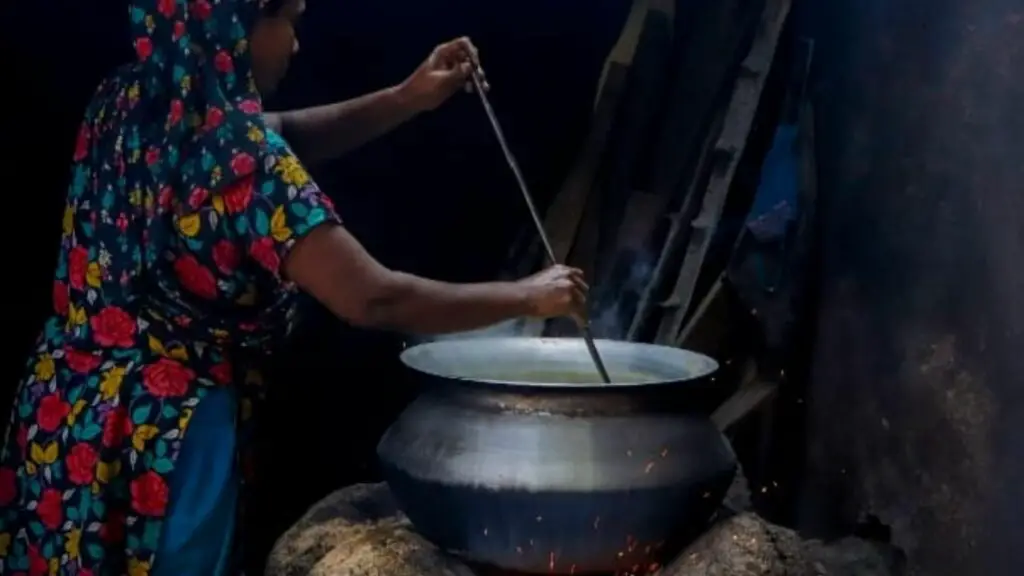
Providing clean energy to households is critical to achieving global climate and sustainable development goals. Smoke from fireplaces, cookstoves, and lighting is responsible for more than half of human-made black carbon emissions. The millions of premature deaths from household air pollution is also alarming.

stove solutions
Stove Solutions

Home Stoves effects

If stoves pollute the home, they certainly will in the fields. It had estimated at least 3 times more. Commercially available biomass cookstoves that meet World Health Organization standards are very rare. We should try to continue to be committed to doing research and development. To get the needed new stoves to market so that field studies will show success in sales, protecting health, saving wood, and making cooks happy.

Stove effects
stove effects

Start Research on the nexus of Renewables

The Water Boiling Test (WBT) measured in the lab how much wood was used at full power and when simmering water. The writers of the International Testing Standards defined the purpose of the WBT. While it does not correlate to actual stove performance when cooking food. It facilitates the comparison of stoves under controlled conditions with relatively few cultural variables. Another test Kitchen Performance Test (KPT) measured fuel use in actual households, and the Controlled Cooking Test (CCT) was a bridge between the WBT and the KPT. The Controlled (or Uncontrolled) Cooking Test to develop stoves with local committees. In this test, locals cook with their own fuel, pots, and cooking practices. So hopefully at Regional Testing and Knowledge Centers under the total capture emissions hood. Using the WBT in the lab or home has been a good tool to improve heat transfer and combustion efficiency. its a better way to understand the nexus of renewables. The cooks, marketers, manufacturers, and funders in the project have to make the stove. It must work for users. They are experts.

Boiling water test
Boiling Water test

Concepts of JET FLAME:

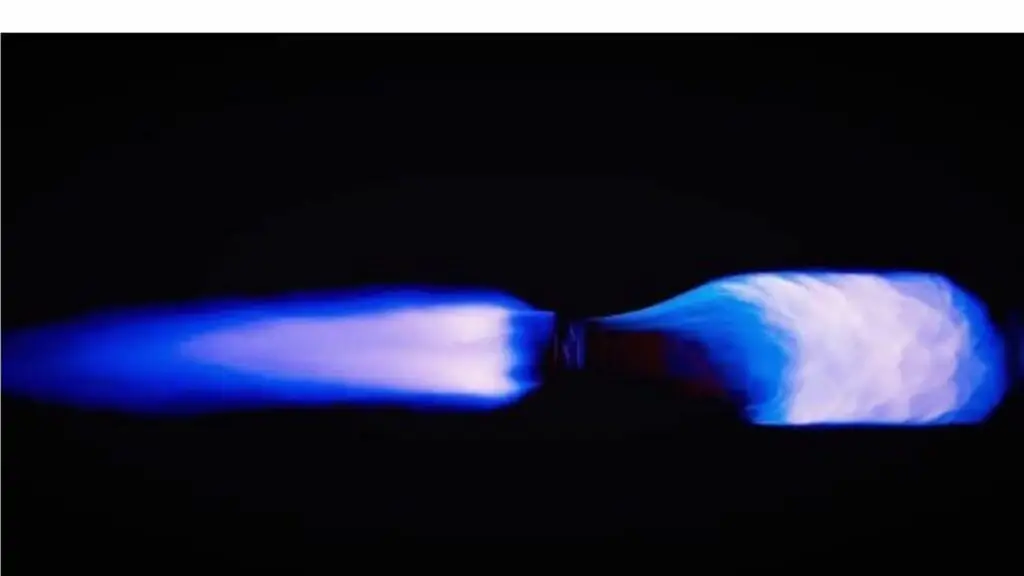
The Jet-Flame was developed from combustion concepts of combustion in fluidzed beds. In its most basic form, fuel particles are suspended in a hot, bubbling fluidity bed of ash and other particulate materials (sand, limestone etc.). Through which (under air) jets of air are blown to provide the oxygen required for combustion or gasification. The resultant fast and intimate mixing of gas and solids promotes rapid heat transfer and chemical reactions within the bed.”

jet flame
jet Flame

Inside & outside air quality

Here in rural Areas of Cholistan, unfortunately, smoke pours out of chimneys all day and night. As folks stay warm with wood especially in winter was. Heating stoves can be very smoky! The airtight chimney and stove get essentially all of the smoke outside of the building. The concentrations are and the stove gets essentially all of the smoke outside of the building where concentrations are diluted. Now, of course, trying to combine high combustion efficiency with effective chimneys. We need to protect the quality of the outside air, as well. The combination is intended to protect indoor and outdoor air. If the outdoor air is polluted it is less effective in lowering harmful concentrations. Combustion efficiency is always great. it protect health it must increase when the outside air quality is degraded.

Air quality
Air quality

Heat & Combustion:

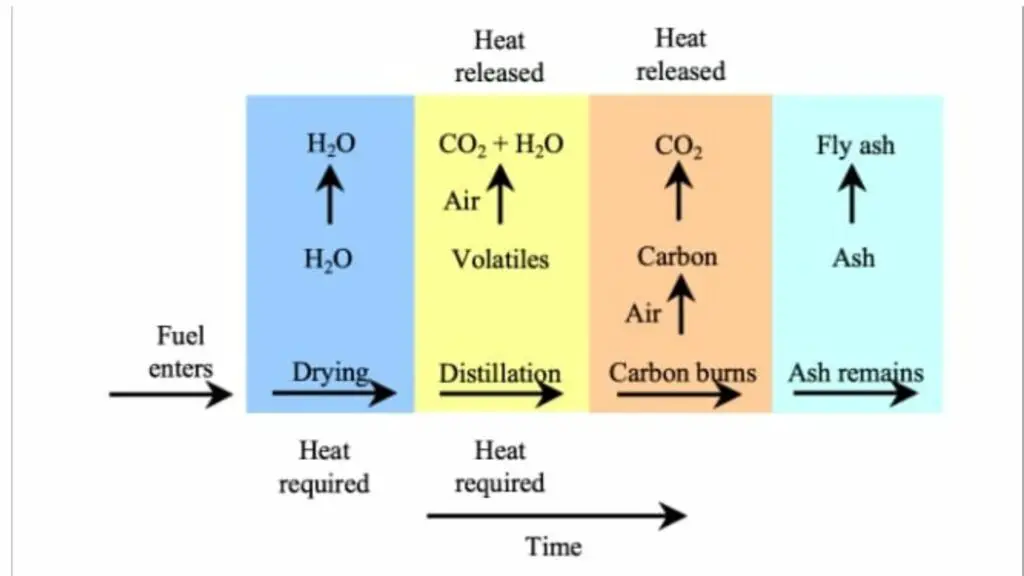
The combustion of wood and other raw biomass is very complicated but can be broken down crudely as shown in image below. The solid is heated to about 100ºC. The absorbed water is boiled out of the wood or migrates along the wood grain to cooler areas and re-condenses. At slightly higher temperatures, water that is weakly bound to molecular groups is also given off. Heat transfer through the wood is primarily by convection.”

Heat & Combustion
Heat & Combustion

Indoor sustainable solution of renewables

Venting emission targets is a necessary and ever-present goal. At the same time, wood-burning stoves can be improved in many other ways. Improving the smoky mud stove to use less fuel is not a complete cure but is very helpful, benefitting the user who either pays for the fuel or has to collect it. The functional chimney makes a tremendous difference by sending smoke and gas out of the kitchen, making it a more pleasant and healthy environment in reflection of the nexus of renewables.

Indoor sustainable
Indoor sustainable

Iso standard Compliance nexus of renewables

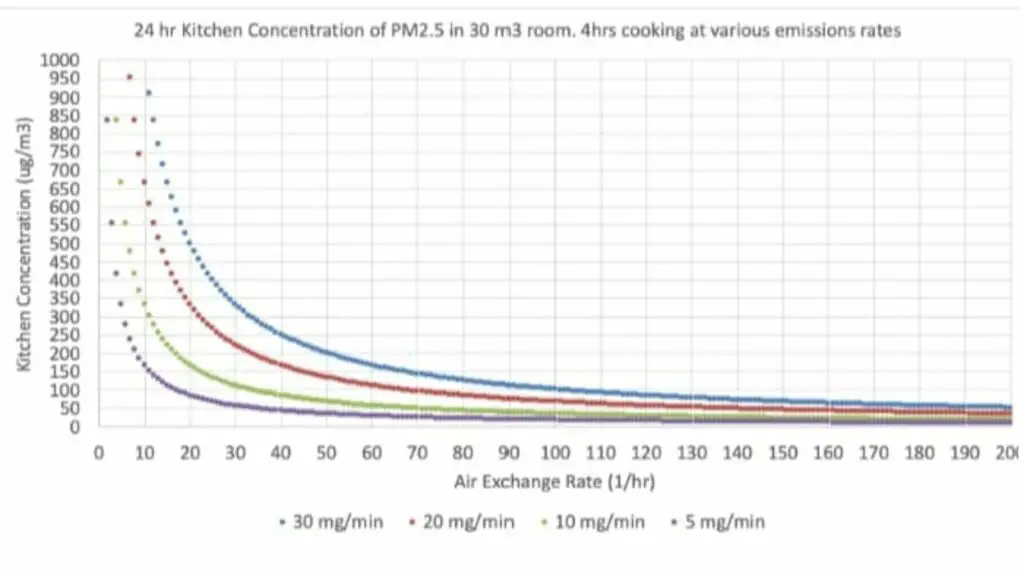
ISO 19867-3 reports that studies of air exchange rates have found a lot of variation in ventilation, from 4 ACH in very tight buildings to 100 ACH outside in the fresh air. At 100 ACH, with so much dilution occurring outside, achieving Tier 4 for PM2.5 and CO is easier. In our experience, the most successful and cost-effective interventions are situation-dependent. We find that a combination of approaches to protecting health enables welcome adaptability to the actual and interwoven circumstances.

ventilation effects
Ventilation effects

Ventilation effects on indoor sustainability:

By doubling the air exchange rate cuts pollution (PM2.5 and CO) in half. In a low ventilation situation, 10 ACH(air change per hour) Tier 4 requires that the emissions of CO are lower than 2.2 grams per megajoule delivered to the pot (g/MJd). But in a higher ventilation condition (30 ACH) the stove can be three times dirtier, emitting up to 7 g/MJd, and still be in Tier 4. Cooking outside is often employed by the cooks we work with because smoke is bothersome and unhealthy.

Air echange vs Kitchen concentration
Air Exchange vs Kitchen Concentration

Carbon Neutral & Fan box idea

Burning wood, agricultural waste, or even cow dung is a carbon-neutral energy source & also start a fire without making a lot of smoke. Fan Box or jet flame in a metal skirt around a cooking pot can help with fuel efficiency. This leads to generating carbon-neutral stoves & combustion chambers for households and industries.

Fan Box idea
Fan Box Idea

Filters to Fire Chambers

Generally, filtration can work very well to capture dust and smoke with reported efficiencies of up to 99%. Catalytic converters are placed into the hot exhaust path where temperatures are hot enough (above 426°C). They work well with CO (30% to 95%) but not so well to remove PM2.5 (30% to 40%) (Hukkanen, et al., 2012). The Swiss electrostatic precipitator (ESP) called the OekoTube has been measured to reduce PM2.5 by 80.2% to 97.7%. However, as in industrial uses, routine cleaning is necessary to remove creosote and other coatings that interfere with proper function. Unlike filters and catalytic converters, the low wattage ESP does not reduce the draft in the stove, which could be potentially advantageous also for the nexus of renewables.

Fire chambers
fire chambers

Stoves evaluation & Solutions

When cooking stoves are tested in the field the emissions of PM2.5 and CO are often higher than lab results. The wood can be wetter, the fire is made with less attention, and many real life variables create higher levels of pollution. It’s hard to imagine that unvented cookstoves for indoor use can be invented that will protect health when too much wet fuel is pushed quickly into the combustion chamber. Clean burning stoves require clean fuel just like automobiles. The sticks of wood need to be relatively dry and the metering of the sticks into the combustion chamber cannot happen too quickly. Adding a chimney is not always a possibility. In these cases, it is helpful to better understand the nexus of renewables move cooking out of the closed kitchen, for example under a veranda in the open air. Increasing air exchange rates by cooking under a veranda has been shown to dramatically lower concentrations of harmful PM and CO.

stove evaluations
stove evaluation

Barrel & Jet-Flame to renewables:

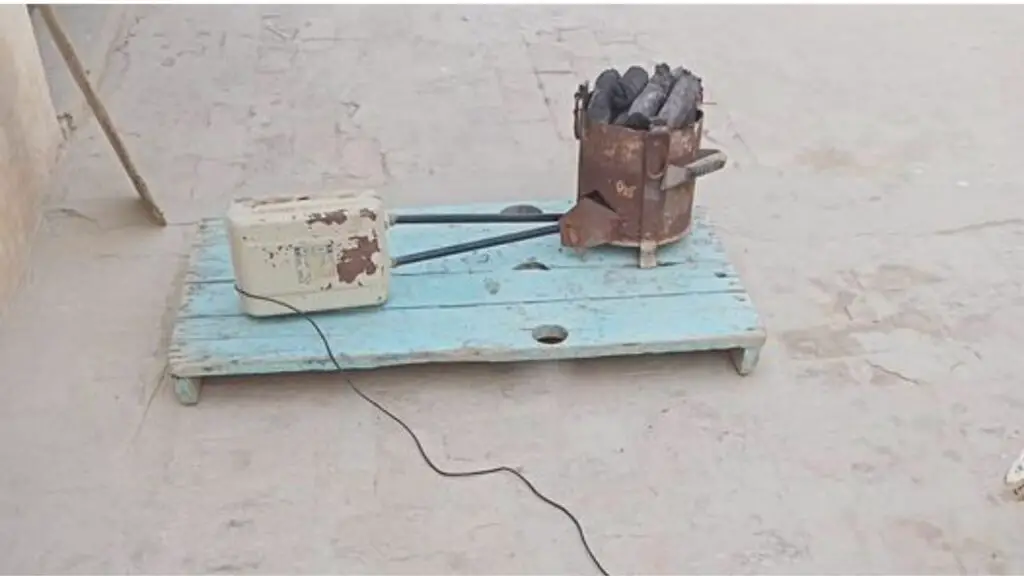
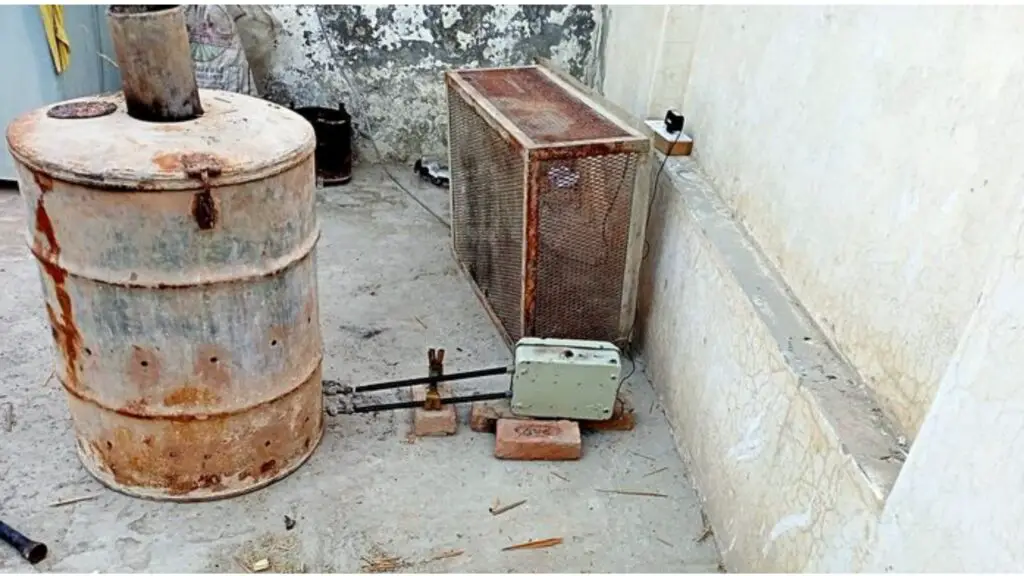
The Barrel with Bottom jet flame achieves around 1-2mg/min PM2.5 at high power without an appreciable amount of residence time, as seen below. The jets of forced air create a downward flow of flame but there is only 107cm between the top of the fuel bed and the bottom of the pot when starting the stove. when temperatures are around 900°C the near-complete combustion of CO and PM requires only short residence times of 0.5 second. During such conditions, the residence time in the post-combustion zone is of minor importance for minimizing the emissions of products of incomplete combustion. For optimal results, a residence time of 0.5 seconds is suggested.The Barrel with bottom jet flame is clean burning at 950°C with very limited combustion time. Perhaps the combination of

  1. Metering the right amount of wood-gas into the combustion zone
  2. Coupled with molecular mixing
  3. At around 950°C reduces the need for
  4. Longer combustion times.
Barrel as pyrolyzer for pyrolysis process
Barrel

Jet flame in stoves:

The Jet-Flame is used with a Three Stone Fire the jets of air blow up into the made charcoal improving the mixing of woodgas, air, and flame in a zone of intense heat. The combination of molecular mixing, higher temperatures in the combustion zone, and sufficient residence time results in dramatically reduced emissions and higher temperatures delivered to the cooking pot.

Jet flame
jet flame

Conclusions

As nowadays there is ongoing momentum on how to mitigate climate change, global warming and other issues of energy generation sustainability. These above-mentioned hacks have the potential to get the maximum result in policymaking. By understanding the point that we all can together save our environment. Starting from home or kitchen, By implementing these implications in fields, agriculture, in production of heat or another form of energy whether small or at a larger scale. if one’s starts on their own there will her a huge change in saving our environment. Adopting Sustainable development will eventually result in a better world. The energy resources and other reservoirs can be better utilized and will be a gift for upcoming generations. The purpose of the nexus of renewables to energy impediment is a part of the moment that is ongoing in the world for having the world in better hands or actually saving the world.

to get more related Articles & Blogs try Out Now https://biofuelspk.com/indoor-sustainability/

The Nexus of Renewables to Energy Impediment Read More »