biomethanol

Green agricultural fields under a dramatic cloudy sky with bold headline text reading “From Waste to Wonder: How Biomethanol Production Is Transforming Agricultural Byproducts” overlaid in the center of the image, representing sustainable biofuel production from farm residues.

From Waste To Wonder: How Biomethanol Production Is Transforming Agricultural Byproducts

Understanding Biomethanol Production and Its Importance

Biomethanol is a form of methanol made from renewable sources, mainly biomass like agricultural residues, forestry waste, and organic municipal waste. Unlike traditional methanol made from fossil fuels, biomethanol has a much lower carbon footprint, often reducing greenhouse gas emissions by up to 90%. It serves as a flexible fuel, a chemical source, and a hydrogen carrier, making it crucial for the shift toward sustainable energy.

Agricultural byproducts, including crop stalks, husks, straw, and other organic materials, are plentiful but often underused. Converting these materials into biomethanol not only adds value to waste but also addresses important environmental issues like waste management and carbon emissions.

The Challenge and Opportunity of Agricultural Byproducts

The Problem of Agricultural Waste

Globally, agriculture produces billions of tons of biomass waste every year. Traditionally, much of this waste has been open burned, creating serious air pollution and contributing to climate change. In many areas, poor disposal of agricultural byproducts harms soil health, contaminates water, and reduces biodiversity.

Unlocking Value from Waste

Biomethanol production provides a sustainable way to convert these residues into clean fuel and chemicals. This method supports circular economy ideas by minimizing waste and maximizing resource reuse.

How Biomethanol is Produced from Agricultural Byproducts

The process of creating biomethanol from agricultural waste typically includes these key steps:

1. Feedstock Collection and Preparation

Agricultural residues like corn stover, wheat straw, rice husks, and sugarcane bagasse are gathered and cleaned to remove impurities.

2. Gasification

BAR CHART OF ANNUAL BIOMETHANOL PRODUCTION (2015-2024)

The biomass is turned into synthesis gas (syngas), a mix of carbon monoxide (CO), hydrogen (H₂), and carbon dioxide (CO₂), through high-temperature gasification.

3. Methanol Synthesis

The syngas is chemically converted into methanol under controlled temperature and pressure.

4. Purification

The raw methanol is purified to meet fuel or chemical-grade standards.

This process can also be combined with carbon capture and utilization technologies to further cut emissions, increasing the sustainability of biomethanol production.

Environmental Benefits of Biomethanol from Agricultural Byproducts

Significant Carbon Emission Reductions

Using renewable feedstocks instead of fossil fuels, biomethanol production greatly lowers net carbon emissions. When agricultural residues are transformed into biomethanol rather than being burned or left to decay, methane and CO₂ emissions decrease.

Waste Management and Pollution Reduction

Turning agricultural waste into biomethanol helps eliminate open-field burning, a major source of air pollution in many regions. This results in better air quality and health benefits for the public.

Soil and Water Conservation

Using residues for biomethanol production can work alongside sustainable farming practices that keep soil healthy and prevent erosion, unlike excessive burning or removal of residues.

Economic and Social Impact on Rural Communities

Creating New Income Streams

Farmers and rural communities can earn money by selling agricultural byproducts that were once thrown away or burned. This extra source of income helps support livelihoods and rural development.

Job Creation and Local Industry Growth

Biomethanol production facilities boost local economies by creating jobs in areas like feedstock collection, processing, and plant operations. This encourages industry growth in rural areas.

Energy Access and Security

Biomethanol produced locally can improve energy access in rural areas, providing a reliable and cleaner fuel option for cooking, heating, and transportation.

Biomethanol Role in the Renewable Energy Landscape

Transportation Fuel

Biomethanol is a promising renewable fuel for vehicles and can be used directly or blended with gasoline. It offers high octane, cleaner combustion, and works with existing fuel infrastructure.

Marine and Aviation Fuel

The shipping and aviation industries are considering biomethanol as a low-carbon alternative to regular fuels, helping them meet strict emissions standards.

Chemical Industry Feedstock

Biomethanol acts as a renewable base material for making formaldehyde, acetic acid, and bio-based plastics, reducing dependence on petroleum-based chemicals.

Hydrogen Carrier

Biomethanol can efficiently store and transport hydrogen, supporting the growing hydrogen economy and helping to decarbonize hard-to-electrify sectors.

Technological Innovations Driving Biomethanol Production

New Gasification Technologies

Recent gasification methods boost conversion efficiency and allow for a wider variety of agricultural residues to be used.

Integration with Carbon Capture

Linking biomethanol production with carbon capture and utilization enhances sustainability by recycling CO₂ emissions.

Hybrid Production Pathways

Combining biomass gasification with green hydrogen (produced from renewable electricity) allows for “e-methanol” production, further lowering carbon footprints.

Global Examples of Biomethanol from Agricultural Byproducts

  • China: Leads large-scale biomethanol production from agricultural residues like corn stover and wheat straw, helping local economies and clean energy initiatives.
  • Europe: Projects are integrating biomethanol into transport fuel supply chains and chemical manufacturing, focusing on EU Green Deal targets.
  • Brazil: Uses sugarcane bagasse for biomethanol production, supporting its established bioethanol industry.

Challenges and Future Outlook

Feedstock Supply and Sustainability

Ensuring a steady and sustainable supply of agricultural residues without harming soil health is essential.

Economic Competitiveness

Scaling biomethanol production cost-effectively requires new technology and supportive policies.

Infrastructure and Market Development

Building distribution networks and demand for biomethanol fuels and chemicals is critical for broader adoption.

Conclusion: Waste to Wonder Biomethanol Transformative Potential

Biomethanol production from agricultural byproducts shows how innovation can turn environmental challenges into sustainable solutions. By turning waste into clean fuel and useful chemicals, biomethanol supports climate goals, rural development, and a circular economy.

As technology advances and policies come together, biomethanol is set to become a key part of the renewable energy landscape, proving that what was once waste can truly become something valuable.

The Biomethanol Advantage: How Small Businesses Are Cutting Emissions While Boosting Profits

Discover how small enterprises are leveraging biomethanol to save money and reduce emissions.

Why Major Investors Are Quietly Pouring Billions into Biomethanol

Explore why big money is flowing into the biomethanol industry and what it means for the future.

From Waste To Wonder: How Biomethanol Production Is Transforming Agricultural Byproducts Read More »

Wooden letter tiles spelling "APPLICATION" on rustic table illustrating biomethanol applications in daily life

15 Surprising Applications Of Biomethanol You Didn’t Know Were Changing Your Daily Life

15 Surprising Applications of Biomethanol You Didn’t Know Were Changing Your Daily Life

Biomethanol, or renewable methanol, is chemically the same as conventional methanol (CH3OH). However, it comes from renewable sources instead of fossil fuels. It is a light, colorless, and biodegradable liquid that has a low carbon footprint. It often cuts greenhouse gas emissions by up to 90% compared to fossil methanol.

Since it is a liquid at room temperature, biomethanol is easier to store and transport than gaseous fuels like hydrogen. This makes it a practical renewable energy carrier and chemical feedstock.

1. Renewable Fuel for Vehicles

Biomethanol can be used directly as a fuel or mixed with gasoline in internal combustion engines. Its high octane rating boosts engine performance and lowers emissions of pollutants such as NOx and particulate matter. It can also help produce biodiesel and other biofuels.

  • Reduces carbon emissions in transportation
  • Works with existing fuel systems
  • Supports sectors where electrification is difficult

2. Cleaner Marine Fuel

The shipping industry uses biomethanol as a low-emission marine fuel. Biomethanol cuts lifecycle CO₂ emissions by up to 95% compared to traditional marine fuels. It can also be used in dual-fuel engines, allowing ships to switch between methanol and conventional fuels.

  • Helps meet IMO and EU emissions goals
  • Easier to store and handle than hydrogen or ammonia
  • Being adopted by major shipping companies worldwide

3. Hydrogen Carrier and Storage Medium

Hydrogen fuels are vital for reducing emissions in many sectors, but they face challenges in storage and transport. Biomethanol serves as a liquid hydrogen carrier, chemically storing hydrogen and releasing it when necessary. This makes hydrogen distribution and use easier.

  • Solves hydrogen storage and transport issues
  • Enables clean hydrogen use in transportation and industry
  • Supports the developing hydrogen economy

4. Feedstock for Chemical Industry

Biomethanol is a key renewable feedstock for making chemicals like formaldehyde, acetic acid, methyl esters, and methylamines. These chemicals are critical in producing plastics, textiles, paints, adhesives, and pharmaceuticals.

  • Reduces reliance on fossil fuels in chemical production
  • Encourages greener manufacturing processes
  • Supports circular economy principles

5. Power Generation and Grid Balancing

Biomethanol is used as a renewable fuel in power plants and combined heat and power (CHP) systems. It provides flexible power to complement intermittent renewables like solar and wind, helping to stabilize the electricity grid.

  • Improves grid reliability
  • Aids renewable energy integration
  • Lowers emissions from power generation

6. Cooking and Heating Fuel

In many areas, biomethanol replaces traditional biomass fuels like wood or charcoal for cooking and heating. It burns cleanly, reducing indoor air pollution and the health risks that come with it.

  • Improves air quality and health outcomes
  • Provides sustainable household energy
  • Reduces deforestation and environmental harm

7. Solvent in Pharmaceuticals and Cosmetics

Biomethanol is used as a solvent in making pharmaceuticals, cosmetics, and personal care products. Its renewable origin lowers the environmental impact of these industries.

  • Supports green chemistry
  • Reduces reliance on petrochemical solvents
  • Enhances sustainability in consumer products

8. Antifreeze and Coolants

Methanol’s antifreeze qualities make biomethanol an eco-friendly alternative for automotive and industrial coolants. It helps prevent freezing and overheating in engines and machinery.

  • Offers biodegradable and less toxic antifreeze
  • Lowers environmental pollution
  • Encourages sustainable maintenance practices

9. Fuel Cells for Portable and Backup Power

Biomethanol powers direct methanol fuel cells (DMFCs), which generate electricity for portable electronics, remote sensors, and emergency backup systems. This offers a clean and efficient power source.

  • Enables off-grid and emergency power
  • Provides higher energy density than batteries in some instances
  • Supports renewable energy use in various applications

10. Agricultural Inputs

Biomethanol is a feedstock for creating bio-based fertilizers and pesticides. This contributes to sustainable agriculture by reducing dependence on fossil-based chemicals.

  • Lowers the environmental effects of farming inputs
  • Promotes a circular bioeconomy using agricultural waste
  • Improves soil health and crop yields sustainably

11. Aviation Fuel Additive

Research is looking into biomethanol as a component in sustainable aviation fuels (SAF). This aims to cut the carbon footprint of air travel by blending with conventional jet fuel.

  • Addresses emissions in hard-to-decarbonize aviation
  • Compatible with existing fuel systems
  • Helps achieve global aviation climate targets

12. Plastic and Polymer Production

Biomethanol is a building block for bio-based plastics and polymers, providing renewable alternatives to petroleum-based materials.

  • Lowers the plastic industry’s carbon footprint
  • Allows for biodegradable and recyclable plastics
  • Supports a circular materials economy

13. Renewable Dimethyl Ether (DME) Production

Biomethanol can be turned into dimethyl ether, a clean-burning fuel used for heating, transportation, and as an aerosol propellant.

  • Offers a versatile, low-emission fuel
  • Can replace diesel and LPG in many uses
  • Expands renewable fuel options

14. Wastewater Treatment

Biomethanol acts as a carbon source in biological wastewater treatment. It helps promote denitrification and reduces nitrogen pollution that leads to toxic algal blooms.

  • Improves water quality
  • Provides a renewable alternative to fossil methanol in treatment
  • Supports sustainable urban infrastructure

15. Laboratory and Industrial Research

Biomethanol is commonly used as a solvent and reagent in labs and industrial research. This enables sustainable scientific innovation.

  • Cuts the environmental impact of research
  • Encourages green chemistry principles
  • Aids in the development of renewable technologies
Bar Chart of 15 APPLICATIONS OF THE BIOMETHANOL AND THEIR DESCRIPTION

Biomethanol and Hydrogen Fuels: Partners in the Renewable Energy Shift

While biomethanol is a versatile liquid fuel and chemical feedstock, hydrogen fuels complement it by providing zero-emission energy for sectors that are hard to electrify. Biomethanol’s role as a hydrogen carrier connects current infrastructure with the upcoming hydrogen economy. This allows for cleaner transport, industry, and power generation.

Together, biomethanol and hydrogen fuels form a powerful pair speeding up the global transition to sustainable energy.

 GRAPH OF THE BIOMETHANOL OUTPUT 2025 FOR POWER AND ENERGY SECTOR

Why Biomethanol Deserves More Attention

Even with its many applications and environmental benefits, biomethanol is often less recognized than electric vehicles or hydrogen fuels. Its compatibility with existing infrastructure, significant emissions reductions, and various industrial uses make it a practical and scalable solution for cutting emissions.

As governments and industries work toward net-zero targets, biomethanol’s importance will only increase, making it a key element in the future of renewable energy.

Conclusion: Biomethanol Is Already Changing Your Life

From powering vehicles and ships to enabling cleaner manufacturing and enhancing household energy, biomethanol is deeply woven into modern life. Along with hydrogen fuels, it plays an important role in the sustainable energy transition, offering real solutions across different sectors.

Recognizing these 15 surprising applications shows biomethanol’s true potential and highlights the need to support its development and use worldwide.

The Biomethanol Advantage: How Small Businesses Are Cutting Emissions While Boosting Profits

Discover how small enterprises are leveraging biomethanol to save money and reduce emissions.

Why Major Investors Are Quietly Pouring Billions into Biomethanol

Explore why big money is flowing into the biomethanol industry and what it means for the future.

15 Surprising Applications Of Biomethanol You Didn’t Know Were Changing Your Daily Life Read More »

Rear view of a modern electric car, representing the comparison between electric vehicles and biomethanol cars.

Electric Vehicles Or Biomethanol Cars Why The Future Of Transportation Isn’t What You Think

Electric Vehicles Or Biomethanol Cars

The future of transportation is a hot topic. It’s often seen as a simple contest between electric vehicles (EVs) and traditional internal combustion engines. However, new technologies like biomethanol-powered cars and hydrogen fuels are changing this view. This blog explores why the future of transportation is more complex and promising than just a basic EV versus gasoline debate. We will look at the roles of biomethanol and hydrogen fuels, their environmental impacts, economic viability, and how they either compete with or complement electric vehicles in creating a sustainable transport system.

Understanding the Contenders: EVs, Biomethanol, and Hydrogen Fuels

Electric Vehicles: The Current Favorite
Electric vehicles have become popular because they produce no tailpipe emissions and have more charging stations. They run on batteries charged mainly with renewable electricity, offering a cleaner alternative to fossil-fuel-powered cars. Their advantages include:

  • Reduced local air pollution
  • Lower operational costs
  • Increasing range and performance

However, EVs face issues like emissions from battery production, raw material extraction, and gaps in charging infrastructure.

Pie chart of the Market Share of Transportation Fuels in 2030

Biomethanol Cars: The Renewable Liquid Fuel Alternative
Biomethanol is a type of methanol made from renewable sources like agricultural waste or municipal solid waste. It is a liquid fuel that can power modified internal combustion engines or fuel cells. Key benefits include:

  • Compatibility with existing fuel infrastructure and engines with minor modifications
  • High energy density compared to hydrogen, which simplifies storage and transport
  • Potential for up to 90% greenhouse gas reductions compared to fossil fuels

Biomethanol provides a renewable, carbon-reducing option that uses current vehicle technology and fuel distribution networks.

Hydrogen Fuels: The Versatile Energy Carrier
Hydrogen fuels, particularly green hydrogen made from renewables through electrolysis, are attracting attention for their ability to decarbonize hard-to-electrify sectors. Hydrogen fuel cell vehicles emit only water vapor and offer:

  • Fast refueling times
  • Long driving ranges
  • Zero tailpipe emissions

However, hydrogen also faces challenges, including storage issues, high production costs, and a lack of refueling infrastructure.

Lifecycle Environmental Impacts: How Do They Compare?

A key consideration for the future of transportation is the full lifecycle environmental impact, from raw material extraction to end-of-life disposal.

Electric Vehicles
Studies indicate that battery electric vehicles usually have lower lifecycle greenhouse gas emissions than conventional internal combustion vehicles. However, battery production requires a lot of energy and relies on mining important minerals like lithium and cobalt. The carbon intensity of the electricity used for charging also significantly impacts EV emissions.

Biomethanol Vehicles
Biomethanol cars can achieve significant greenhouse gas reductions—up to 90% compared to fossil fuels—due to the renewable materials used in production. The liquid nature of the fuel allows for easier integration with current infrastructure, decreasing emissions related to fuel distribution.

Hydrogen Fuel Cell Vehicles
Hydrogen fuel cell vehicles have nearly zero tailpipe emissions, but the environmental benefits depend heavily on how hydrogen is made. Green hydrogen produced from renewable electricity has the best emissions profile, whereas hydrogen derived from fossil fuels with carbon capture is less sustainable.

Economic and Infrastructure Considerations

Electric Vehicles
The adoption of EVs is rising quickly, supported by growing charging networks and lower battery prices. However, charging times and grid capacity remain issues, especially for long-distance travel and heavy-duty vehicles.

Biomethanol
Biomethanol can use current liquid fuel infrastructure, making it an attractive option for quick deployment. It also provides a solution for sectors where electrification is difficult, such as shipping and heavy transport. Nevertheless, large-scale sustainable biomass supply and effective conversion technologies still need development.

Hydrogen Fuels
The hydrogen infrastructure is still new and expensive, requiring new pipelines, storage, and refueling stations. The production costs for green hydrogen are high but are expected to drop with advances in technology and scale.

Why the Future Isn’t Just EVs: The Case for a Multi-Fuel Future

Complementary Roles

  • Urban and light passenger transport: EVs fit well here, as they handle short trips and have access to charging.
  • Heavy-duty transport and shipping: Biomethanol and hydrogen fuels provide practical solutions where the weight of batteries and charging times limit EV effectiveness.
  • Energy storage and grid balancing: Hydrogen and biomethanol can serve as energy carriers, storing excess renewable electricity and stabilizing the grid.

Sustainability and Resource Efficiency
A diverse range of transport fuels decreases reliance on any single resource or technology. This reduces risks related to raw material shortages, infrastructure issues, and regional differences in renewable energy availability.

Challenges Ahead for Biomethanol and Hydrogen Fuels

  • Feedstock availability: Biomethanol production relies on sustainable biomass supply chains. These need careful management to prevent competition with food production and deforestation.
  • Technology maturity: Effective conversion processes for biomethanol and cost-efficient green hydrogen production are still being developed.
  • Policy and incentives: Strong regulations and financial incentives are essential to speed up adoption and infrastructure growth.

Conclusion: Rethinking the Future of Transportation

While electric vehicles are key to lowering transport emissions, they are not the only solution. Biomethanol and hydrogen fuels offer additional ways to reduce emissions in areas where EVs are limited. Biomethanol’s compatibility with current infrastructure and its potential for significant carbon reduction make it an appealing renewable fuel. Meanwhile, hydrogen fuels are important for heavy transport and industrial use due to their versatility and promise of zero emissions.

The future of transportation will combine various technologies—electric, biomethanol, hydrogen, and more—working together to create a sustainable, resilient, and low-carbon mobility system.

Electric Vehicles Or Biomethanol Cars Why The Future Of Transportation Isn’t What You Think Read More »

industrial hydrogen storage cylinders labeled “300 BAR” arranged in a metal rack at an energy facility, representing high-pressure gas storage for renewable energy technologies.

Hydrogen, Biofuels Or Bioethanol: The Definitive Guide To Tommorrow  Renewable Energy Landscape

Hydrogen, Biofuels Or Bioethanol

As global energy demands soar and the urgency of climate action intensifies, the search for sustainable, scalable, and economically viable alternatives to fossil fuels is more pressing than ever. In this comprehensive guide, we explore the future of renewable energy through the lens of three of its most promising contenders: hydrogen fuels, biofuels (with a focus on bioethanol), and biomethanol. We’ll examine their benefits, challenges, and the critical role each will play in the evolving energy landscape, with a special emphasis on the keywords: biomethanol and hydrogen fuels.

The Renewable Energy Imperative

The world is at a crossroads. Rising temperatures, volatile fossil fuel markets, and escalating energy consumption have made the transition to renewable energy sources not just an environmental necessity, but an economic and geopolitical imperative. Governments, industries, and consumers are demanding cleaner, more reliable, and more sustainable energy solutions. Among the frontrunners in this race are hydrogen, biofuels (including bioethanol), and the increasingly significant biomethanol.

Hydrogen Fuels: The Rising Star of Clean Energy

What Is Hydrogen Fuel?
Hydrogen fuel is an energy carrier that, when used in fuel cells, produces electricity with water as the only byproduct. There are several types of hydrogen, differentiated by their production methods:

  • Grey Hydrogen: Produced from natural gas, emitting CO₂.
  • Blue Hydrogen: Produced from natural gas with carbon capture and storage.
  • Green Hydrogen: Produced via electrolysis using renewable electricity, emitting no CO₂.

Why Hydrogen Fuels Matter
Hydrogen is emerging as a crucial player in the transition to sustainable energy. Green and low carbon hydrogen are particularly promising for meeting global energy demand and contributing to climate action goals. Hydrogen’s versatility allows it to decarbonize sectors that are hard to electrify, such as heavy industry, shipping, and aviation.

Hydrogen’s Challenges

  • Cost: Green hydrogen is currently more expensive than fossil fuels, though costs are projected to decrease significantly by 2030 as technology matures and scales.
  • Storage and Transport: Hydrogen is challenging to store and transport due to its low energy density and the need for high-pressure or cryogenic systems.
  • Infrastructure: Building a hydrogen economy requires massive investments in infrastructure, including pipelines, fueling stations, and electrolyzers.

The Road Ahead
Despite these challenges, the number of low-emissions hydrogen projects is rapidly increasing, with regulatory frameworks such as the EU’s Hydrogen and Gas Market Package paving the way for broader adoption. As costs fall and infrastructure develops, hydrogen fuels are set to play a pivotal role in the global energy mix.

Biofuels: Powering a Greener Tomorrow

What Are Biofuels?
Biofuels are renewable fuels derived from organic matter (biomass), such as plants, agricultural waste, and even algae. The two main types are:

  • Bioethanol: An alcohol made by fermenting the sugars in crops like corn, sugarcane, and cellulosic biomass.
  • Biodiesel: Produced from vegetable oils, animal fats, or recycled greases.

The Case for Bioethanol
Bioethanol stands out as a biofuel with significant environmental and economic benefits:

  • Greenhouse Gas Reduction: Bioethanol can reduce greenhouse gas emissions by up to 90% compared to gasoline.
  • Economic Opportunities: Especially in developing countries, bioethanol production can boost rural economies, reduce energy imports, and create jobs.
  • Versatility: Bioethanol is already used as a blend in gasoline (e.g., E10, E85), making it a drop-in solution for existing vehicle fleets.

Innovations and Trends


Ongoing research is enhancing bioethanol production efficiency and expanding feedstock options to include algae and seaweed. The United States and Brazil lead the world in bioethanol production, leveraging sugarcane and corn, respectively.

Market Growth
The global bioethanol market is projected to reach a multimillion-dollar valuation by 2030, driven by technological advancements, policy support, and growing demand for sustainable fuels.

Challenges for Bioethanol

  • Feedstock Competition: Balancing land use for food versus fuel remains a concern.
  • Sustainability: Responsible land management and sustainable sourcing are critical to avoid negative environmental impacts.

Biomethanol: The Unsung Hero of the Renewable Revolution


Biomethanol is methanol produced from renewable biomass sources, such as agricultural waste, forestry residues, or even municipal solid waste. It is a clear, colorless liquid with properties nearly identical to conventional methanol, but with a much lower carbon footprint.

Production and Advantages

  • Production Process: Biomethanol is produced by gasifying biomass into syngas, which is then converted into methanol, often with the addition of green hydrogen.
  • Storage and Transport: Unlike hydrogen, biomethanol is easily stored and transported using existing infrastructure, making it an attractive hydrogen carrier and marine fuel.
  • Carbon Reduction: Biomethanol can achieve up to 90% greenhouse gas reductions within both the methanol and hydrogen supply chains.

Biomethanol in the Marine Sector
The shipping industry is under intense pressure to decarbonize. Biomethanol is gaining traction as a marine fuel due to its compatibility with existing engines and infrastructure, as well as its sustainability credentials. In China, over 100 projects are underway to produce more than 30 million tonnes of green methanol annually, with 12 million tonnes dedicated to biomethanol.

Biomethanol vs. E-Methanol

  • E-Methanol: Produced by combining captured CO₂ with green hydrogen, but currently less commercially viable due to higher production costs and less established technology.
  • Biomethanol: More cost-competitive and technologically mature, making it a leading candidate for near-term adoption in shipping and other sectors.

Biomethanol and Hydrogen Fuels: A Powerful Synergy

Biomethanol and hydrogen fuels are not mutually exclusive; in fact, they complement each other in the broader renewable energy ecosystem.

  • Hydrogen Carrier: Biomethanol can serve as a practical hydrogen carrier, facilitating the storage and transport of hydrogen energy over long distances especially by sea where pure hydrogen’s storage challenges are prohibitive.
  • Decarbonizing Industry: Both fuels can be used to decarbonize hard-to-abate sectors, such as chemicals, shipping, and heavy transport.
  • Existing Infrastructure: Biomethanol can leverage current methanol plants, pipelines, and carrier ships, enabling faster deployment compared to building entirely new hydrogen infrastructure.

The Future Outlook: Trends, Opportunities, and Challenges

 Graphical representation of Biomethanol And Hydrogen Fuels usage for Power Plants

Market Dynamics

  • Policy Support: Governments are ramping up mandates for biofuel blending and supporting green hydrogen projects, driving investment and innovation.
  • Technology Advancements: Improvements in electrolysis, gasification, and fermentation are making hydrogen fuels, bioethanol, and biomethanol more cost-competitive and sustainable.
  • Global Collaboration: International cooperation is accelerating research, development, and deployment of renewable fuels, particularly in emerging markets.

Key Challenges

  • Scaling Production: Meeting global energy demand will require massive scaling of biomass supply chains, electrolyzer capacity, and supporting infrastructure.
  • Sustainability: Ensuring that feedstock sourcing does not compete with food production or cause deforestation is paramount.
  • Cost Parity: Achieving cost parity with fossil fuels remains a hurdle, though declining renewable electricity prices and technological breakthroughs are narrowing the gap.

Hydrogen fuels, bioethanol, and biomethanol each have their own perks and hurdles. Hydrogen fuels could really help cut down carbon emissions in different industries, but they need a lot of infrastructure and lower costs to really take off.

Bioethanol is already making waves in transportation, especially in places where farming is a big deal. On the other hand, biomethanol is starting to shine as a flexible option—particularly for shipping and carrying hydrogen—because it works well with what we already have and can really help reduce carbon too.

When it comes to renewable energy, there isn’t gonna be just one solution; it’s all about a mix of different technologies working together. If we put our money into fresh ideas, team up globally, and focus on being sustainable, we can create an energy system that’s cleaner, stronger, and fairer for future generations.

So here’s the big takeaway: the combo of biomethanol and hydrogen fuels, along with the solid impact of bioethanol, is gonna be key for the future of renewable energy. Keep yourself updated, get involved, and let’s be part of making energy greener and more sustainable.

Renewable Energy Resources

Recommended Resources for Further Reading

Hydrogen, Biofuels Or Bioethanol: The Definitive Guide To Tommorrow  Renewable Energy Landscape Read More »

Blue upward arrows stacked on wooden blocks symbolizing business growth through biomethanol adoption.

The Biomethanol Advantage:How Small Businesses Are Cutting Emmissions While Boosting Their Bottom Line

Introduction: A New Era for Small Businesses

In today’s fast-changing business world, small businesses face a tough challenge. They need to stay profitable while also meeting increasing demands for sustainability. As climate regulations tighten and consumers focus more on eco-friendly brands, small enterprises must find solutions that offer both environmental and financial benefits. Biomethanol is stepping in as a renewable, low-carbon fuel that is quietly changing how small businesses operate.

    The Biomethanol Advantage for Small Businesses

    1. Significant Emissions Reduction
    For small businesses looking to reduce their carbon footprint, biomethanol is a powerful option. When made from waste or renewable sources, biomethanol can cut lifecycle CO₂ emissions by up to 80% compared to fossil-based methanol. This makes it a suitable choice for businesses aiming to meet regulations or voluntary sustainability goals.

    2. Cost Savings and Operational Efficiency
    Switching to biomethanol can save significant costs. Here’s how:

    • Lower Fuel Costs: As production increases and technology improves, biomethanol is becoming more cost-competitive with fossil fuels.
    • Reduced Waste Disposal Fees: Businesses that produce organic waste can partner with biomethanol producers, turning a waste disposal cost into a source of revenue.
    • Energy Efficiency: Biomethanol’s high energy density and compatibility with existing infrastructure lessen the need for expensive equipment upgrades.

    3. Brand Value and Customer Loyalty
    Consumers tend to favor businesses committed to sustainability. By adopting biomethanol, small businesses can:

    • Boost Their Green Credentials: Share their emissions reductions and renewable fuel use.
    • Attract Eco-Conscious Customers: Stand out in a crowded marketplace.
    • Meet Supply Chain Requirements: Many large firms now require suppliers to disclose and lower their carbon footprints.

    4. Regulatory Compliance and Incentives
    Governments around the world are implementing stricter emissions standards and providing incentives for renewable fuel use. Small businesses that switch to biomethanol can benefit from:

    • Tax Credits and Grants: Financial support for investing in clean technologies.
    • Avoiding Penalties: Stay compliant with regulations and avoid fines.
    • Access to New Markets: Meet sustainability criteria needed by certain buyers or regions.

    Real-World Impact: Biomethanol in Action

    Let’s look at some examples of small businesses using biomethanol to cut emissions and increase profitability.

    A. Manufacturing
    Case Study: GreenTech Plastics
    GreenTech Plastics, a small producer of packaging materials, switched from fossil-based methanol to biomethanol for its manufacturing process. The outcomes?

    • Emissions Cut by 75%: The company’s annual carbon footprint dropped significantly.
    • Cost Savings: Lower fuel expenses and a new partnership with a local waste management firm reduced operational costs.
    • New Customers: GreenTech landed contracts with eco-conscious brands seeking sustainable packaging options.

    B. Transportation and Logistics
    Case Study: EcoMove Couriers
    EcoMove Couriers, a regional delivery service, modified its fleet to run on biomethanol-blended fuel. Benefits included:

    • Lower Fuel Bills: Biomethanol’s stable pricing shielded the company from oil price swings.
    • Regulatory Compliance: The fleet met new city emissions standards, avoiding costly fines.
    • Marketing Edge: The “green fleet” campaign attracted new business clients.

    C. Agriculture
    Case Study: FreshFields Farms
    FreshFields Farms, a family-owned produce supplier, teamed up with a local biomethanol producer to convert crop waste into fuel for its delivery vehicles and generators.

    • Waste-to-Fuel: The farm turned crop residues into a valuable resource instead of paying for waste removal.
    • Energy Independence: On-site biomethanol production decreased reliance on outside fuel providers.
    • Community Leadership: The farm set an example for sustainable agriculture in the area.

    D. Retail and Hospitality
    Case Study: The Green Table Café
    The Green Table Café, an urban restaurant, began using biomethanol for cooking and heating.

    • Cleaner Air: Lower indoor and outdoor air pollution improved the dining atmosphere.
    • Cost Control: Stable energy costs helped the café manage economic uncertainty.
    • Positive Publicity: Coverage from local media increased foot traffic and sales.

    The Market Momentum: Biomethanol’s Rapid Growth

    The biomethanol market is expanding rapidly, driven by demand from both large and small businesses. According to industry analysts, global biomethanol production is expected to grow from $254.6 billion in 2025 to $631 billion by 2035, reflecting a compound annual growth rate (CAGR) of 9.5%.

    Why the Surge?

    • Policy Support: Governments are requiring renewable fuel usage and offering incentives.
    • Technological Advances: Improved production methods are decreasing costs and increasing supply.
    • Corporate Commitments: Many companies are setting ambitious emissions reduction goals.

    Visualizing the Growth
    The rise of biomethanol adoption among small businesses resembles the trajectory of China’s EV exports. The market has experienced a rapid increase in adoption over the past three years due to key drivers like:

    • COVID-19 Recovery: As economies improved, businesses sought resilient, sustainable energy sources.
    • Supply Chain Pressures: Disruptions highlighted the need for local, renewable fuels.
    • Consumer Demand: Shoppers increasingly prefer brands with verifiable green practices.

    Overcoming Barriers: How Small Businesses Can Get Started

    While the benefits of biomethanol are clear, small businesses might face challenges in making the switch. Here’s how to address those hurdles:

    1. Access to Supply

    • Partner with Local Producers: Many areas now have biomethanol facilities ready to work with small businesses.
    • Join Buying Groups: Collaborating with other businesses can lead to better prices and reliable supplies.

    2. Technical Know-How

    • Consult Industry Experts: Organizations like the Methanol Institute provide resources and guidance.
    • Leverage Government Programs: Many governments offer technical help for renewable fuel adoption.

    3. Financing the Transition

    • Tap into Grants and Incentives: Look for funding opportunities at local, state, and national levels.
    • Explore Green Loans: Many banks offer favorable terms for sustainability investments.

    4. Staff Training and Engagement

    • Educate Employees: Training on new processes helps ensure smooth implementation and maximizes benefits.
    • Promote a Green Culture: Involve staff in sustainability projects to boost morale and innovation.

    The Bottom Line: Biomethanol as a Profit Driver

    For small businesses, switching to green practices is no longer just about compliance or corporate responsibility; it’s also about gaining a competitive edge. Biomethanol provides an excellent mix of environmental benefits and economic gains.

    Key Financial Benefits

    • Lower Operating Costs: Reduced fuel and waste disposal expenses.
    • New Revenue Streams: Selling waste for biomethanol production or marketing green products.
    • Improved Risk Management: Protection from fossil fuel price swings and regulatory changes.

    Measurable Impact

    • Emissions Reduction: Track and report carbon savings to customers and regulators.
    • Brand Growth: Highlight sustainability achievements in marketing and public relations efforts.
    • Customer Retention: Build loyalty among eco-conscious consumers.

    Future Outlook: Biomethanol and the Small Business Revolution

    As the world moves toward net zero, small businesses will play a vital role in driving the green transition. Biomethanol is well-positioned to empower these businesses by offering a practical solution for cutting emissions and increasing profits.

    Graphical representation of small business adopt biomethanol in 5 years

    Emerging Trends

    • Integration with Other Renewables: Biomethanol can work alongside solar, wind, and biogas in hybrid energy setups.
    • Growth in New Sectors: From construction to healthcare, more industries are recognizing biomethanol’s potential.
    • Digital Tools and Tracking: New platforms simplify monitoring and reporting sustainability progress for small businesses.

    Conclusion: Seize the Biomethanol Advantage

    The message is clear: biomethanol isn’t just for large companies. Small businesses worldwide are using its benefits to lower emissions, save money, and build stronger brands. With supportive policies, improving technology, and rising consumer demand, now is an ideal time to make the shift.

    Biomethanol Internal Links

    The Biomethanol Advantage:How Small Businesses Are Cutting Emmissions While Boosting Their Bottom Line Read More »

    Rolled bundles of colorful banknotes against a black background with the headline text “Why Major Investors Are Quietly Pouring Billions Into Biomethanol,” symbolizing massive financial investment in low‑carbon fuels.

    Why Major Investors Are Quietly Pouring Billions Into Biomethanol

    Why Major Investors Are Quietly Pouring Billions Into Biomethanol

    There are several pathways to produce biomethanol, including:

    • Gasification of Biomass: Organic matter is heated in a low-oxygen environment to produce synthesis gas (syngas), which is then converted into methanol.
    • Anaerobic Digestion: Organic waste is broken down by microorganisms to produce biogas, which can be reformed into methanol.
    • Power-to-Methanol: Renewable electricity is used to split water into hydrogen, which is then combined with captured CO2 to synthesize methanol.

    Each method has its own advantages, but all share the goal of turning waste or renewable resources into a high-value, low-carbon fuel.

    Why Biomethanol? The Unique Advantages

    Biomethanol stands out among alternative fuels for several reasons:

    1. Significant Carbon Reduction

    One of the most compelling reasons for the surge in biomethanol investment is its ability to drastically reduce greenhouse gas emissions. When produced from waste or renewable sources, biomethanol can cut lifecycle CO2 emissions by up to 80% compared to fossil-based methanol. This makes it an attractive option for industries under pressure to decarbonize.

    2. Versatility Across Sectors

    Biomethanol isn’t just a fuel. It’s a highly versatile chemical feedstock that can be used in:

    • Transportation: As a direct fuel or blended with gasoline, diesel, or marine fuels.
    • Chemicals: As a building block for plastics, paints, adhesives, and more.
    • Power Generation: In fuel cells or as a backup for renewable energy.
    • Hydrogen Production: Methanol can be reformed into hydrogen for use in fuel cells.

    This wide range of applications makes biomethanol a strategic asset for investors looking to diversify across sectors.

    3. Compatibility With Existing Infrastructure

    Unlike some alternative fuels that require new infrastructure, biomethanol can often be used in existing pipelines, storage tanks, and engines with minimal modifications. This lowers the barrier to adoption and accelerates market penetration.

    4. Circular Economy Potential

    Biomethanol production can utilize waste streams that would otherwise contribute to landfill or pollution, turning liabilities into valuable assets. This supports a circular economy and aligns with global sustainability goals.

    The Global Biomethanol Market: A Snapshot

    The biomethanol market is on a steep upward trajectory. According to industry analysts, the global market for biomethanol is projected to grow from $254.6 billion in 2025 to $631.1 billion by 2035, at a compound annual growth rate (CAGR) of 9.5%. This explosive growth is being driven by several converging trends:

    • Stricter emissions regulations
    • Rising demand for sustainable fuels
    • Technological breakthroughs
    • Corporate sustainability commitments

    The Forces Driving Billions Into Biomethanol

    1. The Race to Decarbonize

    Governments, corporations, and consumers are demanding rapid action on climate change. The transportation and industrial sectors—responsible for a significant share of global emissions—are under particular scrutiny. Biomethanol offers a practical, scalable solution for decarbonizing these hard-to-abate sectors.

    Policy Support:

    • European Union: The EU’s Green Deal and Fit for 55 package mandate aggressive reductions in carbon emissions, with specific targets for renewable fuels in transportation and industry.
    • United States: The Inflation Reduction Act and various state-level incentives are spurring investment in low-carbon fuels, including biomethanol.
    • Asia: China, Japan, and South Korea are investing heavily in alternative fuels to meet their own climate goals.

    These policies are creating a favorable environment for biomethanol, making it a key component of national and regional energy strategies.

    2. Corporate Net-Zero Commitments

    Major corporations are setting ambitious net-zero targets, and many are turning to biomethanol as a way to decarbonize their operations and supply chains. For example:

    • Shipping Giants: Companies like Maersk and Stena Line are investing in methanol-fueled ships to meet International Maritime Organization (IMO) emissions targets.
    • Automotive Manufacturers: Automakers are exploring methanol as a bridge fuel for internal combustion engines and as a hydrogen carrier for fuel cell vehicles.
    • Chemical Producers: Industry leaders are incorporating biomethanol into their processes to reduce the carbon footprint of plastics, resins, and other products.

    3. Technological Innovation

    Advances in production technologies are making biomethanol more cost-competitive and scalable. Key innovations include:

    • Improved gasification and fermentation processes
    • Integration of carbon capture and utilization (CCU)
    • Hybrid plants that combine multiple feedstocks

    These breakthroughs are lowering production costs, increasing yields, and opening up new markets for biomethanol.

    4. Energy Security and Diversification

    The volatility of global energy markets and geopolitical tensions have underscored the need for diversified, domestic energy sources. Biomethanol can be produced locally from a variety of feedstocks, reducing reliance on imported oil and gas.

    5. Investor Appetite for ESG Assets

    Environmental, Social, and Governance (ESG) investing is no longer a niche strategy—it’s mainstream. Institutional investors, pension funds, and sovereign wealth funds are seeking assets that align with sustainability goals and offer long-term value. Biomethanol projects tick all the boxes:

    • Strong environmental benefits
    • Alignment with regulatory trends
    • Potential for stable, long-term returns

    Who’s Investing in Biomethanol?

    The list of investors pouring money into biomethanol is both broad and impressive:

    1. Energy Majors

    Oil and gas giants like Shell, BP, and TotalEnergies are investing in biomethanol as part of their broader shift toward renewables. These companies bring deep pockets, technical expertise, and global reach—accelerating the scaling of biomethanol projects.

    2. Shipping and Logistics Companies

    The maritime sector is a major driver of biomethanol demand. Companies like Maersk, MSC, and CMA CGM are investing in methanol-powered vessels and fueling infrastructure, betting that biomethanol will be a key fuel for the future of shipping.

    3. Chemical and Industrial Firms

    Leading chemical producers such as BASF, SABIC, and Dow are incorporating biomethanol into their supply chains to meet customer demand for greener products.

    4. Private Equity and Venture Capital

    A new wave of private equity and venture capital funds are targeting biomethanol startups and scale-ups, attracted by the sector’s growth potential and alignment with ESG criteria.

    5. Government and Multilateral Agencies

    Public investment is also playing a crucial role, with governments and development banks providing grants, loans, and guarantees to de-risk biomethanol projects and catalyze private capital.

    Real-World Examples: Biomethanol Projects Making Headlines

    1. Maersk’s Methanol-Powered Fleet

    Shipping giant Maersk has ordered a series of methanol-powered container ships and is investing in biomethanol production facilities in Europe and Asia. The company aims to operate an entirely carbon-neutral fleet by 2040, with biomethanol as a cornerstone of its fuel strategy.

    2. European Biomethanol Plants

    Several large-scale biomethanol plants are under construction in the Netherlands, Denmark, and Sweden, leveraging local agricultural and forestry waste to produce low-carbon methanol for transportation and industry.

    3. North American Expansion

    In the United States and Canada, startups and established energy companies are building biomethanol plants using municipal solid waste and renewable electricity, supported by federal and state incentives.

    4. China’s Methanol Economy

    China is rapidly scaling up methanol production and consumption, with a growing share coming from renewable sources. The country’s “methanol economy” strategy is positioning biomethanol as a key fuel for transportation and industry.

    Challenges and Risks: What Investors Need to Know

    While the outlook for biomethanol is bright, there are challenges to be aware of:

    1. Feedstock Availability and Cost

    Scaling up biomethanol production requires a reliable supply of affordable biomass or waste feedstocks. Competition with other biofuels and industries can drive up prices and limit availability.

    2. Policy and Regulatory Uncertainty

    While policy support is strong in many regions, changes in government priorities or subsidy structures could impact project economics.

    3. Technology and Scale-Up Risks

    Many biomethanol technologies are still being commercialized. Investors must carefully assess technical risks and the ability of projects to scale efficiently.

    4. Market Acceptance

    Widespread adoption of biomethanol in transportation and industry will require continued investment in infrastructure, standards, and consumer education.

    The Future of Biomethanol: A Game-Changer for Clean Energy

    Despite these challenges, the momentum behind biomethanol is undeniable. Here’s why the future looks so promising:

    1. Integration With Other Clean Technologies

    Biomethanol can play a synergistic role alongside other renewables. For example, power-to-methanol plants can help balance the grid by converting excess wind or solar power into storable, transportable fuel.

    2. Role in the Hydrogen Economy

    Methanol is an efficient hydrogen carrier, making it a valuable asset in the emerging hydrogen economy. Biomethanol can be reformed into hydrogen at the point of use, supporting fuel cell vehicles and industrial processes.

    3. Circular Economy and Waste Valorization

    By turning waste into fuel, biomethanol supports a circular economy and helps solve pressing waste management challenges.

    4. Global Scalability

    With diverse feedstocks and flexible production methods, biomethanol can be produced in regions around the world, supporting local economies and energy security.

    Graphical representation of Globally Biomethanol Export of 5 years

    Conclusion:

    The quiet surge of investment into biomethanol is no accident. As the world seeks practical, scalable solutions to the climate crisis, biomethanol stands out for its versatility, sustainability, and economic potential. Major investors—from oil majors and shipping companies to private equity and governments—are betting that biomethanol will be a cornerstone of the clean energy transition.

    For those looking to ride the next wave of sustainable energy, biomethanol offers a rare combination of environmental impact, market growth, and investment opportunity. As more projects come online and technology advances, expect biomethanol to move from the shadows to center stage in the global energy conversation.

    In summary: Major investors are quietly pouring billions into biomethanol because it offers a powerful blend of climate benefits, market potential, and strategic value. Whether you’re an investor, policymaker, or industry leader, now is the time to pay attention to biomethanol—the renewable fuel that’s poised to change the world.

    Why Major Investors Are Quietly Pouring Billions Into Biomethanol Read More »

    Green circular wreath symbolizing biomethanol and the circular economy concept

    Biomethanol And The Circular Economy: How Waste Becomes A Clean Energy Source

    Biomethanol And The Circular Economy

    In the search for a sustainable future, the circular economy has emerged as a transformative model. This approach views waste not as an end but as a beginning. At the center of this change is biomethanol, a renewable fuel that converts organic waste into a clean energy source. This blog looks at how biomethanol production reflects the principles of the circular economy, the technology behind it, its environmental and economic benefits, and its critical role in reducing carbon emissions in hard to abate sectors.

    The Circular Economy: Turning Waste into Value

    The circular economy is a system aimed at reducing waste and maximizing resources. In this model, products and materials are reused, repaired, and recycled, keeping them in circulation for as long as possible. Biomethanol production is a clear example of this concept in practice:

    • Waste Collection: Organic waste from agriculture, industry, and households is collected.
    • Conversion: Technologies transform this waste into biomethanol.
    • Utilization: Biomethanol is utilized as a clean fuel or chemical feedstock.
    • Byproducts: Valuable byproducts, like fertilizers, are created and reintroduced into the economy.

    This closed-loop method not only tackles waste management issues but also provides renewable energy and useful materials, benefiting both the environment and the economy.

    Modern biomethanol production uses advanced processes to improve efficiency and sustainability. One promising method combines chemical looping gasification with membrane reactor technology:

    This innovative approach lowers production costs and minimizes the need for extensive downstream treatments, making biomethanol a scalable and economically feasible solution for the future.

    Biomethanol and the Circular Economy: A MutualRelationship

    1. Waste Management and Resource Recovery
    Biomethanol production takes organic waste out of landfills and incinerators, where it would create methane and other greenhouse gases. Instead, this waste becomes valuable energy and materials, closing resource loops and reducing environmental pollution.

    2. Clean Energy Supply
    As a clean-burning fuel, biomethanol can substitute fossil-derived methanol and other hydrocarbons in transportation, industry, and power generation. Its use significantly lowers greenhouse gas emissions, aiding the shift to a low-carbon energy system.

    3. Fertilizer and Soil Health
    The byproducts of biomethanol production, like digestates from anaerobic digestion, can be turned into fertilizers. These organic fertilizers return nutrients to the soil, boosting agricultural productivity and reducing reliance on synthetic options.

    4. Regional Economic Development
    Biomethanol plants can be set up near waste sources, creating local jobs and supporting rural economies. By valuing local waste streams, communities can achieve greater energy independence and resilience.

    Environmental Impact: Life Cycle Assessment

    Life Cycle Assessments (LCA) have shown that biomethanol production offers significant environmental benefits compared to traditional waste management and energy supply methods. Key findings include:

     Bar Chart for Biomethanol production Environmrntal benefits
    • Greenhouse Gas Reduction: Methanization and subsequent biomethanol production can cut emissions by about 180 kg CO₂ equivalent per ton of waste processed. This reduction comes from improved waste treatment and cleaner energy supply.
    • Carbon Recycling: The CO₂ generated during biogas purification can be captured and reused in methanation processes, helping to close the carbon loop.
    • Lower Pollution: By avoiding landfilling and open burning, biomethanol production helps decrease air and water pollution, contributing to healthier ecosystems and communities.

    Biomethanol in Different Sectors

    Some sectors, such as aviation, shipping, and heavy industry, are difficult to decarbonize due to their high energy demands and dependence on liquid fuels. Biomethanol provides a practical, scalable solution.

    • Marine and Aviation Fuels: Biomethanol can be blended with or replace fossil fuels in ships and airplanes, dramatically reducing emissions without requiring major infrastructure changes.
    • Chemical Industry: As a renewable feedstock, biomethanol allows for the production of green chemicals and plastics, supporting the circular economy in manufacturing.
    • Power Generation: Biomethanol can be used in fuel cells and turbines, offering flexible, low-carbon power for grids and remote areas.

    Economic Viability and Scalability

    One major hurdle for widespread biomethanol use has been the production cost. However, innovations like chemical looping gasification and membrane reactors are lowering costs and making large-scale production possible. The Bio-MeGaFuel project, backed by the European Union, is leading this movement, aiming for commercial readiness by 2028.

    Pie chart of Circular Economy Processes in Biomethanol production

    By optimizing processes and incorporating renewable hydrogen, the project hopes to provide biomethanol at a price competitive with fossil-derived methanol, opening new markets and speeding up the energy transition.

    Challenges and Opportunities

    Technical Challenges

    • Feedstock Variability: The makeup of organic waste can vary significantly, impacting process efficiency and product quality.
    • Process Integration: Merging gasification, methanol synthesis, and renewable hydrogen integration requires sophisticated engineering and control systems.
    • Infrastructure: Expanding production and distribution networks for biomethanol will need significant investment and policy backing.

    Opportunities

    • Decarbonization: Biomethanol is crucial for reducing emissions in sectors that are hard to green.
    • Circularity: By transforming waste into energy and materials, biomethanol production showcases the circular economy at work.
    • Innovation: Ongoing research and development are leading to breakthroughs in efficiency, cost-cutting, and scalability.

    The Road Ahead: Policy and Market Drivers

    To fully realize the potential of biomethanol and the circular economy, supportive policies and market incentives are essential:

    Trend of Cost reduction in biomethanol productio 2018-2025
    • Carbon Pricing: Implementing carbon taxes or cap-and-trade systems can make biomethanol more competitive with fossil fuels.
    • Renewable Energy Mandates: Mandating a minimum share of renewable fuels in transportation and industry can drive adoption.
    • Research and Development: Continued investment in R&D will unlock new efficiencies and applications for biomethanol technology.

    Conclusion: Biomethanol From Waste to Wealth

    Biomethanol is more than just a clean fuel; it is a catalyst for a circular, sustainable future. By transforming waste into a valuable resource, biomethanol production addresses some of our most pressing environmental and economic challenges. As technology advances and costs fall, biomethanol is poised to play a central role in the global energy transition—powering industries, reducing emissions, and closing the loop on waste.

    For innovators, policymakers, and communities committed to a greener tomorrow, biomethanol offers a compelling blueprint for how the circular economy can turn today’s waste into tomorrow’s clean energy.

    Biomethanol Internal Links

    Biomethanol And The Circular Economy: How Waste Becomes A Clean Energy Source Read More »

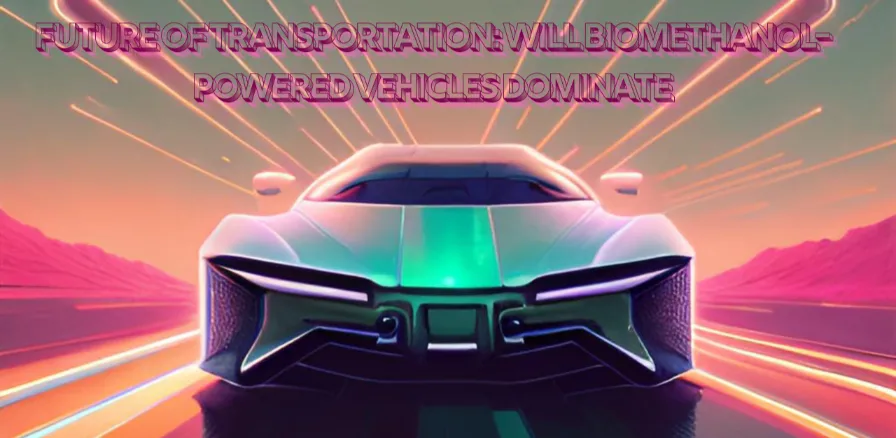
    A stylized, futuristic, teal-colored sports car is driving at high speed down a highway with pink, orange, and teal neon light trails in a retro-futuristic style. Overlaying text asks: "FUTURE OF TRANSPORTATION: WILL BIOMETHANOL-POWERED VEHICLES DOMINATE."

    The Future Of Transportation: Will Biomethanol-Powered Vehicles Dominate

    Future Of Transportation: Will Biomethanol-Powered Vehicles Dominate

    As the world moves toward a sustainable future, the transportation sector faces a crucial moment for change. Concerns about climate change, fossil fuel depletion, and air pollution make the search for cleaner, renewable fuels more urgent than ever.

    One of the leading options in this green revolution is biomethanol, a renewable, low-carbon fuel made from biomass and waste. But can biomethanol-powered vehicles really lead the future of transportation? This exploration looks into the science, benefits, challenges, and market trends shaping the biomethanol landscape.

    How Is Biomethanol Produced?

    The production process includes several key steps:

    • Feedstock Collection: Gathering biomass or waste materials.
    • Pre-treatment: Preparing raw materials for conversion.
    • Gasification: Turning biomass into synthesis gas, a mix of CO, CO₂, and H₂.
    • Methanol Synthesis: Converting syngas into methanol using a catalyst.
    • Purification: Refining the product for fuel or chemical use.

    This closed-loop method not only uses waste but also supports circular economy principles.

    Why Biomethanol? Key Advantages

    1. Significant Carbon Emission Reductions
    Transportation accounts for nearly a quarter of global CO₂ emissions. Biomethanol presents a real solution by significantly cutting greenhouse gas emissions compared to gasoline and fossil-derived methanol. Research shows that its global warming potential is much lower, especially when made from wood or waste biomass.

    2. Cleaner Combustion and Air Quality
    Biomethanol burns cleaner than gasoline or diesel, leading to lower emissions of particulates, nitrogen oxides (NOx), and sulfur oxides (SOx). This results in better urban air quality and health benefits for the public.

    3. Versatility and Compatibility

    • Fuel Blending: Biomethanol can be mixed with gasoline or used alone in modified engines.
    • Feedstock Flexibility: It can be produced from various renewable sources, reducing reliance on any single feedstock.
    • Infrastructure Adaptability: Current fuel distribution systems can often be adjusted for methanol with little investment.

    4. Economic and Energy Security
    By using local biomass resources, countries can cut oil imports, support rural development, and create green jobs.

    Biomethanol vs. Other Alternative Fuels

    Biomethanol stands out for its combination of low emissions, compatibility, and scalability, especially in areas lacking electric or hydrogen infrastructure.

    The State of the Biomethanol Market

    Global Trends
    The biomethanol market is growing quickly, fueled by:

    • Climate policies, like the Paris Agreement
    • Renewable energy mandates, such as the EU Renewable Energy Directive
    • Corporate sustainability goals

    Major investments are going into biomethanol production facilities, especially in Europe and Asia, where governments are encouraging low-carbon fuels.

    Investment and Innovation
    New technologies are driving down production costs and boosting yields. Companies are exploring:

    • Improved gasification methods
    • Carbon capture integration
    • Waste-to-fuel processes

    Challenges Facing Biomethanol Adoption

    1. Production Scale and Cost
    While feedstock is abundant, increasing production to meet global transportation demands needs a lot of capital and technological progress. Biomethanol is currently pricier than fossil methanol, although costs are decreasing as technology advances.

    2. Infrastructure and Engine Modifications
    Though biomethanol can use existing infrastructure, widespread adoption requires modifications to vehicles and fueling stations. Flexible-fuel vehicles and retrofitting are possible but need policy support and consumer acceptance.

    3. Feedstock Competition and Sustainability
    The sustainability of biomethanol depends on responsible sourcing. Competing uses for biomass, like food and materials, plus land-use changes, must be managed to prevent negative environmental effects.

    4. Policy and Regulatory Uncertainty
    Clear, long-term policies are crucial for attracting investment and fostering adoption. Inconsistent regulations or a lack of incentives can slow progress.

    Environmental Impact: Life Cycle Assessment

    A detailed life cycle assessment (LCA) of biomethanol shows:

    • Lower global warming potential than fossil methanol and gasoline.
    • Rapid biodegradability in case of spills, with minimal environmental persistence.
    • Opportunities for improvement in pre-treatment and production stages to further reduce impacts.
    BAR CHART OF CO2 EMISSIONS COMPARISON OF VARIOUS TRANSPORTATION  FUELS

    The Road Ahead: Will Biomethanol Dominate Transportation?

    Opportunities for Leadership
    Biomethanol is well-positioned to play a major role in reducing emissions in transport, especially in areas where electrification is tough, such as:

    • Heavy duty trucking
    • Maritime shipping
    • Aviation (for synthetic fuel production)

    Complementary Role
    Rather than being a one-size-fits-all solution, biomethanol is likely to work alongside other options like biofuels, hydrogen, and electrification, each addressing specific niches based on local resources, infrastructure, and policies.

    Market Projections
    With supportive policies and ongoing innovation, biomethanol could capture a significant share of the alternative fuels market by 2030 and beyond, particularly in regions focused on energy independence and cutting emissions.

    Conclusion: Biomethanol’s Place in the Green Transport Revolution

    Biomethanol is more than just a promising alternative fuel—it represents a bridge between today’s fossil-fueled world and tomorrow’s sustainable, circular economy. Its advantages in emissions reduction, resource flexibility, and compatibility with existing infrastructure make it a compelling candidate for widespread adoption.

    However, the journey toward biomethanol-powered vehicle dominance will depend on overcoming production, infrastructure, and policy hurdles. With coordinated action from industry, governments, and consumers, biomethanol could help drive the next era of clean, resilient transportation.

    The future is renewable. The future is biomethanol.

    The Future Of Transportation: Will Biomethanol-Powered Vehicles Dominate Read More »

    Aerial view of a golden-yellow agricultural field with parallel crop rows and overlaid text reading “The Science Behind Biomethanol – How It’s Made and Why It Matters,” symbolizing sustainable fuel derived from biomass crops.

    The Science Behind Biomethanol: How It Made And Why Its Matter

    The Science Behind Biomethanol: How It Made And Why It Matters

    Biomethanol is methanol made from renewable biomass sources instead of fossil fuels. Methanol itself is a simple alcohol (CH3OH) often used as a chemical feedstock, solvent, and more recently, as a transportation fuel. When produced from biomass, methanol becomes biomethanol, a sustainable liquid fuel that can greatly lower carbon emissions compared to traditional fossil fuels.

    Unlike fossil methanol, which typically comes from natural gas or coal, biomethanol is made from organic waste, agricultural byproducts, wood, and other renewable resources. This renewable origin gives biomethanol a much smaller carbon footprint, making it important for reducing carbon emissions in shipping, road transport, and chemical manufacturing.

    Why Biomethanol Matters

    1. Climate Benefits
      Biomethanol can cut lifetime greenhouse gas emissions by up to 60-95% compared to fossil fuels, depending on feedstock and production methods. This makes it a useful tool for meeting international climate goals like the IMO’s 2050 target to halve shipping emissions and the EU’s Fit for 55 initiative.
    2. Versatile Fuel
      Biomethanol is a liquid at room temperature, which makes it easier to store, transport, and use than gaseous fuels like hydrogen or ammonia. It can be employed in existing or modified internal combustion engines and fuel cells, providing flexibility in operations.
    3. Circular Economy
      By using waste products such as agricultural residues, manure, and food waste, producing biomethanol encourages better waste management and creates value from materials that would otherwise decompose and emit methane, a strong greenhouse gas.
    4. Energy Security
      Biomethanol can be made locally from plentiful biomass resources, decreasing reliance on imported fossil fuels and improving energy security for many countries.

    How Is Biomethanol Made? The Production Science

    Making biomethanol involves turning biomass into a synthesis gas (syngas) mixture, which is then converted into methanol through catalysis. The main production methods are:

    1. Biomass Gasification

    Feedstock: Woody biomass, agricultural residues, municipal solid waste, and other plant materials.

    Process: Biomass is heated at high temperatures (700-1000°C) in a low-oxygen environment to create syngas—a blend of carbon monoxide (CO), hydrogen (H2), and carbon dioxide (CO2).

    Methanol Synthesis: The syngas is cleaned and introduced into a catalytic reactor where CO and H2 react under pressure to form methanol.

    This thermochemical method is well-established and scalable, allowing for biomethanol production from various biomass sources.

    2. Biogas Reforming

    Feedstock: Biogas produced from the anaerobic digestion of manure, food waste, sewage sludge, and agricultural waste.

    Process: Biogas (mainly methane and CO2) is purified and reformed (via steam reforming or partial oxidation) to produce syngas.

    Methanol Synthesis: Similar catalytic conversion of syngas to methanol occurs next.

    This method uses organic waste streams, enhancing waste management and cutting methane emissions from decomposition.

    3. Hybrid Processes

    Emerging technologies combine hydrogen (created through renewable electrolysis) with biogenic CO2 or syngas to produce biomethanol. This method can increase methanol yields and further decrease carbon footprints by utilizing green hydrogen.

    Feedstocks for Biomethanol Production

    The choice of feedstock is crucial for sustainability and economics. Common feedstocks include:

    • Woody Biomass: Forestry leftovers, wood chips, and sawdust.
    • Agricultural Waste: Straw, husks, corn stover.
    • Organic Waste: Food waste, manure, sewage sludge.
    • Municipal Solid Waste: Biogenic fractions suitable for gasification.
    • Recycled Carbon: CO2 captured from industrial processes mixed with renewable hydrogen.

    Using waste and residues avoids competition with food production and supports circular bioeconomy principles.

    Technological Advances Improving Biomethanol Production

    Recent improvements boost efficiency and output:

    • Gasification Improvements: Advanced gasifiers that better remove tar and clean syngas.
    • Catalyst Development: More durable catalysts that raise methanol yield and lower energy use.
    • Hybrid Systems: The inclusion of renewable hydrogen enhances carbon utilization.
    • Process Integration: Combining gasification, reforming, and methanol synthesis in optimized plants.

    These improvements are making biomethanol production more affordable and scalable.

    Environmental and Economic Benefits

    Lifecycle Emissions Reduction

    Biomethanol’s lifecycle emissions can be 60-95% lower than fossil methanol, based on feedstock and technology. By diverting waste from landfills and preventing methane emissions, it provides extra climate benefits.

    Bar chart of BIOMETHANOL VS other fuels Life cycle of GHG Emissions

    Waste Management

    Making biomethanol from organic waste streams cuts down on landfill use and related environmental issues like groundwater contamination and methane leakage.

    Economic Opportunities

    Biomethanol production creates jobs in rural areas, supports agricultural sectors, and encourages new industries focused on waste recovery.

    Biomethanol in the Energy Transition

    Shipping Fuel

    Biomethanol is becoming popular as a marine fuel due to its low emissions and compatibility with dual-fuel engines. Major shipping companies are investing in methanol-powered vessels, backed by growing bunkering infrastructure.

    Road Transport

    When mixed with gasoline or used in dedicated engines, biomethanol can lower emissions in light and heavy-duty vehicles.

    Chemical Industry

    Biomethanol serves as a renewable feedstock to produce chemicals, plastics, and synthetic fuels, aiding the decarbonization of industrial sectors.

    Challenges and Future Outlook

    Feedstock Availability and Logistics

    Large-scale biomethanol production requires sustainable biomass supply chains and efficient logistics to gather and process diverse feedstocks.

    Cost Competitiveness

    While costs are falling, biomethanol is still pricier than fossil fuels. Policy incentives, carbon pricing, and technological advancements will be essential for improving competitiveness.

    Regulatory Support

    Clear certification frameworks and supportive policies are necessary to encourage biomethanol use and maintain sustainability standards.

    Conclusion

    Biomethanol stands as a scientifically solid, environmentally sustainable, and economically promising fuel for a low-carbon future. By transforming renewable biomass and waste into a versatile liquid fuel, biomethanol tackles climate change, waste management, and energy security issues all at once. As technology improves and markets expand, biomethanol’s importance in the global energy transition will only grow, making it a crucial part of the clean energy puzzle.

    Blog Links

    Explore More on Biofuels & Climate Initiatives

    The Science Behind Biomethanol: How It Made And Why Its Matter Read More »

    An aerial view of a large container ship sailing across a wide body of water, leaving a white wake behind it. A distant shoreline with low hills and buildings is visible on the horizon. Overlaying text asks: "Clean Shipping's Secret Weapon? Why Biomethanol Is Gaining Momentum On The Seas."

    Clean Shipping Secret Weapons? Why Biomethanol Is Gaining Momentum On The Seas

    Clean Shipping Secret Weapons

    The global shipping industry, which contributes nearly 3% of all greenhouse gas emissions, is facing growing pressure to reduce its carbon footprint and meet international targets set by the International Maritime Organization (IMO) and local initiatives like the EU’s Fit for 55 package. As traditional marine fuels come under increasing regulatory and societal scrutiny, the sector is urgently looking for sustainable alternatives. Among various “clean” fuels, biomethanol is standing out as a strong option that could dramatically change shipping’s carbon emissions and operational practices.

    Why Biomethanol? The Shipping Industry’s Secret Weapon

    1. Decarbonization Powerhouse
    Biomethanol can cut CO2 emissions by 60% to 95% compared to traditional marine fuels, depending on the feedstock and production method. For instance, Maersk’s recent supply agreement with LONGi Green Energy Technology guarantees biomethanol with at least 65% lower lifecycle GHG emissions than fossil fuels.

    2. Regulatory Tailwinds
    The EU’s FuelEU Maritime Regulation and the Emissions Trading System (ETS) are creating competitive conditions for bio- and e-methanol, making them financially attractive compared to fossil marine fuels. Non-compliance costs for fossil fuels are set to rise from €39 per tonne in 2025 to €1,997 per tonne by 2050, encouraging quicker adoption of sustainable alternatives.

    3. Technological Readiness and Infrastructure
    Methanol is already handled and bunkered in over 120 ports around the world. This makes the switch to biomethanol relatively simple compared to other alternative fuels. Major shipbuilders and engine manufacturers are producing dual-fuel vessels that can operate on both conventional and green methanol.

    4. Operational Flexibility
    Biomethanol can be blended with regular methanol or used as a primary fuel in dual-fuel engines. This gives shipping companies flexibility during the transition, reducing the risk of becoming locked into a single technology and supporting gradual fleet decarbonization.

    Latest Facts and Figures: Biomethanol Rapid Rise

    Market Growth

    • Market Size: The global biomethanol market was valued at $95.2 million in 2023 and is projected to reach $925.84 million by 2029, showing a remarkable CAGR of 46.1%.
    • Green Methanol Ships: The green methanol ships market is anticipated to grow from $4.29 billion in 2025 to $30.98 billion by 2035, at a CAGR of 21.9% from 2025 to 2035.
    • Vessel Orders: DNV predicts the number of methanol-fueled vessels will increase from 50 in 2024 to over 360 by 2028, with major companies like Maersk and X-Press Feeders leading the way.

    Emissions Impact

    Pie Chart of Biomethanol 2025 production by Feedstock
    Pie chart of Biomethanol market share 2024
    • Lifecycle Emissions: Biomethanol can reduce lifecycle GHG emissions by up to 65% compared to conventional marine fuels.
    • Net-Zero Voyages: The world’s first net-zero voyage using a mix of ISCC-certified bio-methanol and natural gas-based methanol was completed by Methanex and MOL’s Cajun Sun in early 2023, proving its feasibility.

    Regulatory and Infrastructure Developments

    • FuelEU Maritime: Emission reduction targets for shipping escalate every five years, starting at 2% in 2025 and reaching 80% by 2050, which can be met through methanol blends.
    • Bunkering Hubs: Ports like Rotterdam, Singapore, Bremen, Bremerhaven, Shanghai, and Ulsan are actively working on developing or expanding methanol bunkering infrastructure.
    • Simultaneous Operations: In May 2025, Singapore’s X-Press Feeders achieved the first simultaneous refueling of a container ship with bio-methanol while loading cargo, showcasing operational maturity and efficiency.

    Case Studies: Biomethanol in Action

    1. Maersk’s Methanol Fleet
    Maersk, the largest container shipping company globally, aims for carbon neutrality by 2050. All new container vessels will feature dual-fuel engines that can run on green methanol. As of late 2024, Maersk operates seven methanol dual-fuel ships and has secured supply agreements for bio-methanol to meet 50% of its fleet’s needs by 2027.

    2. Cajun Sun’s Net-Zero Voyage
    In early 2023, the dual-fuel tanker Cajun Sun, operated by Methanex’s Waterfront Shipping and chartered from MOL, completed the first net-zero trans-Atlantic voyage using a blend of bio-methanol and natural gas-based methanol. The 18-day journey from Geismar, U.S., to Antwerp, Belgium, proved that net-zero emissions are currently achievable with biomethanol.

    3. X-Press Feeders’ Operational Milestone
    In May 2025, X-Press Feeders in Singapore completed the world’s first simultaneous refueling of a container ship with bio-methanol while loading cargo, cutting turnaround time and emissions. The company is adding 14 dual-fuel vessels that can operate on both regular fuel and green methanol, built by Yangzijiang Shipbuilding.

    Economic and Environmental Analysis

    Cost Competitiveness

    • Current Costs: Currently, biomethanol’s levelized cost of shipping (LCOS) is higher than diesel, but with carbon pricing and regulatory penalties on fossil fuels, it is expected to become more competitive, potentially falling below diesel and LNG in some cases.
    • EU Market Pricing: The average maximum price for biomethanol is estimated to be €1,193 per tonne from 2025 to 2050, while e-methanol is projected at €2,238 per tonne from 2025 to 2033 and €1,325 per tonne from 2034 to 2050.

    Environmental Impact

    • GHG Reductions: Biomethanol can lower lifecycle GHG emissions by 37% to 65%, depending on the route, feedstock, and operational methods.
    • Lifecycle Analysis: Studies indicate that with carbon taxes and regulatory incentives, biomethanol’s environmental and economic performance outperforms that of diesel and LNG.

    Challenges and Barriers

    1. Supply and Scalability
    Though biomethanol is growing quickly, production capacity is still behind demand, particularly under strict sustainability criteria. A significant increase in sustainable biofuel production is necessary to meet the shipping industry’s long-term requirements.

    2. Feedstock Sustainability
    Finding enough sustainable biomass without affecting food production or ecosystems is a concern. Environmental groups caution that increased biofuel demand could lead to land-use changes and raise food prices if not carefully managed.

    3. Cost and Policy Uncertainty
    While new regulations are generating incentives, high costs and limited supply might slow down adoption if not addressed through coordinated policy and industry efforts.

    The Road Ahead: Biomethanol Role in Clean Shipping

    Regulatory Momentum
    With the IMO and EU imposing strict emissions targets and penalties, biomethanol is set to be an important compliance tool for shipping companies wanting to avoid hefty fines and meet global decarbonization goals.

    Industry Collaboration
    More collaboration among shipowners, suppliers, and policymakers is crucial to increase production, stabilize costs, and ensure a sustainable supply chain.

    Technological Innovation
    Improvements in dual-fuel engine technology, bunkering infrastructure, and supply chain efficiency are making biomethanol a viable, near-term option for clean shipping.

    Conclusion: Biomethanol Momentum Is Real

    Biomethanol has moved beyond being a niche option. It is quickly scaling, technologically ready, and becoming more cost-competitive for the shipping industry’s efforts to reduce carbon emissions. With strong regulatory backing, successful operational examples, and growing investment, biomethanol is set to be key in the future of clean shipping.

    Blog Links

    Explore More on Biofuels

    Clean Shipping Secret Weapons? Why Biomethanol Is Gaining Momentum On The Seas Read More »