#CleanEnergy

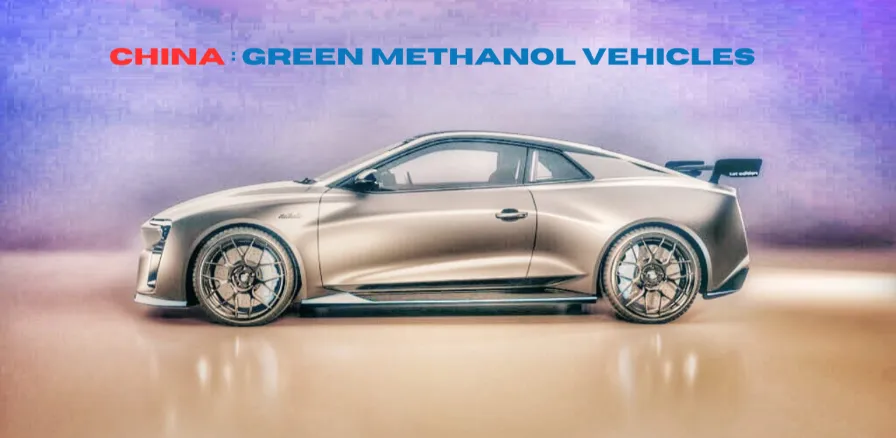
China Green Methanol Vehicles

Green Methanol Vehicles in China: Energy & Cost Analysis

Green Methanol Vehicles in China: Energy & Cost Analysis – Driving Towards a Sustainable Future?

China, the world’s largest automotive market, is actively pursuing alternative fuel technologies to fight air pollution and decrease its dependence on imported oil. One promising option is green methanol, a renewable liquid fuel made from sustainable sources like biomass or captured carbon dioxide along with renewable hydrogen. This analysis explores the energy effects and cost effectiveness of green methanol vehicles in China. It looks at their potential role in the country’s move toward a cleaner transportation sector.

Green methanol vehicles are gaining attention in China as a promising pathway to reduce carbon emissions and enhance energy security. Unlike traditional methanol vehicles, which often rely on coal-derived methanol and have high emissions, green methanol is produced from renewable sources such as biomass or captured CO₂, offering significant environmental benefits.

Understanding Green Methanol:

Methanol (CH3OH), also known as wood alcohol, is a simple alcohol that can be used as a fuel. Traditional methanol production relies on fossil fuels like natural gas and coal, resulting in significant greenhouse gas emissions. Green methanol, however, offers a sustainable alternative by utilizing renewable feedstocks and energy sources throughout its production cycle.

Production Pathways for Green Methanol:

Several pathways exist for producing green methanol, each with its own energy and cost profile:

  • Biomass Gasification: This process involves converting organic matter like agricultural waste, forestry residues, or dedicated energy crops into a syngas, which is then catalytically converted to methanol.
  • Power to Methanol (PtM): This route utilizes renewable electricity to produce hydrogen through electrolysis of water. The hydrogen is then reacted with captured carbon dioxide (from industrial sources or direct air capture) to synthesize methanol.
  • Biogas Reforming: Biogas, produced from anaerobic digestion of organic waste, can be reformed to produce syngas, which is subsequently converted to methanol.

Energy Analysis of Green Methanol Production:

The energy balance of green methanol production is crucial for evaluating its sustainability. While specific energy inputs vary depending on the chosen pathway and technology, the overall goal is to minimize fossil fuel consumption and maximize the use of renewable energy sources.

  • Biomass Gasification: This method can be energy-efficient if sustainable biomass sources are readily available and transportation distances are minimized. However, the energy required for feedstock cultivation, harvesting, and pre-processing needs to be considered.
  • Power-to-Methanol (PtM): PtM is inherently energy-intensive due to the electrolysis of water and the subsequent synthesis steps. The overall efficiency of the process depends heavily on the efficiency of electrolyzers and the availability of low-cost renewable electricity.
  • Biogas Reforming: This pathway can offer a relatively energy-efficient route if biogas is produced sustainably and the reforming process is optimized.

Energy Density and Vehicle Efficiency:

Methanol has a lower energy density compared to gasoline or diesel, meaning a vehicle would need to carry a larger volume of methanol to achieve the same driving range. This can impact vehicle design and packaging. However, methanol burns cleaner than conventional fuels, potentially leading to lower emissions of particulate matter, nitrogen oxides (NOx), and sulfur oxides (SOx).

Dedicated methanol vehicles or flex fuel vehicles capable of running on both gasoline and methanol are necessary for widespread adoption. The efficiency of methanol fueled internal combustion engines (ICEs) is comparable to gasoline engines, although optimization for methanol can further improve performance.

Cost Analysis of Green Methanol Vehicles in China:

The economic viability of green methanol vehicles hinges on several factors, including the cost of green methanol production, vehicle manufacturing costs, and fuel infrastructure development.

Cost of Green Methanol Production:

Currently, green methanol production costs are generally higher than those of conventional methanol due to the higher cost of renewable energy and the relatively nascent stage of green methanol production technologies. However, costs are expected to decline as renewable energy prices continue to fall and production scales up.

  • Feedstock Costs: For biomass-based methanol, the cost and availability of sustainable biomass feedstocks are critical. For PtM, the cost of renewable electricity is the dominant factor.
  • Capital Costs: Building and operating green methanol production facilities require significant upfront investment. Technological advancements and economies of scale will be crucial for reducing capital costs.
  • Operating Costs: These include energy consumption, catalyst replacement, and maintenance. Optimizing production processes can help minimize operating costs.
Bar chart showing biomethanol vehicles have lower CO₂ emissions but higher costs than coal-to-methanol vehicles

The image presents a comparative analysis of green methanol vehicles in China, focusing on biomethanol versus coal to methanol vehicles. It highlights the significant environmental advantage of biomethanol vehicles, which achieve a 59% reduction in CO₂ emissions (667.53 kg/ton) compared to coal to methanol vehicles (1,645.5 kg/ton). Despite having a higher life cycle cost about $502 per ton versus roughly $403 for coal to methanol biomethanol vehicles offer substantial emissions savings, underscoring their potential as a sustainable transport option. The data showcases how biomethanol vehicles currently balance higher costs with notable environmental benefits, emphasizing the importance of policy support and technological advancements to enhance economic competitiveness and accelerate adoption in China’s transport sector (Li et al., 2022).

Biomass-to-methanol vehicles (biomethanol) demonstrate the best overall performance, ranking highest in comprehensive evaluations of energy use, emissions, and cost. Biomethanol vehicles can reduce CO₂ emissions by up to 59% compared to coal to methanol vehicles and by 24% compared to gasoline vehicles, with minimal additional energy and water consumption . CO₂ to methanol vehicles also offer emission reductions but currently face high energy consumption and production costs

Vehicle Manufacturing Costs:

Producing methanol-specific or flex-fuel vehicles may involve some additional manufacturing costs compared to conventional gasoline or diesel vehicles due to modifications to the fuel system and engine components to handle methanol’s properties. However, these costs are expected to decrease with increasing production volumes and technological maturity.

Fuel Infrastructure Costs:

Establishing a refueling infrastructure for methanol vehicles is essential for their widespread adoption. This includes storage tanks at production facilities, transportation pipelines or tankers, and refueling stations. The cost of building this infrastructure can be substantial, but it can be phased in strategically, focusing initially on specific regions or applications.

Biomethanol vehicles are economically viable, with life cycle costs only moderately higher than coal-based methanol but with much greater environmental benefits . The cost of green methanol production is influenced by technology maturity, renewable energy prices, and policy incentives. For CO₂ to methanol, significant cost reductions in renewable hydrogen and process improvements are needed for competitiveness

summarizing key vehicle manufacturing costs

A clear, table summarizing key vehicle manufacturing costs: battery pack costs decreasing from $1,000/kWh in 2007 to $410/kWh in 2014, with projections of $100/kWh by 2025–2030; material costs showing steel as a baseline at 1.0 and aluminum at 0.85 relative cost; indirect manufacturing cost multipliers ranging from 1.05 to 1.45 times direct costs, representing R&D, overhead, and marketing expenses (Burd et al., 2020).”

Government Policies and Incentives:

The Chinese government plays a crucial role in shaping the adoption of alternative fuels. Supportive policies, such as subsidies for green methanol production and vehicle purchases, tax incentives, and mandates for the use of cleaner fuels in certain sectors, can significantly accelerate the deployment of green methanol vehicles.

Experts recommend dynamic policy support, including scaling up biomethanol vehicles where local conditions allow and advancing CO₂ to methanol technology for future deployment. Preferential policies and incentives are crucial for integrating green methanol vehicles into China’s new energy vehicle strategy. 

Potential Applications of Green Methanol Vehicles in China:

Green methanol can potentially power various vehicle segments in China:

  • Heavy Duty Trucks and Buses: Methanol’s higher density compared to compressed natural gas (CNG) and its suitability for combustion engines make it an attractive alternative fuel for long-haul transportation and public transit.
  • Passenger Cars: Flex fuel or dedicated methanol cars can offer a lower-emission alternative to gasoline vehicles, particularly in regions with high air pollution.
  • Marine and Rail Transport: Green methanol can also be used as a fuel for ships and trains, contributing to decarbonization efforts in these sectors.

Challenges and Opportunities:

Despite its potential, the widespread adoption of green methanol vehicles in China faces several challenges:

  • Production Scalability: Scaling up green methanol production to meet the demands of the transportation sector requires significant investment and technological advancements.
  • Infrastructure Development: Building a robust and cost-effective methanol refueling infrastructure is a major undertaking.
  • Public Awareness and Acceptance: Raising public awareness about the benefits of green methanol and ensuring consumer acceptance are crucial for market penetration.
  • Competition from Other Alternative Fuels: Battery electric vehicles (BEVs) and hydrogen fuel cell vehicles (FCEVs) are also being actively promoted in China, creating competition for green methanol.

However, there are also significant opportunities:

Conclusion:

Green methanol offers a promising way to cut emissions in China’s transportation sector. There are challenges, such as high production costs, the need for better infrastructure, and competition from other alternative fuels. However, the benefits include lower emissions, increased energy security, and new economic opportunities. With ongoing improvements in technology, supportive government policies, and smart investments, green methanol vehicles could be key in moving China toward a more sustainable and eco friendly transportation future. An energy and cost analysis shows that while initial costs may be higher, the long-term environmental and social benefits make green methanol worth more research, development, and deployment in China. Widespread adoption will need teamwork from governments, industry leaders, and consumers.

CITATIONS

Assessing the prospect of deploying green methanol vehicles in China from energy, environmental and economic perspectives. Energyhttps://doi.org/10.1016/j.energy.2022.125967.

Improvements in electric vehicle battery technology influence vehicle lightweighting and material substitution decisions. Applied Energy, 116269. https://doi.org/10.1016/j.apenergy.2020.116269.

checkout also

Green Methanol Vehicles in China & Biomethanol’s Role

Green Methanol Vehicles in China: Energy & Cost Analysis Read More »

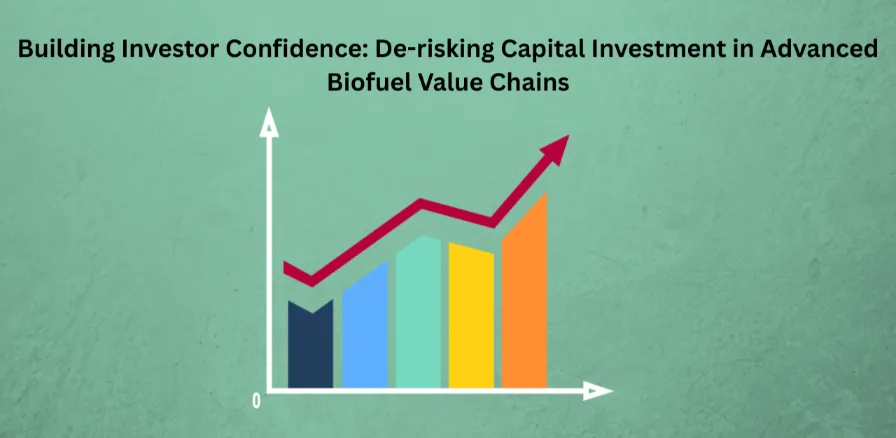
Graph illustrating growing investor confidence through de-risking capital investment in advanced biofuel value chains.

Building Investor Confidence: De risking Capital Investment in Advanced Biofuel Value Chains

De-risking Capital Investment: Building Investor Confidence in Advanced Biofuel Value Chains

The global push for decarbonization has put advanced biofuels in the spotlight as a crucial tool for a sustainable energy future. These next-generation fuels, derived from non food feedstocks like agricultural waste, algae, and forestry residues, offer a compelling alternative to fossil fuels. They don’t compete with food crops and have a significantly smaller carbon footprint, making them a more sustainable choice. However, despite their immense potential, the advanced biofuel sector has struggled to attract the scale of investment needed for widespread commercialization. Why? The simple answer is risk.

Investors, from private equity firms to venture capitalists, are wary of the technological and market uncertainties inherent in this nascent industry. They see a high risk, high capital landscape with unproven technologies and unpredictable policy environments. To unlock the trillions of dollars of capital required to build a robust advanced biofuel economy, we must systematically de risk the entire value chain. This isn’t just about building a plant; it’s about creating an ecosystem of confidence that benefits global markets and delivers a strong return on investment (ROI).

The Core Challenges: Understanding the Investor Mindset

Before we can build confidence, we must understand the sources of investor skepticism. The advanced biofuel value chain is complex, encompassing everything from feedstock sourcing to final fuel distribution. Each stage presents unique risks.

  • Technology Risk: Many advanced biofuel technologies are still in the demonstration or pilot phase. Investors fear that a promising lab scale process may not be economically viable or scalable for commercial production. There’s a concern about performance, reliability, and the potential for a “valley of death” where a technology fails to bridge the gap from R&D to commercial viability.
  • Feedstock Risk: A consistent and affordable supply of sustainable feedstock is the lifeblood of an advanced biofuel facility. Sourcing agricultural waste, municipal solid waste, or purpose grown energy crops at scale can be challenging due to seasonal variations, competition from other industries, and inconsistent quality. This creates significant supply chain volatility that directly impacts project economics.
  • Market Risk: The price of advanced biofuels is often tied to the volatile price of fossil fuels. Without robust, long-term policy support, a sudden drop in crude oil prices can make a biofuel project unprofitable overnight. Furthermore, the market for products like Sustainable Aviation Fuel (SAF) is still developing, and demand can be unpredictable.
  • Policy and Regulatory Risk: This is perhaps the most significant barrier. Government policies, such as blending mandates, tax credits, and carbon pricing mechanisms, are critical for making advanced biofuels competitive. However, frequent changes or a lack of long term policy stability can spook investors. They need a predictable regulatory environment to justify large, multi-decade investments.

De-risking the Value Chain: Strategies for Success

Building investor confidence is a multi faceted endeavor that requires collaboration between technology developers, governments, and financial institutions. By addressing each risk category head-on, we can transform the perception of the advanced biofuel sector from a high-risk gamble to a strategic, profitable investment.

1. Mitigating Technology and Execution Risk

The “valley of death” can be bridged with a combination of robust R&D and strategic partnerships.

  • Pilot and Demonstration Plants: Public private partnerships and government grants for pilot and demonstration facilities are crucial. These projects prove the technology at a larger scale, validate the process economics, and provide crucial operational data. This data is the gold standard for attracting private capital for full scale commercial plants.
  • Integrated Biorefineries: The future of advanced biofuels isn’t just about producing fuel. It’s about creating integrated biorefineries that produce a range of co products, such as bioplastics, chemicals, and power. This diversification of revenue streams insulates the project from fuel price volatility and enhances profitability, making it a more attractive investment.
  • Technological Standardization: As certain conversion technologies mature, developing industry wide standards for production processes and fuel specifications can lower perceived risk. This allows for easier due diligence and comparison for investors.

2. Stabilizing the Supply Chain and Feedstock Sourcing

Securing a consistent and cost effective feedstock supply is fundamental to project success.

  • Long-Term Offtake Agreements: Project developers must secure long term, multi year contracts with feedstock suppliers. These agreements, often with fixed or predictable pricing mechanisms, provide a stable foundation for the business model.
  • Diversified Feedstock Portfolio: Relying on a single feedstock is a significant risk. Companies that can process a variety of feedstocks—from agricultural residues to municipal waste are more resilient to supply disruptions and price fluctuations.
  • Digital Supply Chain Management: Leveraging technology to track feedstock availability, quality, and logistics can optimize the supply chain and reduce operational uncertainty. Blockchain and other digital tools can be used to ensure the sustainability and origin of the feedstock, adding a layer of trust.

3. Building a Resilient Market and Financial Framework

Creating a robust market for advanced biofuels is paramount to driving investment.

  • Carbon Pricing Mechanisms: Implementing a clear and stable price on carbon, either through a carbon tax or an emissions trading system, is one of the most effective ways to make advanced biofuels economically competitive. When polluters have to pay for their emissions, the value of a low-carbon fuel increases.
  • Blending Mandates and Credits: Long-term, binding blending mandates (like the U.S. Renewable Fuel Standard or EU’s Renewable Energy Directive) provide a guaranteed market for advanced biofuels. Credit markets, such as the market for Renewable Identification Numbers (RINs) or credits under the Clean Fuel Standard, provide a financial incentive that can be factored into a project’s ROI calculation.
  • Public-Private Financial Instruments: Governments can use a variety of financial tools to lower risk for private investors. This includes loan guarantees, tax credits for capital investment, and direct grants for project development. These instruments don’t just provide capital; they signal strong government commitment to the industry, which is a powerful confidence builder.

The ROI Equation: A Profitable and Purpose Driven Investment

Investing in advanced biofuels isn’t just a feel good choice; it’s a smart business decision with a compelling ROI. While individual project returns can vary widely based on technology, location, and market conditions, a strategic approach can yield significant financial benefits.

  • Potential for High ROI: While traditional first generation biofuel projects might see an ROI in the mid-single digits, advanced biofuel projects, when de risked and optimized, can generate significantly higher returns. With a stable policy environment and efficient operations, a project can potentially achieve an ROI of 15% to 25% or even higher. This is driven by several factors:
    • Higher Margins: Advanced biofuels often command a price premium due to their lower carbon intensity and the high demand in hard-to-abate sectors like aviation (SAF).
    • Co-product Revenue: As mentioned, the sale of high value co-products like bioplastics or renewable chemicals can create additional revenue streams that boost overall profitability.
    • Carbon Credit Monetization: The ability to generate and sell carbon credits provides a valuable, non-volatile revenue source that enhances the project’s financial stability.
  • Global Market Benefits: Beyond the individual project ROI, de-risking advanced biofuel value chains has massive benefits for the global economy.
    • Energy Security: It reduces reliance on volatile fossil fuel markets and strengthens domestic energy independence.
    • Rural Economic Development: Biofuel facilities create jobs in rural and agricultural communities, from feedstock harvesting and transportation to plant operations.
    • Environmental Impact: It directly contributes to global climate goals by reducing greenhouse gas emissions in the transportation sector, a major source of carbon.

Conclusion: A New Era of Sustainable Investment

The advanced biofuel industry is on the cusp of a major transformation. The challenges of high capital costs and technological uncertainty are real, but they are not insurmountable. By embracing a holistic strategy of de-risking the entire value chain through a combination of technological maturity, stable supply chains, and robust policy frameworks we can unlock the immense potential of this sector.

For investors, this new era presents a unique opportunity to align their portfolios with the global transition to a sustainable economy. By supporting projects that not only promise a solid ROI but also contribute to a cleaner, more secure energy future, we are not just making a wise financial decision; we are helping to build the world of tomorrow. The time to invest is now, as the seeds of a new, profitable, and purpose driven energy landscape are ready to grow.

Building Investor Confidence: De-Risking Capital Investment in Advanced Biofuel Value Chains

Building Investor Confidence: De risking Capital Investment in Advanced Biofuel Value Chains Read More »

A large red and white oil or chemical tanker ship is docked, likely taking on or offloading cargo, with a massive industrial storage tank facility visible in the background under a blue sky. Overlaying text reads "5 COMPANIES INVESTING BIOMETHANOL."

5 Companies Investing in the Biomethanol

5 Companies Investing in the Biomethanol

Biomethanol is rapidly gaining traction as a sustainable alternative to fossil fuels, offering significant potential to decarbonize industries that have traditionally been hard to abate. Several leading companies are making strategic investments in biomethanol production and technology, recognizing its role in the global energy transition.

Pie Chart of Regional Market Shares of Biomethanol 2025

1. British Petroleum (BP)

This article explores five key companies British Petroleum (BP), Maersk, WasteFuel, M2X Energy, and Glocal Greenthat are pioneering investments and innovations in biomethanol to transform energy and industrial landscapes.

Bar Chart of Market focus on Biomethanol by industry sector

BP is one of the most prominent energy companies actively investing in biomethanol as part of its broader strategy to become an integrated energy company with net-zero ambitions by 2050. BP’s commitment to bioenergy is highlighted by its recent $10 million investment in WasteFuel, a California-based biofuels company specializing in converting municipal and agricultural waste into bio-methanol.

BP’s investment is a significant milestone in scaling biomethanol production and integrating it into global energy markets. By focusing on converting waste into low-carbon fuels, BP is addressing both waste management challenges and decarbonization goals, especially in hard-to-abate sectors like maritime shipping.

2. Maersk

Maersk, the world’s largest container shipping company, has been at the forefront of adopting alternative fuels to reduce its carbon footprint. Recognizing the potential of biomethanol as a marine fuel, Maersk has invested heavily in methanol-powered vessels and secured long-term supply agreements to support its decarbonization targets.

Shipping accounts for approximately 90% of global trade and contributes significantly to global emissions. Maersk’s commitment to biomethanol fuels demonstrates the shipping industry’s shift toward sustainable fuel alternatives that are compatible with existing engine technologies and infrastructure.

3. WasteFuel

WasteFuel is a pioneering biofuels company focused on converting municipal and agricultural waste into bio-methanol using proven anaerobic digestion and methanol production technologies. The company’s innovative approach addresses two critical challenges: managing growing global waste volumes and providing low-carbon fuel alternatives.

WasteFuel’s bio-methanol production is positioned to play a vital role in decarbonizing hard-to-abate sectors such as shipping, where electrification is challenging. The company’s projects contribute to reducing global greenhouse gas emissions by offering a renewable, scalable fuel solution.

4. M2X Energy

M2X Energy is an emerging player in the biomethanol sector, focusing on the development and commercialization of renewable methanol production technologies. The company leverages advanced catalytic processes and renewable feedstocks to produce biomethanol with a low carbon footprint.

By focusing on flexible production technologies, M2X Energy supports the decentralization of biomethanol production, enabling local and regional supply chains. This approach helps reduce transportation emissions and supports energy security while advancing the circular economy.

5. Glocal Green

Glocal Green is a clean energy company dedicated to producing sustainable biofuels, including biomethanol, from renewable resources. The company integrates biomass conversion technologies with innovative process optimization to deliver low-carbon fuels for industrial and transportation sectors.

Bar chart of Estimates of CAGR for Biomethanol Market

Glocal Green is expanding its footprint by targeting emerging markets with abundant biomass resources, aiming to create sustainable energy ecosystems. Its investments in biomethanol production align with global climate goals and growing demand for renewable fuels.

Conclusion

The transition to a low-carbon future requires innovative solutions and strategic investments across industries. Biomethanol, with its versatility as a fuel and chemical feedstock, is becoming a critical component of this transition. Companies like BP, Maersk, WasteFuel, M2X Energy, and Glocal Green are leading the way by investing in biomethanol technologies and infrastructure that promise to reduce emissions, utilize waste resources, and support sustainable economic growth.

Global market Size Projection

BP’s significant investment in WasteFuel exemplifies how large energy companies are embracing biomethanol to decarbonize shipping and other hard-to-abate sectors. Maersk’s fleet expansion reflects the shipping industry’s commitment to cleaner fuels. Meanwhile, innovators like WasteFuel, M2X Energy, and Glocal Green are advancing the technology and production capacity needed to scale biomethanol globally.

Together, these companies are not only transforming their own operations but also catalyzing a broader shift toward sustainable energy systems worldwide. As biomethanol production scales and supply chains mature, its role in achieving global climate targets will only grow stronger.

Investing in Biomethanol Stocks — Advanced Biofuels and Market Trends

5 Companies Investing in the Biomethanol Read More »

Wind turbines and a glowing light bulb symbolizing renewable green energy production.

Importance of Green Energy Plants

Importance of Green Energy Plants:

Energy in its all forms is very vital and important for growth and development. As we listen to these terms clean energy, renewable energy, green energy, and many more. There is a slight difference between these forms of energy. As clean energy is a form of energy that never pollute the environment while Green energy comes entirely from natural sources. it is the form of energy generated from nature such as wind, water, solar and
tidal that aimed to reduce environmental destruction. The main purpose of the study is to highlight the importance of green energy plants and another aim is living plants should be fully utilized as a part of the energy resources to generate energy.

Energy from green energy Plants

Most of the people are familiar to green energy is a technology that produces electricity from resources such as water, wind, sunlight, and waves. it is an Application to generate a power system and minimize the adverse effects resulting from human daily activities to the environment. Green energy is the use of products, equipment, and techniques that are intended to preserve nature and reduce the negative impact on life. Green energy is alsp known as green electricity. As it come from the living green plants. There are several types of green plants that have a great potential to be used in power generation. Plants have become most valuable after the findings of electrical potential inside trees while reducing (CO2). Many trees having excitable membranes through electrical excitations in the form of actions. Electrochemical conduction and another process of excitation in living plants arose at early stages in connection with the need of broadcast of a signal about external stimulation changes from a part of the biological structure to another (nerve impulses). In higher plants, the trend of excitation or electric potentials may be data carriers in intercellular communication within the climate changes.

Energy from green energy Plants

Potential of Energy In Green energy Plants

The potential of energy in green energy plants having a natural process. The up and down of electrical signals generated when electrodes are inserted into plants, as a result of wounded action potentials, eventually stabilizes when allowed to rest. Normally, this reaction only makes small changes in membrane conduction or ion distribution along channels to flow of electrons or electric flows. In this way These types of renewable energies should have been commercialized,could be able to produce an adequate amount of energy to supply consumers. The uprising of technology also leads to the production of low-powered portable devices. These devices may be used by farmers and people related to agriculture and forestry professions.

Potential  In Green energy Plants
Potential In Green energy Plants

Types & Names of Green energy plants

There are several types of plants in the world can produce energy through electrodes. Meanwhile is it not possible to mention all the names and nomenclature of trees and plants in a single blog/article. The importance is the awareness of new expedition towards Green energy. Few names are Garcinia Subelliptica, Gliricidia Sepium, Murraya Paniculata and many more. All these belong to different types of families according to nomenclature of plants.

Procedure to generate Green energy

By inserting half an inch of aluminum roofing nails into tree and a copper water pipe seven inches into the ground can produce electricity 0.8V – 1.2V. The existing circuit needs to be adjusted very well. The voltage difference has been used in attempts to monitor plant activity and generated energy. In Fig. the procedure can be easily seen. By Embedding electrodes to the tree to harvest energy can be very easy and safe.

Procedure to generate Green energy

Importance of green energy

Harvesting electric energy from living plants should be increased to create green energy consumption society. The green plants energy is best of renewable energy resource, utilizing living plants to solve the issues like lack of availability of power supply in remote areas and underdeveloped countries. These emerging renewable energies will proved to reduce the cost of power generation as compared to conventional fossil fuel energy. This will able to provides sustainable energy solutions and services, which available from indigenous sources. The green energy plants can easily helps to reduce worst climate changes like forest fire. In many countries, the number of forests is declining.This is due to the deforestation activities from human and natural causes such as forest fire,global warming and climate change. Therefore, the green energy plants system is best to monitor the surrounding heat and humidity. As many more Demanding of these green energy plants leads to a reduction of pollution and leaning towards green energy environment. Therefore as the live tree has been discovered to be able to generate source of electricity, it cannot be overthrown as their potential can be used as a power source for low as well as high-powered devices.

Eenergy plants features
Energy plants features

Future of green energy plants

These living plants as an appealing source of renewable energy. Although there are many implications needed to make it more reliable and viable. There are several factors that affect the energy generation of plants, including temperature, moisture, soil pH, electrode types, and environment properties. in the context of research & development lot of work has been done in the plant energy harvest managed into production of electrical voltages of few millivolts to hundreds of millivolts. So for both policy making and research concerns this renewable source is the best option for futuristic development and sustainability.

Go Green
Go Green

Important features

In order to note the most important feature of the voltage and current generated by the living plants,copper rods and carbon steel rods were used as an electric absorber metal located around the roots of the tree. So, the selection of plant and electrode which resists damage and aging become an important aspect. Notably, ceaseless and robust plants that can withstand severe climate conditions with good electrical characteristics can accomplish better results. Living plant power output is highly influenced by many parameters e.g: temperature, PH, moisture contents, light, soil nutrition, conductivity and etc., and environmental climate.

Important features of Green Energy
Important features

Climate change and Green energy

Mainly it is a technology application in power generation system and minimizes the adverse effects resulting from human daily activities to the environment. Since the first industrial revolution the environment and climate is abruptly affected by the human development. The other important factor is the usage of fossil fuels without any mitigation plans. Green energy plants or production of energy from living plants is the solution of these issues. The plants and trees can fight the climate change and global warming in best sustainable way. In recent floods, in South asian countries prove that the trees minimize the damage of the floods. The trees also save many lives and houses of People near by the rivers and canals. These floods and changing rain patterns can only be overcome through the growing plants and trees. This step leads to the to produce green electricity for houses and for other purposes. So people all over the world should save the world Because in the End No one Takes care Of You.

Climate change
Climate change

Green energy Economics

Many countries recognize the Boom of a green energy economy and are creating incentives at policy levels to ensure that they are soon manufacturing the energy devices. Huge Investments in a green energy economy can potentially establish the infrastructure of a new paradigm that changes the current entire global scenario. In green energy strategies domestic energy resource uses, such as solar irradiation, minimize the length of the supply chain and can lower the risk of political dependence, security conflicts, and environmental harm. In terms of the total jobs creation the relative contributions of the Green energy sectors will be emerging and revolutionary. As green energy economy depends on the construction of machineries such as wind turbines, solar panels, and even geothermal and tide/wave equipments. In its latest form the trees are also the biggest potential as other green energy economics.

Green energy Economics

Conclusions

There is no doubt that all renewable energy sources are very close or going to be sustainable. This is also a fact that green energy sources are best out of all. So the same attention and incentives should be laud upon the Green energy plants. There is a huge potential because there are trees on every corner of the world where people living. The harvesting of green energy plants will lead to solve many issues in urban as well as rural areas. The problems of energy or electricity shortage, climate change, global warming, socio-economic resilience and many more can be addressed. So its a time to learn and research this technique from home and plants tree. This will be the best option to get sustainability and Save the world.

To get more from related Blogs/Articles

Sawdust from Waste to Wealth

The Route to Solar Energy


Importance of Green Energy Plants Read More »

Bioenergy advantages and disadvantages illustrated with logs designed as batteries

Energy to Bioenergy Advantages & Disadvantages

Bioenergy Advantages & Disadvantages

Energy is the basic requirement of development, and it is also needed by the existence in almost every aspect of society in the world. As presently the utilization of conventional energy sources can yield a series of problems because of their non-renewable nature. Unfortunately, the world energy consumption depends heavily (80%) upon fossil fuels. Another reason is the utilization of traditional fossil fuels can also be polluting sources that accelerate global warming & climate change, such as the increase of greenhouse gases and of carbon dioxide. The usage of energy to bioenergy advantages & disadvantages is the Solution to present and future problems related to energy utilization and generation.
Bioenergy, is the powerful renewable substitution of fossil fuel, to meet the growth of the world population, mitigate global warming and safeguard energy security. In this Blog/Article few methods will discuss how much bioenergy advantages & disadvantages are helpful in current energy consumption practices.

What is Bioenergy

In its simplest form, the energy came from biomass or can produce biologically is known as Bioenergy.

Prospects of Bioenergy advantages & disadvantages

According to (International Energy Agency, 2018), bioenergy was responsible for half of all renewable energy consumed in 2017, proving four times the greater contribution of solar and wind energy combined.Bioenergy features prominently in most recent scenarios for addressing climate change. A key factor is a fact that the regulations in many countries treat biomass as a zero carbon fuel under carbon pricing regimes and for setting climate targets. The development of bioenergy will also be shaped by the presence of competing energy resources and technologies for meeting policy goals such as energy security improvement and climate change mitigation. An important feature of bioenergy regarding climate mitigation option is that it requires land for biomass feedstock cultivation. Land can be used for mitigation of climate change in two steps By enhancing the land’s biospheric carbon (C) stocks (soils and standing biomass) and thereby withdrawing CO2 from the atmosphere. By supplying biomass as a substitute for fossil-based fuels and other products and thereby reducing the emissions of fossil CO2 to the atmosphere. Biomass provides a diverse source of energy, potentially improving energy security as an alternate of oil and natural gas. The usage of domestic bioenergy resources would generally contribute to the diversification of the energy mix. There are few types of disadvantages also which need to be highlighted. But in this blog we just try to sum up the entire v view related to the Bioenergy advantages & disadvantages. Lets understand and try to mitigate these prospects of Bioenergy for future.

Bioenergy advantages & disadvantages

Bioenergy disadvantages

water & Soil

The effects of bioenergy production on water quantity are mainly through the potential water consumption of bioenergy crops and conversion of land use. The soil erosion is also triggered in three main pathways corn acreage expansion, residue removal, and land use change. Both soil and water are the main factors in the generation and production of Bioenergy. Increasing energy mix into bioenergy will affect the quantity, quality, and fertility directly. A significant water quality concern with respect to increasing cultivation of bioenergy crops is nutrient pollution resulting from surface runoff and infiltration to groundwater. Soil erosion, a very common problem, is also a major point of concern in the bioenergy production, because erosion diminishes soil quality and thereby reduces the productivity of natural and agricultural ecosystems.

water & Soil
water & Soil

GHG Emissions

Bioenergy processes can act very differently with regard to GHG emissions. Appreciating where bioenergy can have the greatest impact on GHG emissions reduction relies on both an understanding of the emissions resulting from different bioenergy routes and the importance of bioenergy in reducing emissions in a particular sector. Reduction of emissions like GHG is one of the most important terms considered in bioenergy production.
Among the GHGs, CO2 and N2O are two primary components because of their large quantity and multi approaches to production. One of the examples to mitigate is corn cultivation needs much more fertilizer compared with other crops, especially the nitrogen fertilizer,in the soil denitrification process, aggravating N2O emission directly. The other aspect is CO2 emissions resulting from the direct use of biofuels are far less than the utilization of fossil fuel, which has been proven by many studies.

GHG emissions

Biodiversity & Ecosystems

Biodiversity is the main factor related to food production and ecosystem services The impact of biofuel production on biodiversity depends on the initial land use condition, the type of bioenergy production system, and the landscape configuration. Forestry bioenergy advantages & disadvantages can give climate benefits over the next fifty years under 3 terms of conditions: First, when the source of the biomass is waste left over from other operations, Secondly when the goal of the biomass removal is improving the ecosystem through, for example, wildfire risk reduction and last when biomass is grown on land with low carbon stocks that would otherwise remain unused. These few highlighted implications can be the few solutions to improve and protect our Biodiversity and ecosystems.

Biodiversity
Biodiversity

Bioenergy Advantages:

Organic wastes

Residues related with wood production processing and sawing, both primary (e.g. branches and twigs from logging) and secondary (sawdust and bark from the wood& furniture industry). In general, increased level of forest management, and makes it possible to utilise a larger part of the forest growth, which is well above the present level of biomass extraction in many countries. Biomass from animal manure. The other organic waste resources conventional energy crops, normally used to produce food and animal feed (e.g. maize, sugar-beet, sugar-cane, rapeseed, oil palm, soybeans) Lignocellulosic energy crops, composed of cellulose, hemicelluloses and lignin (e.g. poplar, willow, eucalyptus, miscanthus, switchgrass). These huge sources can be handled and used to generate energy sustainably by understanding the Bioenergy advantages & disadvantages.

organic waste
organic waste


Environmental function of bioenergy advantages

Climate change is altering rainfall patterns while water transpiration and evaporation will be increased by
rising temperatures. The net effect of this is not easy to predict, and large variations can be expected in regions of the world. The production of bioenergy will be a best option to mitigate the rainfall patterns changed consequences. Biodiversity loss may also occur indirectly, such as when productive land use displaced by energy crops is re-established by converting natural ecosystems into croplands or pastures elsewhere. A bioenergy chain, or route, consists of a series of conversion steps by which a raw biomass feedstock is transformed into a final energy product (heat, electricity, or transport biofuel). There are many potential bioenergy chains as a result of the wide range of raw biomass feedstocks (wood, grass, oil, starch, fat, etc.). Biomass-based power plants. The heat produced by direct biomass combustion in a boiler can be used to generate electricity via a steam turbine or engine. From these turbines and engines the remaining char can be used as a Carbon neutral for Environment.

Environmental Function

Different generations of Feedstock

There are three different ranges of the Feedstock to generate biofuels. First Bioethanol from sugar and starch crops, Second Bioethanol from lignocellulosic feedstocks and third is Biofuels from algae. The by-products obtained from these feedstocks Advanced biofuels with properties closer to gasoline and diesel. such as syndiesel or renewable diesel, which could be blended at much higher levels. They can be used in conventional vehicles to completely displace fossil fuels. These all types of feedstocks can provide both intermediate and final products, i.e. food, feed, chemicals, and materials. They can produce more than one product, each with an existing (or shortly expected) market of acceptable volumes and prices. These are are sustainable: maximising economics, minimising
environmental impacts, replacing fossil fuel, while taking socio-economic aspects into account.

Different food generations

China Vs USA in Bioenergy Expedition

As the world is following both these two contries because of their financial approvals recently brought on bioenergy advanatges & disadvantages. Developing bioenergy to displace the conventional fossil fuels for reducing carbon emission and protecting our earth village is great of interest and urgency for China and the world as well. In fact, China’s potential of bioenergy production is tremendous. China is one of the largest agricultural countries in the world and has approximately 130 million hectares (Mha) farmland, yielding above 600 million tons (Mt) of crop residues, which is the potential biofuel production feedstock.

While USA is working tremendously in Bioenergy sector according to the new reports

The U.S. Department of Energy (DOE) has released the 2022 U.S. Energy and Employment Report (USEER), a comprehensive study designed to track and understand employment trends across the energy sector and within key energy technologies.

  1. The biofuel sector experienced positive job growth, increasing 6.7% from 2020 to 2021, outpacing overall U.S. employment, which climbed 2.8% in the same period.
  2. Veterans have a larger representation in the bioenergy electric power generation industry at 11% compared to 6% representation in the U.S. workforce.
  3. Woody biomass is one of only three technologies in which those with disabilities are represented at the same percentage as the U.S. workforce (4%). Corn ethanol and “other biofuels” are the only other technologies with the same representation. These incredible development in both these business and energy tychons unleashed the bioenergy advantages & disadvantages.

Also a domain of bioenergyus.com is available to start a new era of energy mix and propogation.

China Vs USA
China Vs USA

Conclusions:

In this Blog/Article their is just only few sneak peaks related to bioenergy advantages and disadvantages discussed. There are many books and research articles explaining all the latest updates. there are few key messages for the decision makers to start and implementing.Several bioenergy routes and techniques have been commercial for decades. However others deserve policy and government support as their technologies still need development before they become competitive. Also, the external benefits of bioenergy (e.g. GHG emission reduction, reduction to fossil fuels dependence) are not appropriately reflected in the market. To get R&D support and investment grants and more technology neutral instruments for example, a greenhouse gas emission reduction objective. At the bioenergy production chain level, sustainability can be safeguarded option by certification mechanisms, which are currently under development. So implications to bioenergy can change the world dilemmas of Global warming and climate change. The best suggestion is to get hand on all individuals to bioenergy advantgaes & disadvantages which will benefit bith present and future.

Also get more info from

bioenergy potential
bioenergy potential
case study
case study

Energy to Bioenergy Advantages & Disadvantages Read More »

Writing about renewable energy with a notebook against a natural landscape at sunrise

The write up of Renewable Energy

write up of Renewable Energy

Energy is an indispensable component of daily life as well as a critically important factor and input for all industries. The aim of this Blog/article was to promote the level of knowledge in developing and underdeveloped countries regarding the different types of renewable energy sources. The methods used for obtaining energy from these sources, and the areas of use for these energy sources. To ensure sustainable development, many countries are nowadays increasingly focusing on the research & development of the environment and on finding solutions to current critical environmental problems. One of the most significant approaches that are implemented for resolving environmental problems is the promotion of the use of renewable energy sources instead of fossil fuels, and writing articles and blogs to promote the sustainable products and procedures to save our world. The write up of renewable energy is a terrific campaign or moment upon collecting write-ups from all over the globe. These shareable write-up collections will work as helping hands from all over the world to save the earth.

Write up renewable energy

Further Elaboration of Write up of renewable reveals that it is basically the ways of living and thinking have one thing in common they treated nature as an infinite resource because the world is not finite he adds these ways of thinking and living are unsustainable. To make this sustainable The idea of write-up is an individual as well as a grouped-based campaign worldwide. The collection of short or long stories written in a simple way to express. Also in this Author introduces new & easy techniques to write based on Artificial intelligence(AI).

Write up renewables
Write up renewables

How to collect write up

There are seven categories of renewable energy sources (which include solar, wind, hydroelectric, geothermal, biomass, wave, and hydrogen energy). Each category contains so much potential that had been described and need more to describe. So from any of above mentioned category, anyone can write about in their own way. it may contain Advantages, drawbacks, socio-economic resilience, sustainable development, renewable resources of their own dwellings, Climate change, environmental pollution, indoor pollution, agri-based renewable, biomass energy and so much more. The write from every country will show the unsung people’s effort to each other rather than show the world who really doesn’t care about the world.

Write Ups
Write Ups

Write up a Renewable Forum

For the purpose to collect write ups Author makes a forum where anybody can share its work or a story easily & effectively. As a forum is a meeting or medium where ideas and views on a particular issue can be exchanged. there are many active forums but in this forum we will gather stories from every part of the world whether its written wrongly or inappropriately. The main purpose of this moment or campaign is to gather information from most underdeveloped & developing countries. These data show people an easy way to implement or how renewables can transform their life. As in such countries people or even governments don’t having enough budgets or schemes for the people who really want to resolve their issues & facing the real climate change or global warming consequences.

Latest Artificial Intelligence method

An AI(artifical intelligence) writing methodautomates one or more phases in the process of generating content. AI writing assistants can help with ideation, structure and even tone and style. so in this way even of less writing, skilled person can write up easily. In simple words, AI can cut the research time by summarizing large documents, so you don’t even need to wade through scientific journals or textbooks to find what you need.

AI writing
AI writing

Benefits of write up for renewables

The Great saying ” Content is the king” is now used for the debut of write up for renewable energy sources.The collection and information regarding the stories from different regions will increase the group discussions. The result will increase the untold stories to be revealed and get appreciated to people of same interests or thinking. For example Author’s own write up on bioenergy potential could give a thousand ways to earn and learn how to save the different entities of the earth.

The Expedition of biomass energy such as composite briquettes of sawdust becomes a good source of renewable energy for household cooking. This product contains so many benefits. A broad biomass range includes wood waste from forest-based industries crop residues food and paper industries residue municipal solid waste. it can be utilized in different energy types such as heat electricity combined heat& power and some other types of bioenergy. Biomass is referred to all biological matters including all kinds of substances originating from living organisms and it’s the 3rd largest energy source of the world. Since understanding the application and viability of the briquettes. The author started working five years ago. The author starts by simply making briquettes in a pot by mixing the char with starch(binding agent). Then used later these briquettes to fry an egg for breakfast. In this blog Author shares, it entire effort to show the world, especially developing countries. in this Blog/article a case study of the expedition of biomass energy short brief is discussed. By implementing more or less you will become part of the movement to fight against climate change & save the world before it’s too late. For more information checkout the A Case Study of the Expedition of Biomass Energy

Benefits of write up

Socio-Economic Aspects of write ups

Sustainability has acquired great importance due to the negative impact of various developments in the environment. The use of renewable energy sources is a fundamental factor for a possible energy policy in the future. In the majority of cities that have installed significant amounts of renewable energy over the last 20 years.Although different reviews and views are published in different research papers and books for this development. They have their own value and are highly appreciable. In fact reading articles and understanding its rationale need high qualifications and skills but the environment is not the problem of only graduate or post-graduate scholars it now become a common issue. The issues need to be addressed for the common people and by the common people. so in this regard, write-up for renewables is the easiest way to express your concerns and knowledge about preserving our environment & earth. This will enhance both social and economic awareness of the key benefits of Renewable energy resources.

Socio-Economic aspects

Categories of content as write up

In the category section, any individual from any part of the world can share a story, Image, video or any type of relevant content that shows immense effort in the way to make the world sustainable. The other different type of content is Blogging. Longform Content.Case Studies.White Papers.Ebooks.Infographics.Template & Videos. The admins will monitor all the relevant content before being published on the forum.

Recommendtions/Conclusions

In all the abovementioned instances, the outcomes from forum discussions and collection of write up of renewable energy will enable us to Prompt us to do elaborate environmental planning based on a really comprehensive environmental impact assessment before any large-scale renewable energy system is actually installed Prompt us in rational site selection for a renewable energy project so as to ensure maximum compatibility with the environment and minimize adverse impacts. Prompt us in making ourselves aware of the niches of various renewable energy systems; an energy generation system that is ideal for one type of use, or for a given region, need not be so in all situations. So these implication is a just a drop of rain on the sea but together we can mold this sea into a new direction that can both save us and our beautiful world.

For more details & related Blog/Articles

The laud of Affiliates marketing and energy
The Nexus of Renewables to Energy Impediment


The write up of Renewable Energy Read More »

Glowing light bulb symbolizing solar energy as a route to clean and sustainable power

The Route to Solar Energy

Route to Solar Energy

Sun is an inexhaustible source of energy capable of fulfilling all the energy needs of humankind. The sun provides 1.7 x 10²² J of energy in 1.5 days. This energy is equal to all the energy that can be supplied by 3 trillion barrels of total oil resources found on Earth. The total annual energy used by humans in 1 year is 4.6 x 10²⁰ J. This energy is supplied by the sun in 1 hour. Developing sustainable energy resources & Route to solar energy is one of the most urgent missions for human beings as increasing energy demand is in drastic conflict with limited global fossil fuels. Among the various types of sustainable energy resources, solar energy is considered to be promising due to its inexhaustible supply, universality, high capacity, and environmental friendliness.

The route to solar energy

The term “Route to solar energy” is referred to here as a way to use solar energy in both houses and business areas. By using solar energy also promote and join the many affiliate programs available worldwide. These programs also lead to awareness of renewables and also help in to earn money for a good livelihood. It is a well-known fact that the earth is in serious need of rehabilitation and steps need to be taken to address it. There are many possible directions that can be taken to remedy this and one best method is to turn to renewable energy sources. The most demanding and viable is solar energy out of all renewable energy sources. Solar affiliate programs make the most of growing demand and even though it is still in its early stages, there are already a fair amount of programs out there and it can be tricky to navigate. The author have gone through the sea of programs in the solar industry and have compiled a list of the ten best affiliate marketing programs for you. Major programs are from amazon e-commerce, and so many others.

Solar Panels

The quality of solar panels or Pv cells depends on its material & different parameters. A lot of research has been done in this area to find out the most efficient and cost‐effective material for PV cells. The requirements for ideal solar cell materials. The material used for manufacturing the solar cells should have a band gap between 1.1 and 1.7 eV. The material should have a direct band structure. readily available and nontoxic, suitable for large reproduction, good PV conversion, efficiency, and long‐term stability factor. so keeping in mind here are the best products and panels that are available solar panels, solar watches,

Solar panels
Solar Panels

Solar Lights

The cheapest solar product is solar lights. This solar product is very useful in many aspects and apart from its cost and implication is a little confusing but it is a very awesome product. These are a great way to provide lighting to a street, roadway highway, houses, or offices. As a result, this can lower installation costs, reduce the need for tons of wiring, and reduce the maintenance and project costs over the system’s life. Most important they are independent of the grid, Solving problems down the line affecting every light, such as blackouts or breaks in the underground lines. The best ever products available in solar lights are Solar Light gama. This brand also offers its affiliate marketing links.

Solar lights
Solar lights

Solar panel Chargers

These solar chargers convert sunlight into electrical energy through photovoltaic (PV) panels. These are the most important part of the solar panel used generally. There are so many types and ranges available for solar panels in which can be used according to the requirements. For best results Author recommendation is the renogy solar panel chargers.

solar charger
Solar charger

Solar string lights

Obviously, Solar string lights get energy from the sun and are so handy. Just make sure the charging panel is in a location that gets plenty of Sun, and as darkness creeps in, watch as your outdoor space comes to life with light. These solar string lights to four lighting modes and USB charging ability. Make any gathering with slow flash, quick flash, pulsating, or steady light modes, and rest easy knowing the set is waterproof and the bulbs are shatterproof. The lights can illuminate for up to 8 hours with a full charge. This awesome and great product readily available on many stores worldwide but the highly recommended String lights , Solar led string.

solar string lights
Solar String lights

Portable Solar panels

The Portable Solar panels, also known as flexible solar panels, are lightweight, thin-filmed solar cells that have light-absorbing layers approximately 350 times smaller than the standard silicon panel. Their design is a great improvement over that of their predecessors. This product helps so much in the many aspect on daily basis. so buying and trying it makes a great fun, Potable solar panels,Portable flexible solar panel.

Portable solar panel

Wireless Solar Deck lights

This is a very amazing product. The wireless Solar deck lighting is important for safety, but it also helps create a more relaxing and useful atmosphere for entertaining. few amazing facts are Ease of Installation, Solar lights are typically self-contained units that are wireless. This makes them one of the simplest lighting systems to install, particularly when it comes to adding lighting to an old deck. These don’t just come in one brightness. You can find different brightness, which are lights that use more power and therefore glow brighter. This allows you to create depth in lighting. The best-recommended product is Solar deck, Solar Deck waterproof.

Solar deck light
Solar deck light

Solar bug killer Torch

A little but a very essential part of home decor. The Bugs, mosquitoes, bees, and other insects are a pretty engaging problem in most Asian countries. The PIC Solar Insect Killer Torch offers an effective cordless solution for attracting and killing flying insects. This bug zapper’s contemporary design also provides LED flame-effect ambient lighting and can be used on a tabletop or stuck in the ground. The best usage reviews and result-orientated product solar bug killer, Solar bug zapper.

Solar Exhaust fan

A sun can work for us. let’s see how it is sustainable and beneficial in all aspects. With a solar exhaust fan, the sun works for you! Because this fan uses solar power there is no increase on your utility bill. Another benefit to reducing the strain on your air conditioner is reduced cooling costs. When an air conditioner runs all day, those costs add up and show on your electric bill. Your air conditioner won’t have to work as long and as hard to keep your house cool. Also in the winter season, They also prevent condensation in your insulation which reduces mold and mildew. To get the best product in a cheap range Solar exhaust fan,14″, Solar Attic fan.

Solar Exhaust fan
Solar Exhaust fan

Solar Fan 5W

The most incredible and useful product especially for developing countries is the Solar fan. Solar fan is a solar cooling device that runs on solar panels. These are efficient because they are powered by energy from the sun and do not require electricity. By using renewable solar technology to power the devices installed in your home, you can save energy and money while making an environmentally conscious choice. The mechanism of working is very simple, When the sun hits the solar panel connected to the fan, it will cause the blades to start running, it can be called as solar-powered fan. The high-quality fan with the most amazing reviews recommended solar fan, solar fan remote.

Solar fan
Solar fan

Solar Pathway lights

The solar pathway lights are very popular and elegant product. In spite by their immense uses and applications, these are very durable and cheap in price. There are many cases where grid power is brutal to run out along a roadway, either due to the area’s remote nature or just because the city or municipality doesn’t want the added expense. using these lights are a great way to provide the light without all the additional cost of trenching out the grid, adding the additional electrical costs, and providing a green alternative to traditional lighting. The product based on the great reviews and best among all recommended is Led pathway lights, 12 pack solar pathway lights.

solar pathway lights
Pathway lights


Conclusion/Recommendation

The future of Solar energy & The route to solar energy can be reframed in a few words”It could well be that by 2030, solar will have become the most important source of energy for electricity production in a large part of the world”. In this blog/article some of the few products of cheap price are shown or prescribed which highlight the market and usage proportions. So as soon as we understand the potential uses of solar products and market it through affiliate programs. we will be benefited the most. This plan of business is the most sustainable plan for earning money and saving the environment. So use the products and promote the Route to Solar energy worldwide.

To get more checkout Related Blogs

Laud of Affiliate Marketing & energy

Energy expedition of Biomass


The Route to Solar Energy Read More »

A collage showing wood chips, agricultural waste, two men holding a bag of finished biochar, and a high-heat combustion fire.

A Case Study of the Expedition of Biomass Energy

Expedition of Biomass Energy

The Expedition of biomass energy such as composite briquettes of sawdust becomes a good source of renewable energy for household cooking. This product contains so many benefits. A broad biomass range includes wood waste from forest-based industries crop residues food and paper industries residue municipal solid waste. it can be utilized in different energy types such as heat electricity combined heat& power and some other types of bioenergy. Biomass is referred to all biological matters including all kinds of substances originating from living organisms and it’s the 3rd largest energy source of the world. Since understanding the application and viability of the briquettes. The author started working five years ago. The author starts by simply making briquettes in a pot by mixing the char with starch(binding agent). Then used later these briquettes to fry an egg for breakfast. In this blog Author shares, it entire effort to show the world, especially developing countries. in this Blog/article a case study of the expedition of biomass energy short brief is discussed. By implementing more or less you will become part of the movement to fight against climate change & save the world before it’s too late.

Collection of Raw material

The input material for the production of quality briquettes was collected from the three main markets of Bahawalpur. To gather the data for the average production of the briquettes. 07- Days field visit and collection of waste performed. No statistical analysis was made before it for the collection and usage of this fraction of waste for recycled and reused sustainably. There are 3 main points used for the analysis of the physical composition, type, and generation of industrial waste.
1) By using primary data to make an empirical approachability
2) Questionnaire
3) Using controlled and monitored data from existing waste management
system.

collection of raw material

Converting raw material into Biomass energy

The collected sawdust was spread and cleaned from metallic scrap and other contaminations with the help of sieves and magnets. Thereafter the raw material is loaded into the pyrolyzer. The sawdust ignited with the help of match stick and then covered from the top. The small holes in the drum control the combustion air. The size of the holes in the drum reduces the excess amount of oxygen thus causing slow carbonization in the drum. The whole process was referred to the slow pyrolysis. The process takes 7 to 8 hrs up to the complete carbonization of the feed.

charcoal briquette
charcoal briquette

Making equipment for Expedition of biomass energy

The collected waste from different furniture markets gathered and by using briquette machine. The charcoal briquettes were produced. The cylindrical shape of briquettes made them easy to handle, store and use. The
briquettes were packed in the 40kg polyethylene bag for storage purposes. The shape of the briquettes gave them a good shutter index value. The amount of sawdust used and no of briquettes produced was a cost-effective element of the study. The biomass waste can be used sustainably to fulfilling the all postulates of the integrated solid waste management.

Equipment & machine
Equipment & machine

Briquette Machine (Expedition of biomass energy)

The machine was modified in the local wood workshop with main parts main frame which was made of wood, molding unit, safety block and 2 hp motor. The prepared feed made from char and starch as a binding agent is the form of lump so the meat mince machine modified as it was highly suitable and easily locally available for the production of the briquettes. As the char and starch mixed together became the agglomeration form so the modified machine with the 1 HP motor can easily operate to form the cylindrical-shaped charcoal briquettes.

Safety block

The safety aspect of the machine is considered. To meet the safety for workers a block of woods is installed at backside of the motor where rotary wheel and extruder were connected. The wooden blocks were arranged in that manner the machine become easy to open for maintenance and will protect the operators from sudden accidental injuries. The main cause of injuries was mainly occurred at rotary wheel sections due to human errors or mechanical troubleshooting.

Evaluation of the Potential of Briquettes

The evaluation of bioenergy refers to the calorific value of the product and its sustainable household usage for the cooking and space heating is the main aspect of the utilization of this specific waste into charcoal briquettes. The next phase of the study, the household usage of these briquettes and the burning rate of the charcoal briquettes shows the bioenergy potential. The burning rate test was performed on 01-liter water boiling and 01 egg frying. The
time and Number of briquettes used in boiling and frying were noted. The rate of burning leads to the find the applicability of these briquettes in household usage and also the economic aspect of the briquette production against the traditional used wood and charcoal for cooking and space heating, especially in rural areas where people don’t have access of natural gas and cheaper fuels. The burning rate test was performed on the iron stove in which briquettes were placed and ignited with match sticks. The number of briquettes and time taken to boil the water noted.

Evaluation and Practical outcomes
Evaluation

Promotion of Briquetting Technique

This success leads author to promote and develop a strong community, which can also promote and adopt this sustainable technique in different regions of world as well as in Pakistan. The First priority is to explode the expedition of biomass energy. the As country has a frail economy so government does not really admire or support such sustainable development. so Author decide to promote and implement this whole success story on his own. The best way to implement this is through social media and website making. so Author made a Website named biofuelspk.com. The making of a website is a difficult task but By using WordPress for the main interface. The next step is Webhosting for the best Webhosting experience Author used Vultr.com. In this site, many articles have been written for the purpose of promoting bioenergy, biofuels and other renewable sources. All the blogs/articles have different kinds of techniques that are sustainable and address benefits of both climate change and global warming issues. The main Blogs/articles named the nexus of renewables to energy impediment , Epic tips and tweaks for indoor sustainability There are so many other platforms which author used from social media you may try to get more Youtube channel, Biofuels,Bioenergy Potential, wealth of waste. In starting moment or struggle for become the part of the moment one’s should understand the power and applications of social media. without it any effort or struggle in any form movement will be ruined because it is the best opportunity to share your work with the world.

Conclusions

As the world’s environment going critical day by day. it is our duty to show some part of the moment for their inhaling and betterment. As time passed it is getting worse. so above mentioned case study is a little part of the entire world that the world actually doing for many years. This blog/ article a case study of the expedition of biomass energy will give you the basic guideline for how to start acting from your home. All the techniques and tips are performed by Author highly efficient and cheap to adopt in any kind of dwelling. watch visit the given links and become a part of the World’s emerging and leading problem.

For insights into China’s low-cost, high-gain approach to biomethanol production, check out our detailed article: Fueling Profits: The Chinese Model for Low-Cost, High-Gains Biomethanol .

A Case Study of the Expedition of Biomass Energy Read More »

A hand holding a lightbulb with a tree growing inside it, surrounded by icons for recycling, wind energy, electricity, housing, plants, and water, against a green background with the text "Nexus of Renewables to Energy Impediment

The Nexus of Renewables to Energy Impediment

Nexus of Renewables

The Nexus of Renewables to energy impediment is a defining expedition of how you can use renewables to generate heat sustainably. There are many ways you can learn and utilize to produce heat energy. These techniques and phenomena can easy to implement. Following are the few techniques that can be easily implemented. These postulates can be useful in homes and research laboratories. These techniques or postulates can lead to sustainable development.

Solar efficiency:

In My latest experience, solar cookers are great when they are big enough to do the cooking task in a reasonable amount of time. You can cook in the summer to cook lunch and dinner for 20 people. it’s nice to have a no-fuss oven that needs little tending. Solar cooking is certainly more comfortable when cooks don’t have to deal with a hot fire on summer days. You can used stored solar energy in the winter (biomass) and direct solar energy (sunlight) in the summer for cooking, heating water, etc.

Solar efficiency
Solar Efficiency

Solar cooking:

In a solar oven with the firepower of one pound of wood (burned in an hour) the intercepted sunlight should be about 6′ by 6′. This is the measurement at the top edges of the solar reflectors. The widest part of the cooker. About 1/3 of the energy cooks the food and about 2/3rds of the energy is lost. In our 6′ by 6′ solar oven, 3,000 BTUs would boil 2 gallons of water in about an hour. The lightweight pot is black, it has a tight lid, the oven is well insulated, and airtight. The glass is double glazed. The losses are minimized and the solar gain is optimized with large reflectors on all sides. Large amounts of food can be made every sunny day without using up any earthly resources. its a best example to understand nexus of renewables.

Solar Cooking
Solar cooking

Stove Implications:

When building and test stoves I often reflect on gentle advice that helped to improve the stove. In a 2-pot horizontal stove, channel gaps around the pots that are 0.75 constant cross-sectional area. That are a good compromise between maintaining needed draft and increasing heat transfer efficiency. The cross-sectional area of the fuel entrance in the Rocket combustion chamber. It was about 16 square inches so we made the channel gaps all the way to the chimney at 0.75 times 16 square inches. That’s all may help everyone to get a good stove or fire chamber within nexus of renewables.

Stove test Implications
stove test Implications

Promoting clean solution

Providing clean energy to households is critical to achieving global climate and sustainable development goals. Smoke from fireplaces, cookstoves, and lighting is responsible for more than half of human-made black carbon emissions. The millions of premature deaths from household air pollution is also alarming.

stove solutions
Stove Solutions

Home Stoves effects

If stoves pollute the home, they certainly will in the fields. It had estimated at least 3 times more. Commercially available biomass cookstoves that meet World Health Organization standards are very rare. We should try to continue to be committed to doing research and development. To get the needed new stoves to market so that field studies will show success in sales, protecting health, saving wood, and making cooks happy.

Stove effects
stove effects

Start Research on the nexus of Renewables

The Water Boiling Test (WBT) measured in the lab how much wood was used at full power and when simmering water. The writers of the International Testing Standards defined the purpose of the WBT. While it does not correlate to actual stove performance when cooking food. It facilitates the comparison of stoves under controlled conditions with relatively few cultural variables. Another test Kitchen Performance Test (KPT) measured fuel use in actual households, and the Controlled Cooking Test (CCT) was a bridge between the WBT and the KPT. The Controlled (or Uncontrolled) Cooking Test to develop stoves with local committees. In this test, locals cook with their own fuel, pots, and cooking practices. So hopefully at Regional Testing and Knowledge Centers under the total capture emissions hood. Using the WBT in the lab or home has been a good tool to improve heat transfer and combustion efficiency. its a better way to understand the nexus of renewables. The cooks, marketers, manufacturers, and funders in the project have to make the stove. It must work for users. They are experts.

Boiling water test
Boiling Water test

Concepts of JET FLAME:

The Jet-Flame was developed from combustion concepts of combustion in fluidzed beds. In its most basic form, fuel particles are suspended in a hot, bubbling fluidity bed of ash and other particulate materials (sand, limestone etc.). Through which (under air) jets of air are blown to provide the oxygen required for combustion or gasification. The resultant fast and intimate mixing of gas and solids promotes rapid heat transfer and chemical reactions within the bed.”

jet flame
jet Flame

Inside & outside air quality

Here in rural Areas of Cholistan, unfortunately, smoke pours out of chimneys all day and night. As folks stay warm with wood especially in winter was. Heating stoves can be very smoky! The airtight chimney and stove get essentially all of the smoke outside of the building. The concentrations are and the stove gets essentially all of the smoke outside of the building where concentrations are diluted. Now, of course, trying to combine high combustion efficiency with effective chimneys. We need to protect the quality of the outside air, as well. The combination is intended to protect indoor and outdoor air. If the outdoor air is polluted it is less effective in lowering harmful concentrations. Combustion efficiency is always great. it protect health it must increase when the outside air quality is degraded.

Air quality
Air quality

Heat & Combustion:

The combustion of wood and other raw biomass is very complicated but can be broken down crudely as shown in image below. The solid is heated to about 100ºC. The absorbed water is boiled out of the wood or migrates along the wood grain to cooler areas and re-condenses. At slightly higher temperatures, water that is weakly bound to molecular groups is also given off. Heat transfer through the wood is primarily by convection.”

Heat & Combustion
Heat & Combustion

Indoor sustainable solution of renewables

Venting emission targets is a necessary and ever-present goal. At the same time, wood-burning stoves can be improved in many other ways. Improving the smoky mud stove to use less fuel is not a complete cure but is very helpful, benefitting the user who either pays for the fuel or has to collect it. The functional chimney makes a tremendous difference by sending smoke and gas out of the kitchen, making it a more pleasant and healthy environment in reflection of the nexus of renewables.

Indoor sustainable
Indoor sustainable

Iso standard Compliance nexus of renewables

ISO 19867-3 reports that studies of air exchange rates have found a lot of variation in ventilation, from 4 ACH in very tight buildings to 100 ACH outside in the fresh air. At 100 ACH, with so much dilution occurring outside, achieving Tier 4 for PM2.5 and CO is easier. In our experience, the most successful and cost-effective interventions are situation-dependent. We find that a combination of approaches to protecting health enables welcome adaptability to the actual and interwoven circumstances.

ventilation effects
Ventilation effects

Ventilation effects on indoor sustainability:

By doubling the air exchange rate cuts pollution (PM2.5 and CO) in half. In a low ventilation situation, 10 ACH(air change per hour) Tier 4 requires that the emissions of CO are lower than 2.2 grams per megajoule delivered to the pot (g/MJd). But in a higher ventilation condition (30 ACH) the stove can be three times dirtier, emitting up to 7 g/MJd, and still be in Tier 4. Cooking outside is often employed by the cooks we work with because smoke is bothersome and unhealthy.

Air echange vs Kitchen concentration
Air Exchange vs Kitchen Concentration

Carbon Neutral & Fan box idea

Burning wood, agricultural waste, or even cow dung is a carbon-neutral energy source & also start a fire without making a lot of smoke. Fan Box or jet flame in a metal skirt around a cooking pot can help with fuel efficiency. This leads to generating carbon-neutral stoves & combustion chambers for households and industries.

Fan Box idea
Fan Box Idea

Filters to Fire Chambers

Generally, filtration can work very well to capture dust and smoke with reported efficiencies of up to 99%. Catalytic converters are placed into the hot exhaust path where temperatures are hot enough (above 426°C). They work well with CO (30% to 95%) but not so well to remove PM2.5 (30% to 40%) (Hukkanen, et al., 2012). The Swiss electrostatic precipitator (ESP) called the OekoTube has been measured to reduce PM2.5 by 80.2% to 97.7%. However, as in industrial uses, routine cleaning is necessary to remove creosote and other coatings that interfere with proper function. Unlike filters and catalytic converters, the low wattage ESP does not reduce the draft in the stove, which could be potentially advantageous also for the nexus of renewables.

Fire chambers
fire chambers

Stoves evaluation & Solutions

When cooking stoves are tested in the field the emissions of PM2.5 and CO are often higher than lab results. The wood can be wetter, the fire is made with less attention, and many real life variables create higher levels of pollution. It’s hard to imagine that unvented cookstoves for indoor use can be invented that will protect health when too much wet fuel is pushed quickly into the combustion chamber. Clean burning stoves require clean fuel just like automobiles. The sticks of wood need to be relatively dry and the metering of the sticks into the combustion chamber cannot happen too quickly. Adding a chimney is not always a possibility. In these cases, it is helpful to better understand the nexus of renewables move cooking out of the closed kitchen, for example under a veranda in the open air. Increasing air exchange rates by cooking under a veranda has been shown to dramatically lower concentrations of harmful PM and CO.

stove evaluations
stove evaluation

Barrel & Jet-Flame to renewables:

The Barrel with Bottom jet flame achieves around 1-2mg/min PM2.5 at high power without an appreciable amount of residence time, as seen below. The jets of forced air create a downward flow of flame but there is only 107cm between the top of the fuel bed and the bottom of the pot when starting the stove. when temperatures are around 900°C the near-complete combustion of CO and PM requires only short residence times of 0.5 second. During such conditions, the residence time in the post-combustion zone is of minor importance for minimizing the emissions of products of incomplete combustion. For optimal results, a residence time of 0.5 seconds is suggested.The Barrel with bottom jet flame is clean burning at 950°C with very limited combustion time. Perhaps the combination of

  1. Metering the right amount of wood-gas into the combustion zone
  2. Coupled with molecular mixing
  3. At around 950°C reduces the need for
  4. Longer combustion times.
Barrel as pyrolyzer for pyrolysis process
Barrel

Jet flame in stoves:

The Jet-Flame is used with a Three Stone Fire the jets of air blow up into the made charcoal improving the mixing of woodgas, air, and flame in a zone of intense heat. The combination of molecular mixing, higher temperatures in the combustion zone, and sufficient residence time results in dramatically reduced emissions and higher temperatures delivered to the cooking pot.

Jet flame
jet flame

Conclusions

As nowadays there is ongoing momentum on how to mitigate climate change, global warming and other issues of energy generation sustainability. These above-mentioned hacks have the potential to get the maximum result in policymaking. By understanding the point that we all can together save our environment. Starting from home or kitchen, By implementing these implications in fields, agriculture, in production of heat or another form of energy whether small or at a larger scale. if one’s starts on their own there will her a huge change in saving our environment. Adopting Sustainable development will eventually result in a better world. The energy resources and other reservoirs can be better utilized and will be a gift for upcoming generations. The purpose of the nexus of renewables to energy impediment is a part of the moment that is ongoing in the world for having the world in better hands or actually saving the world.

to get more related Articles & Blogs try Out Now https://biofuelspk.com/indoor-sustainability/

The Nexus of Renewables to Energy Impediment Read More »

A hands holding raw rice husks and processed biochar, with a diagram below illustrating the transition from sawdust to finished charcoal briquettes.

Sawdust from Waste to Wealth

Sawdust from Waste to Wealth

The use of biomass fuel such as composite briquettes of sawdust becomes a good source of renewable energy for household cooking and space heating. The business practice will be greatly beneficial for both economy and environment. The investigative analysis of sawdust from waste to Wealth is based on conversion of by products. Mainly from agriculture, coal dust and waste from wood into high energy valued briquettes for heating and cooking.

Waste into Wealth!

In many countries Sawdust is often burnt off or disposed at sites nearby or in sawmills thus causing heat generation uncontrolled and wastage of energy. The issue might be raised to how to best utilize this waste in an eco-efficient way. Furthermore, the production of these biomass briquettes also provides income to the enterprises that took part in the production and selling of these briquettes. In this way, maximum exploitation can achieve Sawdust from Waste to wealth while staying within the community rather than being exported for foreigners or foreign dealers. Usually, sawdust used as a fuel by direct combustion is not an efficient source of energy as compared with crude oil. Currently, biomass can be transformed into numerous forms of energy as an alternative to oil and coal by means of chemical, thermochemical and biological processes.

Sources of Sawdust

Furniture manufacturing and wood processing undergo through several stages start from ripping raw timber to required sizes and parts, transportable dimensions, shaping, polishing and assemblage. At different steps, a sizeable quantity of waste generated in form of large off-cuts, cuts, chips and fine graded sawdust. Another source is the forestry and agricultural residues.

Method of converting Sawdust in charcoal Briquette

To improve the features of forestry and agricultural residues of biomass one applicable method is charcoal briquettes. In this technique loose biomass is densified into the briquettes for better storage and handling characteristics. Also for improvement in the volumetric calorific values. In developing countries where large amount of sawdust and agricultural waste are readily available. An appropriate technology of briquettes production could enhance the bioenergy potential.

Now let’s start with few steps to understand the conversion of sawdust into charcoal briquettes.

Collection of Sawdust

Site visits and questionnaires will help to collect the data regarding the quantification of sawdust from furniture markets, sawmills, or other targeted sites. The Polyethylene bags can be used to fill with sawdust. After this clean the sawdust with the help of magnets to get rid of tiny metal particles. After proper drying with the help of sunlight. The sawdust is ready for any type of treatment.

Sawdust from Waste to Wealth
Collection of sawdust

Carbonization of Sawdust

This is the main and simple step to convert sawdust into char. For this purpose just take a large drum and after cleaning this drum making small holes in the drum for limited supply of oxygen. Put Sawdust into the drum and ignite it with matchbox. This takes 3 to 4 hrs for complete carbonization. After this take the char out of the drum. Then introduce starch as a binding agent. It will help to give them any acquired shape. After this immediately put the feed(char+ starch) into the briquetting machine as shown.

2 step carbonization Pyrolysis and BRIQUETTE Machine
Drum & Briquette Machine

Binding agent

The starch was used as a binding agent. Starch is a carbohydrate mainly composed of glucose. The starch produced through the enzymatic physical and chemical transformation. For the preparation of binding agent add 150gram of flour with 1000ml of water in the container. Put this container on the stove and stirred it continuously with the help of spoon until it became thick and yellowish in color. The resultant product was starch. Put this starch into the char and mix it uniformly to get the slug-like form of char and binding agent.

Briquette machine

The machine was modified in the locally wood workshop with main parts main frame which was made of wood, molding unit, safety block and 2 hp motor. The prepared feed made from char and starch as a binding agent in the form of a lump. The modified machine as it was highly suitable and easily locally available all over the globe for the production of the briquettes.  As the char and starch mixed together became the agglomeration form. The machine with the 2HP motor can easily operate to form the cylindrical shaped charcoal briquettes. The motor and molding unit joined with the rotary wheel. The rotary wheel moves the extruder to uniform mixing and compression of feed towards mold. The feed was charged with the help of Hooper at the input section. The feed passes through the extruder and turned into the cylindrical shaped briquettes.

Final product characteristics

The collected waste from different furniture markets was gathered and charcoal briquettes were produced. The cylindrical shape of briquettes made them easy to handle, store and use. The briquettes were packed in the 40kg polyethylene bag for storage purposes. The cylindrical briquettes have a good shutter index value. For the sake of business, the transportation of briquettes may become very easy as these were less in weight as compared to the traditionally used. The charcoal briquettes can be transported into huge amounts as of the same truck can load and transport the charcoal lesser in quantity.

Burning of Briquettes from Sawdust
Final Charcoal Briquettes

Feasibility

The biomass residue readily available in different forms all over the world. These residues are agricultural or forestry-based can be used to form the same type of charcoal briquettes. As the cellulosic properties of different biomass residues are almost same. The starch can be used which did not deflect the damaging the calorific values or heating values. Thus providing the broad spectrum to be performed on the other types of residues. The modified boilers can use these charcoal briquettes as the feed emits less smoke and reduced Greenhouse gases. The production of briquettes from indigenous resources made them highly attractive for the competing energy depict as well as business concerns for micro level enterprises. The amount of sawdust used and no of briquettes produced sustainably fulfilling all postulates of Integrated solid waste management.

Operational Cost & Profit

The fixed cost and variable cost show the operational cost per day for the production of the briquettes per tonne was PKR 25,000 and profit range from 40,000 to 42,000 PKR. This shows the real value of Sawdust from Waste to Wealth.

Conclusion

The daily earnings potential on profit based on the daily operational cost is PKR 700 to PKR 800 with the existing deigned briquettes facilities. An individual initiative of charcoal briquette production by utilizing Sawdust from Waste to Wealth as a profitable source of income. A similar technology can set up in other countries could play a vital role in recovery of useable materials from municipal waste stream. This helped to eliminate poverty alleviation in rural parts of the world for the improvement of livelihood.

For more detail & related information keep visiting

biofuelspk.com

For insights into China’s low-cost, high-gain approach to biomethanol production, check out our detailed article: Fueling Profits: The Chinese Model for Low-Cost, High-Gains Biomethanol .

Sawdust from Waste to Wealth Read More »